

Linen Skirt Outfits: How I Built an Entire Summer Wardrobe Around One Breathable Fabric
I used to think linen was for beach cover-ups, vacation wear, and the kind of effortlessly chic European women who make rumpled clothing look intentional rather than like they forgot to unpack their suitcase. I was wrong about all of it. Over the past three summers, I’ve systematically replaced nearly every skirt in my closet with linen versions, and what started as a practical concession to rising temperatures turned into a genuine style evolution I didn’t see coming. Linen skirt outfits aren’t just about surviving July without looking like you ran through a sprinkler — they’re about a particular kind of ease that synthetic fabrics and even premium cotton simply cannot replicate. The texture holds shape without stiffness, the wrinkles read as character rather than carelessness, and the way linen interacts with light and movement creates a visual quality that photographs better than anything else I own. This isn’t a trend piece about why linen is having a moment; linen has been having a moment for approximately four thousand years, dating back to ancient Egyptian burial shrouds and Roman tunics. What’s changed is how we style it — and that’s what I want to walk through, from the five-minute weekday morning formula to the dinner reservation outfit that made my friends ask where I bought a skirt they’d already seen me wear a dozen times.
The White Linen Midi — Five Minutes, One Skirt, Infinite Possibilities
If I could only keep one piece from my entire summer wardrobe, it would be the white linen midi skirt hanging on the left side of my closet right now, the one with the elastic waistband and the slight A-line cut that moves when I walk in a way that feels almost cinematic. White linen midi skirts occupy this strange, magical intersection in fashion where they’re simultaneously the most basic item imaginable and the most transformative — a blank canvas that somehow makes everything paired with it look more considered, more intentional, more like you have somewhere interesting to go even if you’re just walking to the grocery store. On a typical Tuesday morning when I have approximately seven minutes to get dressed before my first meeting, I reach for that white linen midi, tuck in a slim-fit black ribbed tank top, slide into flat leather sandals, and walk out the door looking like I spent thirty minutes on an outfit that took ninety seconds. The contrast between structured black knit on top and the soft, slightly rumpled white linen below creates a tension that reads as deliberate styling rather than rushed convenience. On weekends, that same skirt gets paired with a faded band tee half-tucked in the front, a pair of worn-in white sneakers, and oversized sunglasses — the kind of linen skirt outfits that look best when you’re holding an iced coffee and walking through a farmer’s market with absolutely nowhere urgent to be. According to textile historian Dr. Elizabeth Barber’s research published in “Women’s Work: The First 20,000 Years,” linen was one of humanity’s first cultivated textiles, with evidence of flax processing dating back to 30,000 BCE in what is now the Republic of Georgia — meaning every time I put on my white linen skirt, I’m participating in a garment tradition older than agriculture itself. That’s the thing about linen that polyester and rayon will never have: cultural weight, historical depth, a story that predates the fast-fashion supply chain by roughly thirty millennia.
Button-Front Linen Skirts and the Office Dress Code That Nobody Talks About
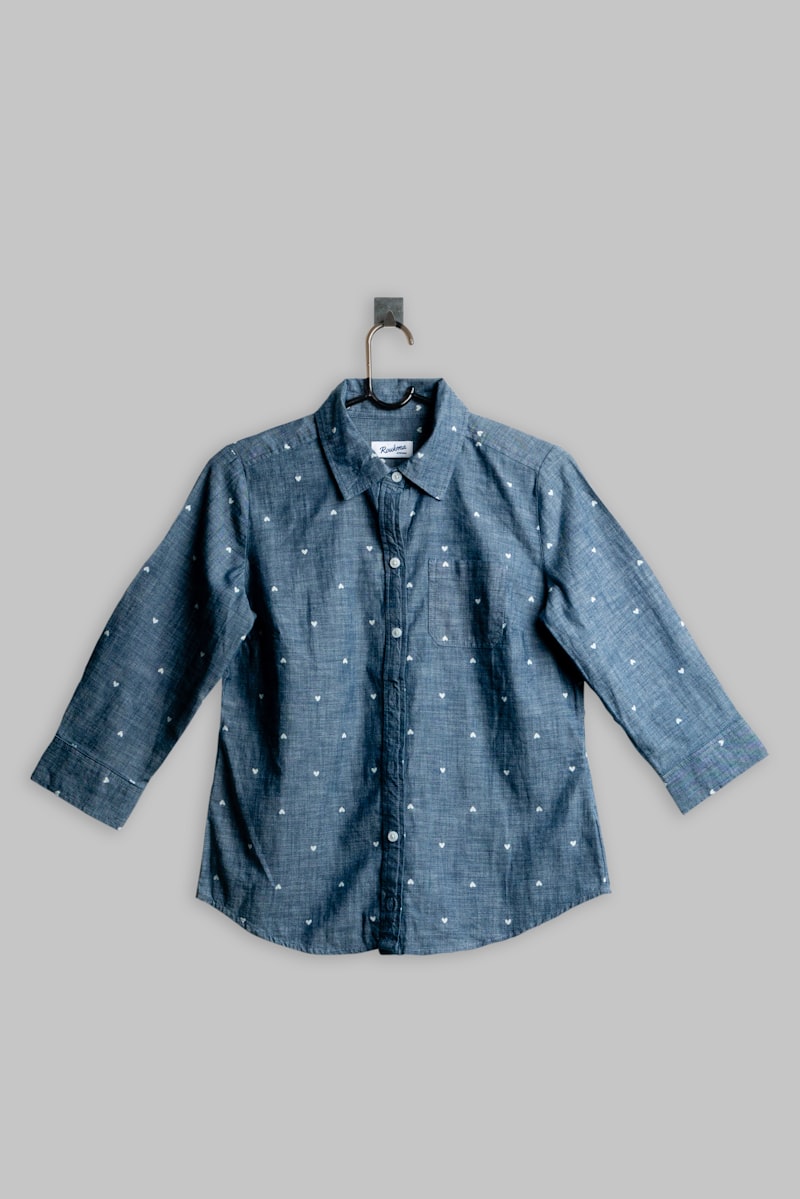
Here’s something I learned the hard way after three summers of trial and error: not all linen skirt outfits read as professional, and the difference between “she looks polished” and “she looks like she’s heading to a beach bar” often comes down to the closure. Button-front linen skirts — the kind with a visible placket running from waist to hem, usually in neutral tones like khaki, navy, or charcoal — project an entirely different energy than pull-on or wrap styles. The vertical line of buttons draws the eye up and down rather than side to side, elongating the silhouette in a way that mirrors the visual effect of a well-cut blazer or a structured trench coat, and that elongating effect is exactly what makes the button-front linen skirt office-viable in environments where denim and elastic waistbands would raise eyebrows. I pair mine with a crisp cotton poplin button-down tucked in fully, a thin leather belt at the waist for definition, and low block-heel mules in a coordinating neutral — the complete outfit reads as business casual without the physical discomfort that business casual usually demands. The key insight I’ve arrived at after years of office dressing is this: linen’s perceived casualness is almost entirely contextual, determined by the pieces surrounding it rather than the fabric itself. The same oatmeal-colored button-front linen skirt that looks beach-adjacent with a crochet tank and flat espadrilles transforms into something boardroom-appropriate with a structured blazer, closed-toe heels, and deliberate jewelry choices. As Emily Ratajkowski noted in an interview with Vogue about her personal style evolution, the most useful pieces in a working woman’s wardrobe are the ones that function as chameleons — garments that change their entire personality based on what you put next to them, which is precisely the quality that makes a well-chosen linen skirt worth far more than its price tag suggests. The button-front linen skirt is, in my experience, the single most versatile bottom in a summer work wardrobe, outperforming trousers in comfort and pencil skirts in versatility by a margin that becomes more obvious with every 90-degree commute.
Weekend Markets, Coffee Runs, and the Linen Mini That Handles Both
The linen mini skirt is the piece I resisted longest and now wear most frequently on weekends — a complete reversal that says more about my own preconceptions than about the garment itself. I spent years assuming that shorter hemlines belonged to younger women, to summer Fridays, to contexts where sitting down wasn’t a primary activity, and all three assumptions turned out to be wrong once I actually tried one on. A well-cut linen mini — by which I mean a skirt that hits two to three inches above the knee, with enough ease through the hips to allow for actual movement — solves the weekend dressing problem more efficiently than any other single item. On Saturday mornings, I wear mine with a boxy vintage-inspired graphic tee loosely tucked, flat slide sandals, a canvas tote bag, and absolutely no effort whatsoever — and the outfit works precisely because the linen mini brings its own sense of intentionality to the equation. The fabric’s natural texture prevents the look from reading as sloppy or underdressed, even when the individual components (t-shirt, flat sandals, no jewelry beyond a single ring) would individually suggest “errand-running” rather than “styled weekend look.” Linen skirt outfits built around a mini length work especially well for daytime socializing because they hit the sweet spot between comfortable (you can sit cross-legged, you can chase a toddler, you can spend two hours at an outdoor market in direct sun) and put-together (the fabric’s inherent polish means you look like you tried even when you absolutely didn’t). According to data from global fashion search platform Lyst, searches for “linen mini skirt” increased by 47% between 2024 and 2026, with the largest demographic growth coming from women aged 30-45 — a statistic that confirms what the sidewalk style in any major city already suggests: the linen mini has broken free of age-based style rules and become a legitimate wardrobe staple for anyone who wants to look good without feeling like their clothing is making physical demands on their body. The modern linen mini isn’t the micromini of the early 2000s; it’s a practical length rendered in a practical fabric that happens to look significantly better than anything practical has a right to.
Date Night in Linen — Yes, It’s Entirely Possible
The conventional wisdom says linen is a daytime fabric, full stop — and conventional wisdom is wrong about this the same way it was wrong about sneakers with suits and brown shoes with black trousers. I’ve worn a black linen maxi skirt to dinner at a restaurant with white tablecloths and a wine list organized by region, and not only did nobody call the fashion police, but I received three compliments from strangers before the appetizers arrived. The trick to evening-appropriate linen isn’t avoiding the fabric — it’s understanding that evening linen requires a fundamentally different approach to silhouette, color, and accessories than its daytime counterpart. A black or charcoal linen maxi skirt with a subtle flare, worn with a silk camisole in a coordinating dark tone and heeled sandals that add genuine height, reads as elegant in a way that has nothing to do with fabric formality and everything to do with proportions, textures, and the overall visual weight of the outfit. The silk against the linen creates textural contrast — one smooth and light-reflecting, the other matte and light-absorbing — that catches attention in the low, warm lighting of evening venues in exactly the way a single-fabric outfit wouldn’t. Add a delicate gold chain necklace, a structured clutch rather than a daytime tote, and a lip color that’s one shade deeper than what you’d wear to brunch, and you’ve got an evening look built around a fabric that most style guides would tell you to reserve for beach vacations. The black linen maxi skirt in particular has become my secret weapon for summer date nights because it solves the temperature-versus-formality equation that stumps so many evening outfits between June and September: it’s physically cool enough to wear when the evening air is still holding the day’s heat, but visually substantial enough to feel appropriate for a setting where denim cutoffs and cotton sundresses would feel underthought.
Color Theory: Why Sage Green and Terracotta Linen Changed How I Shop
For my first two summers of leaning into linen, I made the most boring possible choice: everything in beige, cream, white, and the occasional oatmeal. The neutral palette felt safe, versatile, and vaguely European in a way that appealed to my aspirational self-image, but it also meant my entire summer wardrobe looked like a sand dune — monotone, texture-dependent, and frankly a little boring by August. The breakthrough came when I stumbled across a sage green linen midi skirt on a sale rack and bought it purely because the price was too low to argue with, not because I had any actual styling vision for a non-neutral linen piece. That sage green skirt turned out to be the most-complimented item I’ve owned in three years, and the reason became obvious once I started paying attention: earth-toned linen — sage, terracotta, rust, deep olive, muted ochre — does something that neutral linen cannot, which is to inject color into an outfit without sacrificing the fabric’s inherent softness and texture. A terracotta linen A-line skirt worn with a simple white tank and cognac leather sandals reads as intentional, styled, and faintly artistic in a way that beige-on-beige never quite achieves. The earth tones harmonize with linen’s natural texture because they reference the organic, unbleached, plant-based origins of the fiber itself — flax, after all, is a crop that grows in fields under actual sun, and its natural undyed color has always hovered somewhere between oat and sand. When you dye linen in colors that reference its agricultural origins rather than fighting against them, the result feels coherent rather than costumey. Color theory research from the Pantone Color Institute consistently identifies earth-toned neutrals — what they call “grounded brights” — as psychologically calming and visually sophisticated, triggering associations with nature, craftsmanship, and permanence rather than disposability or trend-chasing. My current summer rotation includes a sage button-front, a terracotta mini, and a deep navy maxi, and together these three colored linen skirts generate more outfit combinations than I can wear in a month — all while breaking the beige monotony that defined my earlier, less confident approach to the fabric.
The Shoe Swap That Transforms Every Linen Skirt Look
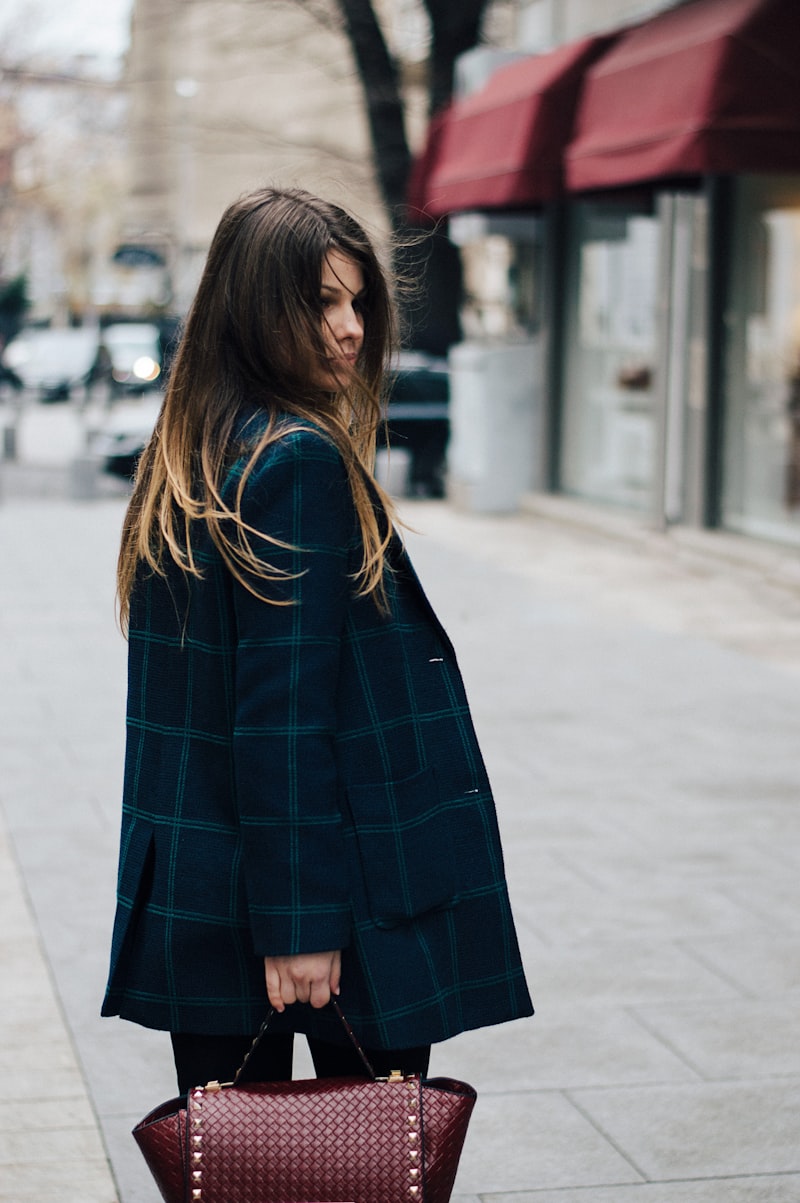
If you take nothing else from this entire article, take this: the single fastest way to transform any linen skirt outfit from one context to another is to change your shoes, and the difference between footwear choices with linen is dramatically larger than it is with denim, cotton, or synthetic fabrics because linen’s natural texture creates such a strong stylistic baseline that shoes either harmonize with it or fight against it. Flat leather sandals with a minimal, barely-there design — the kind with thin straps and a low-profile sole — keep linen firmly in casual territory, perfect for weekend errands, beach walks, and coffee runs where you want to look like you didn’t try (even if you spent ten minutes choosing between three nearly identical pairs of sandals). Espadrille wedges in a natural jute colorway elevate linen into brunch-with-friends territory — the rope sole references the organic, plant-derived quality of the linen itself, creating a visual through-line that makes the entire outfit feel intentional rather than cobbled together. Block-heel mules in leather or suede push linen into office-appropriate territory, especially when the heel height isn’t aggressive and the silhouette is clean rather than fussy. Strappy heeled sandals in metallic tones — gold, silver, bronze — transform a midi or maxi linen skirt into something dinner-worthy, because the metallic reflects light in a way that signals evening without requiring you to change out of the comfortable skirt you’ve been wearing since noon. The point isn’t to own seventeen pairs of shoes — it’s to understand that three strategic pairs can make one linen skirt function across your entire life, from the Saturday farmer’s market to the Tuesday staff meeting to the Friday dinner reservation, without ever looking like you’re forcing a piece into a context where it doesn’t belong. As the shoe designer Manolo Blahnik famously told The Guardian in a 2015 interview, “Shoes are the quickest way to change the narrative of an outfit — they tell the story of where you’re going, not where you’ve been.” That principle applies with particular force to linen skirts, where the fabric’s strong visual identity means the shoes either align with the story or actively contradict it — and contradictions in outfits, unlike contradictions in novels, tend to read as mistakes rather than complexity.
Living With Linen — Care, Crushing, and Why the Wrinkles Aren’t the Problem You Think They Are
I need to address the elephant in the room, which is that every conversation about linen eventually circles back to wrinkles, and most people who avoid linen cite wrinkling as their primary reason — a position I held myself until I realized I was wrong about what the wrinkles actually communicate. Linen wrinkles are fundamentally different from the wrinkles you get in a cotton shirt that’s been sitting in a laundry basket for three days or a polyester blouse that’s been folded in a suitcase. Linen wrinkles are regular, predictable, and evenly distributed — they follow the drape of the fabric and create a visual texture that the fashion industry has spent the last several years explicitly trying to replicate through techniques like crushed velvet, pleated synthetics, and intentionally distressed finishes. Walk through any Zara or COS right now and you’ll find synthetic fabrics that have been chemically treated or mechanically processed to produce exactly the kind of irregular surface texture that linen generates naturally — which means the fashion industry is literally charging people money to make new clothes look like they’re made of linen, while linen itself is penalized for displaying the exact quality being artificially reproduced. The practical care reality is also much less demanding than the reputation suggests: I wash my linen skirts in cold water on a gentle cycle, hang them to dry (never the dryer — heat sets wrinkles permanently and weakens the flax fibers over repeated cycles), and if I want them notably smooth for a specific occasion, I steam them for approximately ninety seconds rather than ironing, which preserves the fabric’s natural drape while removing the most aggressive creases. The hanging-to-dry step is genuinely important — gravity does most of the wrinkle-removal work for you if you give it the opportunity, and a linen skirt pulled straight from the wash and hung on a proper hanger will dry largely smooth, with only the kind of soft textural variation that reads as intentional rather than negligent. After three summers of regular wear and wash, my oldest linen midi skirt has developed a softness and drape that its brand-new replacement cannot replicate — linen, unlike most fabrics in the fashion supply chain, actually improves with age and washing in ways that synthetics and most cottons demonstrably do not.
Here’s what I’ve actually learned across three summers of building my wardrobe around linen skirts, distilled into something closer to a principle than a tip: the best summer clothing isn’t the clothing that makes you look like you’re not affected by heat — it’s the clothing that lets you stop thinking about what you’re wearing entirely. Cotton sticks to damp skin. Polyester traps heat and odor in ways that become undeniable by mid-afternoon. Denim, for all its versatility, becomes genuinely punishing above 85 degrees. Linen breathes, moves, and ages in a way that makes it feel less like you’re wearing clothing and more like you’re wearing a second, more breathable layer of skin — and that quality, more than any trend cycle or celebrity endorsement, is what keeps me reaching for my linen skirt outfits morning after morning from June through September. The wrinkles, the care, the limited color palette of undyed linen — all of these are features disguised as flaws, characteristics that signal quality and authenticity in a fashion landscape where most clothing is designed to look perfect on the hanger and disappointing on the body. If you’re going to invest in one category of summer clothing this year or next, make it a well-cut linen skirt in a color you actually want to wear, and give yourself permission to stop worrying about whether it looks sufficiently pressed. The people whose style you admire aren’t noticing your wrinkles; they’re noticing that you look comfortable in your own clothing, which is rarer and more impressive than a perfectly smooth hemline ever was.