

You slip into a dress made of satin and something shifts. The way the fabric catches the light, the way it glides over your skin rather than gripping it, the subtle rustle that announces your presence before you speak—these are not accidents of textile engineering. They are the result of centuries of weave innovation, and they are why the satin dress occupies a privilege place in fashion that no other fabric-based silhouette can claim. Whether you are attending a formal gala, a cocktail party, or an intimate dinner date, a satin dress signals that you understand the difference between merely getting dressed and making an entrance.
This article walks you through everything you need to know about satin dresses: how the fabric is constructed, which body types it flatters most, how to style it across different occasions, and the specific care requirements that keep your satin dresses looking as luxurious as the day you bought them. Along the way, you will discover practical styling principles that work regardless of your budget, body shape, or personal aesthetic. The satin dress is not a garment for special occasions alone—with the right approach, it can become a staple of your everyday confidence.
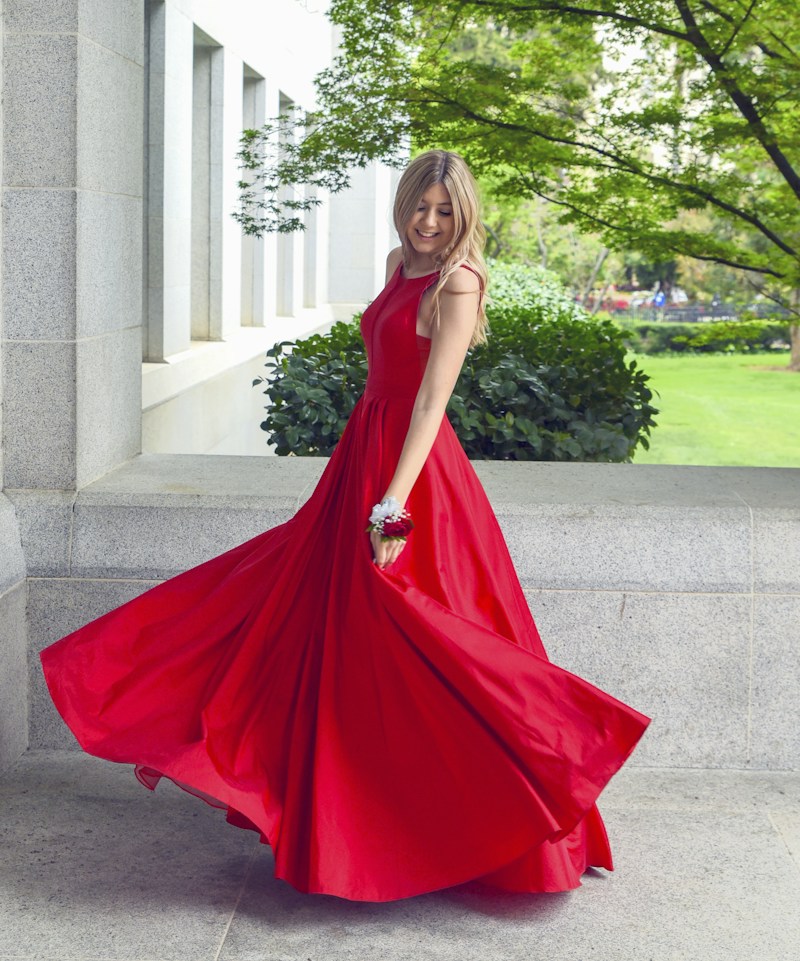
What Satin Actually Is and Why It Looks Different
The first thing to understand about a satin dress is that satin itself is not a raw material but a weave structure. Unlike cotton or wool, which refer to the fiber itself, satin refers to how threads are woven together. In a satin weave, the warp yarns float over multiple weft yarns before interlacing, creating a surface with minimal interruptions. These long floats are what give satin its characteristic sheen—light reflects off the long, parallel fibers uniformly rather than scattering in multiple directions as it would on a plain or twill weave. This technical reality explains why a satin dress catches the eye from across a room while a cotton dress of the same cut fades into the surroundings.
Historically, satin originated in Quanzhou, China, during the Tang Dynasty, with the name deriving from the Arabic word “zaituni,” referring to the Chinese port of Quanzhou (known as Zayton to Arab traders). By the Middle Ages, satin had traveled along the Silk Road to Europe, where Italian and French weavers refined the technique and began incorporating silk fibers. For centuries, genuine satin was made exclusively from silk, which made it one of the most expensive fabrics in the world—reserved for royalty, clergy, and the upper aristocracy. According to textile historians at the Victoria and Albert Museum, satin’s association with luxury and status is not a modern marketing invention but a cultural inheritance stretching back over a thousand years.
Today, you will find satin dresses made from a variety of fibers. Silk satin remains the gold standard—its natural protein fibers create a depth of luster that synthetic alternatives struggle to replicate. However, polyester satin and rayon satin have become far more common in ready-to-wear fashion because they are affordable, durable, and machine-washable in many cases. The trick to choosing a quality satin dress lies in examining how the fabric moves and reflects light. A good satin weave should create a subtle shimmer rather than a harsh, plastic-like shine. It should drape rather than stand away from the body. And it should feel smooth and cool to the touch rather than tacky or sticky. For a deeper dive into satin’s technical specifications, the Wikipedia article on satin provides an excellent breakdown of weave variations and fiber applications.
How the Satin Dress Flatters Different Body Shapes
One of the most persistent myths about the satin dress is that it only looks good on slender or perfectly proportioned bodies. This could not be further from the truth. In reality, satin’s unique drape and reflective qualities can be leveraged to flatter virtually any body type when you choose the right cut and construction.
For pear-shaped bodies—where the hips are wider than the shoulders—an A-line satin dress works beautifully. The fabric’s natural sheen draws the eye upward, while the A-line skirt skims over the hips without clinging. A darker satin dress with a lighter neckline detail creates a balancing effect that visually broadens the shoulders to match the hip width.
For apple-shaped bodies—where weight is carried in the midsection—an empire-waist satin dress is the most flattering option. The raised waistline sits just below the bust, allowing the satin to fall freely over the stomach area without emphasizing it. The fabric’s drape works in your favor here: because satin does not cling the way jersey or knit fabrics do, it creates a smooth, uninterrupted line from bust to hem.
For hourglass figures, a fitted satin dress is a knockout choice. The fabric’s luster emphasizes curves by catching light at every angle as you move. A wrap-style satin dress or a satin dress with a defined waist seam accentuates the natural waist-to-hip ratio that makes hourglass figures distinctive. The key is to ensure the fit is precise—satin has minimal give, so alterations may be necessary for a genuinely tailored look.
For rectangular or athletic builds, a satin dress with strategic details—ruffles, draping, cowl necklines, or asymmetrical cuts—creates visual curves where there may not be pronounced natural ones. The satin fabric amplifies these details because light catches every fold and drape, adding dimension to a silhouette that might otherwise read as linear. According to celebrity stylist Micaela Erlanger, who has dressed numerous red-carpet clients, satin is one of the most forgiving fabrics for angular body types precisely because “the light does the shaping work that structure cannot.”
Choosing the Right Satin Dress for the Occasion
A satin dress can feel overdressed or underdressed depending on the context, but understanding which styles work for which events eliminates the guesswork. The occasion determines not only the cut but the weight, color, and finish of the satin.
For black-tie and formal events, floor-length satin dresses are the traditional go-to. A column or sheath silhouette in deep jewel tones—emerald, sapphire, burgundy, or midnight blue—reads as sophisticated and timeless. Heavier satin weaves work best for formal occasions because they hold their shape and do not wrinkle as easily during extended periods of sitting or standing. If you invest in one formal satin dress, make it a classic floor-length option in a color that complements your complexion.
Cocktail parties and semi-formal events call for knee-length or midi satin dresses. This is where you can experiment with more adventurous colors—fuchsia, electric blue, champagne, or even metallic finishes. A satin midi with an asymmetric neckline or a slit detail adds contemporary edge without sacrificing elegance. For cocktail dress codes, the fabric itself does much of the heavy lifting—even a simple sheath satin dress looks intentional and polished when the fabric quality is right.
Weddings as a guest warrant careful consideration. Avoid white, ivory, or champagne if there is any risk of looking bridal. Instead, choose pastel satin dresses for spring and summer weddings—blush pink, powder blue, or soft lavender—and deeper tones for fall and winter ceremonies. A satin dress with sleeves or a modest neckline is appropriate for church or temple ceremonies, while backless or strapless satin options work for evening receptions.
For date nights and casual-elegant events, a slip-style satin dress has become the uniform of choice among fashion insiders. The slip satin dress, often featuring delicate spaghetti straps and a bias cut, strikes the perfect balance between effortlessness and intentional dressing. Pair it with strappy heels for a dinner date or with white sneakers and a denim jacket for a gallery opening—the satin fabric elevates even the most casual styling decisions.
The Science of Satin Dress Colors: Which Shade Does What
Color choice matters more for a satin dress than for almost any other garment because the satin weave amplifies color intensity. The same weave structure that gives satin its luster also makes every shade appear deeper, richer, and more saturated than it would in a matte fabric. Understanding this amplifying effect helps you choose colors that work with your complexion rather than overwhelming it.
Warm skin tones—those with yellow, peach, or golden undertones—look best in satin dresses in warm color families. Deep ruby red, burnt orange, cognac, bronze, and warm pink shades like coral or salmon create harmony with warm undertones. These colors will appear even more vibrant in satin, so if you want to make a bold statement, warm colors in satin are your most impactful choice.
Cool skin tones—those with pink, red, or blue undertones—are complemented by cool color families. Icy blue, emerald green, royal purple, fuchsia, and silver-toned satin dresses create a striking contrast against cool skin that photographs beautifully. Deep navy and charcoal satin dresses are also flattering options for cooler complexions, especially in evening wear.
Neutral and olive skin tones have the broadest range of flattering satin options. Jewel tones—amethyst, topaz, ruby, sapphire—are universally flattering on neutral skin and look particularly spectacular in satin finishes. Metallics such as gold, rose gold, and silver are also excellent choices because the metallic sheen and the satin weave work together to create a luminescent effect that complements the skin without clashing with undertones.
One universal rule: avoid satin dresses in shades that closely match your skin tone, unless you are intentionally going for a monochromatic look. Because satin reflects light, a satin dress that is too close to your skin color can wash you out or create an unintentionally nude appearance in photographs. The general rule is to go at least two shades lighter or darker than your natural skin tone for the most flattering effect.
Accessorizing a Satin Dress Without Clashing
The reflective quality of a satin dress presents both an opportunity and a challenge when it comes to accessories. Because the fabric already draws significant visual attention, your accessories must complement rather than compete with the satin surface. The golden rule of accessorizing a satin dress is restraint: let the fabric do the talking.
Jewelry for a satin dress should be minimal and intentional. Delicate gold or silver pieces work better than chunky statement jewelry because they do not fight with the fabric’s natural luster. Drop earrings that catch light near your face draw attention upward, which is particularly effective if your satin dress has a simple neckline. If your satin dress has a high neckline or is already detailed with beading or embellishment, skip the necklace entirely and focus on earrings and rings.
Shoes should match the formality level of your satin dress. Strappy stiletto heels are the classic pairing—the exposed skin of the foot creates a visual break between the hem of the satin dress and the ground, preventing the outfit from looking too heavy. Pointed-toe pumps in a matching or neutral color keep the focus on the dress. For daywear or casual satin dresses, block heels or even clean white sneakers create an intentional contrast that reads as fashion-forward rather than careless.
Bags should be compact and structured. A clutch or a small crossbody bag in leather, suede, or even a complementary satin works well. Avoid large tote bags with a satin dress—the proportions clash, and the casual nature of a large bag undermines the dress’s inherent elegance. Metallics or neutral leathers are safe choices that coordinate with almost any satin color.
How to Care for a Satin Dress: Preservation Tips
No guide to the satin dress would be complete without addressing the care question, because satin is among the most maintenance-intensive fabrics in common use. The same weave structure that creates satin’s beauty also makes it vulnerable to snagging, crushing, and water damage. Proper care extends the life of your satin dresses considerably.
First, always check the care label. Silk satin almost always requires dry cleaning. Polyester and rayon satins may be hand-washable, but machine washing is almost never recommended because the agitation damages the satin weave and creates permanent creases. If you must wash a satin dress at home, use cold water, a gentle detergent designed for delicates, and never wring the fabric—press water through gently and lay flat to dry.
Storage is equally critical. Never hang a satin dress on a wire hanger—the thin metal edge can snag and pull threads. Instead, use padded hangers or fold the dress flat in a drawer. If you are storing a satin dress for an extended period, wrap it in acid-free tissue paper to prevent the fabric from yellowing or developing crease marks. Avoid storing satin dresses in plastic garment bags, which trap moisture and can cause the fabric to develop mildew or permanent water spots.
When steaming a satin dress, use a steamer on the lowest heat setting and keep the nozzle at least six inches from the fabric. Direct contact with steam heads can leave water marks on satin that are difficult to remove. If you must iron a satin dress, use a pressing cloth between the iron and the fabric and set the iron to the lowest possible heat for the fiber content. High heat can melt synthetic satin or burn silk satin irreversibly.
Satin Dress Trends in 2026: What Is Worth Your Attention
The satin dress category continues to evolve, and 2026 has brought several distinct trends worth noting. While classic styles remain your safest investment, understanding what is current helps you make decisions that look fresh rather than dated.
The bias-cut satin slip dress has returned with renewed force, driven by the ongoing 1990s revival in mainstream fashion. Designers from high-end houses to fast-fashion retailers are producing slip satin dresses in new lengths—midi and maxi versions have replaced the classic mini, making the trend more versatile across age groups and occasions. The bias cut allows satin to drape diagonally across the body, which enhances the fabric’s natural movement and creates a flattering effect on curves.
Colored satin in unexpected hues is another 2026 trend. While black, navy, and burgundy satin dresses remain staples, designers are pushing into chartreuse, electric violet, cerulean, and terracotta. These colors benefit from satin’s amplifying effect—they appear richer and more dimensional than they would in matte fabrics. If you are looking to refresh your wardrobe with a single statement piece, a satin dress in an adventurous color is a low-risk, high-impact investment.
Satin dresses with contrasting textured details—lace overlays, velvet trims, or leather accents—are gaining traction as designers explore the interplay between satin’s smooth surface and tactile opposites. A satin dress with velvet sleeves or a leather belt detail creates visual intrigue through texture contrast, keeping the outfit from feeling one-dimensional. These hybrid designs are especially popular for evening events where a purely satin dress might feel too uniform.
Where the Satin Dress Fits in a Modern Wardrobe
A single well-chosen satin dress can resolve more outfit dilemmas than a dozen fast-fashion purchases. The key is selecting the right foundational piece and understanding how to contextualize it across different scenarios. The satin dress is not a garment you wear once and retire—it is a long-term relationship that rewards thoughtful selection and care.
If you own only one satin dress, make it a knee-length or midi sleeveless style in a color that suits both your complexion and your lifestyle. Black is the safest choice because it works for evening events, funerals, date nights, and office holiday parties alike. Navy, deep green, or burgundy are excellent alternatives that feel less severe than black while remaining similarly versatile. Avoid trendy cuts or extreme lengths for your first satin dress—a classic silhouette remains wearable through multiple seasons and style cycles.
The satin dress deserves space in every woman’s wardrobe because it delivers something that few other garments can: instant elevation. You can wear the simplest silhouette in a quality satin and appear thoughtfully dressed, while a more complicated garment in a lesser fabric can look effortful without delivering proportionate impact. This efficiency—maximum elegance with minimum complexity—is the satin dress’s enduring gift to the woman who wears it.