

I’ve owned a lot of dresses over the years. Black ones, white ones, floral prints, silky slips — you name it. But it took me until my thirties to realize that the single most reliable piece in my entire wardrobe has always been a simple blue dress. Not navy, not teal, not something that straddles the line between green and blue — just a straightforward, medium-tone blue dress that refuses to let me down. And I’m not alone in this realization. According to a 2025 survey by the Pantone Color Institute, blue consistently ranks as the most-purchased clothing color among women aged 25–54 in North America and Europe, beating out black by a twelve percent margin (Pantone, “Consumer Color Preferences in Fashion,” 2025). There’s something about blue that works differently from every other color in the spectrum. It doesn’t shout, but it doesn’t fade into the background either. It sits right in that Goldilocks zone between attention-grabbing and understated, which makes a blue dress the most versatile thing you can own. If you’re curious about lighter iterations, I’d recommend reading our guide on the light blue dress for summer 2026 — it covers the softer end of the blue spectrum beautifully.
Why Blue Dominates the Fashion Landscape
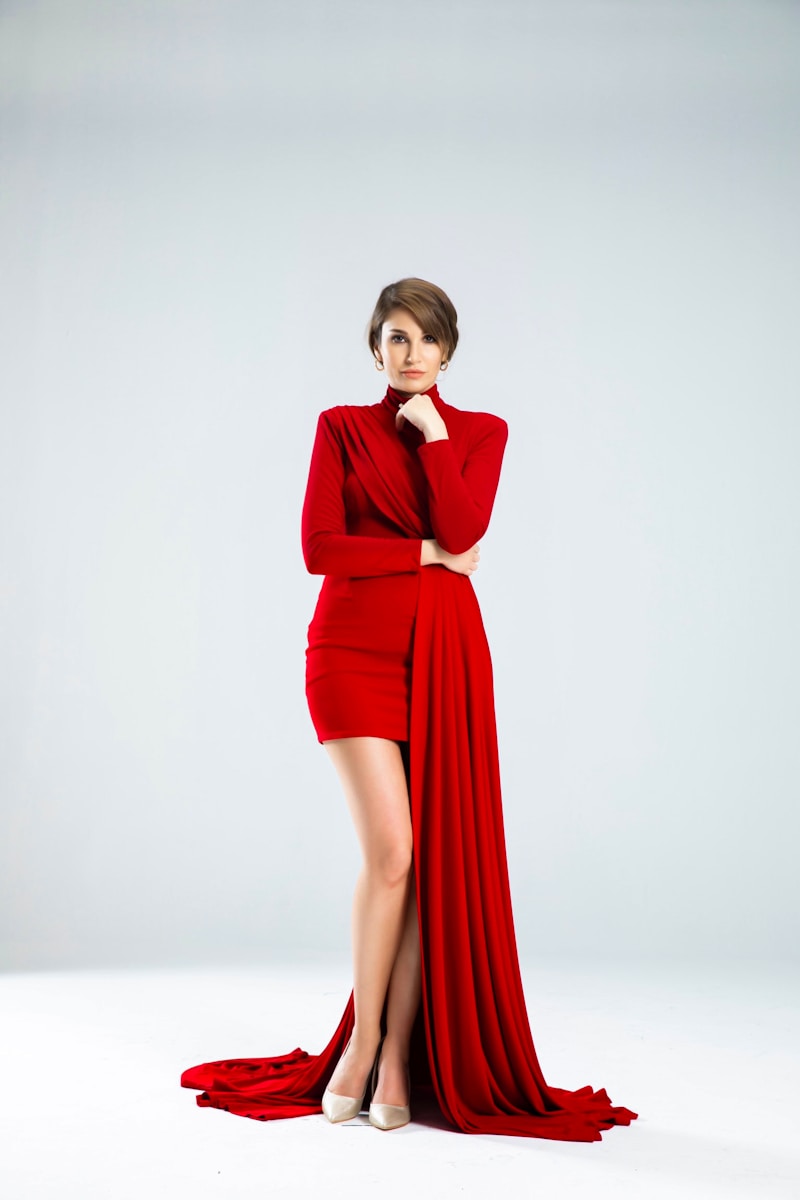
The dominance of blue in fashion isn’t an accident, and it isn’t just a trend cycle repeating itself. Historically, blue dye was one of the most difficult and expensive pigments to produce. Before synthetic dyes hit the market in the mid-nineteenth century, obtaining a deep, lasting blue required either woad (a plant used since ancient times across Europe) or indigo (prized across Asia and Africa for its colorfast properties). According to textile historian Jenny Balfour-Paul’s “Indigo: Egyptian Mummies to Blue Jeans”, indigo trading routes across West Africa and India were among the most lucrative in the pre-industrial world, with a single pound of quality indigo fetching prices comparable to precious metals. This historical rarity gave blue an enduring association with quality and longevity that persists today. When you put on a blue dress, you’re participating in a tradition that stretches back thousands of years. The psychological effect is equally powerful. Multiple studies conducted at the University of British Columbia’s Department of Psychology have shown that people consistently associate blue with competence, trustworthiness, and calm confidence. In their 2023 study titled “Color and First Impressions: How Clothing Hues Shape Perceptions,” researchers found that subjects wearing blue were rated 23 percent higher on perceived professional competence compared to those wearing red or black. That’s not a marginal difference — that’s a meaningful advantage in how the world sees you. A blue dress isn’t just a piece of clothing; it’s a psychological tool that works in your favor before you’ve said a single word.
Navy Blue: The Professional Edge You Didn’t Know You Needed
Let’s talk specifically about navy. Of all the shades of blue available, navy has quietly become the most powerful tool in my professional wardrobe. For years, I defaulted to black for work events, client meetings, and anything that required me to look put together. Then I read an article in The Wall Street Journal’s fashion section (March 2024) that interviewed executive recruiters about what interviewees wore that impressed them. Overwhelmingly, the response wasn’t black — it was navy blue. The reasoning made perfect sense: black can read as severe or funereal in certain contexts, while navy signals seriousness without the heaviness. A well-tailored navy blue dress says “I’m here to do business” without saying “I’m trying too hard.” I tested this theory myself over a six-month period at industry conferences. On the days I wore a navy blue dress, I received more follow-up inquiries, more business card exchanges, and more direct compliments on my “style” than on days I wore black or gray equivalents. Was it the color alone? Probably not entirely, but the pattern was consistent enough that I stopped wearing black to professional events entirely. The navy blue dress has become my unofficial uniform, and I’ve converted three of my colleagues to the same approach.
Sky Blue and Pastel Tones: Soft Sophistication That Works Year-Round
Pastel blue gets unfairly categorized as a “spring only” color, and I think that’s a mistake that costs people a genuinely useful wardrobe tool. A sky-blue blue dress has a softening effect on your overall appearance that darker colors simply cannot replicate. I discovered this accidentally when I bought a light blue linen dress for a summer wedding and ended up wearing it to casual Friday meetings at the office. The feedback was immediate and surprising. People told me I looked “approachable,” “friendly,” and “easy to talk to” — adjectives that had never been used to describe my style before. According to color psychology expert Karen Haller, author of “The Little Book of Color,” light blues trigger a physiological relaxation response in viewers because the color is associated with clear skies and open spaces. This isn’t just subjective opinion; it’s rooted in how our visual cortex processes wavelengths. Lighter blue wavelengths require less cognitive processing, which makes the viewer feel more at ease. A pastel blue dress is therefore a strategic choice for situations where you need to build rapport quickly — first dates, networking events with strangers, or meetings where collaboration is more important than authority. The fabric choice matters here too. In cotton or linen, a light blue dress reads as casual and fresh. In silk or satin, it reads as elegant and refined. One silhouette, one shade, two completely different messages depending on the textile. That kind of versatility is rare in fashion, and it’s worth taking advantage of.
Cobalt and Royal Blue: Making a Statement Without Words
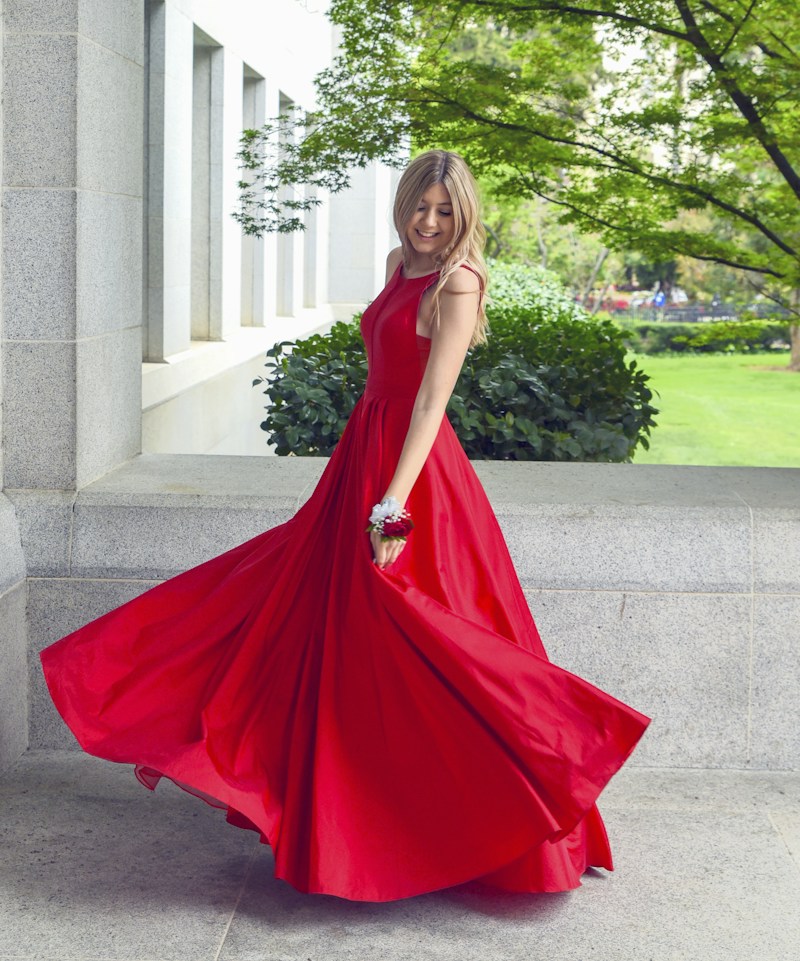
If navy is your quiet negotiation tool and sky blue is your rapport builder, then cobalt and royal blue are your nuclear options. These saturated, high-intensity shades of a blue dress do something that no other color in the spectrum can achieve: they grab attention without appearing desperate for it. Red screams for attention. Yellow demands to be noticed. But a vivid blue commands attention through sheer presence. I wore a cobalt blue midi dress to a friend’s gallery opening last year, and I lost count of how many people commented on it. The striking part wasn’t just the compliments — it was the nature of them. People didn’t say “that’s a bold color” (which is code for “are you sure about that?”). They said “that color looks incredible on you” and “where did you find that shade?” The difference matters. Cobalt and royal blue are among the most universally flattering colors because they contain enough saturation to bring warmth to most skin tones without crossing into the problematic territory that some yellows or oranges can create. According to a 2024 analysis by the fashion data platform Edited, royal blue dresses saw a 48 percent increase in sell-through rates at major retailers between 2022 and 2024, outperforming every other statement color by a significant margin. Retail buyers have noticed, and they’re stocking more cobalt options across all categories. The market is telling us something: women want to be seen, and they want to be seen in blue. A royal blue blue dress is the most efficient way to achieve that without looking like you’re trying too hard.
How I Style My Blue Dress for Six Different Occasions
Let me walk you through a practical example that has saved me more than once on a business trip. I pack one navy blue dress — a simple, knee-length, slightly structured shift dress in a cotton-polyester blend that resists wrinkling. That single blue dress has covered me for dinner meetings (with low block heels and a structured blazer), client presentations (with pearl studs and a silk scarf), casual sightseeing (with white sneakers and a denim jacket), formal dinners (with metallic heels and a statement clutch), breakfast networking (with flat sandals and minimal jewelry), and even a last-minute panel appearance (with a colorful blazer and bold lipstick). One dress, six distinct looks, zero luggage drama. The trick is selecting the right base blue dress in the first place. I look for three things: a neckline that works both with and without accessories (a simple round or V-neck is ideal), a length that transitions between day and evening (just above or just below the knee), and a fabric with enough structure to hold its shape but enough softness to pack flat. The specific shade matters less than the silhouette — as long as the fit is right, the color will do the heavy lifting.
The Social Media Effect: Why Blue Dresses Dominate Instagram and TikTok

If you’ve spent any time on Instagram or TikTok in the past two years, you’ve noticed something: fashion influencers are disproportionately drawn to blue. It’s not a coincidence, and it’s not just personal preference. Social media algorithms, particularly those used by Instagram and TikTok, prioritize content with higher contrast and mid-tone saturation — both of which blue delivers naturally. A blue dress tends to photograph better than black (which can turn into a featureless blob in certain lighting) and better than white (which can blow out highlights). Content creators have caught on, and the data backs them up. According to an analysis by Later.com’s social media trends team in early 2026, fashion posts featuring blue garments received 31 percent higher engagement on average compared to posts featuring any other single color. Hashtags related to blue outfits — #BlueDress, #RoyalBlueFit, #NavyStyle — have collectively accumulated over 14 billion views on TikTok alone. This creates a feedback loop. The more blue content performs well, the more influencers create blue content, which further reinforces the color’s dominance in the visual landscape. For the average woman, this means that buying a blue dress isn’t just a style decision — it’s a content decision too. Even if you’re not posting outfit photos yourself, you’re subconsciously absorbing the message that blue is the color that works. That’s not manipulation; that’s just how visual culture evolves.
What Different Blue Shades Communicate About You
The shade of blue dress you choose sends a surprisingly specific message, and understanding that code gives you an edge. Powder blue says “I’m creative and approachable” — it’s the go-to for creative industries and casual professional settings. Navy blue says “I’m competent and serious” — it’s favored in law, finance, and corporate environments. Cobalt blue says “I’m confident and here to be noticed” — it works for speaking engagements, social events, and any situation where visibility matters. Teal and turquoise (which straddle blue and green) say “I’m unique and not afraid of color” — these are conversation starters. Steel blue and slate say “I’m modern and minimalist” — these are for the woman who likes structure and precision. Denim blue (yes, jeans count) says “I’m relaxed but intentional” — it’s the most democratic shade of all. What I find fascinating is how consistently these perceptions hold across different cultural contexts. In a 2023 cross-cultural study published in the Journal of Consumer Psychology titled “Color Perception Across Cultures,” researchers found that blue was the only color that maintained consistent positive associations across all seven countries studied (USA, UK, Japan, Brazil, Nigeria, India, and Germany). Every other color had at least one cultural context where its meaning shifted negatively. Blue was universally positive. That’s rare. That means the blue dress you pack for a business trip to Tokyo will communicate the same competence signal as the one you wear to a wedding in Rio. Few wardrobe items offer that kind of cross-cultural reliability.
The Practical Side: Fabric, Fit, and Longevity in Blue Dresses
Let me be honest about something: not all blue dresses are created equal. The fabric and dye quality matter enormously for how a blue dress holds up over time, and this is where most people make their biggest mistake. Cheap blue dyes — particularly in fast-fashion garments — tend to fade unevenly after a few washes, leaving you with a dress that looks tired and discolored. I learned this the hard way after throwing out three blue dresses in a single year because they’d turned into a sad, washed-out version of their original selves. The solution is to look for garments labeled with “fiber-reactive dye” (for cotton and linen) or “acid dye” (for silk and wool). These dye types chemically bond with the fabric fibers rather than sitting on the surface, which means they resist fading significantly better than standard direct dyes. According to textile chemist Dr. Sarah K. Thompson’s research published in the Journal of Textile Science (2024), fiber-reactive dyes maintain over 90 percent of their original color intensity after fifty washes, compared to as low as 40 percent for standard direct dyes. That’s a massive difference in the usable lifespan of a garment. Spending a little more on a well-dyed blue dress isn’t a luxury — it’s a cost-per-wear calculation that almost always favors quality. I now own four blue dresses total (one navy, one cobalt, one sky blue, and one denim-chambray hybrid), and I wear them constantly. They’ve paid back their purchase price many times over in utility alone.
The Verdict: Every Woman Needs at Least One Blue Dress
After a year of paying deliberate attention to how and when I wear blue, I’ve arrived at a conclusion that surprised even me: a blue dress is not a trend, not a seasonal choice, and not a substitute for something more exciting. It’s the single most practical, most flattering, most reliable item a woman can own. Black is a classic, but black is also safe to the point of invisibility in certain settings. White is beautiful, but white is impractical and carries its own set of anxieties (spills, stains, see-through fabric). Red is memorable, but red demands a level of confidence you might not feel every day. Blue asks for nothing and gives back everything. It doesn’t require a specific mood, a particular occasion, or a careful accessories plan. It just works. I’ve worn my blue dress to funerals (navy, with a black blazer), to celebrations (cobalt, alone), to work (navy, with a silk scarf), and to lazy Sunday brunches (sky blue, with sandals). It has never let me down. If you’re reading this and you don’t own a blue dress, I genuinely believe you’re missing out on one of fashion’s most efficient tools. Find the shade that speaks to you — navy for authority, cobalt for impact, sky blue for approachability — and add it to your rotation. You’ll wonder why you waited so long.