

Why a Vintage Skirt Deserves More Space in Your Closet Than Anything You Bought This Year
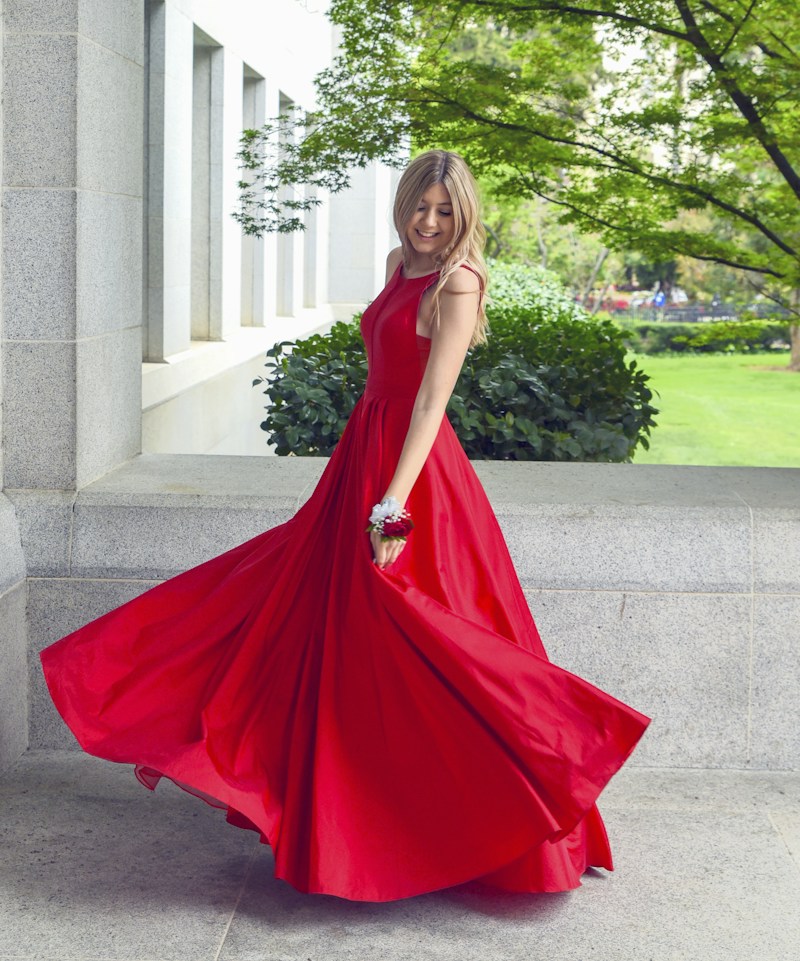
I have a confession: over the past twelve months, I have spent more money on newly manufactured clothes than I care to admit, yet the three items I reach for most often are all secondhand. Two of those are skirts. Not the fast-fashion, drop-waist, polyester-blend kind — but proper old-school pieces that carry history in every stitch. One is a 1970s A-line wool plaid I picked up for twelve dollars. Another is a bias-cut silk number from the 1940s that feels like wearing liquid. Both are what I would call true vintage skirts — garments built in an era when construction mattered, fabrics meant something, and trends moved slowly enough that a single silhouette could define a decade. According to a 2025 report by ThredUp, the secondhand market is projected to reach $70 billion by 2027, with vintage apparel making up the fastest-growing segment. This is not nostalgia for nostalgia’s sake. There are measurable, structural reasons why a well-made vintage skirt outperforms most of what you will find on a modern retail rack. And in this article, I will walk through exactly what those reasons are, how to identify quality vintage construction, which decades produced the most wearable silhouettes, and why incorporating even one vintage skirt into your rotation can fundamentally upgrade the way you dress.
What Actually Defines a Vintage Skirt — And Why the Label Matters
The term “vintage” gets thrown around so loosely in fashion that it has almost lost meaning. True vintage refers to garments that are at least twenty years old and representative of the era in which they were made. A vintage skirt from the 1950s, for example, typically features a fitted waistband, a full A-line or circle silhouette supported by crinoline or built-in petticoats, and zippers that run along the side seam rather than the center back. By contrast, a skirt from the 1970s tends to sit lower on the hips, use wider waistband elastic or drawstrings, and favor natural fibers like cotton, linen, or wool. These differences are not arbitrary. The evolution of the vintage skirt mirrors broader shifts in manufacturing technology, textile availability, and women’s social roles. According to the Victoria and Albert Museum’s fashion archive, the 1920s introduced the dropped waist and shorter hemlines as a direct response to women entering the workforce in greater numbers. The 1940s saw skirts become narrower due to wartime fabric rationing, with an average yardage allowance of just 2.5 yards per garment. The 1950s circle skirt, meanwhile, required up to five yards of fabric to achieve its dramatic fullness — a decadent consumption of material that signaled the post-war economic boom. Understanding these context clues transforms the way you look at a secondhand rack. Rather than seeing a random old piece of clothing, you start reading a garment the way you would read a historical document. The silhouette tells you about the decade. The fabric tells you about the economy. The stitch quality tells you about the labor conditions. This is why a genuine vintage skirt is never just a skirt — it is a material archive of the time that produced it. And when you wear one, you are not just wearing clothes; you are wearing a story. The history of skirts documented on Wikipedia traces this evolution with remarkable detail.
The Construction Advantage: Why Old Sewing Techniques Still Outperform Modern Fast Fashion
One of the most overlooked reasons to buy a vintage skirt is the sheer quality of its construction. Before the globalization of textile manufacturing in the 1990s, most garments sold in Western markets were produced domestically under labor laws that required fair wages and reasonable working hours. This meant that manufacturers had an incentive to build skirts that would last — because customers expected a return on their investment. A typical vintage skirt from the 1960s or 1970s will feature French seams or bound seams on the interior, which prevent fraying and add structural integrity. The hems are usually hand-stitched with a blind hem stitch, not machine-sewn and left raw. The zippers are metal or nylon coil zippers from brands like Talon or YKK, often replaceable if they break. The waistbands are interfaced with proper materials like hair canvas or cotton twill, not fused with cheap adhesive that peels after three washes. Compare this to a modern fast-fashion skirt that costs the same price adjusted for inflation. A 2024 study by the Fashion Revolution organization found that the average cheaply produced skirt is worn only seven times before being discarded. By contrast, a properly constructed vintage skirt can survive decades of regular wear if maintained correctly. I own a 1960s wool A-line that has been dry-cleaned and steamed more times than I can count, and it still holds its shape better than anything I have bought in the past five years. The fabric itself — pure virgin wool with a tight twill weave — has a density and resilience that modern blends simply cannot match. For anyone who has ever been frustrated by a skirt that pills after two wears or loses its waistband elasticity within a season, the solution is not to buy a more expensive version of the same thing. The solution is to buy older.
Which Decades Produced the Most Wearable Vintage Skirts for Modern Lifestyles
Not all vintage skirts are created equal when it comes to everyday practicality. Some decades produced silhouettes that translate beautifully into modern wardrobes, while others look best on a mannequin in a museum. From personal experience and after consulting with vintage dealers and stylists, I have found that three decades offer the best return on investment for the modern woman. First, the 1950s circle skirt is arguably the most universally flattering silhouette ever designed. Its fitted waist and dramatically full hem create an exaggerated hourglass shape that works on virtually every body type. The key is to look for skirts made from cotton or cotton-blend fabrics, as these are breathable and machine-washable. Avoid the taffeta and netting varieties unless you are attending a themed event. Second, the 1970s A-line midi skirt deserves serious attention. These skirts typically sit at the natural waist or slightly below, fall to mid-calf, and feature subtle flare rather than aggressive volume. They pair effortlessly with modern bodysuits, fitted turtlenecks, and even chunky sneakers. According to data from the resale platform Depop, searches for “1970s skirt” increased by 63 percent between 2023 and 2025. Third, the 1940s bias-cut skirt offers an elegance that is difficult to replicate with modern cutting techniques. The bias cut — where fabric is cut at a 45-degree angle to the grain — allows the material to drape and stretch along the body’s natural curves. This technique was perfected by designers like Madeleine Vionnet in the 1930s and remains one of the most flattering approaches to skirt construction. The downside is fit: bias-cut vintage skirts require a more precise fit at the waist and hip, so trying them on in person is ideal. But when you find one that fits, it will move with you in a way that feels almost like a second skin.
How to Identify a High-Quality Vintage Skirt Before You Buy
Whether you are shopping at a brick-and-mortar thrift store or scrolling through an online vintage marketplace, the ability to quickly assess a vintage skirt’s quality will save you money and disappointment. There are four things I look at in under thirty seconds. First, I check the fabric composition label — if it still exists. Natural fibers like wool, cotton, silk, and linen are almost always preferable to polyester, acrylic, or acetate, unless the garment is from the 1980s when high-quality rayon and acetate blends were actually well-made. Second, I examine the interior seams. Turn the skirt inside out and look for finished seams — French seams, flat-felled seams, or overlocked seams with proper thread tension. If you see raw, unraveling edges, walk away. Third, I inspect the zipper and button closures. Metal zippers from the 1950s and 1960s are often more durable than modern plastic ones, but they can also be harder to repair. Look for zippers that glide smoothly without catching. Buttons should be made of actual materials — brass, wood, shell, or horn — not cheap injection-molded plastic. Fourth, I check the waistband construction. A well-made vintage skirt will have a waistband that is at least 1.5 inches wide, interfaced with a material that gives it structure but also flexibility. If the waistband is flimsy or twisted, the entire skirt will sit poorly on the body. As vintage fashion expert and author Emma McClendon noted in her book The Golden Age of American Couture, “The waistband is the foundation of any skirt — if it doesn’t fit and function properly, the rest of the garment is irrelevant.” Following these four checks will help you separate the genuinely special vintage skirts from the ones that are simply old.
Styling a Vintage Skirt in 2026: How to Make Old Pieces Feel Current
One of the most common concerns I hear from friends who admire my vintage skirt collection but hesitate to start their own is the fear of looking costumed. Nobody wants to walk out the door looking like they are headed to a themed party. The secret is contrast. The reason a 1950s circle skirt can look completely contemporary alongside a modern ribbed tank top and leather sandals is that the play between decades creates visual tension. The skirt brings structure and volume; the top brings simplicity and texture. The same principle applies to a 1970s A-line midi vintage skirt worn with an oversized blazer and minimalist sneakers — the proportions balance each other out. I follow a simple rule: if the bottom is vintage, keep the top clean and modern. If the top is vintage, keep the bottom simple. More than one statement piece per outfit and you risk tipping into costume territory. Footwear also plays a crucial role. A full 1950s skirt reads as retro with kitten heels, but it reads as editorial with combat boots. A bias-cut 1940s silk skirt transforms from formal to relaxed when you swap strappy heels for flat leather sandals. Accessories should be understated — a small leather crossbody bag, thin gold hoops, and maybe a silk scarf tied on the handle of your bag. The goal is to let the vintage skirt do the talking while everything else supports it quietly. According to a 2026 trend report by Who What Wear, “the single most defining styling move of the year is mixing a high-volume vintage bottom with an ultra-minimalist top.” This is not a niche look anymore — it is a mainstream approach to personal style.
Where to Find the Best Vintage Skirts Without Overpaying
The biggest myth in vintage shopping is that you have to spend a fortune to get quality pieces. While high-end curated vintage boutiques can charge hundreds of dollars for a single skirt, there are plenty of avenues for finding affordable options. Thrift stores in wealthier suburbs tend to yield better-quality donations — think real silk blouses, cashmere sweaters, and well-preserved vintage skirts from brands like Pendleton, London Fog, and Evan-Picone. Estate sales are another excellent source, particularly those in older neighborhoods where the original owner was likely in her 70s or 80s — meaning her wardrobe likely spans the 1960s through the 1990s. Online, platforms like Depop, Vinted, and eBay offer vast inventories, but the trick is knowing what to search for. Instead of searching “vintage skirt,” which returns everything from 1990s clubwear to actual antique Edwardian petticoats, try searching for specific keywords like “1960s A-line wool skirt,” “1970s wrap midi skirt,” or “1980s pleated plaid skirt.” This narrows the results dramatically and increases the likelihood of finding exactly what you want. When buying online, always ask the seller for photos of the label, the interior seams, and any signs of wear like stains, pilling, or odor. A trustworthy seller will provide these without hesitation. As the founder of vintage marketplace Thrift+ once stated in an interview with Harper’s Bazaar, “The best vintage shoppers are the ones who know exactly what they want and can identify quality in under a minute.” Develop that skill, and you will consistently find exceptional vintage skirts for under forty dollars.
Why the Vintage Skirt Market Is Booming Right Now
The economic and cultural forces driving the surge in vintage skirt demand are worth understanding, because they suggest this is not a passing trend but a structural shift in how women approach fashion. According to data from the Global Fashion Agenda, the apparel industry is responsible for approximately 10 percent of global carbon emissions, and consumer awareness of this fact has reached an all-time high. A 2025 survey by McKinsey & Company found that 67 percent of consumers under the age of thirty-five consider sustainability a key factor in their purchasing decisions. Vintage is the ultimate sustainable choice — it requires no new resources, no new shipping, and no new labor exploitation. Beyond ethics, there is also the question of aesthetics. The homogenization of fast fashion has created a visual landscape where everyone in a given city essentially wears the same five silhouettes from the same five brands. A unique vintage skirt offers something that mass-market retail simply cannot: individuality. When you wear a 1970s patchwork maxi or a 1940s bias-cut crepe, you are wearing a garment that no one else in the room has. In an era of algorithm-driven fashion recommendations and viral TikTok outfit formulas, this kind of originality is increasingly valuable. Fashion historian Dr. Valerie Steele, director of the Museum at the Fashion Institute of Technology, has remarked that “vintage clothing offers an escape from the tyranny of the new.” The numbers back her up. According to ThredUp’s 2025 Resale Report, the secondhand market grew 21 times faster than the broader retail apparel market in 2024. Britannica’s analysis of the fashion industry confirms that vintage and resale are now the fastest-growing segments. All of this points to a simple conclusion: the vintage skirt is not a niche hobby anymore. It is one of the most intelligent, stylish, and future-proof categories in fashion.
Common Mistakes to Avoid When Shopping for a Vintage Skirt
After two years of actively collecting vintage skirts — and making plenty of mistakes along the way — I have compiled a short list of pitfalls worth avoiding. The first is buying based on waist measurement alone. Vintage sizing is notoriously different from modern sizing. A 1950s size 12, for example, corresponds roughly to a modern size 4 or 6. Always measure the actual waistband flat across with a tape measure and compare it to your own waist measurement plus at least an inch of ease. The second mistake is ignoring fabric condition. A vintage skirt can look perfect on the outside but have hidden issues like underarm or waistband discoloration, weakened seam allowances, or fabric that has become brittle with age. Gently pull the fabric in different directions to check for strength. If it tears easily, pass. The third mistake is assuming all vintage skirts are dry-clean only. Many are, but a surprising number of cotton and linen vintage pieces can be hand-washed and air-dried without damage. The fourth mistake is overlooking minor damage that is easily repairable. A missing button, a slightly loose hook-and-eye closure, or a hem that has come undone in one section are all fixable in under fifteen minutes with basic sewing skills. Do not let a tiny flaw stop you from buying a gem. The fifth and final mistake is impulse buying. Because vintage is unique, there is a psychological pressure to buy immediately or lose the item forever. This scarcity mindset leads to poor purchases. Set a clear intention before you start shopping — what fabric, what silhouette, what color palette — and stick to it. The right vintage skirt will come along eventually. And when it does, you will recognize it immediately because it will check every box on your list.
The Long-Term Value of Owning a Vintage Skirt
Let me put this in financial terms because I think it matters. A well-chosen vintage skirt costs, on average, between twenty and sixty dollars. It will last, with proper care, for at least another twenty to thirty years. That works out to roughly two to three dollars per year of wear. Compare that to a modern mid-range skirt priced at seventy dollars that falls apart after two seasons — you are paying thirty-five dollars per year. The math is not even close. But the value extends beyond dollars and cents. A vintage skirt connects you to the craftsmanship and design philosophy of a different era. It carries a history that you become a part of. And because it is unique, it forces you to style intentionally rather than simply copying an outfit you saw online. There is a confidence that comes from wearing something that cannot be found on every other person in the room. The digital fashion search platform Lyst reported in 2026 that searches for “vintage skirt outfit” increased by 89 percent year-over-year, making it one of the fastest-growing search terms in the apparel category. This is not a coincidence. As fashion cycles accelerate and trends become shorter-lived, more women are turning to vintage as an anchor — something stable, well-made, and genuinely stylish that does not depend on the approval of the algorithm. Whether you are a seasoned collector or someone who has never set foot in a thrift store, I would encourage you to give vintage skirts a real try. Start with one. Find a 1970s A-line in a neutral color, or a 1950s circle skirt in a pattern you genuinely love. Wear it with your most modern pieces. See how it changes the way you feel. My bet is you will not stop at one.