

Every few seasons, fashion circles back to a silhouette that most people have seen a hundred times but never quite learned to use properly. The paperbag skirt is exactly that kind of piece. It gathers softly at the waist, cinches with a tie or belt, and then releases into a relaxed, generous fall of fabric that moves with you instead of against you. Walk through any European capital this September and you will notice the same quiet pattern: high-waisted, bloused-at-the-top skirts in camel wool, olive twill, and oatmeal cotton appearing on commuters, gallery visitors, and mothers doing the school run alike. This is not a coincidence, and it is not a flashy trend either. According to a 2025 market brief published by the apparel analytics platform Statista, sales of high-waisted skirt styles across the United States and Western Europe grew by roughly 14 percent year over year, while searches combining “high waist” with “skirt” reached a five-year high in August 2025. The garment behind that growth is almost always the same one: a skirt with a gathered, belted waistband that mimics the folded top of a paper bag. What makes it genuinely useful, rather than merely fashionable, is the way it answers a problem every woman faces when the temperature drops — namely, how to dress warmly without looking shapeless. A properly fitted paperbag skirt gives you the coverage of a trouser, the movement of a full skirt, and the waist definition of a tailored garment, all in a single piece. For anyone still hunting for skirts that will carry them through October and November without constant re-styling, this silhouette deserves a serious look, and the sections below explain exactly why.
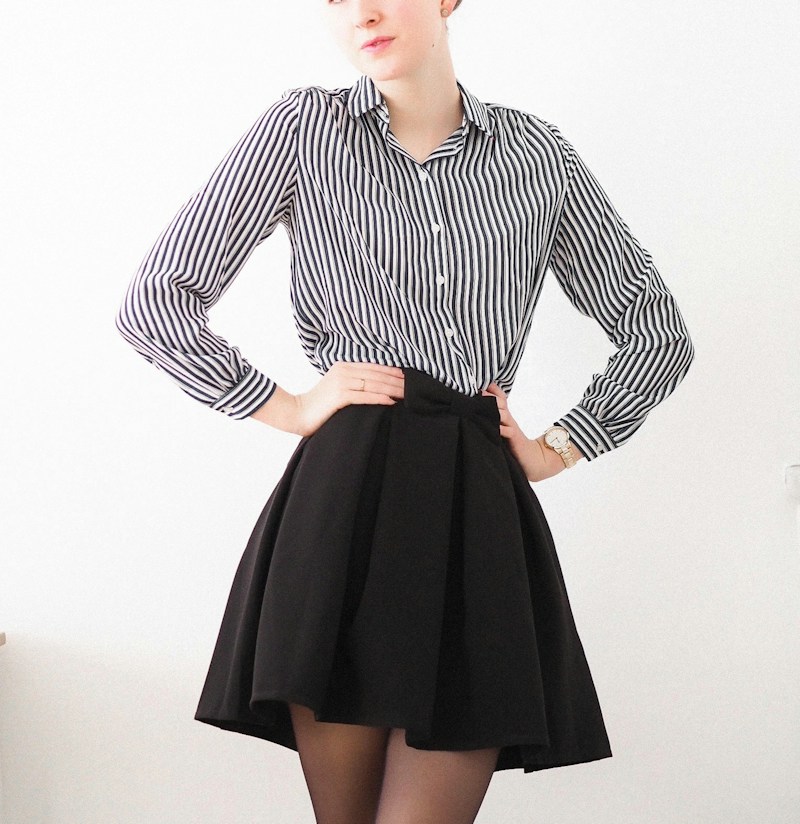
What Exactly Is a Paperbag Skirt?
Before discussing styling, it helps to define the garment precisely, because the term gets thrown around loosely and many women unknowingly buy something that only resembles it. A genuine paperbag skirt has a waistband that extends several inches above the natural waistline and is gathered or pleated so that the fabric “blouses” outward like the crumpled top of a paper bag. A belt, sash, or pair of drawstrings cinches that extended waistband back in, creating a soft, sculpted finish rather than a hard seam. Below the cinch, the skirt can be cut as a straight column, a gentle A-line, a full circle, or a flowing maxi, which means the paperbag treatment is really a waistline technique applied to many different skirt shapes rather than one single pattern. The Wikipedia entry on the skirt notes that waistline treatments have historically defined how skirts are read by the eye, and the paperbag waist is among the most forgiving of those treatments because it never grips the torso tightly. Instead of hugging the stomach and hips the way a banded waistband does, it skims them, then cinches at the narrowest point of the torso. That single construction detail changes how the garment behaves: it hides the softness around the middle that most women want to minimize, it lengthens the leg line by raising the visual waist, and it adds a deliberate, architectural interest to an outfit that a plain elastic or flat-front waistband simply cannot deliver. Designers from the runways of Copenhagen to the high-street racks of Madrid have leaned on this trick for years, which is why the paperbag skirt exists in denim, linen, wool, corduroy, satin, and virtually every other fabric in the textile dictionary. When you understand that the waistband is the entire point, choosing the right version becomes far easier than it seems at first glance.
Where the Paperbag Waist Came From
The paperbag waist did not appear on Instagram and it was not invented by a fast-fashion brand in the last decade. Its ancestry runs through menswear. In the 1930s and 1940s, men’s high-waisted trousers with pleated, belted tops were standard tailoring, designed to sit high on the waist and be secured with a belt that gathered the excess fabric. Women’s fashion borrowed the construction during the war years, when fabric rationing pushed designers toward efficient cuts that used every inch of cloth, and the gathered waistband became a practical way to create fit without complex darting. By the 1950s the look had migrated into women’s casual wear, appearing in gingham playsuits and full-circle skirts where a tie belt cinched a bloused bodice. The Metropolitan Museum of Art’s Costume Institute, which holds one of the most complete skirt collections in the world, documents repeated revivals of this gathered-and-cinched waist in its fashion history archives, tracing versions from 1940s utility dresses through 1970s safari styles and into the present. What is striking about the current revival is its scale: WGSN, the trend forecasting firm used by most global retailers, flagged the paperbag waist as one of its top five waistline directions for 2025 and 2026 womenswear, citing runway coverage at more than forty major shows. The reason for such sustained enthusiasm is simple economics. A paperbag skirt gives a brand a distinctive, ownable silhouette that photographs well, suits a wide size range, and works in both casual and tailored fabrics — which is exactly why the style now fills the autumn windows of retailers from Paris to Shanghai. Knowing this history matters for the shopper because it explains why the garment is cut the way it is, and it guards against the most common mistake of all: buying a skirt that merely has a tie belt on a normal waistband and expecting it to behave like the real thing.
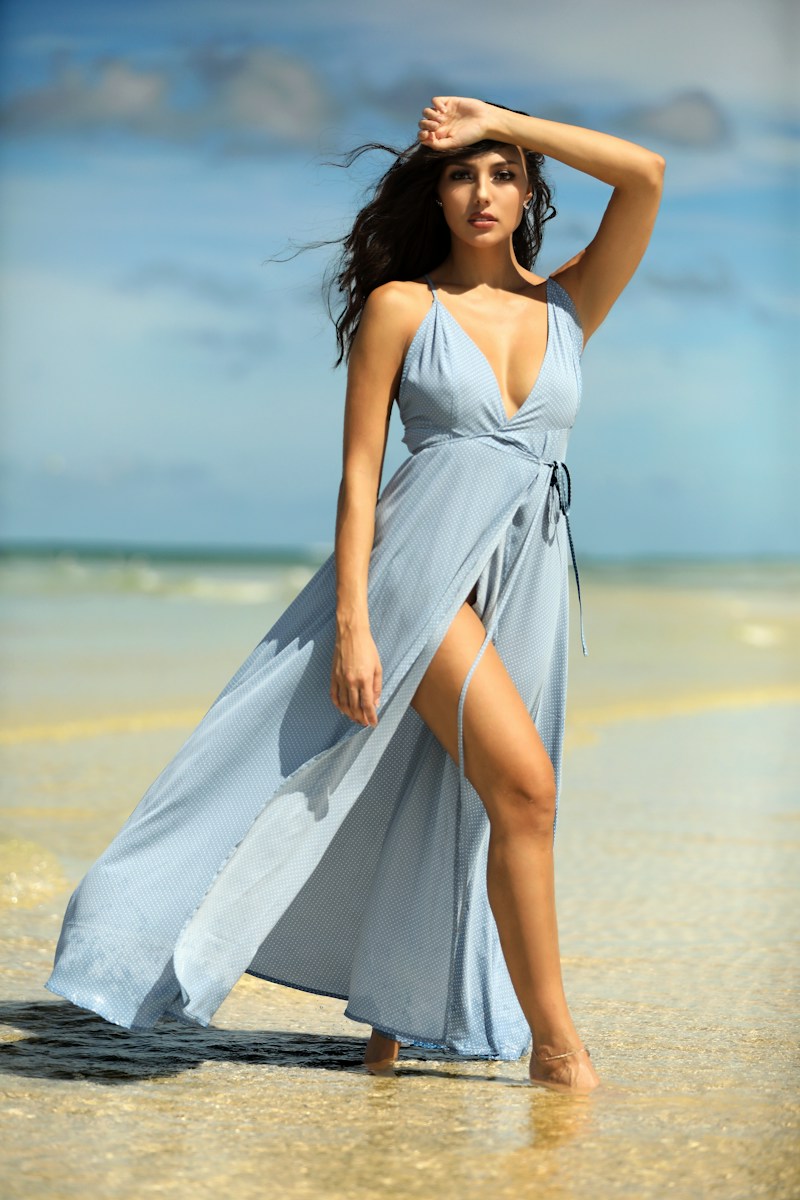
Why the High Waist Flatters Nearly Every Body
Very few garments can honestly claim to work across the full spectrum of female bodies, but the paperbag skirt comes closer than almost anything else in a standard autumn wardrobe, and the reason is mechanical rather than magical. The extended waistband shifts the eye upward to the narrowest part of the torso, which automatically creates the illusion of a longer leg line; the gathered fabric then falls away from the stomach and hips, so it never outlines the areas women are most self-conscious about; and the cinched belt re-establishes a defined waist even on straight, athletic, or rectangular body shapes that otherwise lack one. Stylist and author Allison Bornstein, whose wardrobe-system videos have reached millions of viewers, has built much of her advice around exactly this principle. *”The waistline is the anchor of any look,”* she has explained in her styling tutorials. *”Once you define it, everything else falls into place.”* The paperbag skirt operationalizes that philosophy without requiring the wearer to have a naturally nipped-in waist. The numbers support the anecdotal enthusiasm. In the Statista dataset mentioned earlier, high-waisted skirt styles showed above-average conversion rates among women aged 25 to 54, with the strongest repeat-purchase figures recorded in the 35-to-44 bracket — the demographic that tends to shop for fit first and fashion second. Proportionally, the skirt also solves the perennial problem of the petite shopper, because a raised waist combined with a midi or knee-length hem creates a continuous vertical line that adds apparent height; and it works equally well for taller women, who can carry the fuller maxi versions without being overwhelmed. The honest caveat is that fit still matters enormously: the waistband must sit at the true waist, not below it, and the belt should be tightened just enough to create the blouson effect without excessive bunching that adds bulk. Get those two details right and the paperbag skirt becomes one of the few garments that genuinely flatters without asking for a specific body type in return.
Building Autumn Outfits Around a Paperbag Skirt
Autumn is where the paperbag skirt reveals its true value, because it was practically designed for layering. On a crisp October morning, a wool or tweed paperbag skirt worn with opaque tights, a fine-gauge knit, and ankle boots produces a look that is warm, polished, and entirely unforced. The construction of the waistband means there is no bulky band pressing into the stomach when you sit, which makes it dramatically more comfortable than a stiff high-waisted trouser through a full day of work or travel. The styling formula is forgiving enough that it works in every direction: tuck a silk blouse in to emphasize the cinched waist; leave a chunky sweater loose and slightly cropped so the waistband still reads; or layer a longline cardigan over everything and let the skirt’s shape do the work underneath. Color blocking becomes easy because the waistline functions as a natural dividing line — try an oatmeal paperbag skirt with a chocolate knit, or a charcoal version with a burgundy turtleneck for a palette that echoes the season without shouting. The fabric conversation matters just as much as the color conversation. A crisp cotton or poplin paperbag skirt pairs beautifully with soft, tactile knits, while a satin version asks for matte, substantial textures on top so the sheen does not overwhelm. Even the footwear logic is unusually forgiving: because the hem clears the ankle in midi and knee-length cuts, nearly every cold-weather shoe works, from Chelsea boots and loafers to knee-high boots that tuck neatly behind the fabric. For readers who want to see the same layering logic applied to other autumn staples, our guide to styling a wool skirt for cold weather covers the companion pieces worth owning. The practical result of all this flexibility is measurable: a single well-chosen paperbag skirt can generate ten or more distinct autumn outfits from the clothes most women already own.
From Desk to Dinner: Paperbag Skirt Outfits for Every Hour
Few garments cross the office-to-evening boundary as cleanly as the paperbag skirt, and that versatility is precisely why it keeps reappearing in the professional wardrobes of women who cannot afford to change clothes between meetings and dinner plans. For the working day, choose a structured fabric — wool crepe, ponte, or heavyweight twill — in a neutral tone and pair it with a crisp shirt, a fine merino crewneck, or a tailored blazer. The skirt reads as professional because its waistline is defined and its silhouette is composed, yet it never feels as severe as a pencil skirt, which makes it a favorite of women who have rejected the rigidity of traditional office dressing. When six o’clock arrives, the transformation requires almost no effort: swap the shirt for a camisole or a draped knit, exchange the blazer for a leather jacket or a long duster, change ankle boots for heeled mules, and the same skirt now reads as evening wear. The gathered waistband adds a soft, feminine texture that photographs beautifully under restaurant lighting, which is why stylists routinely reach for paperbag silhouettes when dressing clients for events that straddle the professional and the social. The skirt also performs admirably in the weekend contexts that dominate autumn calendars — pumpkin-patch outings, gallery openings, birthday brunches, and long walks that end in a café. In denim or corduroy versions it takes on a relaxed, almost nostalgic character that pairs naturally with chunky sneakers and crewneck sweatshirts; in velvet or satin versions it turns festive enough for holiday parties that begin arriving in late November. The one caution is context in the other direction: very long, very full paperbag maxi skirts can read as resort wear rather than city wear, so for urban autumn dressing the midi and knee-length proportions are the safest, most versatile bets, delivering the silhouette’s benefits without drifting into costume territory.
Choosing the Right Fabric, Cut, and Color
Because the paperbag waist is a technique rather than a single pattern, the fabric and cut you choose determine whether the garment becomes a workhorse or a wardrobe orphan. Start with fabric weight. The waistband needs enough structure to hold its bloused shape through a full day of wear, which means very thin, slippery fabrics like lightweight viscose or unlined silk can collapse and look sloppy unless they are deliberately engineered with interfacing. The most reliable autumn choices are wool, wool blends, corduroy, heavyweight cotton twill, and ponte knit, all of which hold the waistband’s shape while draping softly through the body of the skirt. For transitional September weather, linen blends and medium-weight cotton work well, while satin and velvet versions are best treated as occasion pieces rather than daily drivers. The cut matters just as much as the cloth. An A-line or full-circle paperbag skirt delivers the most movement and the most forgiving fit, making it the best first purchase for anyone new to the silhouette; a straight or column cut reads sleeker and more professional but demands a more precise fit through the hips; a maxi version maximizes the elongating effect but needs the right shoes and proportions to avoid overwhelming a petite frame. On color, the autumn logic is straightforward: camel, olive, rust, burgundy, charcoal, and cream are the tones that will pair effortlessly with the rest of a cold-weather wardrobe, while black and navy operate as neutral foundations that never argue with anything. Print lovers are not excluded — checked, plaid, and subtle floral paperbag skirts exist in abundance — but a printed paperbag skirt should be treated as a statement piece that anchors an outfit on its own, worn with plain, tonal layers rather than competing patterns. Whatever you choose, the golden rule is to test the waistband before buying: sit down in it, bend over in it, and walk a few steps, because a paperbag waist that is cut too tight or too loose will betray the whole design within an hour of wear.
The Mistakes That Ruin a Paperbag Skirt Look (and How to Avoid Them)
For all its forgiving qualities, the paperbag skirt does have failure modes, and nearly all of them trace back to a handful of avoidable errors. The first is wearing the waistband below the natural waist. Because the band is extended, it is tempting to slouch it down onto the hips like a low-rise garment, but doing so destroys the leg-lengthening effect and leaves the gathered fabric ballooning awkwardly around the widest part of the torso. The waistband belongs at the true waist — the point where the torso bends when you lean sideways — and no lower. The second error is over-bunching. Cinching the belt so tightly that the fabric stacks into thick rolls above it adds visible bulk around the middle, which is precisely the opposite of what the silhouette is supposed to achieve. The blouson should be soft and moderate, roughly two to three inches of gathered fabric above the belt, not a full balloon. The third mistake is choosing the wrong top proportion. Pairing a paperbag skirt with another voluminous piece — an oversized hoodie, a tent-like coat worn closed, a billowy poet blouse — creates a shapeless sack effect that flatters nobody. The top should either be fitted, tucked, or cropped so the defined waist remains the clear focal point of the outfit. The fourth error is neglecting the underlayer. Sheer or light-colored fabrics demand seamless undergarments and, in cold weather, quality opaque tights in the right shade, because visible lines under a gathered waistband are far more conspicuous than they are under a flat one. Finally, there is the fit trap of buying online without measuring: paperbag waistbands run large on some brands and small on others, and the difference between a great and a disastrous fit is often a single size. Measure the true waist, check the brand’s size guide against those numbers, and read the reviews for comments about the waistband specifically, and the odds of ending up with a skirt you actually wear shift dramatically in your favor.
Why One Good Paperbag Skirt Can Carry an Entire Season
Stepping back from the details, the case for the paperbag skirt comes down to a single, unglamorous word: return. The average cold-weather garment, by the fashion-economics estimates cited across industry reporting from WGSN and Statista, earns its keep only if it is worn a meaningful number of times per season, and most skirts fail that test because they are too occasion-specific. The paperbag skirt passes it easily, because it functions simultaneously as a workwear piece, a weekend piece, a travel piece, and an evening piece, in a fabric range that spans linen in September and wool by December. It hides what most women want hidden, defines what most women want defined, and does both without demanding a specific body, a specific height, or a specific budget. It is also unusually durable as a style: the gathered-and-cinched waist has resurfaced in every decade since the 1940s, which means a quality paperbag skirt purchased this autumn will not look dated next year or the year after. For women who are tired of rotating through disposable trends, that kind of longevity is the entire point. The recommendation that follows from all of this is simple rather than extravagant: one well-made paperbag skirt in a neutral autumn tone, chosen for genuine fit rather than impulse, will earn a place in the rotation that few other single garments can match. It will not scream for attention, and that is precisely its strength — it works quietly, day after day, through an entire season of changing weather and shifting plans, which is about the highest compliment any piece of clothing can receive.