

For years, brown sat quietly at the back of the fashion pantry, treated as the dependable cousin of black and the safe alternative to navy. That era is over. Walk through any city this September and you will notice that the most photographed outfits share one thing in common: an earthy, warm-toned skirt in some shade between chocolate and camel, worn with cream knitwear and simple leather boots. The brown skirt has become the season’s quiet protagonist, and the data explains why. When Pantone named Mocha Mousse its 2025 Colour of the Year, it confirmed what retail buyers had already bet on: a global appetite for warm, grounded, comforting neutrals after several seasons of loud maximalism. Lyst’s annual Year in Fashion data recorded a double-digit rise in searches for brown clothing across 2024 and 2025, with brown skirts among the fastest-growing subcategories as autumn approaches. The spectrum of brown shades — from pale oatmeal through caramel and cognac to deep espresso — turns out to be one of the most flexible palettes in a modern wardrobe, because every one of those tones flatters far more skin tones than people assume. This is not a colour that asks you to be brave; it is a colour that quietly makes everything around it look more expensive. If you have been searching for a single autumn piece that solves dressing decisions from September through November, the brown skirt deserves a serious look, and this guide will show you exactly how to choose one and wear it well.
Why Brown Finally Stopped Being Fashion’s Background Colour
The rehabilitation of brown is not a random mood swing; it follows a pattern that colour forecasters have tracked for decades. After a stretch of high-saturation, high-contrast dressing — neon accents, bold colour-blocking, aggressive logomania — the market reliably swings back toward warmth, texture, and quiet luxury. Brown is the natural landing place for that correction, because it sits close to the body, echoes natural materials like leather, wood, and wool, and photographs beautifully in the soft, low light of autumn. The trend intelligence firm WGSN flagged earthy neutrals as a dominant direction in its autumn/winter forecasts, noting that consumers were gravitating toward colours that felt “rooted” and calm rather than attention-seeking. Independent confiramtion came from the high street: fashion search engines and retail analytics platforms both reported that brown, caramel, and chocolate were appearing in a rising share of new autumn product drops, moving from occasional accent to core offering. Part of the appeal is practical. Brown pairs with almost everything a modern wardrobe already contains — denim, cream, grey, olive, rust, and even unexpected partners like soft pink and pale blue — which means a single brown skirt multiplies the outfits you can build from pieces you already own. Part of it is emotional. Colour psychology research consistently links warm earth tones with feelings of security, stability, and comfort, associations that gather strength as the days shorten. And part of it is simply visual: brown is the most naturally flattering neutral for the widest range of complexions, because it exists in both cool and warm versions, so almost everyone can find a shade that lights up their face rather than draining it. Taken together, these forces explain why the brown skirt has moved from a niche preference to a mainstream essential in a single season, and why it is likely to stay in rotation long after the current trend cycle moves on.
What Actually Counts as a Brown Skirt — and Why the Shade Matters
“Brown” is a family, not a single colour, and the specific shade you choose will determine how versatile the skirt becomes in your closet. Fashion and design professionals generally group the family into three broad zones. The first is the light zone: oatmeal, beige, sand, and pale taupe, which read as soft and airy and work especially well for daytime, office, and spring-to-autumn transitional dressing. These lighter browns are the closest relatives to classic camel, and they pair effortlessly with white, cream, and denim. The second is the mid zone: caramel, cognac, toffee, and classic camel, the warm, golden browns that have anchored French and Italian wardrobes for generations. Mid-tones are the most universally flattering because they add warmth to the skin without overpowering it, and they look particularly rich in leather, wool, and suede. The third is the deep zone: chocolate, espresso, mahogany, and bitter cocoa, the dark browns that behave almost like black but with far more nuance. A chocolate brown skirt offers the visual authority of a black skirt — it slims, it grounds, it transitions easily into evening — but it feels softer, more approachable, and less severe. Understanding this spectrum matters because the same silhouette can read completely differently depending on its shade. A pale beige denim skirt and a deep chocolate leather skirt share almost nothing in terms of styling logic. The practical rule most stylists use is to match the shade to the season and the material: lighter browns in lighter fabrics for warmer months, deeper browns in heavier fabrics for colder ones. There is also a useful trick for building tonal outfits, which we will return to later: choosing a skirt and a top in two different shades from the same brown family creates an effect that looks deliberately elegant and expensive without requiring any colour expertise. Before you buy, hold the skirt near your face in natural light. If your skin looks bright and even, you have found your zone; if your face looks tired or greyed out, try the neighbouring shade.
How to Wear a Brown Skirt Without Looking Like Office Furniture
The single most common fear about brown is that it can look flat, dated, or institutional if it is styled without care. The good news is that the fix is simple and largely about contrast and texture. A brown skirt looks modern the moment you introduce a contrasting tone or a contrasting fabric, because the eye needs something to push against. Layering a chocolate skirt with a crisp white or cream top is the fastest route to a fresh, expensive-looking outfit, and it is the combination most often seen on the street-style circuit for good reason: the light top lifts the dark skirt, the dark skirt grounds the light top, and the result is balanced rather than heavy. If you want to push the palette further, brown is a surprisingly willing partner for colours that would feel chaotic next to black. Soft pink over chocolate reads romantic; pale blue over caramel reads fresh and unexpected; rust, olive, and burgundy worn with brown create the warm, autumnal colour story that designers return to every year. Texture does the rest of the work. A smooth leather or satin brown skirt and a chunky cable-knit sweater create a deliberate, tactile contrast, while a wool skirt and a silk blouse play the same game in reverse. Avoid one common trap: styling brown with other muddy, similar mid-tones in soft, floppy fabrics, which can blur the whole silhouette into something shapeless. Keep the palette tight but the textures varied, and let the skirt be the solid anchor. Footwear is another easy lever. Brown leather boots or loafers echo the skirt and create a long, cohesive line, while a white sneaker or a black heel deliberately breaks the brown and makes the outfit feel considered rather than matchy. Finally, think about proportion: because brown is visually substantial, tucking your top in and defining the waist keeps the outfit sharp, and a simple belt in a slightly lighter or darker brown can turn a plain skirt into a finished look in seconds.
The Colour Combinations That Make a Brown Skirt Look Expensive
If you want to understand why certain brown outfits look like they cost far more than they did, the answer almost always lies in the colour pairing. The most reliable combination in existence is brown with cream or off-white. This is the palette of luxury interiors and slow-fashion editorials, and it works because both colours belong to the same warm family while still offering strong light-to-dark contrast. A camel or chocolate skirt worn with a cream turtleneck, a camel coat, and tan boots produces an outfit that reads as effortlessly elevated with almost no effort. The second dependable pairing is brown with denim blue. A mid-brown skirt and a faded denim shirt or a chambray top is a classic that feels casual, breezy, and unmistakably current, especially in corduroy or cotton. The third is brown with its own tonal neighbours: pairing a deep espresso skirt with a lighter caramel top, or a taupe skirt with a chocolate knit, creates a monochrome look that is far more interesting than a head-to-toe single shade. This tonal layering is a technique designers use constantly because it adds depth without adding colour noise. For readers who want a bolder statement, brown also pairs beautifully with the jewel tones that dominate autumn: emerald, sapphire, plum, and oxblood all sit comfortably alongside warm brown because they share the same richness and depth. Perhaps the most underrated pairing, and the one that surprises people most, is brown with soft pink or blush. The warmth of the brown and the delicacy of the pink balance each other perfectly, producing an outfit that is romantic without being saccharine — a combination that has appeared repeatedly on recent catwalks. Meanwhile, silver and gold jewellery both work with brown, though the tone of the metal matters: gold tends to enhance the warmth of caramel and camel, while silver and cool-toned white gold sharpen the depth of chocolate and espresso. Test your chosen skirt against the tops you already own before committing to accessories, and you will usually find that the right colour partnership renders extra jewellery unnecessary.
Choosing the Right Fabric and Cut for Colder Months
The brown skirt’s versatility depends heavily on fabric and cut, so it pays to choose with the season and your lifestyle in mind. For autumn and winter, wool and wool blends are the gold standard: they hold a crisp shape, resist creasing, and give the colour a rich, matte surface that photographs beautifully. A tailored wool midi skirt in camel or chocolate is arguably the most useful single skirt a woman can own for cold weather, because it works with knitwear, blouses, boots, and coats alike. Corduroy brings a similar warmth with more casual texture, and its subtle ridges catch the light in a way that makes flat brown fabrics look dimensional. Leather and faux leather deliver the most dramatic interpretation of the trend: a brown leather skirt is inherently a little edgy, and because leather has natural sheen, even a deep chocolate shade stays from feeling heavy. For milder transitional weeks, denim, cotton twill, and suede all work, with denim being the most casual and suede the most luxurious. Cut matters just as much as cloth. Midi lengths that end between the mid-calf and just above the ankle are the most broadly flattering and the easiest to style with boots, which is why they dominate autumn collections. A-line and flared cuts add movement and flatter the hip and thigh, while straight and pencil cuts read sharper and more formal. Pleated brown skirts create vertical texture that cleverly elongates the body. Before you buy, check three things: that the waistband sits comfortably when you sit down, that the fabric does not cling or ride up when you walk, and that the hem length works with the boots you actually own. A brown skirt that fits well in these three respects will be worn far more often than the most beautiful one that does not, and it will keep earning its place in your wardrobe as the seasons turn.
A Week of Outfits From One Brown Skirt
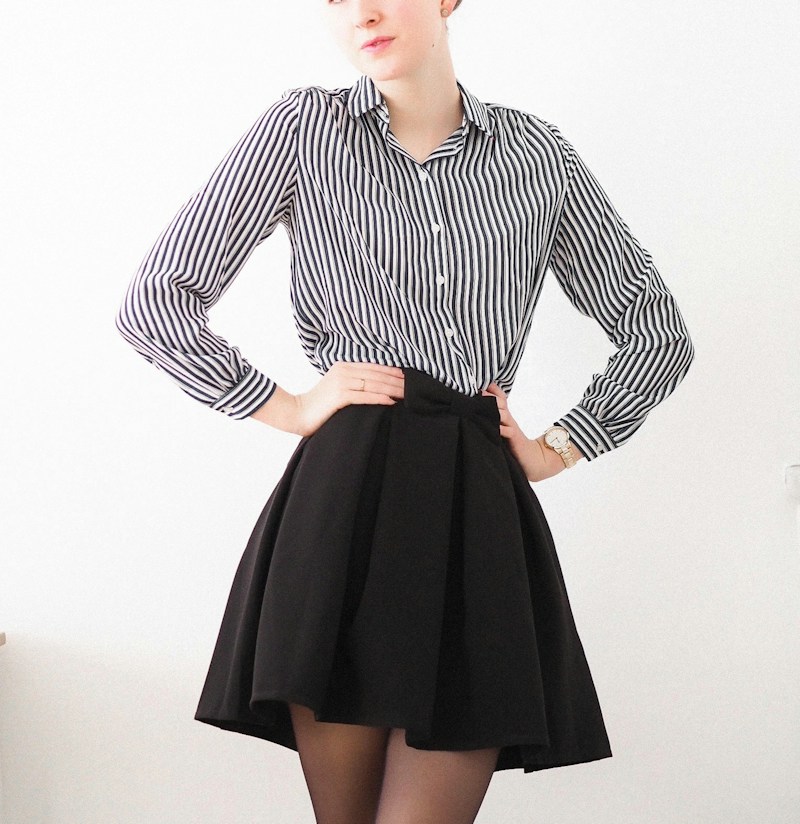
The real test of any wardrobe investment is how many occasions a single piece can cover, and here the brown skirt performs exceptionally. Take one midi skirt in a warm mid-brown as your starting point and watch how far it stretches. On a Monday in the office, pair it with a fine-gauge cream knit tucked at the waist and loafers for a look that is professional without being dull. On Tuesday, swap the knit for a white poplin shirt and add a slim belt for a crisper, more formal register. Wednesday calls for a denim or chambray shirt left slightly open at the collar and white sneakers, moving the same skirt into smart-casual territory. Thursday, layer a silk camisole under a tailored blazer and choose heeled ankle boots for an outfit that carries easily from desk to dinner. Friday, tuck an oversized graphic-free sweatshirt at the front, add chunky boots and a crossbody bag, and the skirt becomes weekend-ready. Over the weekend itself, a cropped cardigan and ballet flats keep the mood soft and relaxed, while a leather jacket and biker boots transform the identical skirt into something with a harder edge. The reason this works so smoothly is that brown is a chameleon neutral: it borrows the mood of whatever it is matched with rather than imposing one of its own. This is precisely why a capsule built around one well-chosen brown skirt can replace the frantic morning search for something to wear. If you want to extend the idea, our guide to why the brown dress is the most underrated neutral explores how the same logic applies across an entire wardrobe, showing how tonal thinking quietly reduces the number of decisions you have to make while improving the outfit you land on. A single skirt, chosen thoughtfully and worn across textures and occasions, quietly becomes the most efficient piece you own.
The Mistake Worth Avoiding
Almost every styling problem with a brown skirt traces back to one root cause: treating it as a safe filler rather than a deliberate choice. When brown is worn as an afterthought — thrown on with whatever grey or black pieces happen to be nearest — it can indeed look flat and uninspired. The remedy is intention. Decide in advance which shade zone your skirt belongs to, and build the outfit around reinforcing or contrasting that tone on purpose. Match the texture to the mood: smooth with chunky, matte with shiny, structured with fluid. Keep the palette to two or three colours rather than five, because brown’s strength is its calm and that calm is easily lost in clutter. Pay attention to the light where you dress: browns shift dramatically between warm indoor bulbs and cool daylight, so a skirt that looks mud-coloured in the bedroom mirror may look gorgeous by a window or outdoors. And resist the impulse to add a second bold element — a patterned scarf, a loud handbag, statement jewellery — on top of a brown skirt that is already doing the talking. The women whose brown-skirt outfits always look polished tend to follow the same quiet rules: a clean silhouette, a considered colour pairing, and a single point of interest, whether that is a texture, a hemline, or a well-chosen boot. Follow those rules and the brown skirt rewards you with something rare in fashion: a piece that looks expensive, feels comfortable, and works for almost every day of the week.
Brown has spent long enough in the shadow of black and navy, and this autumn the tables have turned in its favour. A well-chosen brown skirt delivers the grounding power of a dark neutral with a warmth that is far more flattering, more versatile, and more contemporary. It pairs with the clothes already hanging in your wardrobe, it adapts from office hours to weekend plans, and it carries a quiet confidence that loud trends rarely achieve. Whether you choose a soft camel wool midi for cold mornings, a chocolate leather mini for evenings, or a corduroy A-line for casual days, the investment is small and the returns are daily. The key is to treat the purchase as a decision rather than a default: pick the shade that brightens your complexion, insist on a cut that moves comfortably when you sit, walk, and climb stairs, and build your outfits around contrast and texture instead of accumulating more colour. Do that, and a single brown skirt will settle into your rotation so naturally that you will wonder how you ever dressed for autumn without one. Choose your shade deliberately, style it with contrast and texture, and let one considered brown skirt do more for your autumn dressing than a dozen impulse buys ever could.