

Most of what we buy is for the world, and a much smaller part is for ourselves. A satin nightdress sits firmly in that second, quieter category. It is the piece nobody sees but you, the one that changes the temperature of an ordinary Tuesday evening from utilitarian to intentional, and it does all of this without a single audience. I came to the satin nightdress slowly, after years of treating sleepwear as an afterthought — an old T-shirt, a pair of cotton shorts, whatever was clean. Then autumn arrived, the evenings got longer and cooler, and I bought one satin nightdress almost on a whim. Within two weeks the whole drawer had been reorganised around it, and the reason was not glamour for its own sake. It was that a satin nightdress makes the last hour of the day feel like something you chose rather than something that happened to you. That small shift in feeling turns out to be worth far more than the price of the fabric.
A satin nightdress is easy to describe and surprisingly easy to get wrong, which is why it deserves more thought than most women give it. It is a nightdress — a loose, sleeveless or lightly structured garment worn to sleep or to relax at home — made from a satin weave rather than a plain or knitted fabric. That single word, satin, carries almost all of the pleasure and almost all of the pitfalls. Satin is not a fibre; it is a way of weaving thread so that the surface is dominated by floating strands, and it is that structure that produces the glossy face, the liquid drape, and the cool, slippery touch that people mean when they say something feels expensive. Below I have gathered what I have learned about why a satin nightdress is worth owning, where the shape came from, how the weave behaves on the body, how to choose one that suits your own frame, how to wear it beyond the bedroom, and how to care for it so it keeps its sheen for years rather than a single season.

Why a Satin Nightdress Earned a Permanent Place in My Evening Drawer
The first reason a satin nightdress stays is comfort, though not the kind most of us expect. Cotton is breathable and honest, but a satin nightdress is smooth in a way that no knitted fabric can imitate, and that smoothness changes how it feels to move against the sheets. Because the weave is flat and slightly cool, a satin nightdress slides over the skin rather than dragging on it, so you turn over at three in the morning without the small friction that wakes a light sleeper. In autumn, when the air is dry and static builds up in everything, satin behaves differently again: because its surface is so even, it catches far less lint and clings to the body less than many synthetic knits, and a good quality version keeps a cool, neutral temperature that suits the shoulder seasons. Comfort, in other words, is not only about warmth; it is about the texture of the hours you spend resting, and a satin nightdress improves that texture more than any trend-driven purchase I have made.
The second reason is psychological, and I have stopped pretending it does not matter. Getting dressed is a signal we send ourselves, and a satin nightdress sends a very different signal from a stretched-out shirt. When I put one on, the day has an ending; I am not half-working in bed, I am not still wearing the clothes I wore to the shops, and the transition between doing and resting becomes visible and complete. That sounds like a small thing until you notice how often a bad evening is really a failure to mark that boundary. A satin nightdress does the marking for you, gently and without effort. It is also, quietly, one of the few garments a woman buys purely for her own enjoyment — not for an office, not for a partner, not for a photograph — and I think that is exactly why it feels so disproportionately good. You are dressing for the version of yourself that exists when nobody is watching, and that version deserves nice things too.
What a Satin Nightdress Actually Is — and How It Differs from Silk
The most common confusion around the satin nightdress is the belief that satin and silk are the same thing. They are not, and the difference matters when you are deciding what to buy. Silk is a natural protein fibre produced by silkworms; satin is a weave structure that can be made from silk, polyester, viscose, acetate, cotton, or almost anything else. A garment can therefore be silk and satin at once — a silk satin nightdress is the luxurious version — or it can be satin but not silk, which is the practical, affordable version. As the entry on satin in Wikipedia explains, the defining feature is the weave: threads pass over several others before going under, so the face of the cloth is mostly warp or weft floats and almost no interlacement shows. That is why satin looks smooth and reflects light evenly, and why it drapes in continuous folds rather than breaking into a matte, grainy surface the way cotton or linen does.
A satin nightdress made from polyester satin is not a compromise you should feel bad about. Modern polyester satin can be soft, gently lustrous, wrinkle-resistant, inexpensive, and easy to wash, which makes it an excellent entry point if you are not yet sure how much use you will get from the piece. A silk satin nightdress, by contrast, is cooler, more breathable, and more subtly luminous, and it ages in a way polyester cannot — but it also costs several times more, wants careful washing, and shows every splash and pull. Viscose and acetate satins sit between the two: they drape beautifully and feel closer to silk than polyester does, though acetate can be the most delicate of the group. In practice, the honest advice is that the cut and the weight of the fabric matter more than the fibre name on the tag. A well-cut polyester satin nightdress looks better than a badly cut silk one, and the place where cheap satin betrays itself is almost always the finishing rather than the fibre itself.
A Short History: How the Nightdress Took the Shape We Know
Sleepwear has always been a record of how a society thought about comfort, modesty, and leisure, and the nightdress is one of the clearest examples. Its direct ancestor is the chemise, the simple, loose undergarment that European women wore closest to the body for centuries; the nightdress is essentially the chemise freed from its duty to be hidden and allowed to become a garment in its own right. As the overview of nightwear on Wikipedia describes, nightclothes developed from plain linen shifts into a recognisable category of their own as homes grew warmer, bathing became routine, and the idea of private leisure time took hold. The nightdress we picture today — long, soft, often sleeveless, often trimmed with lace — is the product of that slow domestic evolution rather than of any single designer’s flash of inspiration.
The satin nightdress specifically arrives later, when the satin weave left its association with formal court clothing and entered the home. For most of its history satin was a luxury fabric used for the most ceremonial garments a wardrobe contained, and it was far too precious for sleeping. As manufacturing spread through the nineteenth and twentieth centuries, satin became cheaper and more available, and it migrated from the ballroom to the boudoir. By the mid-twentieth century, cinema had made the glossy slip and the satin nightdress a shorthand for elegance and private glamour, and that association never really left. What is interesting is that the modern return of the satin nightdress is not nostalgic at all. It is driven by a much more contemporary idea: that everyday life deserves considered objects, that the things you use most often should be the things you like most, and that a garment does not need an audience to be worth choosing carefully. The satin nightdress fits that idea perfectly, because it is used every night, seen only by you, and still capable of making a room feel more finished.
How Satin Falls on the Body: The Science of Sheen and Drape
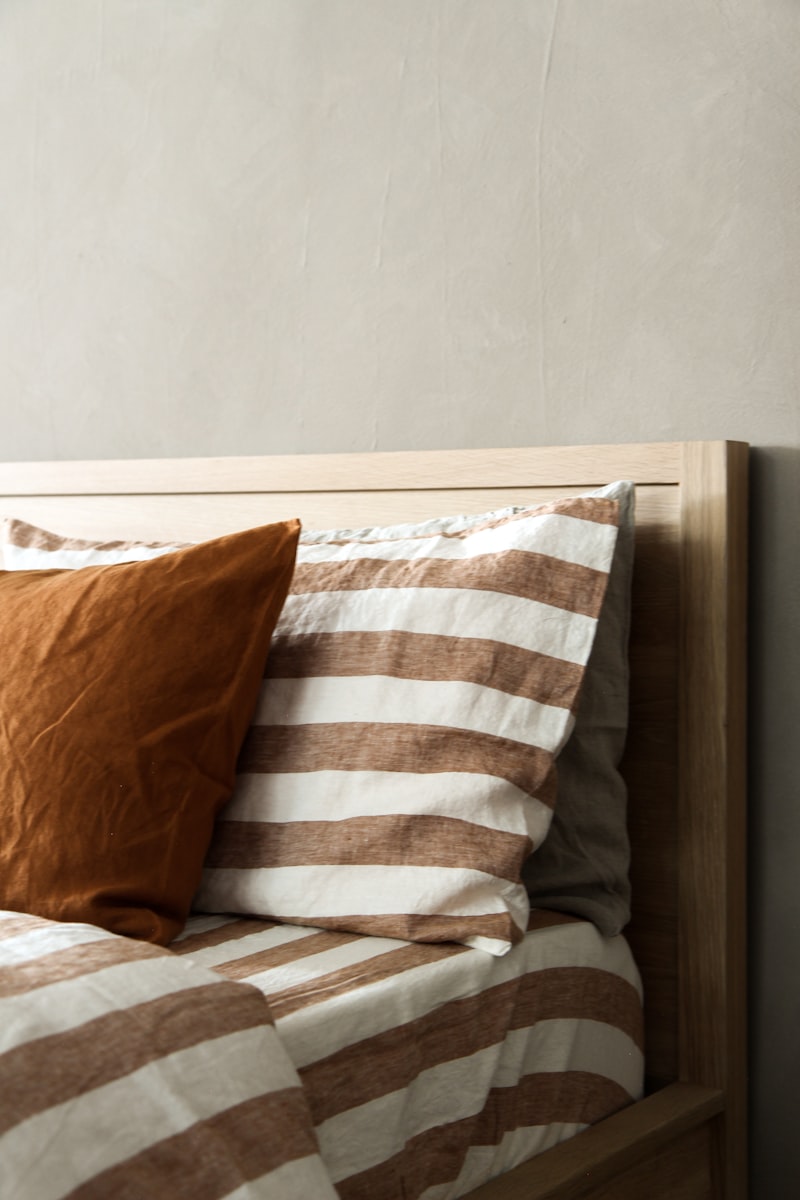
Everything that makes a satin nightdress feel special comes from two properties of the weave: sheen and drape, and both are structural rather than cosmetic. Sheen exists because the floating threads at the surface of a satin weave are unusually smooth and aligned, and smooth surfaces reflect light in a more ordered way than rough ones do. The result is that the fabric appears to glow from within, catching light in soft bands and shifting as you move. This is also why satin is unforgiving of creases: a sharp fold breaks that alignment, and the light suddenly shows the break. Drape, meanwhile, comes from the weight and flexibility of the cloth. A satin weave with enough weight will hang in long, even folds that fall straight to the floor without standing away from the body, and that clean vertical fall is what the eye reads as elegance. A satin nightdress that hangs well therefore looks calm and deliberate from across a room, even though the mechanism is nothing more than physics.
On the body, those two properties combine into a genuinely flattering effect. Because satin reflects light, it softens the transitions between lit and shadowed areas of the body, which is why a fluid satin nightdress tends to look gentler and less revealing than a matte fabric of the same colour at the same length. Because it drapes rather than grips, it skims over the body without pulling, so it does not create the small tension lines that make a fitted knit feel unforgiving. That combination — reflection that smooths and drape that flatters — is the reason satin has been used for the most flattering garments in fashion history, from bias-cut evening gowns to the nightdress. And because a satin nightdress is loose and unstructured by design, the fabric is free to fall in its natural line, which is exactly the condition under which satin looks best. A satin nightdress does not need to be tight to be beautiful; if anything, the opposite is true, and the best ones are cut with enough ease for the cloth to do the work.
Choosing Your Satin Nightdress: Length, Cut, and Fit
A satin nightdress is chosen almost entirely on three axes: length, cut, and the way the fabric sits over the shoulder. On length, the honest guide is that a midi-length satin nightdress — finishing anywhere from just below the knee to mid-calf — is the most versatile for most women, because it is long enough to feel enveloping without tangling around the legs in bed. A long, floor-grazing satin nightdress reads as more dramatic and is wonderful for lounging and for warm climates, but it can be a nuisance if you move a lot at night. A short satin nightdress is cooler and easier to wear in summer, but check the hem against your own proportions rather than buying for a model’s height. The single most practical piece of advice is to try the length lying down as well as standing up: a hem that looks elegant upright can bunch at the hip once you are in bed, and only you can judge where the sweet spot lies.
On cut, satin nightdresses divide into a few broad families. The classic bias-cut slip, cut on the diagonal so the cloth falls in liquid folds, is the most flattering and the most elegant, though it shows the shape of the body more than some women want for sleeping. A straight-cut or A-line satin nightdress is easier and more forgiving, hanging away from the body in a clean column or a gentle flare, and it is usually the better choice if you want to sleep in it as well as relax in it. A lace-trimmed satin nightdress adds a prettier finish around the neckline or hem without changing the basic silouhette. On the shoulder, wide straps distribute the weight of the fabric and stay put, spaghetti straps feel lighter and more delicate but can slip, and a camisole-style neckline with adjustable straps is the most practical compromise. Fit, finally, should be loose enough to turn over freely but not so loose that the fabric floats and loses its line; a satin nightdress should hang, not billow. Get these three things right and a modest satin nightdress will out-perform an expensive one chosen badly.

Styling a Satin Nightdress for Bed, Brunch, and Everything Between
The most useful thing to understand about a satin nightdress is that it does not have to stay in bed. The same quality that makes it beautiful at night — a smooth, fluid, lightly luminous surface — is exactly what makes it work as the base layer of an outfit by day, and this dual life is a large part of why the piece is such good value. To take a satin nightdress out of the bedroom, treat it like a slip dress and build around it. Throw a chunky knit sweater over the top, add opaque tights and a pair of ankle boots, and the nightdress becomes a soft, elegant autumn dress that nobody will read as sleepwear. Layer a tailored blazer or a longline cardigan over the top and knot a belt at the waist, and the same garment turns into something you could wear to a relaxed dinner. The satin nightdress is unusually generous in this role because its surface is neutral: it absorbs whatever you put over it and rarely fights with print or texture.
For home rather than out, the satin nightdress becomes the centre of a small ritual rather than an item of clothing. A silk robe over a satin nightdress is the classic pairing, and the two satin surfaces catch light together in a way that makes even a small bedroom feel considered. Add a pair of soft slippers, keep a lightweight throw at the end of the bed, and the evening has a shape to it — a physical, comfortable shape that costs very little and that most of us deny ourselves for no good reason. If you want these ideas in finished form, from a satin-trimmed lace camisole nightdress to a long fluid column that works equally well under a coat, you can browse the satin nightdress styles and match one to your own proportions. The principle throughout is restraint: let the satin nightdress be the single smooth, glowing element in the look, and keep everything layered over it soft and simple, so the smoothness reads as intention rather than noise.
Caring for a Satin Nightdress So It Stays Beautiful for Years
Satin is a fabric that rewards a little attention and punishes neglect more visibly than almost any other, so caring for a satin nightdress is largely a matter of doing less, more carefully. Wash it inside out, in cold water, on the gentlest cycle, with a mild detergent intended for delicates, and never put a satin nightdress in a hot dryer: heat dulls the sheen, sets creases permanently, and can shrink or distort the weave. In fact the best habit is to wash far less often than you might think necessary. Because a satin nightdress is worn against clean skin and for only part of the night, airing it on a hanger overnight removes nearly all freshness problems, and a targeted spot-clean deals with anything more, so a full machine wash is rarely needed. When you do clean a mark, always test the product on an inside seam first, because the same smooth surface that makes the fabric beautiful will show water rings and residue instantly.
Storage and pressing protect the drape just as much as washing does. Hang a satin nightdress by the shoulders on a padded hanger rather than folding it over a rail, so no sharp crease forms across the glossy face, and keep it out of long, direct light so the colour stays deep and even. Press it on the reverse side through a pressing cloth, or better still use a fabric steamer, which is gentler on any glossy finish and is usually the only tool the fabric needs. Static is the quiet enemy of satin in cool, dry weather, so a light spritz of anti-static spray or a quick pass of a dryer sheet along the inside will stop it clinging. Keep a lint roller nearby and store the piece so nothing heavy rests on top of it. Looked after this way, a single good satin nightdress will hold its sheen, its weight, and its drape for several seasons — which is the whole argument for buying one well in the first place rather than replacing a cheap one every year.
What to Look for When You Buy: A Satin Nightdress Checklist
When you finally buy, a short checklist will save you from the two mistakes that ruin most satin nightdress purchases: buying on fibre name alone, and buying a beautiful fabric in a careless cut. Start with the hand-feel. Hold the fabric up and let it fall: a good satin nightdress drops and settles in clean, even folds, while a poor one flutters stiffly or clings to itself and to your hands. Then look at the seams and the finishing, because this is where inexpensive satin always reveals itself. French seams, a clean bias binding at the armhole, neatly finished strap ends, and a hem that lies flat are the marks of a satin nightdress made by someone who understood the fabric; raw edges, puckered stitching, and a hem that ripples are the marks of one that was rushed. A quick tug at a strap and a look at the inside of the neckline will tell you more than the price tag ever will.
Next, check the weight and the transparency. Hold the fabric up to a window: a satin nightdress that is see-through in daylight will be see-through in lamplight too, which may be exactly what you want or the opposite, and either way you should know before you buy. A slightly heavier satin drapes better and shows fewer lumps and bumps, while an ultra-light satin is cooler but more revealing and more likely to cling. Finally, think about the colour and the upkeep honestly. Deep jewel tones, charcoal, and soft champagne look the most expensive on satin, while pure white and pale pastels are beautiful but show every mark and demand real care. If you want one satin nightdress to do everything, choose a mid-weight satin with a little structure in the shoulder, a midi length, and a muted tone you genuinely love. Bought that way, the satin nightdress is not a small indulgence or a seasonal whim — it is the one quiet luxury you will reach for every single night, and the last hour of the day will feel better for it.