

There is a certain kind of garment that does not ask for attention so much as command it, and for me that garment is the mermaid skirt. I came to it late and suspicious of anything that promised drama, and I bought my first one only because a wedding dress code left me no quiet option. What I expected was a costume; what I found was a silhouette that did something no straight skirt had ever done for me. A skirt cut this way draws one clean, deliberate line from waist to knee and then lets the fabric break free below, so the lower half of the body appears to move on its own. It is not simply longer or fancier than the others in my closet — it is structured like a small piece of architecture, built to change the proportions of the person wearing it, and once I understood that, I stopped treating it as occasion-only and started seeing it as one of the most useful shapes a wardrobe can hold when it is chosen honestly.
Over the next sections I want to give you a working guide rather than a trend piece. I will explain what the mermaid silhouette actually is and where the fishtail cut came from, why its sculpted outline flatters the body more decisively than a plain column or a full A-line, how to choose the fabric, rise and hem length that suit both your shape and the occasion, how to style one mermaid skirt for a formal evening, for the office and for travel, what the market and search data reveal about demand for statement skirts, and how to care for a mermaid skirt so that its line and its finish survive more than a single season. By the end I want you to be able to buy one with genuine confidence — knowing which version will flatter you, what it will do for the rest of your closet, and how it will behave after the third wearing rather than only the first.
Why the Mermaid Skirt Commands a Room
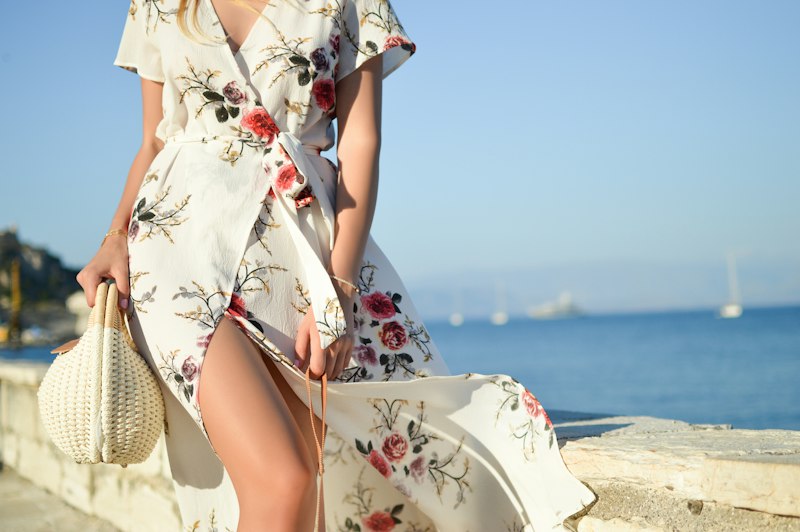
The first reason the mermaid skirt works is proportion, and it is worth being precise about how. Most skirts either stay close to the body all the way down, like a pencil or column, or open from the waist, like an A-line or a circle. The mermaid skirt does neither. It hugs from the waist through the hips and thighs, stays fitted until roughly the knee or just below it, and only then releases into a flare that widens toward the ground. That single decision — fitted above, flared below — creates an hourglass where there was a straight plane, and it does so with fabric rather than with shapewear or a belt. The eye reads the fitted upper section as a slim, controlled column and the lower flare as movement, so the wearer looks both elongated and poised at once.
The second reason is presence, and presence is a rarer thing than beauty. A mermaid skirt has a visible construction: you can see where the line breaks, where the seam releases, where the fabric begins to travel. Because that structure is legible, the garment reads as considered rather than bought off a rack at random, and people respond to that kind of intent. It is why a mermaid skirt almost never blends into a crowd the way a plain midi does, and why it keeps working in photographs, at dinners, on stage, in any setting where being noticed is part of the point. The trick, I have learned, is to let the skirt carry that weight and keep everything else quiet — the skirt is already the statement, and it does not need a competitor.
The third reason is range, which surprises most people who assume a fishtail hem belongs only at black-tie events. In a heavier, matte fabric with a modest flare and a floor-skimming length, the mermaid skirt is quietly formal and survives a work dinner or a winter wedding without looking theatrical. In a lighter cloth with a shorter, softer flare, the same silhouette becomes a genuinely wearable evening skirt for a restaurant or a party, sitting easily under a knit or an oversized blazer. And in a knit or a jersey with an easy elastic waist, a softened version of the mermaid line even crosses into daytime. The silhouette is dramatic by nature, but its formality is set almost entirely by the fabric and the flare — which means one shape can serve several lives.
What the Mermaid Silhouette Really Is: Fit, Flare and Fishtail
To choose well, it helps to name the parts, because the mermaid skirt is a family of shapes rather than one fixed garment. At the top is the fitted bodice section, which usually runs from waist to knee and controls the line; in between sits the transition, where the fabric narrows to its tightest point and then begins to widen; and at the bottom is the flare or train, the portion that determines how much the hem opens and how far it trails. The tighter and longer the fitted section, the sharper the hourglass; the earlier and wider the flare, the softer and more playful the effect. Nothing here is accidental. As the reference material on the skirt describes, hemline and silhouette have always been the primary language of skirt design, and the mermaid is simply one of its most extreme and most deliberate sentences.
It also helps to separate the mermaid from its close relatives, because the words get used loosely. The trumpet skirt flares from roughly mid-thigh, so the curve is gentle and the silhouette reads as elegant rather than extreme; the true fishtail or mermaid flares lower, often below the knee, and angles out in a sharper, more architectural shape that can carry a small train. The two are cousins, not twins, and the difference matters when you are shopping: if you want drama and a long line, you want the lower, sharper flare; if you want a flattering, wearable version for repeat occasions, the trumpet’s earlier break will usually serve you better, because it is easier to walk and sit in and it reads as refined rather than costumed when the fabric is quiet.
Historically the shape is far older than the evening gown it is associated with today. Fitted-then-flared skirts appear across centuries of dress — in the long court and ceremonial skirts of Europe, in the trailing silhouettes of nineteenth-century formal wear, and in the theatrical costumes of the twentieth century stage, where the fish-tail silhouette was used precisely because it reads across a room. The modern mermaid skirt is the meeting point of that heritage and the stretch fabrics that arrived in the late twentieth century, which finally made a close-fitting, low-breaking flare comfortable enough to wear for a whole evening. That combination of old line and new cloth is why the mermaid skirt feels simultaneously timeless and contemporary, and why it keeps returning to red carpets and wedding aisles generation after generation.

Why the Sculpted Line Flatters More Than a Straight Skirt
The mermaid skirt flatters first because of where it is close and where it is not. By hugging the waist and hips and then opening lower down, it places emphasis on the narrowest part of the torso and disguises the part many people read first — the widest area of the hip and thigh — inside a controlled, vertical line rather than letting it stand out. The flare below the knee then adds width only at the very bottom, where it reads as movement and glamour rather than heaviness, and it visually lengthens the leg by continuing the line to the floor. A straight pencil skirt does the opposite: it holds the same width from hip to hem, so any widening shows wherever it occurs. That is why the same person so often looks leaner in a mermaid skirt than in a fitted column of equal length.
The second flattering mechanism is the diagonal, and it is easy to underestimate. Because the mermaid skirt moves from narrow to wide in one continuous curve, it introduces a soft diagonal through the lower half of the outfit, and diagonal lines are read by the eye as motion and energy rather than mass. That curve also draws attention upward, toward the waist and the break of the flare, which means a viewer’s gaze travels down the fitted section instead of stopping at the hem. In practice this makes the mermaid silhouette unusually forgiving of height: on a shorter frame a well-placed flare can create a strong vertical and an impression of longer legs, while on a taller frame it softens what might otherwise feel like too much length into an elegant, controlled sweep.
Fabric choice multiplies or tempers all of it, so it is not a cosmetic detail. A structured cloth such as satin, crepe, brocade or a heavier knit holds the fitted section firmly and keeps the flare crisp, which maximises the sculpted effect; a fluid fabric such as jersey or a light matte silk softens the whole line, making the mermaid skirt feel more like a graceful fall of cloth than a rigid shell. Neither is better. Structured fabrics give definition and are the safer choice for formal occasions, while fluid fabrics give ease and are the friendlier choice for long dinners or travel, where comfort matters as much as shape. Matching the hand of the fabric to the effect you actually want — sharper or softer — is the difference between a skirt that sculpts you well and one that merely looks like effort.
Choosing a Mermaid Skirt: Fabric, Rise and Train
The first decision is fabric, because it decides whether the silhouette reads as polished or as heavy. Look for a cloth with enough body to hold a fitted knee without wrinkling across the front, but enough give or bias to let you walk. Satin and crepe are the classic formal choices; a wool blend or a heavier knit gives you the same shape in an autumn or winter version; a stretch jersey is the most forgiving and the easiest to wear repeatedly. What matters most is the recovery of the fabric: press it gently and see that it springs back rather than creasing permanently, because a mermaid skirt is only as good as its narrowest point, and a cloth that collapses at the knee will look tired long before the hem does.
The second decision is rise and waist construction, which decides how comfortable the fitted section will be across an evening. A high waist elongates the leg and pairs beautifully with the mermaid line, but it must sit smoothly; a mid-rise is often easier to wear for longer, especially through a seated dinner. Check the waistband or the hidden zip and make sure the top edge lies flat rather than digging or rippling, and look for a little stretch or a back panel if you plan to eat, sit and move in it. If the skirt has a train or an extreme flare, an inner lining and a small slit or vent at the back are not decorative details — they are what allow you to walk, to climb stairs and to sit without the fabric fighting you, and a well-made mermaid skirt always includes them.
The third decision is flare depth and length, and here honesty about the occasion pays off. A shallow flare that opens just below the knee is the most versatile and the most forgiving for a first mermaid skirt: it flatters without restricting, and it survives a full evening on your feet. A deeper, sharper fishtail with a sweep train is the more dramatic choice and belongs at events where being photographed is expected and standing and sitting are limited. Choose a length against the shoes you will actually wear, remembering that a fishtail hem hides the shoe and therefore works best with a heel or a slim boot; if you want a version you can walk in for hours, let the flare start a little earlier and the hem finish just at the floor. If you are drawn to an even more flowing equivalent, a satin fishtail skirt shows how the same idea behaves in a lighter, softer cloth.
Styling a Mermaid Skirt for Evening, Work and Everyday
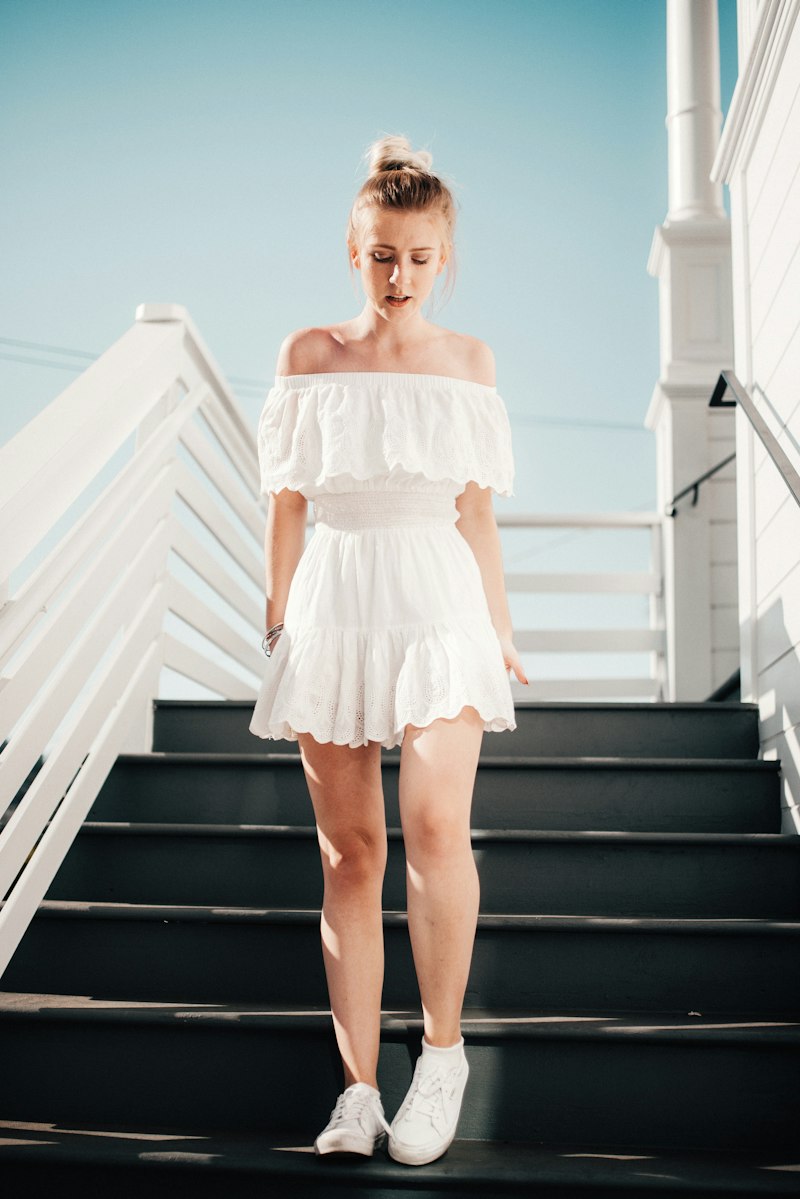
For a formal evening, let the skirt be the only star and treat everything else as support. A simple, well-cut top in a tone drawn from the skirt — a plain silk camisole, a fitted knit, a crisp shirt tucked in — keeps the focus on the line, and a slim heel continues the vertical the hem has started. Keep jewellery minimal and let the fabric speak: with a structured mermaid skirt, a single pair of earrings and a clutch is usually enough, because the silhouette is already doing the work that a necklace would otherwise do. The one thing I avoid is a flared or peplum top, which competes with the flare below and muddies the hourglass the skirt is trying to create. Smooth above, sculpted below is the principle that makes the whole outfit read as deliberate rather than busy.
For the office or a day event, a mermaid skirt becomes surprisingly professional when you lower its contrast. Choose a matte, mid-weight fabric in a dark neutral, pair it with a tucked shirt or a fine roll-neck, and keep the flare shallow so you can walk, sit and take stairs without thinking about it. A structured blazer over the top, left open, adds a clean vertical and turns the skirt into a tailored-adjacent piece rather than an evening one. In this register the mermaid skirt is really a much more flattering cousin of the pencil skirt, giving you the same single-column line through the hips but with a softer, more mobile hem — which is exactly why it works when a pencil skirt would feel too rigid for a long day.
For travel and relaxed days, use a knit or jersey version and treat the mermaid line as a comfort shape rather than a formal one. A jersey mermaid skirt with an easy elastic waist packs without creasing, sits well on a long flight, and pairs with a simple tee, a light sweater and flat sandals for an outfit that looks assembled without being fussy. Because the silhouette is naturally eye-catching, a soft, easy mermaid skirt can carry a very plain top and still look intentional, which is quietly useful when you are living out of a suitcase and want to look put-together with almost nothing. One shape, worn three ways, is the real argument for owning a mermaid skirt: it is not a single-occasion purchase, it is a proportion tool you can dress up or down at will.
What the Fashion and Search Data Says About Statement Skirts
It is easy to dismiss a dramatic skirt as a matter of personal taste, but the demand behind sculpted and occasion-led silhouettes is documented, and the pattern is consistent. Apparel market data compiled by Statista has repeatedly shown that women’s dresses and skirts remain among the most resilient categories in global fashion retail, growing steadily even when more novel segments cool, and that shopper interest clusters around silhouettes with a clear, recognisable shape rather than around generic basics. What that means in practice is that a skirt stops competing on price the moment it offers a distinct line — and a mermaid skirt is one of the most distinct lines a wardrobe can offer, which is why it holds its perceived value far longer than a plain straight skirt of the same quality.
The mechanism behind the numbers is behavioural rather than aesthetic. A shopper who needs a garment for one specific, high-stakes moment — a wedding, a gala, a milestone dinner — will pay more for it and will search for it longer, and the mermaid skirt is exactly the kind of piece that moment calls for. That is why searches for statement and occasion skirts spike around the calendar’s formal seasons and stay elevated through them, and why retailers keep a mermaid or fishtail option in steady rotation even when simpler hemlines dominate everyday sales. The silhouette is not a mass staple; it is a deliberate purchase, and deliberate purchases are the ones that stay in a collection for years rather than being discarded when the season turns.
There is a cultural layer underneath that the data quietly reflects. Fashion writers have long noted that silhouettes rooted in real dressmaking craft tend to move in and out of fashion less violently than purely decorative trends, because they are tied to structure and skill rather than to a single season’s mood. As BBC Culture and other commentators have observed, the shapes that endure are the ones that solve a genuine problem of proportion or occasion, and the mermaid skirt solves both: it changes how the body reads, and it answers the recurring human need for something to wear to an important night. That is why it keeps surfacing in formal edits long after louder novelties have disappeared, and why people who own one tend to describe it as a keeper rather than a phase.
Caring for a Mermaid Skirt So It Keeps Its Line
A mermaid skirt is only as good as its narrowest point, so looking after the fitted section is the whole job. Wash it as rarely and as gently as the fabric allows, turning it inside out and using cold water and a delicate cycle; heat is the enemy of every material you would make this skirt from, because it shrinks structured cloth, dulls satin’s sheen and stretches a knit out of shape at exactly the spot that must stay fitted. Avoid the dryer entirely and dry the skirt flat or hung in the shade, and never wring the flare, which is where the fabric is most exposed and most easily distorted. Spot-clean marks where you can and air the skirt between wears, and it will hold both its colour and its line far longer than one laundered after every outing.
Ironing and pressing need the same restraint. If the fabric is a structured one, press from the inside on a low setting and use a cloth between the iron and the goods, working along the seam of the flare rather than dragging across it; if it is satin, steam it from a distance rather than pressing it flat, because direct heat can leave a permanent glaze. Hang the skirt by its waistband on a padded hanger so the weight of the flare does not pull the fitted section out of shape, and store it with enough room that the lower panels are not crushed against other clothes. A mermaid skirt that is stored folded at the narrow point will develop a crease exactly where you need it smooth, so hanging really is the better habit here.
The last piece of care is the one people forget: check the hem and the vent, because a mermaid skirt spends its life close to the ground and to the shoe. Inspect the bottom edge and the back slit after each wearing for pulled threads or a hem that has begun to drop, and deal with them early, before the flare distorts and the whole silhouette loses its shape. Keep the skirt away from rough surfaces and open zips, and give it time to breathe between wears so any stretch at the knee can recover. Treat the shape as the fine piece of construction it is, and the mermaid skirt will reward you for years — because what you are really buying is not a seasonal garment but a proportion, and a good proportion, looked after well, never goes out of style.