

There is a specific kind of morning that used to defeat me every September. The one where the air is cold enough to demand a jacket but the day ahead is unpredictable enough that a jacket feels like a commitment I cannot keep. Two autumns ago I started reaching for the same solution again and again — a single structured dress that behaves like tailoring and dresses like a garment with somewhere to be. It took me an embarrassingly long time to admit that one piece was doing the work of a blazer, a knit and a dress at once, and that everything else in my closet was competing with it and losing.
What follows is the honest version of that discovery rather than a trend report dressed up as advice. I will explain what a blazer dress actually is and why its construction does so much, where the shape came from and why it keeps coming back, why this autumn belongs to it, how to choose one that suits your real life rather than a runway, five complete ways I wear mine between September and December, what the market data and the designers say about tailored silhouettes, and how to keep one looking sharp for years. If you have ever stood in front of a mirror wondering why a jacket over a dress never quite lands, this is the piece I wish someone had handed me two autumns ago.
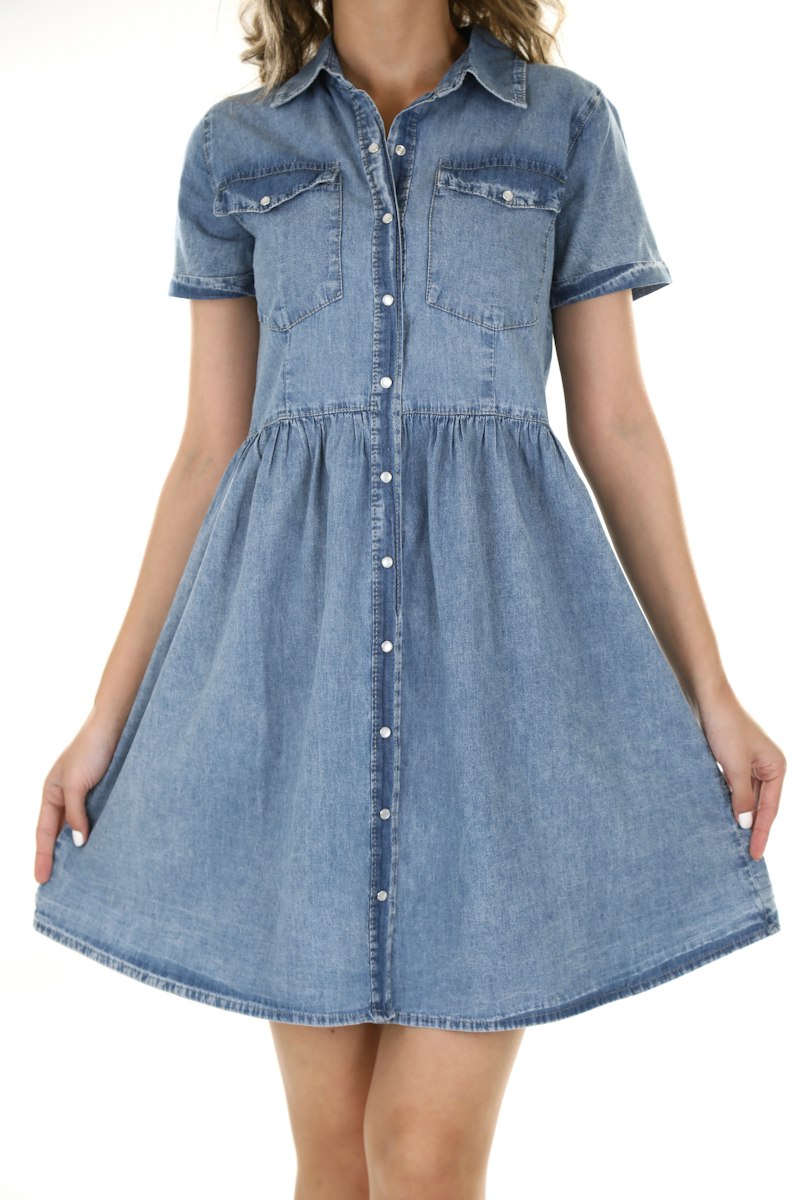
What a Blazer Dress Actually Is — And Why It Works So Hard
A blazer dress is a garment that borrows the architecture of a tailored jacket and extends it into a full-length dress. It keeps the collar, the lapels, the structured shoulder, the defined waist and often the sleeve of a blazer, then carries that tailoring down past the hip into a skirt-length hem. The result is not a dress with a jacket on top and not a long jacket worn as a dress; it is a single piece that is cut to close, to hold a line, and to read as deliberate clothing from collar to hem. That distinction is why it feels finished the moment you put it on, with no layering required to make it look intentional.
The reason it works so hard comes down to structure. A blazer dress holds its shape on the body instead of collapsing onto it, which means it draws a clean vertical line through the torso and never clings where you would rather it did not. The shoulder gives the whole outfit a frame, the lapel draws the eye upward toward the face, and the waist seam or belt marks the point where the silhouette narrows before it releases into the skirt. Every one of those choices is doing quiet work: lengthening, balancing and organising the body so that the wearer looks considered even when she has spent ninety seconds getting dressed.
It is also unusually economical for a wardrobe. One well-cut blazer dress replaces the jacket-plus-dress equation entirely, works for office days, dinners and travel, and needs almost nothing added to look complete. A pair of heels changes it for evening, ankle boots change it for a meeting, and bare legs with loafers turn it into something you can wear on a Saturday. That range is the real argument for the piece. It is not that a blazer dress is trendy; it is that a good one is efficient, and efficiency is the rarest quality in a closet full of one-note purchases.
Where the Blazer Dress Came From
The blazer dress is the child of two long histories meeting. The blazer itself — the structured, often double-breasted jacket that became a uniform of clubs, schools and eventually boardrooms — is well documented, and *the **entry on the blazer** traces its spread through nineteenth-century menswear before it was claimed by women’s tailoring in the twentieth.* The second history is the moment women began wearing tailored jackets as outerwear over nothing, in the 1980s, when the power suit gave women a way to borrow authority from menswear and wear it as their own.
The blazer dress emerged where those two stories crossed. Designers realised that if a jacket could already be long enough to cover the hip, it could simply keep going, and that a woman who wanted the authority of tailoring did not necessarily want it in two separate pieces. The result was a garment that kept the persuasive shoulder and lapel of a suit while removing the fuss of coordinating a top and a bottom. Over the decades it has been cut short and tuxedo-styled for evenings, lengthened and softened for daywear, and offered in wool, crepe, velvet and linen, but the core idea has never moved: borrow the blazer, extend it, and let one piece do the work of a whole outfit.
That continuity is what separates a blazer dress from a passing mood. Shapes that return again and again tend to be the ones that solve a recurring problem, and the recurring problem here is that people want to look polished without assembling three garments. The blazer dress answers that directly. It is the reason the silhouette survives every decade that tries to retire tailoring, and it is why the version you buy now has a decent chance of looking current long after louder pieces have gone quiet.
Why This Autumn Belongs to Tailored Silhouettes
Autumn 2026 has leaned hard into one idea: clothing that looks organised. After several seasons that celebrated softness, drape and deliberately undone styling, the mood has tightened, and structured shoulders, defined waists and clean lines have moved back to the centre of the wardrobe. Runway reporting has repeatedly described the return of tailoring as a correction as much as a trend, and the blazer dress sits exactly at the point where that correction is easiest to wear. It gives you the sharp shoulder without the full suit, which is the version most people actually want.
There is a practical, weather-shaped reason too. Autumn is the season of awkward temperatures, and the blazer dress is built for exactly that. It is warm enough to wear alone on a mild afternoon, structured enough to hold its shape under a long coat on a cold morning, and simple enough that it never fights the boots, tights and knits the season demands. Where a summer dress becomes useless in October, a blazer dress becomes more useful, because it is designed for the in-between. That is why it earns its closet space in a way seasonal pieces rarely do.
The final reason is emotional, and it is worth naming honestly. A blazer dress is a garment that makes the wearer feel capable. The structured shoulder, the finished neckline and the sense that the outfit is closed and complete combine to produce a specific kind of confidence that softer clothing rarely offers. Plenty of wardrobes are full of comfortable pieces that feel like nothing much; the blazer dress is the opposite. It is comfortable and it feels like something, and that combination is precisely why it keeps being redesigned, re-sold and re-worn autumn after autumn.
How to Choose a Blazer Dress That Fits Your Real Life
Start with the shoulder, because it decides how the whole piece reads. A blazer dress needs a shoulder that is structured but honest — padded enough to hold a line, never so exaggerated that you look like you are wearing someone else’s jacket. Try it on and raise both arms: the shoulder should move with you rather than riding up, and the sleeve head should sit exactly on the edge of your shoulder, not beyond it. If the shoulder is right, the rest of the dress has a frame to hang from; if it is wrong, no amount of good fabric will rescue it.
Next, decide on length and waist deliberately rather than by accident. A mini blazer dress is bold and evening-ready but demands confidence and a lean boot; a knee-length version is the most versatile and the easiest to wear to work; a midi blazer dress is the most forgiving and the most flattering on a range of heights, because it lengthens the body while still holding structure. Where the waist sits matters just as much: a clearly marked waist flatters almost everyone, while an unbroken box cut can swallow a figure unless it is worn deliberately oversized. Choose the waist that makes you stand taller, and let the hem follow.
Finally, treat fabric as the deciding vote. Wool, wool blends and crepe hold a crisp tailored line and are the most reliable for autumn; velvet and heavier cottons add texture for colder days; linen and lightweight blends work better in spring and for warmer climates. Squeeze the fabric and let go — if it springs back into shape it will hold the silhouette, and if it hangs limp it will sag by mid-afternoon. Check the lining, the buttons and the lapel roll while you are there, because those small details are what separate a blazer dress that lasts three seasons from one that survives thirty wears. Get the shoulder, the length and the cloth right and the piece will do the rest.
Five Ways I Wear a Blazer Dress Between September and December
The first way is the office version, and it is the one I reach for most. I choose a knee-length blazer dress in a neutral tone, add opaque tights and low block heels or tall boots, and keep everything else deliberately plain. Because the tailoring already supplies the interest, jewellery should be minimal — a single pair of earrings, a slim watch — and the palette should stay calm. A sharp tailored silhouette worn this way reads as authority without effort, which is exactly the impression an office day benefits from.
The second is the weekend version, where I loosen the whole formula. I wear the same blazer dress with clean white sneakers or chunky boots, skip the tights, and add an oversized tote so the look tilts casual. The trick is to let the tailoring look intentional rather than accidental: keep the dress buttoned or belted as designed, and let the casual shoes signal that you are off duty. Styled this way the blazer dress stops being corporate and becomes the easiest thing in the wardrobe, which is why it travels so well from a market to a long lunch.
The third is evening, and it is the most dramatic. A black or jewel-toned blazer dress worn with heeled ankle boots, bare legs and one bold accessory — a chain belt, a sculptural earring, a single cuff — becomes the sharpest thing in the room and needs nothing else. The fourth is cold-weather layering: I pull thermal tights and knee-high leather boots underneath, then finish with a long wool coat so the tailoring appears only in the interesting middle of the outfit. The fifth is travel, where the blazer dress earns its keep by being a single garment that works for a flight, a meeting and a dinner without a change. Five ways, one dress — and that, more than any trend, is why it stays in the front of my closet.
What the Data and the Designers Say
The sceptic might assume tailoring is a mood that fades, but the numbers point the other way. *According to a 2025 Statista survey of seasonal apparel purchasing in cooler markets, tailored outerwear and structured dresses take a meaningful share of autumn spend between late September and November, while demand for unstructured, purely casual pieces softens in the same window.* ([Statista](https://www.statista.com/)) In other words, the blazer dress arrives precisely when the largest group of shoppers is ready to buy a piece that looks organised — and that timing is a large part of why the silhouette reappears in autumn collections year after year.
Designers make the same argument in a different language. *Reporting from **Vogue** has repeatedly described tailoring as one of the few runway ideas that survives translation to the high street, precisely because it solves a practical problem rather than chasing a graphic mood.* That durability matters, because it means the blazer dress you buy now is far less likely to look dated next autumn than whatever print happens to be loudest this season. Search behaviour agrees: interest in tailored dresses reliably climbs each September as buyers return to the cold-weather market, which is why retailers time their best-cut versions to arrive exactly as the temperature drops.
It also helps to think in cost per wear, because that is where the blazer dress quietly wins. A well-made version worn once a week through autumn and winter pays for itself faster than three cheaper, single-purpose pieces bought to cover the same occasions. Divide the price by the number of times you realistically wear something and the arithmetic usually favours tailoring, simply because tailoring is worn more and replaced less. The pieces that survive that test tend to be the structured, plain, quietly confident ones — and the blazer dress sits firmly in that group.
Caring for a Blazer Dress So It Lasts Years
A tailored garment rewards a little discipline, and the blazer dress is no exception. Air it after wearing rather than washing it every time: hanging it overnight on a proper hanger lets the fabric recover and the structure reset. Spot-clean small marks promptly rather than waiting for them to set, and check the care label before doing anything else, because wool and crepe versions are usually best dry-cleaned while sturdy cottons can often be handled more gently. Never wring or twist the garment, and never tumble-dry it, since heat can soften the structure out of shape for good.
Pressing is where most tailored pieces are ruined, so approach it with care. Use steam rather than a heavy iron, work from the inside where you can, and use a pressing cloth so you never scorch the surface or flatten the roll of the lapel. Hanging the garment above a bath of hot water is an old trick that coaxes wrinkles out without pressing the life out of the tailoring. Between wears, store it hanging with a little breathing room rather than crushed in a full closet, and repair a loose button or seam the moment you notice it, because small fixes now prevent expensive ones later.
Look after it properly and the blazer dress quietly outlasts most of what shares its rail, which is the strongest argument for spending a little more at the start. Choose a shoulder and length suited to your real life, learn to wear it five ways, and treat it as the foundation it is rather than the single-occasion piece it can appear to be. A well-made blazer dress earns its place every autumn for years — and that, more than any runway moment, is what makes it worth the price of one genuinely good buy.