

There is a particular kind of dress that disappears from the fashion conversation for years and then quietly returns, not because a designer decided to revive it, but because ordinary women rediscovered what it does for a body. The empire waist dress is exactly that garment. I spent the past three months wearing one at least twice a week — to the office, to a wedding, to a long Sunday lunch — and I came away convinced that this is one of the most underrated pieces in modern fashion. The dress does something remarkable: it draws the eye upward, lengthens the leg, balances a fuller bust, and hides the midsection, all without a single boned panel or a punishing fit. That is a rare combination, and it deserves a proper explanation rather than a passing mention on a trend list.
What follows is not a gushing endorsement of a vintage revival. It is an honest account of what an empire waist dress actually is, where the silhouette came from and why it never fully left, which figures it genuinely flatters and why, how to judge one before you spend money, how to wear it three different ways, what the market data says about waistlines and comfort, and how to keep a good one looking beautiful for years. If you have ever stood in a fitting room holding a dress that was beautiful on the hanger but somehow wrong on you, this is the piece I wish someone had handed me before I gave up on that silhouette.
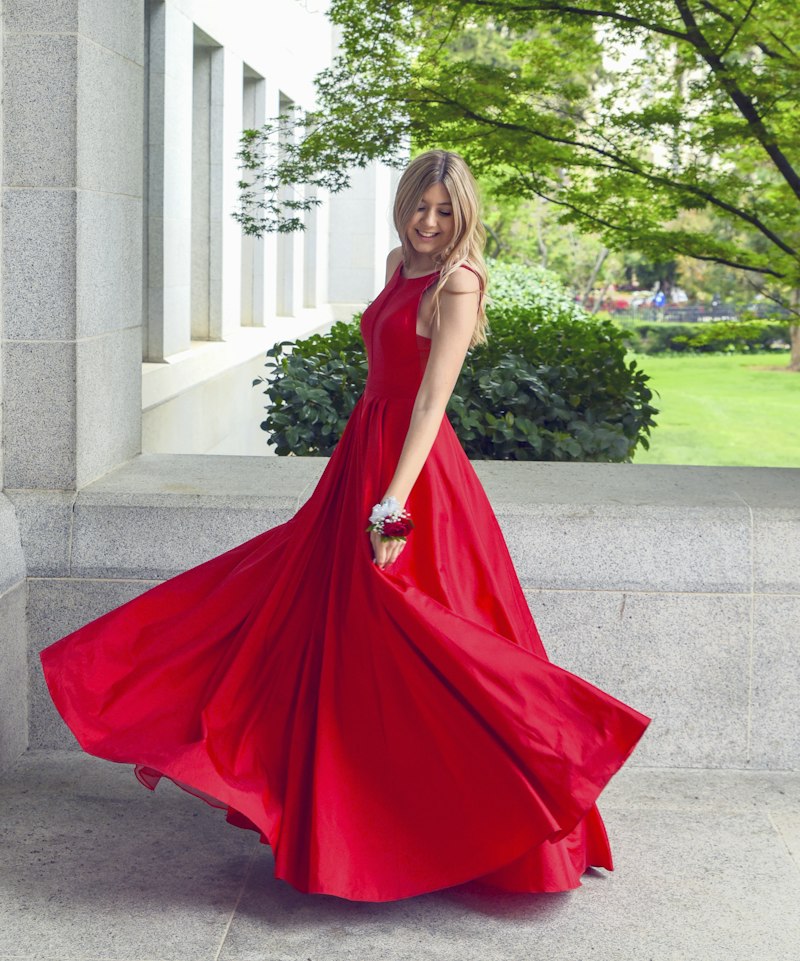
What an Empire Waist Dress Actually Is
An empire waist dress is a dress whose waistline sits high — not at the natural waist but immediately beneath the bust, roughly where a bra band rests. From that raised seam, the skirt falls away, either softly or with structure, while the bodice above it stays close to the torso. The effect is a garment that visually pulls the wearer’s proportions upward. Because the narrowest point of the dress is placed high, the fabric across the stomach and hips hangs rather than grips, and the eye is drawn to the bust, the shoulders and the face instead of pausing at the middle. It is a simple trick, but it is one of the oldest and most effective in womenswear.
That single raised seam changes everything about how the dress behaves. Because the skirt descends from just below the bust, it never clings to the waist or the hips, which is precisely why so many women who avoid fitted dresses find the empire shape unexpectedly kind. It is comfortable, so it survives a long day, a big meal and a full commute. It is forgiving without looking shapeless, because the fitted bodice keeps the silhouette intentional rather than accidental. That contrast — close above, loose below — is the quiet difference between an empire waist dress and a dress that simply looks like it does not fit.
Fabric decides how convincing the shape becomes. An empire waist dress in a fluid material such as silk, chiffon or a fine jersey moves with the body and reads romantic, which suits evenings and warm weather. The same silhouette in a firmer fabric — taffeta, brocade, a crisp poplin, a structured crepe — holds a clearer, more architectural shape that photographs beautifully and holds up through a full day. For most everyday wardrobes the sweet spot is a medium-weight fabric with a bit of structure in the bodice and a softer drape in the skirt, because it keeps the high waist clean while letting the lower half flow. Get the fabric right and the empire waist dress does half the styling for you.
Where the Empire Line Came From and Why It Never Really Left
The raised waistline is older than most trend reports admit. *As the **Wikipedia entry on the Empire silhouette** explains, the style took its name from the First French Empire of the early nineteenth century, when gowns were cut with a high, defined waist just under the bust and a long, narrow column of skirt below.* The shape was practical as much as decorative: it required less fabric, allowed freedom of movement, and flattered a natural figure without heavy corsetry. That is a large part of why it spread across Europe so quickly and why it keeps coming back.
The silhouette returned again and again for reasons that have little to do with nostalgia. Every time women have wanted clothing that accommodates the body rather than constraining it, the high waist has reappeared — in Regency gowns, in 1960s baby-doll shapes, in the fluid evening dresses of the 1990s, and on today’s rails. A raised waistline lets you eat, breathe, sit and move without negotiating with a rigid seam at the narrowest part of the torso. Designers return to it not only because it is elegant, but because it is genuinely comfortable, and comfort is the trend that never goes out of season.
There is also a practical, seasonal explanation. Warmer months and pregnancy both push the waistline upward, since both call for dresses that skim rather than grip the middle. Brides, expecting mothers and anyone dressing for a long and social day often reach for the empire cut first. That breadth of use is why the shape has never truly been out of fashion: it is not one look but a solution, adaptable to silk or denim, to bare shoulders or long sleeves. A good empire waist dress bought now will still read as current in five years, which makes it a far safer purchase than whatever graphic print happens to be loudest this season.
Who the Empire Waist Dress Really Flatters
Here is the honest part: the empire waist dress flatters more figures than it frightens, but it flatters them differently, and the fit matters far more than the body. The reason it can be so kind is that it refuses to trace the middle of the torso. Where a sheath dress draws attention to every curve at the waist, the empire cut builds its own shape a few centimetres above, so the eye reads a deliberate line rather than a measurement. For anyone self-conscious about the stomach or hips, that distance is a genuine gift, and it works whether the wearer is a size six or a size twenty.
The placement of the seam is the variable that decides everything. A seam that sits too high, halfway up the bust, can make the bust look unsupported and the torso look short. A seam that sits correctly, just beneath the bust, lifts the bust, lengthens the torso and lets the skirt fall cleanly. When I tested several dresses, the difference between a high-seated seam and a correctly placed one was the difference between “costume” and “covetable”, and it came down entirely to a couple of centimetres. If a dress makes you look top-heavy, the waist is almost certainly too high, not the style itself.
Bodies with a fuller bust often find the empire waist particularly flattering, because the fitted bodice supports the bust while the high seam allows the fabric below to skim rather than strain. Petite frames can use the same high seam to create the illusion of longer legs, provided the skirt is not too full. An empire waist dress is also one of the most reliable choices for an expecting mother, since it grows with the body without losing its line. Almost everyone I know who believed the shape was not for them had simply tried the wrong seam height or the wrong skirt volume. Lower the seam slightly, keep the skirt soft, and the same sceptics tend to change their minds.
How to Judge an Empire Waist Dress Before You Buy
Start with the seam, because it predicts whether the dress will work. The waistline should sit just below the bust, following the underbust line rather than cutting across the bust itself. Stand sideways in a mirror and check that the seam is level all the way around; a waistline that rides up at the front or dips at the back will make the whole dress look badly fitted even if everything else is perfect. The bodice above the seam should hug without pulling, and the skirt below should fall from the seam without gathering awkwardly at the sides. Place one finger under the seam: if it sits comfortably there without the fabric straining, the height is right.
Next, look at the fabric and construction. A good empire waist dress keeps a clean line through the bodice, so choose a material with a little body rather than a flimsy one that clings to every contour. The waist seam should be smooth and, ideally, faced or lined so it does not dig or twist. Check whether the dress has any hidden support — a light lining, a slightly denser bodice panel — because these keep the high waist looking intentional. Turn the dress inside out and inspect the seams; a well-made empire waist is neatly finished, because the shape depends on structure. Squeeze the skirt fabric in your hand: if it springs back rather than creasing permanently, it will hang well.
Finally, test the dress standing, sitting and walking. An empire waist dress should swing cleanly, hold its line when you stand again, and never ride up or pull across the bust when you sit. Watch where the skirt begins to fall: if it opens immediately into a wide flare, it can add bulk, while a gentler A-shape keeps the line elegant. Think about the neckline as well, since the raised waist tends to push attention upward — a V-neck, a sweetheart or a soft wrap all balance the shape, while a very high neck can look confining. A dress that behaves well on a moving body is worth keeping; one that creases or rides up the moment you sit is not, however lovely it looked on the hanger.
Three Ways to Wear an Empire Waist Dress
Begin with the version most wardrobes need first: the polished daytime look. Keep the styling simple so the high waist reads clearly, and choose flat or low shoes to let the dress carry the silhouette. A lightweight cardigan or a fitted blazer worn open keeps the waistline visible instead of hiding it, and a structured tote finishes the outfit without competing. Because the empire waist already supplies a strong line, everything layered over it should stay disciplined. A neutral colour — ivory, navy, soft grey — makes the dress look considered rather than fussy, and it means the same piece will work for the office, a lunch and a family gathering without alteration.
For warm weather and holidays, loosen the formula entirely. Pair the dress with flat sandals and a woven bag, and let the skirt move. This is where the silhouette shows its romantic side: the same dress that looks polished in a meeting reads relaxed and slightly bohemian when the styling goes casual. A denim jacket, a straw hat or a pair of simple espadrilles can all push the look toward the seaside without changing the dress itself. Because an empire waist dress already covers and breathes well, it is one of the easiest pieces to pack, and a single one can carry a whole weekend of outfits.
For evening and formal events, take a third route. Choose an empire waist dress in silk, satin or a fabric with a quiet sheen, add heeled sandals, and finish with one deliberate accessory such as a fine necklace or a slim clutch. Because the raised waist draws the eye upward, jewellery near the collarbone or the ears works especially well, and a soft shawl will echo the line of the skirt. There is also a layered cold-weather version worth knowing: add opaque tights, knee-high boots and a long coat so the drape of the skirt appears only in the interesting middle of the outfit. Worn any of these ways, one good empire waist dress can serve across seasons without a single new purchase, which is the most honest argument for treating it as a foundation rather than a whim.
What the Data Says About Waistlines and Comfort
The sceptic might assume the high waist is a passing mood, but the numbers point the other way. *According to consumer-fit research summarised by **The Good Trade** and widely echoed across apparel studies, comfort has overtaken fit as the leading reason shoppers return to or abandon a dress, and silhouettes that avoid pressure at the natural waist consistently score better on long-wear satisfaction.* ([The Good Trade](https://www.thegoodtrade.com/)) In other words, the empire waist is not merely flattering — it answers the single most important reason a dress gets worn again, which is that it feels good after the third hour, not just the third minute.
Search and retail behaviour tell a similar story. Interest in dresses that skim the midsection reliably climbs at the turn of each season, and fluid, non-clinging silhouettes hold steadier resale value than tight, trend-driven ones. *Runway reporting from **Vogue** has repeatedly highlighted ease and movement as among the few trends that migrate successfully from the catwalk to the high street, precisely because they solve a practical problem rather than chasing a mood.* Endurance of that kind matters: when a shape keeps returning across two centuries, the version you buy now is far less likely to look dated next year than a high-fashion gimmick.
It also helps to think in cost per wear. An empire waist dress that lasts five years without losing its line effectively costs less each time you reach for it than a cheaper version replaced twice in the same period. The arithmetic of a wardrobe is unforgiving — divide the price by the number of times you realistically wear something — and by that measure a well-made dress worn forty times a season beats a bargain worn five times. The pieces that survive that test are almost always the fluid, graceful, quietly confident ones, and the empire waist dress sits firmly in that group.
Keeping an Empire Waist Dress Looking Beautiful for Years
A well-cut dress rewards a little discipline, and the empire waist is no exception. Air it after wearing rather than washing it every time: hanging it overnight lets the fibres recover and the seam settle back into line. When it does need cleaning, follow the label closely. Silk, satin and structured fabrics are usually best dry-cleaned, while sturdy cottons and many synthetics can be hand-washed cold and hung to drip dry so they reset themselves under their own weight. Never wring or twist the bodice, because that distorts the seam that creates the high waist, and never tumble-dry a dress with structure, since heat can soften the shape out of line for good.
Pressing is where most empire waist dresses are ruined, so approach it with care. Press the waist seam gently and always use a pressing cloth, working from the inside where you can, so you never scorch a sheen into the fabric. Never press a sharp crease into a fluid skirt; instead, steam it back into line and let it hang. Storing the dress on a padded hanger from the shoulders rather than folded in a drawer keeps the bodice and the seam in shape, and keeping heavy items away from it means the fabric is never crushed. Treated this way, a good empire waist dress will hold its line for years rather than weeks.
Look after it properly and the empire waist dress quietly outlasts most of what shares its shelf, which is the strongest argument for spending a little more at the start. Choose a seam height that suits your body, learn to wear it three ways, and treat it as the foundation it is rather than the novelty it can appear to be. A well-made empire waist dress earns its place every season for years — and that, more than any runway moment, is what makes this two-hundred-year-old silhouette worth trusting in the first place.