

Somewhere between the haste of a city morning and the slow light of an October afternoon, I started reaching for a different kind of dress. Not the sharp tailored one, not the sequinned one I save for parties, but a soft, gathered, faintly old-fashioned thing with puffed sleeves and a meadow print, the sort of garment that looks as though it was made for reading on a windowsill rather than rushing for a train. I did not set out to build a wardrobe around a mood. It happened because the cottagecore dress, once I let one into my closet, turned out to solve more of my real-life dressing problems than almost anything else I owned — it forgives a rushed morning, it flatters without demanding shapewear, and it makes an ordinary Tuesday feel a little kinder.
This piece is the result of a full season of testing that claim. I want to explain what cottagecore actually means as a fashion idea rather than a fleeting TikTok tag, why the cottagecore dress has returned so strongly this autumn, which silhouettes and fabrics define it, how to wear one without drifting into costume, what the sales and search data say about our appetite for slow, nostalgic dressing, how to choose the right cut for your frame, and how to keep the piece looking lovely for years. I will also point you toward a related read already living on the site — a curated edit of cottagecore midi dresses — because the mood is easier to understand once you see the pieces side by side.
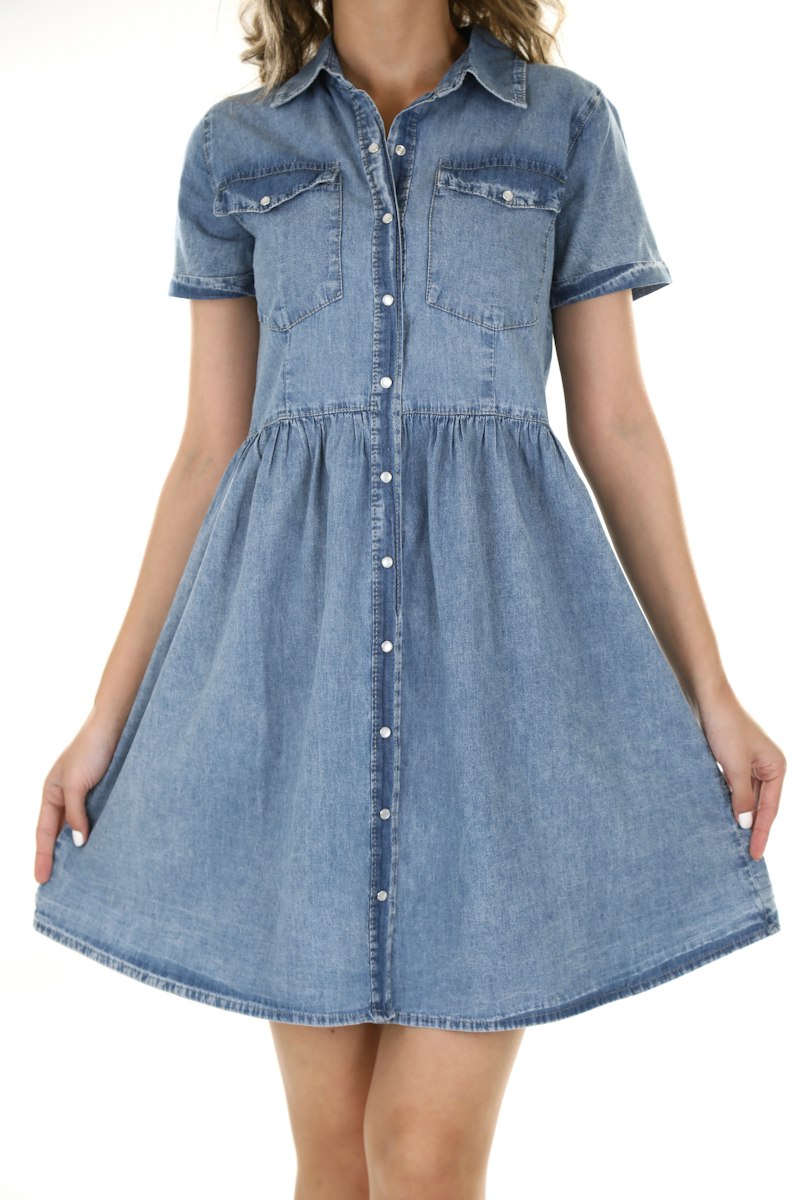
What Cottagecore Actually Means as a Fashion Idea
Cottagecore is best understood as an aesthetic rather than a garment, and that distinction matters when you shop. It imagines an unhurried rural life — baking bread, tending a small garden, walking a lane in the countryside — and it dresses that daydream in soft natural fabrics, gentle floral and gingham prints, aprons, pinafores, puffed sleeves and full, gathered skirts. The cottagecore dress is simply the most wearable expression of that idea: a single garment that carries the whole mood, so you do not need a thatched cottage or a herb garden to take part in it. Where a trend often demands a specific item, an aesthetic like this offers a set of feelings — calm, warmth, craft, softness — that you can adopt in a single purchase.
The term itself is young, but the longing behind it is old. *As the **reference entry on cottagecore** explains, the word emerged online in the late 2010s to describe a style and subculture that romanticises an idealised rural, pastoral life, gathering together earlier ideas of craft, nostalgia and a gentle withdrawal from a fast, digital world.* That origin tells you why the cottagecore dress has such pull: it is not really about clothes at all. It is about a texture of life — slower, softer, more handmade — and clothing is simply the quickest way to wear that feeling on the outside where you can see it. When I put one on, the mood arrives before the mirror has finished its work.
It also helps to separate cottagecore from a purely historical costume. The aesthetic borrows from the past — from the aprons, smocks and printed cotton frocks of rural Europe — but it is not trying to reconstruct any single decade. A modern cottagecore dress is a hybrid: it takes a romantic, gathered shape and renders it in a comfortable, machine-washable cloth with contemporary details like pockets, hidden zips and adaptable straps. That pragmatism is precisely why it works in real life rather than only in photographs. The romance is the point, but the practicality is what keeps the dress coming back into rotation long after the novelty of a trend has worn off, which is a rare and genuinely useful combination in a modern wardrobe.
Why the Cottagecore Dress Returned This Autumn
Every few years the fashion mood swings away from the sharp and the synthetic toward the soft and the handmade, and this autumn the swing has been unusually decisive. After a long run of body-hugging, high-shine, nightlife-driven dressing, the appetite moved toward comfort you can recognise and fabric you can trust. The cottagecore dress sits exactly at that intersection: it is gentle on the body, it hides what a tight dress reveals, and it reads as comfort rather than effort. When shoppers grow tired of dressing for photographs, they reach for pieces that work for an ordinary day, and a gathered, printed, softly built dress is the quiet answer they land on again and again.
There is a nostalgic pull at work too, one that deepens as the days shorten. *Writing for **BBC** about the rise of nostalgic, “cosy” dressing, fashion journalists have repeatedly observed that when the wider world feels fast and uncertain, wardrobes tend to turn toward warmth, familiarity and a sense of shelter — the very qualities a soft rural aesthetic supplies in abundance.* Autumn is the season when that instinct is strongest, because the light turns golden, the temperature drops and the idea of a warm, gathered dress with a cardigan over the top simply feels correct. The cottagecore dress answers the emotional weather of the season as much as the meteorological one.
Practicality keeps it in the wardrobe once the first feeling fades. A cottagecore dress layers under almost anything — a chunky knit, a quilted jacket, a long coat, a wool scarf — so it stretches across a whole autumn and well into winter without needing to be replaced. Its prints hide everyday marks, its gathered waist forgives a large lunch, and its sleeves make it warm enough for a cool evening without an extra layer. Those small efficiencies are what turn a romantic-looking dress into a genuine workhorse, and they are why this particular silhouette keeps returning in the collections year after year rather than vanishing when the mood moves on. In a wardrobe built on real mornings, that quiet practicality is worth more than any headline trend.
The Silhouettes That Define a Cottagecore Dress
The cottagecore dress lives or dies by its shape, and there are a handful of reliable silhouettes that carry the mood. The first is the smocked or shirred dress, whose elasticated bodice gathers the fabric into soft, forgiving lines and stretches to fit without a zip — the most comfortable version of the style and the easiest to wear across a range of sizes. The second is the pinafore, an apron-like shape worn over a simple blouse or knit, which is the most literal translation of the rural idea and the most charming when layered. Both shapes share the same instinct: to gather rather than grip, to let the body breathe, and to keep the person clearly at ease inside the garment.
Then come the sleeves, which do more than anything else to set the cottagecore tone. Puffed, bishop and gently gathered sleeves are the signature move — they soften the shoulder, frame the upper arm and give the whole dress a romantic, slightly old-fashioned line. Pair them with a sweetheart or high neckline and you have the essence of the look. Also central to a cottagecore dress is the skirt: full, gathered, tiered or gently flared, landing anywhere from knee to floor, and often finished with a deep hem or a ruffle that catches the wind. The skirt supplies the movement that makes the style feel alive, and it is the part of the dress most worth getting right.
Finally, the details separate a considered cottagecore dress from a random floral frock. Look for functional pockets, tie or ribbon fastenings, delicate buttons, lace or broderie-anglaise trims, and prints drawn from a real garden rather than a graphic studio — small repeating flowers, gingham, speckled dots, soft botanicals. A defined or drawstring waist keeps the full skirt from swallowing the figure, while a slightly cropped or fitted bodice balances the volume below. None of these elements is expensive on its own, but together they signal a genuine commitment to the aesthetic rather than a quick copy, and they are the reasons one cottagecore dress can look quietly beautiful while another, superficially similar, looks like a costume. Read the details before you read the price.
Fabrics That Make a Cottagecore Dress Feel Authentic
The fabric decides whether a cottagecore dress feels like a gentle everyday garment or a fancy-dress costume, and the guiding principle is simple: choose cloth that could plausibly have been woven in a village workshop. Cotton, in all its honest forms, is the natural heart of the style — crisp poplin, soft voile, breathable lawn and sturdy quilting all belong here, and each gives the print and the gather the right amount of body. Linen is the other great cottagecore fabric, especially in a blend that softens the crease; its visible slub and matte surface make even a brand-new dress look like it has lived a little, which is exactly the effect the aesthetic is after.
Beyond those two anchors, a handful of warmer fabrics carry the cottagecore dress into autumn and winter. Cotton flannel and brushed cotton give the style a cosy, fireside quality, while a fine needlecord or a soft corduroy adds texture and warmth without losing the gentle line. A light wool or wool-blend works beautifully in a pinafore or a long-sleeved smocked dress, and a soft Viyella or flannel-backed cloth keeps the body warm on a cold morning. The one thing to resist is a hard, high-shine synthetic that fights the mood: satin and heavy polyester can make a romantic shape look cheap and theatrical, because their surface refuses the softness the style depends on. Touch the cloth before you trust the photograph.
Weight and print scale matter as much as fibre. A print that is too large or too bold quickly turns romantic into loud, so choose prints that repeat gently and read as a colour from a distance rather than a picture up close. A fabric with some substance holds the gathered shape and keeps the skirt hanging cleanly, while a thin, flimsy cloth collapses at the waist and loses the silhouette within a single wear. When you can, choose a cottagecore dress with a little body to it — enough that it keeps its shape on the hanger and does not go shapeless the moment you sit down. Match the weight to the season you intend to wear it in, and the dress will reward you for years.
How to Wear a Cottagecore Dress in Real Life
Start with the everyday version, because it is the one you will use most. Take a smocked or shirred cottagecore dress in a soft floral or gingham print and layer a plain cream or oatmeal cardigan over the top, then finish with leather ankle boots or simple canvas shoes. Keep the palette close to nature — cream, oatmeal, sage, soft brown — and let the print do the talking while everything else stays calm. Add a woven or leather shoulder bag and you have an outfit that reads deliberate rather than fancy, and that works for the office, a coffee with a friend or a long walk on a cool afternoon without changing a single thing. This is the version that quietly becomes a uniform.
For a softer, more romantic effect, lean fully into the aesthetic rather than fighting it. Wear the cottagecore dress with a fine-knit cardigan buttoned only at the top, a braided belt at the waist to define the gathers, and a pair of soft leather boots or Mary Janes. Add a lightweight scarf in a muted botanical print if the day is cool. To keep the look grounded rather than theatrical, choose one piece of jewellery and stop there — a simple gold pendant, a thin chain, a vintage watch. The trick with a romantic dress is restraint: when the dress is already full of detail, the styling should add silence, not more noise, and the outfit will feel considered rather than fussy.
For the coldest days, treat the cottagecore dress as a base layer rather than the whole story. Pull a chunky knit or a fitted turtleneck over or under it, add thick tights in a warm neutral, then finish with a long wool coat and ankle boots. A pinafore version works especially well here, worn over a striped or plain long-sleeve top, because the layering is built into the shape. Finish with a soft beanie and a crossbody bag, and the same dress that felt summery in September carries you through a grey November morning without missing a beat. Worn these three ways, one well-chosen cottagecore dress can cover most of an autumn week, which is the strongest argument for keeping one permanently in rotation.
What the Data Says About Slow, Nostalgic Dressing
The sceptic may dismiss cottagecore as a passing internet mood, but the numbers tell a more durable story. *According to consumer and apparel research compiled by **Statista**, comfort and versatility consistently rank among the top reasons shoppers say they rewear a garment, ahead of how trend-led it happens to be.* In plain terms, the dress we return to again and again is rarely the loudest one; it is the one that made the morning easy in the third week of wearing it, and a soft, gathered, forgiving dress is built to do exactly that. That is why the cottagecore dress survives longer than the trend cycle that produced it.
Retail and search reporting points the same way. *Style desks that track seasonal buying, including coverage carried by **BBC**, have repeatedly observed that pieces which sell through across multiple seasons tend to be the quiet, tactile, easy-to-pair ones, while the loudest novelties fade within a year.* A trend built on a genuine emotional need — here, the wish for calm and comfort — tends to outlast one built on novelty alone. That endurance matters to your wallet too, because a dress that stays in favour next autumn is far better value than something defined by a single season’s headline.
It also pays to think in cost per wear. A well-made cottagecore dress worn through a whole autumn costs less each time you put it on than a cheaper dress bought and discarded within the same year. The arithmetic of a wardrobe is unforgiving — divide the price by the number of times you realistically reach for something — and by that measure a soft, printed dress worn three times a week comfortably beats a fast-fashion bargain worn twice a month. The pieces that survive that test are almost always the warm, versatile, quietly confident ones, and the cottagecore dress sits firmly in that group. Buy one that fits, wear it on repeat, and watch how quickly it earns its keep.
Choosing the Right Cottagecore Dress for Your Frame
Almost anyone can wear the cottagecore dress, provided the cut respects the figure, and the style is unusually forgiving while you work that out. If you are petite, choose a fitted or slightly cropped bodice with a defined waist and a hem that lands at or just above the knee, so the volume of the skirt does not shorten the leg. A smocked bodice is your friend here, because it hugs without a zip and lets you adjust the length of the torso. Add a small heel or a pointed ankle boot and the proportions snap into place. The goal is to keep the waist visible and the bloom of the skirt controlled, so the silhouette reads intentional rather than overwhelmed.
If you are tall or want a stronger line, a floor-length or midi cottagecore dress with a full, tiered skirt will hang beautifully and give you the flow the style is known for — but keep the waist defined with a drawstring, a belt or a fitted seam so the dress does not turn into a shapeless tent. If your figure is fuller, choose a heavier cloth with a touch of stretch and a defined or elasticated waist, so the body of the fabric holds a line rather than flattening the body inside it. For apple shapes, an empire or raised waist just under the bust lengthens the whole figure; for pear shapes, a full skirt balanced by a detailed or slightly puffed shoulder shifts attention upward and evens out the silhouette.
The single detail that matters most, in every case, is the waist. A cottagecore dress with a tidy, level waist does more for a silhouette than any amount of clever styling, because it sets the proportion of the whole look in one line and stops the gathering above and the volume below from merging. Length is the second decision worth taking slowly: a mini can look fresh and modern, a midi is the most versatile and the most classic, and a floor-length version is the most romantic. Match the cut and the length to the season and to how you actually spend your days, because a dress that only works in photographs will always lose to one that works on an ordinary morning — and it is the ordinary mornings that make a garment worth owning.
Keeping a Cottagecore Dress Looking Lovely for Years
A cottagecore dress rewards a little discipline, and it punishes carelessness quickly, especially in cotton, linen and flannel. Air the dress overnight instead of washing it after every wear, because natural fibres hold freshness far better than most people assume, and repeated washing quietly wears down the softness and the print that make the cloth worth owning. Brush the fabric lightly after wearing to lift dust and settle the nap, and hang the dress rather than folding it so the gather recovers and creases fall out. When it does need cleaning, follow the label closely: cotton and linen can usually take a cool, gentle machine cycle, while a wool or a flannel-backed cloth is best hand-washed in cool water or dry-cleaned. Never wring or twist it, and never tumble-dry it, because heat can shrink natural fibres and flatten the finish for good.
Pressing is where most soft, gathered dresses are quietly ruined, so take your time. Use a steam iron on a low setting with a pressing cloth, and press on the inside wherever you can, so you never scorch a shine into the cloth or flatten a puffed sleeve. Smooth the gathers and the waistband with a light press rather than hard pressure, so they keep their softness and do not develop sharp creases. Store the dress on a hanger rather than cramming it into a drawer, and keep coarser fabrics, like wool and flannel, away from finer ones so the surface is never abraded against itself. A little attention at the end of each wear keeps the print bright and the drape clean for far longer than most people expect.
Looked after properly, a cottagecore dress quietly outlasts most of what shares its rail, which is the strongest reason to spend a little more at the start. Choose a shade and a print that flatter your face, a cut that suits your frame and a fabric that suits the season; learn to wear it three ways; and treat it as the gentle workhorse it genuinely is rather than the seasonal extra it can appear to be. After a full season of testing, my own conclusion is simple: the cottagecore dress earned its place in my wardrobe faster than almost anything I have bought, and I reached for it far more often than the louder pieces I once thought I needed. If you are still deciding whether to add one this autumn, the honest answer is that you probably already own everything it needs to work.