

I did not expect to build an autumn around a skirt that weighs almost nothing, but that is exactly what happened. I picked up a parachute skirt on a grey afternoon when I was tired of heavy tailoring and wanted something that moved, and within a month it had quietly pushed most of my other bottoms to the back of the rail. It is a simple idea: a lightweight skirt with volume at the hem, a gathered or elasticated waist and a soft, slightly sporty drape that swings when you walk. What surprised me was not the look but the logic — how a garment that reads as casual can solve so many ordinary dressing problems, from a long day of errands to a late dinner, without ever needing to be ironed or carefully styled. Once I understood why it works, I stopped treating it as a trendy one-season piece and started treating it as the most practical thing I own.
What follows is a properly worked account of the parachute skirt rather than a quick trend note. A parachute skirt is a soft, voluminous skirt inspired by the fabric and construction of parachute canopies: it is usually cut from a lightweight nylon, ripstop, technical taffeta or washed cotton, gathered into a comfortable waist and allowed to fall in loose folds to the knee, the mid-calf or the ankle. The name comes from the material and the mood, not from any literal use, and the result is a piece that feels airy, faintly utilitarian and far more wearable than its technical origins suggest. In the sections below I will unpack what a parachute skirt actually is, where the idea came from, why it fits this moment so well, how it differs from the cargo and pleated skirts it is often confused with, how to get the fit and fabric right, how to wear one in ordinary life, what the consumer data says about utility-led dressing, and how to choose and care for one that lasts. If you would rather see the idea in physical form first, there is a considered edit of parachute skirts already on the site.
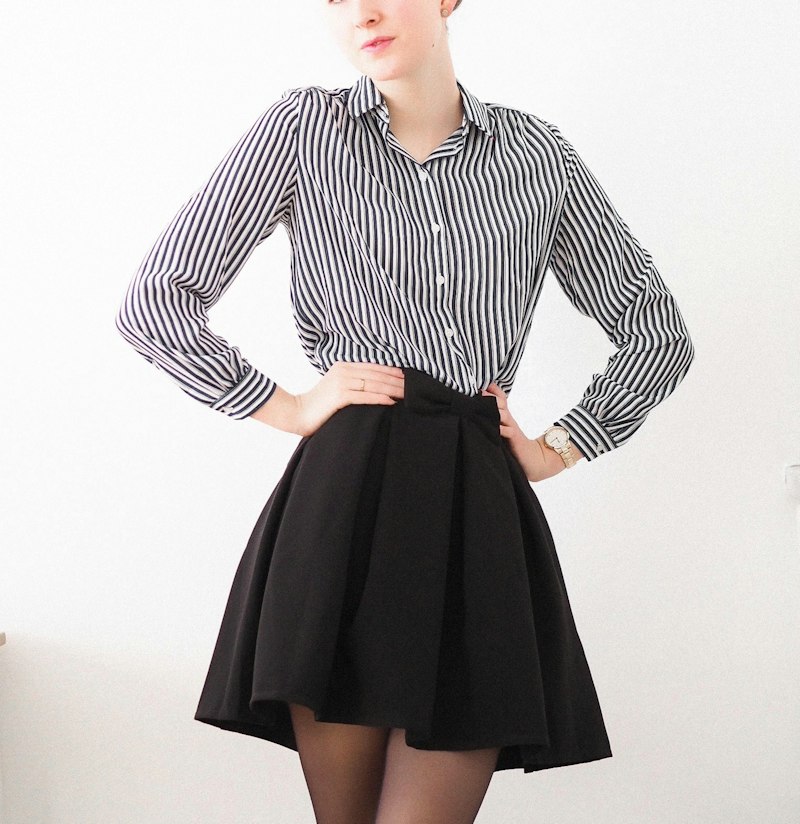
What a Parachute Skirt Actually Is
Start with the definition, because the definition explains the appeal. A parachute skirt is a voluminous, lightweight skirt built from technical fabric and gathered into a soft, comfortable waistband, so that it falls in generous folds rather than a stiff line. Unlike a tailored pencil or a structured A-line, it has no hard edge and no built-in shape; its character comes from movement and from the way the fabric catches light as you walk. That softness is not a flaw but the whole point. The same parachute skirt can be an easy daytime piece with sneakers and a tee, a layered autumn look with a knit and boots, or an unexpectedly elegant dinner skirt with a fitted top and a heel, because the volume supplies the drama while the top supplies the identity.
The fabric deserves its own paragraph, because the material is what separates a parachute skirt from every similar shape. The defining cloth is a light technical weave — nylon, ripstop, a crisp recycled taffeta or a papery cotton-blend — chosen precisely because it is strong, weather-resistant and almost weightless. That combination keeps the skirt cool in warm weather and surprisingly warm over a layer when the temperature drops, and it means the parachute skirt folds down to nothing in a suitcase and shakes out without a crease. A subtle sheen and a faint rustle are part of its signature; so is the soft elasticated or drawstring waist that makes it forgiving across a long day. In short, it is a skirt engineered like equipment and finished like clothing, which is exactly why it feels so modern.
It helps, too, to be clear about what a parachute skirt is not. It is not a cargo skirt, which is built from heavier twill, carries pockets and reads as pure utility. It is not a pleated skirt, whose crisp, pressed folds hold a formal, uniform line. It is not a bubble or balloon skirt, whose volume is created by a structured, rounded hem rather than by soft drape. The parachute skirt sits between all three: lighter than a cargo, softer than a pleat, less sculpted than a bubble. That in-between quality is what flatters the widest range of bodies, because the volume sits away from the body and the waist stays comfortable, and it is why one good parachute skirt can stand in for several more specific pieces across a single season.
Where the Parachute Skirt Came From
The parachute skirt is a recent name for an old instinct: taking a fabric built for a practical purpose and turning it into everyday clothing. Technical nylons were developed for equipment — canopies, tents, kites and packs — before designers noticed how well they moved and how little they weighed, and long hemlines cut from such light cloth have appeared in sportswear, dance and utilitarian dress for decades. *The reference entry on the **skirt** notes that the garment has been cut and shaped in countless ways across cultures, and that its most persistent forms tend to follow the fabrics and the needs of their moment.* The parachute skirt is simply the latest chapter: a soft, gathered volume in a technical cloth, made for a generation that wants clothes to be light, mobile and low-maintenance.
The move from utility fabric to fashion staple followed a familiar pattern. Outdoor and military materials have always migrated into mainstream dress — denim, trench cotton, fleece and the parka all began as functional cloth before becoming wardrobe classics — and technical nylon is no exception. As sportswear and streetwear blurred into daily dressing, the soft, gathered skirt became an easy way to borrow that technical lightness without looking as though you had stepped out of a gym. The parachute skirt arrived when both halves were ready: a public comfortable with performance fabrics, and a fashion mood that favoured relaxed, roomy silhouettes over tight, tailored ones. That convergence is why the name took hold so quickly, even though the underlying shape is older than the label.
There is also a practical history rooted in fit and fabric. A gathered skirt only works if the cloth behaves: heavy cloth drags and collapses, stiff cloth stands away at the hem, but a light technical weave falls in clean folds and springs back into shape. Generations of makers solved that problem by choosing ripstop, taffeta and featherweight nylon blends that hold a soft volume without clinging, which is why the parachute skirt is not the property of any single budget or era. It reappears whenever people want a skirt that feels relaxed and deliberate at once, and it fades only when a mood for firmer tailoring briefly takes over — before returning, as it always does, because the logic of light cloth and generous volume never really goes out of date.
Why the Parachute Skirt Fits This Moment
The current moment suits the parachute skirt unusually well, because dressing has moved toward pieces that feel easy rather than effortful. The strongest wardrobes of the past few seasons have been built around one soft, strong shape worn many ways, and the parachute skirt is exactly that: a single sweeping volume doing all the work, neutral enough to let a knit or a shirt stay quiet and distinctive enough to be the focal point on its own. It reads as modern because it is relaxed and unbuttoned; it reads as grown-up because it is well cut at the waist; and it reads as personal because the wearer decides how much volume and how much shine she wants. In a culture saturated with images, an outfit that says one clear thing through one clear shape tends to be the one that is remembered.
There is also a mood argument, and it is stronger than it first sounds. As wardrobes turn toward garments chosen for comfort, mobility and versatility rather than one-season novelty, coverage of how we dress has repeatedly noted a drift toward soft, easy pieces that can move between occasions. *Reporting on how everyday dressing keeps shifting toward considered, comfortable clothing, **BBC** style writers have observed that shoppers increasingly favour pieces bought to be worn often and styled many ways over fleeting trend items.* The parachute skirt fits that instinct precisely: it photographs well, it works for a market, a walk, a dinner or a long day of work, and because it takes up almost no space and rarely needs ironing, it earns its keep faster than a more demanding garment ever could.
Practicality is what keeps the parachute skirt in rotation once the novelty of a new season wears off. Because it has no hard structure, it folds into a bag and emerges uncreased; because it has an elasticated or drawstring waist, it accommodates a big lunch or a long train ride without complaint; because it is light, it layers under a coat without adding bulk. Add that it is easy to wash and quick to dry, and the parachute skirt becomes the rare piece that is both a style statement and a genuinely low-effort garment. Those small efficiencies are the real reason it earns its place, and they are why one good version can do the work of several fussier skirts across a season.
The Parachute Skirt Beside the Cargo and the Pleated Skirt
The fastest way to understand the parachute skirt is to put it next to the two skirts it is most often confused with, because the differences are subtle on a rail and obvious on a body. A cargo skirt is cut from a heavier twill, carries utility pockets and often a straight or slightly flared line; it reads as practical and grounded, and it holds a firmer shape than a parachute skirt ever will. A pleated skirt, by contrast, is defined by crisp, pressed folds that give it a formal, uniform rhythm and a controlled swirl. The parachute skirt sits between them: looser than a cargo, softer than a pleat, with a volume that comes from drape rather than from pockets or pressing. It is, in effect, the most relaxed way to wear a roomy skirt.
That difference in construction changes everything about how the garment reads. Because the parachute skirt has no pockets pulling at the hip and no pressed folds demanding to be kept crisp, it feels airy and unforced, and it never looks as though it has been over-managed. Because its waist is soft and adjustable, it flatters a wider range of sizes than a rigid waistband would, and because its fabric is light, it keeps its volume in the heat and layers easily when it cools. Beside a cargo skirt it looks softer and more fluid; beside a pleated skirt it looks more casual and far more forgiving. It is, in short, the most wearable way to wear real volume, because you decide how dressy the finished look becomes through the top, the shoe and the layer alone.
There is a place for all three, and the choice usually comes down to the occasion and the mood. Choose a cargo skirt for a grounded, practical day or a utility-led outfit. Choose a pleated skirt for something dressier, for a smarter office or an evening look. Choose the parachute skirt when you want volume, lightness and ease at once — which is to say, for most of the mornings when you simply want to get dressed without a struggle. Read this way, the three are not rivals but options, and the parachute skirt is often the one that works most often without demanding that you give up comfort or coverage for the sake of a shape.
Getting the Fit Right: Fabric, Waistband and Volume
Because a parachute skirt depends on proportion and drape, fit matters more here than on almost any other shape, and the first thing to get right is the fabric. A featherweight nylon, a crisp ripstop or a washed cotton-taffeta blend will hold a soft volume and skim the body rather than cling to it, which is exactly what a parachute skirt needs. Avoid cloth that is so thin it becomes see-through or so stiff that it stands away from the hem; both turn a soft skirt into a shapeless one. A light lining, or a fabric with just enough body to stay opaque, is your ally here — especially if you intend to wear the skirt into autumn, where a little weight keeps the folds falling cleanly instead of fluttering.
The waistband and the length come next, because a voluminous skirt is only as flattering as its top edge. A soft, flat, elasticated or drawstring waist that sits at the natural waist keeps the whole silhouette comfortable and creates a clean division between top and skirt; a high-rise version lengthens the leg and gives the volume a place to hang from. Check that the waist lies flat and does not dig in, and that the skirt begins its flare below the hip rather than puffing out at the waist itself. A controlled flare and a comfortable rise are your allies here, because a parachute skirt needs its volume to look intentional rather than accidental.
Length and finishing details complete the job. The most versatile parachute skirt falls to the mid-calf or just above the ankle, leaving room to move and a slice of shoe to break the line; a knee-length version suits shorter frames and reads as more casual, while a longer, sweeping version works beautifully with a heel or a boot. Check that the hem hangs evenly, that the waistband returns to shape after stretching, and that the fabric does not rustle too loudly if you want a subtler look. Get these three things right — a light fabric with just enough body, a soft waistband that sits flat and a hem that falls evenly — and the parachute skirt will flatter almost any frame, at any height, without ever feeling like a costume.
How to Wear a Parachute Skirt in Real Life
Start with the daytime version, because it is the one that earns its keep. Choose a parachute skirt in a neutral tone and let the volume be the statement. Add a simple fitted top — a plain tee, a fine knit or a cropped cotton shirt — and finish with clean sneakers or flat boots so the look stays relaxed. Tuck or half-tuck the top to define the waist, and keep the palette quiet so the sweeping shape does the talking. This is the outfit that carries you through a market, a walk or a long working day without adjustment, and because the skirt is light and the waist forgiving, it still looks considered hours after you put it on.
For a sharper look, lean into contrast rather than softness. Take the same parachute skirt and pair it with a tucked fitted knit or a slim silk shirt, add a narrow belt at the waist and a heel or a sleek boot, and the outfit turns deliberate enough for a dinner or a gallery. Keep everything else minimal, because the whole advantage of the shape is its one soft, generous line, and clutter fights that advantage. To warm it up for cooler days, layer a fine roll-neck under a cropped jacket, or add a slim turtleneck and a long coat; the light technical fabric slides under outerwear without adding bulk, which is precisely what makes the parachute skirt such a good autumn piece.
For travel and off-duty days, treat the parachute skirt as the easiest thing in the bag. Because it weighs almost nothing and rarely creases, one skirt in a neutral shade can cover a weekend on its own: wear it with a tee and sneakers by day, then swap to a fitted knit and a heel for the evening, and you have packed a single garment that behaves like three. If you prefer a softer feel, choose a washed cotton version with a fine knit tucked in and flat boots for a warm, coherent look with almost no effort. Across all three versions, one well-chosen parachute skirt can cover most of a season’s occasions — and that versatility is the quiet argument for buying a good one.
What the Data Says About Utility Skirts
It would be easy to treat the parachute skirt as a purely aesthetic choice, but the consumer data tells a consistent story about what people actually wear and rewear. When shoppers are asked why they reach for a garment again and again, fit, comfort and versatility reliably outrank how trend-led a piece happens to be, and lightweight technical fabrics score well on exactly those measures. *According to apparel and consumer research compiled by **Statista**, practical attributes such as comfort, easy care and suitability for multiple occasions are among the strongest drivers of repeat wear and repurchase.* That is the exact profile of a well-made parachute skirt: it is light when the fabric is right, it is simple to style, and it can move from day to evening with a change of shoes, which is why it tends to outlast the trend cycle that first brought it into view.
Search and retail data point the same way. Interest in soft, roomy, technical-leaning skirts has grown steadily as relaxed tailoring and sportswear-influenced dressing have spread, and the terms people use to find them — volume, parachute, utility, easy — cluster around comfort and movement rather than formality. That is significant, because it shows that demand is not driven by a single runway moment but by a lasting change in how people want to feel in their clothes. When a whole category of skirts is searched for using words about ease and versatility, a piece as light and forgiving as the parachute skirt stops looking like a novelty and starts looking like an answer to a real, durable question.
The economics reinforce the point. A garment that is comfortable, washable, packable and easy to combine with what you already own gets worn far more often than a delicate or highly specific piece, and cost-per-wear is the truest measure of value in any wardrobe. A parachute skirt in a neutral technical fabric can be worn across seasons, layered in winter and worn alone in summer, paired with heels or hiking boots, and washed without ceremony. By that measure it is one of the most efficient purchases a person can make, and the data simply confirms what anyone who owns a good one already suspects: the pieces that get worn most are rarely the most complicated, they are the ones that make getting dressed feel like no work at all.
Choosing and Caring for a Parachute Skirt That Lasts
Choosing well starts with the fabric and the finish, because those are what determine whether a parachute skirt lasts three washes or three years. Look for a tight, even weave in nylon, ripstop or a cotton-taffeta blend, and check the seams, because a light technical cloth will fray quickly where the construction is rushed. A well-made waistband should return to shape after stretching, the hem should be cleanly finished, and any drawstring or closure should feel solid rather than flimsy. If you can, hold the fabric up to the light: a good technical weave is opaque and slightly crisp, not so sheer that you can read through it, and it should feel cool and smooth rather than clammy or plastic.
Colour and quantity matter too, and both come down to how you intend to wear it. A neutral shade — black, khaki, deep olive, stone or a soft grey — will combine with almost everything and quietly justify its price, while a brighter or metallic version is best kept as a deliberate seasonal accent. One or two well-chosen parachute skirts will usually outwork a shelf of impulse buys, so it pays to decide on the waist height, the length and the shine you actually want before you commit. If you are building from scratch, start with a mid-calf neutral and add a second in a fabric with a little more sheen once you know how often you reach for the first.
Caring for a parachute skirt is refreshingly simple, which is part of why it works so hard. Most technical and cotton-taffeta versions can be machine-washed cool on a gentle cycle, hung or laid flat to dry rather than tumble-dried, and shaken back into shape while still damp so the folds fall cleanly again. Avoid hot irons, which can glaze a synthetic surface, and treat it more like the equipment it is descended from than the delicate piece it appears to be; stored folded or on a padded hanger, it takes up almost no space and returns to service at a moment’s notice. Looked after this way, a good parachute skirt stays light, crisp and ready for years of ordinary mornings — which is, in the end, the highest compliment a skirt can be paid.