

There is a particular kind of panic that arrives about two weeks before a baby shower, and it has nothing to do with the gift. It is the quiet, buzzing question of what to wear to a celebration that is joyful, photographed constantly, and attended by everyone from a grandmother to a colleague. I have been on both sides of that question — guest and guest of honour — and the garment that solved it, again and again, was the dress built specifically for the occasion: the baby shower dress. It is not simply any party dress pressed into service. It is a piece that has to do something almost contradictory, flattering a body that may be changing while staying comfortable enough to sit, stand, eat and be hugged for three hours straight. Once I understood what the baby shower dress is actually for, I stopped dreading the invitation and started looking forward to it, and this is the account of everything that piece taught me.
What follows is a properly worked guide rather than a seasonal trend note. A baby shower dress is, at its simplest, a dress chosen for the celebration that marks the arrival of a baby — worn by the mother-to-be, by a friend hosting, or by a close relative — and it has its own set of rules about colour, fit, comfort and mood that separate it from a wedding guest dress or a cocktail dress. In the sections below I will unpack what the baby shower dress really is, where the tradition behind it came from, why it works so well right now, how it differs from the occasion dresses it is most often confused with, how to get the fit and colour right, how to wear one in real life, what the consumer data says about occasion dressing, and how to choose and care for a baby shower dress that lasts beyond a single party. If you would rather see the idea in physical form first, there is a considered edit of baby shower dresses already living on the site.
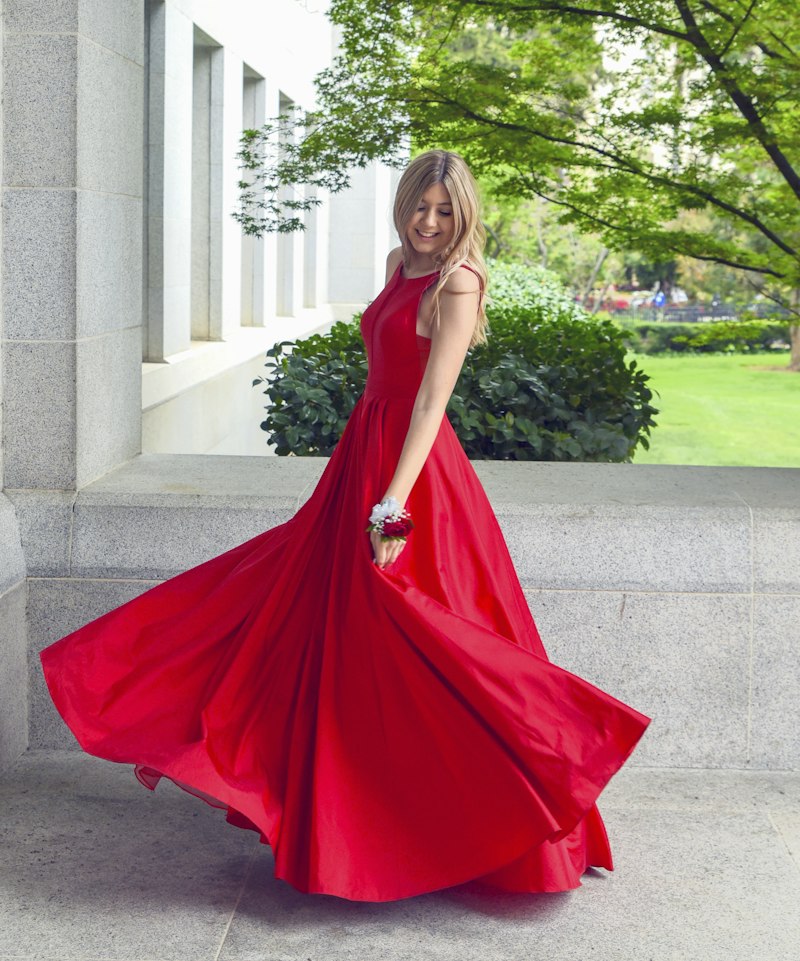
What a Baby Shower Dress Actually Is
Start with the design logic, because the logic is the whole idea. A baby shower dress is a dress selected for a daytime-to-early-evening celebration built around a mother-to-be, and it is defined less by a single cut than by a set of demands it has to meet at once. It should feel celebratory without being bridal, comfortable without looking casual, and flattering whether the wearer is the guest of honour with a visible bump or a friend simply there to host. That combination is why the baby shower dress has become a category of its own rather than a loose description, and why so many people end up searching for it by name rather than reaching for something already hanging in the closet.
The first and most important demand is comfort, and it is not a soft requirement. A baby shower lasts for hours, moves from standing to sitting to standing again, and involves food, photographs and a great deal of hugging. A dress that pinches at the waist or digs in at the shoulders will ruin an afternoon that is supposed to be one of the happiest of the year. The best baby shower dress is constructed with that endurance in mind: a forgiving waist, a gentle drape, a stretch fabric, or a wrap that can be adjusted as the day — or the body — shifts. Comfort, here, is not the opposite of elegance; it is the thing that lets elegance survive past the first hour.
It also helps to be clear about what a baby shower dress is not. It is not a wedding guest dress, which is usually more formal and often carries a stricter colour code tied to the bridal party. It is not a bridesmaid dress, which is chosen by someone else and worn to serve a ceremony rather than to host a room. And it is not, for the mother-to-be, simply a maternity dress, because a good baby shower dress can often be worn afterwards and styled around rather than only over a bump. The baby shower dress sits in its own category: joyful, comfortable and photographic, made for a celebration rather than a formality, and that precision is exactly why it flatters and why it keeps earning its place in a wardrobe long after the confetti is swept up.
Where the Baby Shower Tradition Came From
The celebration behind the dress is far more layered than the modern, pastel-coloured image of it suggests, and knowing that history explains why the baby shower dress feels the way it does. Gatherings to welcome an expectant mother and to help her prepare for a new baby have existed in various forms for generations: early twentieth-century American “showers” were practical affairs where friends supplied the new mother with the small essentials she would need, while similar customs of bringing gifts and food to an expectant family appear across many cultures. The dress, in each case, reflected the mood of the gathering — warm, communal and gently dressed rather than formal. *As the reference entry on the **baby shower** records, the custom grew out of the practice of “showering” a mother-to-be with gifts and support, a tradition rooted in community and celebration rather than ceremony.*
That communal origin is why the baby shower dress tends towards softness rather than structure. A wedding guest outfit answers to a formal event with a defined order of service; a baby shower answers to a room of friends and family gathered around a single person. The mood is affectionate and a little informal, which is why pastels, florals, gentle drapes, wrap silhouettes and breathable fabrics have become the visual language of the occasion. None of these choices are arbitrary — each of them makes the wearer look calm, approachable and pleased to be there, which is precisely the feeling the event is meant to produce. The dress is not merely clothing; it is the visual expression of the mood everyone in the room is trying to hold.
The form of the celebration has also shifted, and the dress has shifted with it. Where a shower once happened in a family living room with a handful of guests, it now often takes place in a restaurant, a garden, a rented studio or a hotel lounge — sometimes co-ed, sometimes with a theme, almost always photographed and shared within minutes. That change raised the styling bar without changing the underlying feeling. The baby shower dress of today has to survive bright daylight, smartphone cameras and a long afternoon, so it has become more considered: better fabrics, more flattering cuts, and colours that read well on camera while still feeling soft. It is a modern garment built on a very old instinct — that the people who love an expectant mother want to gather around her, feed her, and celebrate the life about to arrive.
Why the Baby Shower Dress Works Right Now
The current moment suits the baby shower dress unusually well, because occasion dressing has moved towards pieces that feel intentional rather than overdone. The most interesting celebrations of the past few seasons have been styled around one clear idea carried by a clean, well-cut garment, and the baby shower dress is exactly that kind of piece: soft in colour, generous in cut, and confident enough to hold its own in every photograph. It reads as modern because it is considered and understated; it reads as warm because it is gentle and flattering; and it reads as personal because it can be tuned — wrap, midi, tiered, floral or plain — to the wearer. In a culture saturated with images, an outfit that says one clear, calm thing tends to be the one that is remembered.
There is also a practical argument, and it is stronger than it first sounds. Expectant mothers and hosts alike now look for clothing that can do more than one job, because nobody wants to buy a single-use garment for a single afternoon. Design coverage of the resale and rental boom has repeatedly noted that shoppers increasingly favour occasion pieces they can wear again, layered or re-styled, rather than one-event wonders. *Reporting on how modern shoppers approach occasion wear, **BBC** style writers have observed a growing preference for garments bought to be worn more than once and easily adapted between events.* The baby shower dress fits that instinct precisely: chosen in a neutral or a soft print on a midi length, it works for the shower, for a lunch, for a season of early motherhood, and often for years afterwards.
Practicality is what keeps the shape in rotation once the celebration is over. Because a baby shower dress is often cut loosely through the waist or built as a wrap, it can be worn before, during and after a pregnancy, and it does not demand a specific figure on a specific day. A midi baby shower dress in a breathable fabric can be layered with a cardigan for a cooler room and worn with sandals in the summer; a wrap version adjusts with the body rather than against it. Those small efficiencies are the real reason the baby shower dress earns its place, and they are why one good version can cover an afternoon that a drawer full of hurried purchases never could.
The Baby Shower Dress vs the Wedding Guest and Bridesmaid Dress
The fastest way to understand the baby shower dress is to put it beside the two occasion dresses it is most often confused with, because the differences are subtle on a rack and unmistakable in the room. A wedding guest dress answers to a formal ceremony with a colour code, a venue and a schedule; it is usually a little dressier, and it must avoid the shades reserved for the bridal party. A bridesmaid dress is chosen by the bride, matched across a group, and worn to serve the ceremony. A baby shower dress answers to none of that. It answers to a warm, informal, photographed gathering where the only real rules are comfort, softness and a joyful mood — which is why it can be far freer than either of the other two.
That difference in purpose changes everything about how the dress is cut and coloured. Because a baby shower dress is not tied to a formal order of service, it can be pastel, floral, tiered, sleeved or wrapped, and it can be soft where a wedding guest dress might need structure. Because it is often worn by an expectant mother, it tends to favour forgiving waists, empire lines and stretch — features a bridesmaid dress rarely offers. And because the mood is celebratory rather than ceremonial, it can lean into print and pattern in a way that a more formal occasion would resist. Beside a wedding guest dress, the baby shower dress looks warmer and more wearable; beside a bridesmaid dress, it looks personal and far more comfortable.
There is a place for all three, and the choice usually comes down to the event rather than the wearer’s taste. Choose a wedding guest dress for a ceremony with a formal dress code; choose a bridesmaid dress when you have been asked to stand beside the bride; choose the baby shower dress when you are celebrating a new arrival, whether you are the mother-to-be, a proud grandmother or a friend carrying the cake. Understood this way, the three are not rivals but answers to different questions, and the baby shower dress is simply the one that answers the warmest of them — a room full of people who are simply happy, and want you to be comfortable while you enjoy it.
Getting the Fit and Colour Right
Because the baby shower dress depends on comfort as much as on proportion, fit matters more here than on almost any other occasion piece, and the first thing to get right is the waist. If you are the mother-to-be, look for an empire line that sits just under the bust, a wrap that ties as loosely or tightly as the day demands, or a soft tiered cut that never presses on the bump. If you are the host, a defined waist on a midi length keeps the look pulled-together without being stiff. In both cases, try the dress on, sit down, stand up and reach across a table, and check that nothing pulls, digs or rides up — a baby shower dress should behave on the body all afternoon, not only in front of a mirror.
Colour and print matter just as much, and the good news is that the palette is generous. Soft pastels — blush, mint, butter yellow, powder blue — are the classic choice because they read as gentle and celebratory in photographs and flatter almost every skin tone. Florals, delicate prints and gentle ginghams bring warmth without noise, while a neutral like ivory, sage or soft grey is a quietly elegant option for a host who prefers to stay understated. The one shade to think carefully about is white, which many expectant mothers reserve for their own significant moments and which some guests avoid out of caution; deep, heavy reds and stark black can also feel a little severe for a daytime celebration. Choose a colour that looks like a smile and you will not go far wrong.
Length, fabric and finishing details complete the picture. A midi baby shower dress is the most versatile length, because it balances coverage and movement and works for almost any venue, from a garden to a restaurant; a mini works best on a younger guest in a warm setting, and a maxi suits a formal shower or a taller wearer. Breathable fabrics — cotton, linen blends, crepe, fine jersey — keep the wearer comfortable through a long, warm afternoon, while a light lining prevents a delicate print from showing through. Get these three things right — a forgiving waist, a warm palette and a breathable midi — and the baby shower dress will flatter almost any figure on almost any day.
How to Wear a Baby Shower Dress in Real Life
Start with the guest version, because it is the one most people need. Choose a midi baby shower dress in a soft floral or a pastel, let the print be the statement, and keep everything around it quiet: a light cardigan in a matching tone, simple flat or low-heeled sandals, and a small bag that leaves your hands free for a plate. Add one warm piece of jewellery and stop there, because the dress is already saying enough. This is the outfit that carries you through an afternoon of eating, chatting and posing for photos without a single adjustment, and because the fabric breathes and the waist forgives, it still looks considered hours after you arrive.
For the mother-to-be, lean into comfort and let the silhouette do the flattering. A wrap or empire-line baby shower dress in a soft colour gives the best of both: it accommodates a changing body and still creates a clean, celebratory line under the bust. Pair it with a comfortable block heel or a pretty flat, a clutch you can hold easily, and hair that you can leave alone once the photographs are done. If the celebration is in a cooler season, layer a fine knit cardigan or a light shawl that you can remove once inside. The aim is simple — to look as happy and settled as you feel, and to be free to enjoy the day rather than manage the outfit.
For the host or the grandmother-to-be, the baby shower dress is a chance to look warm rather than formal. A softer colour on a midi or maxi length, a gentle sleeve, a fabric that moves — these keep the look celebratory without competing with the guest of honour. Add a light wrap for photographs and a comfortable shoe you can stand in for hours, because hosting rarely means sitting down. Across all three versions, one well-chosen baby shower dress can cover the celebration, a lunch afterwards, and much of early motherhood — and that versatility is the quiet argument for buying a good one rather than a rushed, last-minute one.
What the Data Says About Occasion Dresses
It would be easy to treat the baby shower dress as a purely aesthetic choice, but the consumer data tells a consistent story about what people actually buy and rewear. When shoppers are asked why they reach for a garment again and again, comfort, fit and suitability for more than one occasion reliably outrank how trend-led a piece happens to be. *According to apparel and consumer research compiled by **Statista**, practical attributes such as comfort, easy styling and suitability for multiple occasions are among the strongest drivers of repeat wear and repurchase decisions.* That is the exact profile of a well-made baby shower dress: it is comfortable when the fabric is breathable and the waist is forgiving, it is simple to style, and it can move from a shower to a lunch to a summer afternoon with a change of shoes — which is why it tends to outlast the season that first brought it into view.
Retail and search behaviour points the same way. Style desks that track seasonal buying have repeatedly observed that the soft, wearable occasion pieces sell through across multiple seasons, while the most extreme novelties fade within a year. A purchase grounded in a real need — a dress that feels celebratory and works for more than one event — outlasts one grounded in novelty, and the baby shower dress answers that need more directly than almost anything else on the rail. That endurance matters to your budget, too, because a dress you still want to wear the following spring is worth far more than one defined by a single afternoon’s headline.
It also pays to think in cost per wear, the only wardrobe arithmetic that genuinely holds up. A well-made baby shower dress worn for the shower, two summer lunches and a handful of early-motherhood outings costs less each time you put it on than a cheaper dress bought, worn once, and left hanging ever since. Divide the price by the number of times you realistically reach for something, and the maths is unforgiving: the dependable, versatile garment wins almost every time. The pieces that survive that test are rarely the loudest ones; they are the soft, well-cut, quietly confident ones — and a good baby shower dress sits firmly in that group. Buy one that fits, wear it on repeat, and watch how quickly it pays for itself.
Choosing and Caring for a Baby Shower Dress That Lasts
Almost anyone can wear a baby shower dress, because the shape can be tuned to the wearer, but the cut should still respect the figure and the occasion. If you are petite, choose a midi or a knee-length dress with an empire or wrap waist, so the line lengthens rather than shortens; if you are tall, a maxi or a tiered midi carries beautifully. If you are expecting, prioritise a forgiving waist and a breathable fabric over structure, and treat the dress as something you will wear again rather than once. If you are a guest, you have the most freedom of all — pick the colour that makes you feel happiest and let it lead. The goal is always the same: choose a baby shower dress that feels joyful to put on, because a dress you enjoy wearing is the one you will reach for again.
Care is what keeps a baby shower dress paying you back season after season, and it starts with reading the label and looking at the seams. Cotton and linen blends prefer a cool, gentle cycle and should be dried flat or line-dried to hold their shape; crepe and structured blends are best pressed on the reverse with a little steam; fine knits should be folded rather than hung so the shoulders keep their line. Delicate florals and pastels are the most likely to fade, so wash them less often, wash them cool, and keep them out of direct sunlight when drying. Store the dress folded or on a padded hanger, and avoid the hottest water and the tumble dryer, which are the fastest ways to shrink a dress and dull a soft colour. Treated this way, a good baby shower dress can look considered for years rather than a single season.
That longevity is really the whole thesis. A baby shower dress is not the flashiest purchase you will make this year, and it is rarely the piece that fills a wardrobe on its own. It is simply the one you will reach for when you want to feel warm, comfortable and quietly lovely in a room full of people who love you — because it celebrates without shouting, flatters without pinching, and photographs beautifully without demanding a single adjustment. It replaced, in my own wardrobe, a stack of dresses that always felt either too formal or too plain for the occasion, and it has done so with a gentle, flattering confidence that suits a body in change and a day built for joy. Choose a colour that looks like a smile, a waist that forgives, and a fabric that breathes, and the baby shower dress will quietly become one of the most dependable pieces you own — which, in the end, is the highest compliment a garment can earn.