

Some garments announce themselves and then disappear from your wardrobe by spring; a tunic dress does the opposite. It is the quiet, straight-hanging piece you reach for on the mornings when you want to look considered without thinking hard — long enough to stand on its own, loose enough to layer a roll-neck beneath or a coat over, and simple enough in line that it flatters almost everyone who wears it. I have owned cheap ones and expensive ones, cotton, linen and wool, and the ones that survive every wardrobe cull are always the plain, well-cut tunics that never depended on a print or a trend to justify themselves. That is why I now treat it as one of the hardest-working dress shapes I own, and why I think it deserves far more attention than the passing trends that usually crowd it out.
What follows is a careful look at the tunic dress: what it actually is, where a three-thousand-year-old shape came from, why it suits the way people dress now, how to choose the right fabric and length, how to wear one from the office to the weekend, how it differs from the shift, shirt and kaftan dresses it is so often confused with, how to layer it through the cold months, and how to keep one looking sharp for years. If you would rather see the cloth in your hands first, there is a considered edit of tunic dresses gathered on the site, and a useful companion in the plain midi dress guide I wrote earlier this year.
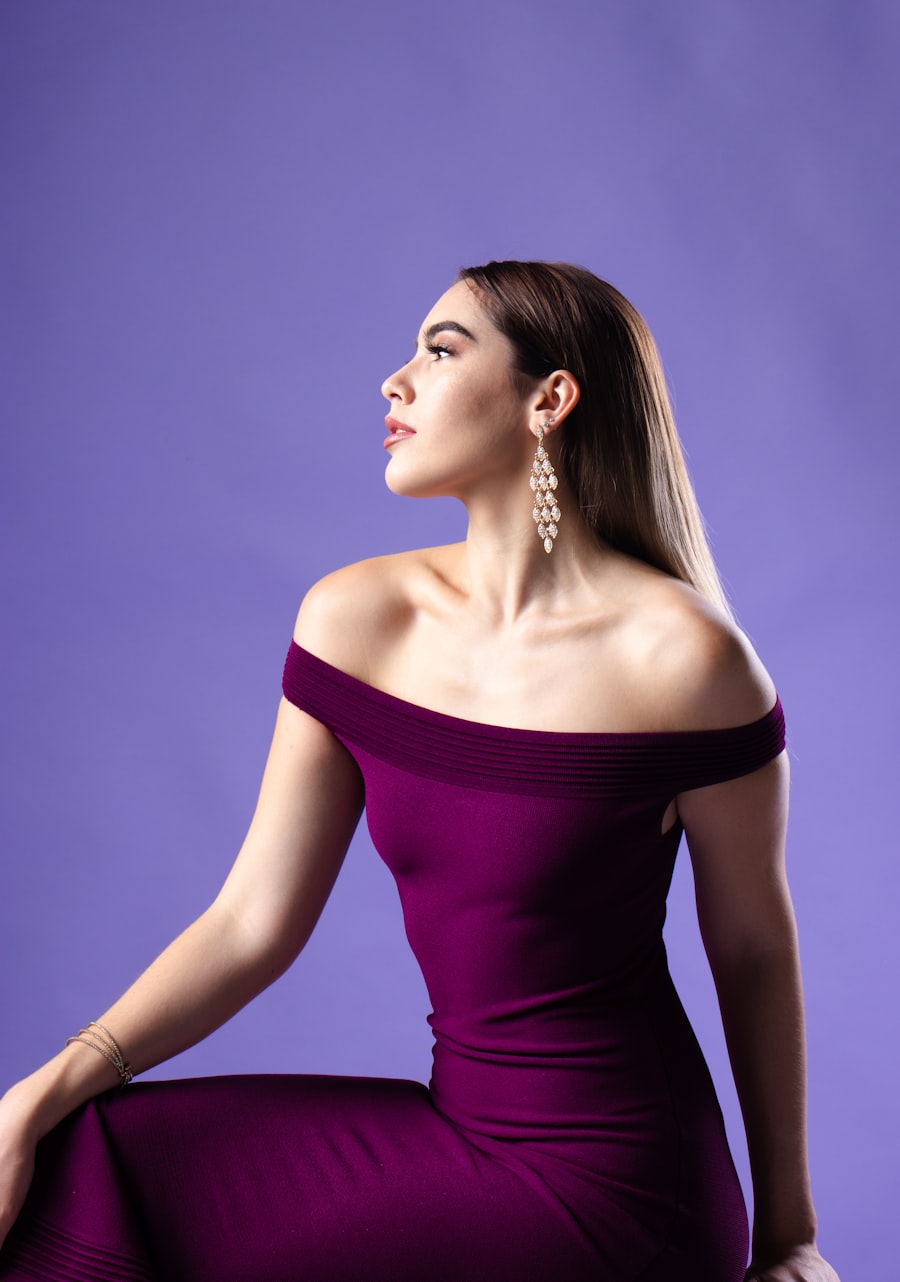
What a Tunic Dress Actually Is
Start with the definition, because the details are what make the shape work. A tunic is a simple garment that falls from the shoulders and hangs to about mid-thigh or just above the knee, cut loose rather than fitted, with enough ease that it moves with you instead of pinning you in. Worn short and over trousers, it reads as a long top; worn longer and over bare legs, it becomes a dress; and it is exactly this flexible middle ground that makes the tunic dress so useful. A true tunic dress is not simply an oversized shirt or a stretched-out jersey top. It usually has a defined neckline — a round, square or softly gathered opening — straight or slightly shaped sides, and a hem that is deliberately longer at the front and back than at the sides, so that the shape reads as intentional rather than accidental.
It also helps to be precise about what a tunic dress is not. It is not a shift dress, though the two are cousins: a shift is cut close to the body in a straight line from shoulder to hem, while a tunic is looser and often belted or gathered to control its volume. It is not a kaftan, which is wider still, usually collarless and tied to beach and holiday dressing. And it is not a tunic top in the narrow sense of a hip-length piece that needs trousers underneath to look finished. A tunic dress occupies the space between all three — it can behave like any of them, but it does not depend on any of them to work. Recognise the loose, straight fall, the easy volume and the deliberate length, and you can spot a tunic dress across a shop floor.
A Shape With Three Thousand Years of History
The tunic is one of the oldest garments in the human wardrobe, and its endurance is the best argument for its usefulness. *According to **Wikipedia’s entry on the tunic**, simple shoulder-to-knee garments were worn across ancient Greece, Rome, Egypt and the Near East for centuries, cut from a single piece of cloth and fastened with pins, brooches or a belt.* The Greek chiton, the Roman tunica and the Egyptian kalasiris all solved the same problem in the same way: how do you cover and move freely in a hot climate using one length of fabric? The answer was a loose rectangle that let air circulate and let the body work — which is precisely what a modern tunic dress still does.
Through the medieval and early modern centuries the tunic split into two lives. Beneath armour and beneath outer gowns it became an underlayer, worn close for warmth; but as an outer garment it grew into the hip-length, belted tunics that working people wore over hose, and later into the loose, art-inspired tunics adopted by the Victorians and the dress-reform movement. *The **V&A** has long documented how the same unbelted, straight-hanging shape reappears each time fashion turns away from corsetry and toward freedom of movement — a pattern visible in the 1920s, the 1960s and again in the relaxed tailoring of the present day.* Whenever clothing loosens up, the tunic quietly returns, because it is the simplest way to make a garment that is both modest and free. That history is more than trivia: it explains why the tunic dress never looks dated. It is not a trend that comes and goes but a solution that keeps being rediscovered.
Why the Tunic Dress Works for the Way We Dress Now
A tunic dress earns its keep because it does several jobs at once, and it does them without asking anything of your body. Because it is loose, it skims rather than clings, which makes it comfortable across a long day and forgiving of a lunch that ran long. Because it is long, it can be worn alone in warm weather and layered in cold, so one garment covers far more of the year than a fitted dress can. And because it is plain, it becomes a backdrop rather than a statement — the piece that makes whatever you pair with it look considered. In wardrobe terms, that means one tunic dress quietly replaces a long top, a casual dress and half of a co-ord, which is exactly the kind of efficiency that makes a garment worth owning.
There is a wider argument too, and it is backed by how the market has actually moved. As shoppers have drifted away from loud, single-season buys and toward fewer and tougher pieces, plain, hard-wearing clothing has been one of the clearest beneficiaries of the shift the industry calls “quiet luxury” — dressing that signals quality through cut and material rather than logos. *In its reporting on consumer behaviour and apparel, the **BBC** has described a durable move toward garments bought to be worn often and kept for years, with buyers favouring versatile, long-lasting pieces over trend-led ones.* A plain tunic dress sits exactly at that intersection: versatile enough to dress up or down, durable enough to justify its price across many wears, and neutral enough never to look dated. That is the strongest possible case for its cost per wear, and it is why the tunic keeps coming back whenever the cycle turns away from noise.
Choosing Your Tunic Dress: Fabric, Length and Fit
The fabric decides how a tunic dress feels and how well it lasts, so it is worth knowing the options before you buy. Cotton poplin and cotton voile are crisp and breathable, ideal for a spring or a warm autumn and for a neater, more polished tunic. Linen is cooler still and drapes with a soft, lived-in texture, though it creases willingly; a linen-cotton blend keeps the coolness while creasing a little less. Wool, flannel and heavier brushed cotton give the tunic dress structure and warmth for the coldest months, holding a clean line over layers. And jersey or tencel gives a soft, fluid version that is the easiest of all to wear but shows the shape of the body more, so it suits a relaxed, weekend mood rather than a sharp one. For a single autumn-to-winter tunic, a mid-weight wool or a brushed cotton is the sensible default.
Length and fit matter just as much, and here the rule is simple: let the shape do the work and keep everything else quiet. A tunic dress should hang cleanly from the shoulders without pulling across the chest, and its hem should land where you want the eye to rest — mid-thigh to skim over slim trousers, or just above the knee to be worn alone. If you are petite, a shorter tunic with a slightly narrowed side seam keeps the proportions neat rather than swamping; if you are tall, you can carry a longer, fuller shape that would overwhelm a shorter frame. Sleeves should end where they flatter — a slim three-quarter sleeve is the most universally useful, while a long sleeve suits a winter tunic and a cap or short sleeve suits a summer one. The one thing to avoid is a tunic that is both loose and long and stiff all at once, because a shapeless, board-like garment flatters no one; a little drape, or a belt to define the waist, is what turns volume into elegance.
Styling a Tunic Dress: Desk, Weekend, Evening
The tunic dress crosses occasions without changing its character, which is the whole point of owning one. For the office, choose a tailored cotton or fine-wool tunic in a neutral — charcoal, navy, camel or olive — and wear it belted at the waist over slim trousers and a pair of low-heeled boots. The belt is what turns an easy tunic into something purposeful, giving it a waist and a waistline so it reads as intentional rather than simply loose. Add a simple leather bag and a pair of small studs and the outfit is finished, no jacket required. Because the fabric holds its line, it survives a day of meetings and a commute without creasing the way a soft jersey tunic would, which is exactly why this becomes the version you wear again and again.
For the weekend, the same garment loosens up beautifully. Leave the tunic unbelted over leggings or skinny jeans, add flat leather trainers or chunky boots and a canvas tote, and it reads relaxed and practical rather than dressed-up. Over leggings in a tonal colour, the tunic lengthens the body and acts as a soft alternative to a cardigan, which is why it has quietly become a staple of the school-run and the market run alike. For an evening, choose a tunic in a fluid fabric such as silk, satin or tencel in a deeper shade, belt it narrowly at the hip, and pair it with a slim trouser and a heel; the long, unbelted line reads elegant and covered rather than fussy, and the simplicity of the cut does the work a print or a bit of sparkle usually would. One shape, dressed three ways, is exactly the return on investment a good tunic dress delivers.
Tunic, Shift, Shirt and Kaftan: Telling Them Apart
The quickest way to understand a tunic dress is to set it beside the styles it is most often mistaken for, because the differences are easy to miss on a hanger and obvious on a body. A shift dress is cut close to the body in a straight column from shoulder to hem, so it follows the figure and needs little else; a tunic dress is looser, often belted, and relies on its own volume for its character. A shirt dress borrows the details of a man’s shirt — a button placket, a collar, a belt, a cuffed sleeve — and reads sharper and more tailored; a tunic dress is softer, plainer and usually collarless, with the ease coming from the cut rather than the fastenings. And a kaftan is wider and more decorative, often collarless with wide sleeves and a deep V, and belongs to holiday and beach dressing far more than to the office or the school run. Each has its place, and none is better than another — but knowing which one you are looking at tells you instantly how it will behave on your body.
Choose a tunic dress when you want an easy, layered, all-day piece that flatters without pinning you in; choose a shift when you want a clean, fitted, no-fuss line; choose a shirt dress when you want crisp tailoring and buttoned structure; and choose a kaftan when you want full, breezy volume and a holiday mood. Read that way, the four are relatives rather than rivals, and the tunic dress is the one that lands most reliably in the middle — easy enough to feel like a comfort piece, structured enough to look put-together, and versatile enough to be worn for most of the year. That balance is exactly why a good tunic quietly edges out more demanding garments in a working wardrobe, and why it never feels like a compromise.
Layering a Tunic Dress Through Autumn and Winter
Layering is where the tunic dress shows its real value, because its loose cut leaves room for other clothes in a way a fitted dress never can. When the temperature drops, the simplest move is to wear a fine merino roll-neck or a thin wool turtleneck beneath the tunic, so the collar and a little of the sleeve appear at the neck and wrist. For extra warmth, add a pair of wool tights or thermal leggings and a pair of tall leather boots, and the tunic becomes a winter dress with almost no effort. Bunch a slim fine-knit under it rather than a bulky one, because a tunic works best with thin layers that do not add bulk where the shape is already loose. The result is warm without being shapeless, which is the hardest combination to get right in cold weather dressing.
Outerwear is the next layer, and the tunic’s straight line plays well with almost everything. A long wool coat worn open lets the tunic hang free and creates a clean vertical column that lengthens the body. A puffer or a quilted jacket in a shorter length keeps the proportions sharp and casual. A belted trench or a wrap coat adds definition and works especially well over a tunic that is left unbelted underneath. Add a scarf at the neck, a beanie and a pair of gloves, and the same tunic you wore with sandals in September carries you through to February. This is the quiet genius of the shape: because a tunic dress is already a layer, it stacks with other layers instead of fighting them, and it turns a small capsule of simple pieces into a full cold-weather wardrobe.
Making a Tunic Dress Last — and the Case for One
A tunic dress is meant to be worn hard, so it pays to protect the details that make it work. Wash woven fabrics such as cotton, linen and wool inside out on a cool, gentle cycle, and resist over-washing — many tunics are washed or brushed at the mill to give them their soft, matte finish, and too much hot water strips that finish away. Wool tunic dresses should be aired between wears and washed rarely, by hand or on a delicate wool cycle, then dried flat to keep their shape. Press a cotton or linen tunic on the reverse with a little steam so it keeps its crispness without taking a shine, and hang it rather than folding it, because a folded tunic creases along the same lines every time it is stored. Treated that way, a well-made tunic shrugs off years of wear and keeps the easy, useful character that made it worth buying.
When I look at what I actually reach for across a whole year, the pattern is hard to ignore. My plain tunic dresses are worn more than almost anything else I own, not because they are the most eye-catching things on the rail but because they are the most dependable — they look finished without styling, layer without bulk, and read considered whether I have planned an outfit or simply pulled one on. That is the whole case for the tunic dress, and it is why a plain, well-cut one earns a place ahead of louder pieces that only ever get an outing or two. Start with one in a neutral you will actually wear, in a fabric suited to the season you need it most, and let the simple line and the easy length do the work a print or a logo would otherwise have to. You may find, as I did, that the most ancient shape in the wardrobe is also the most modern — and that the tunic dress was the quiet, versatile piece your autumn had been missing all along.