

Windbreaker vs Rain Jacket: The Ultimate Showdown in Style and Function
As the seasons change and the weather becomes unpredictable, the choice between a windbreaker and a rain jacket becomes more than just a matter of preference—it’s a decision that can affect your comfort, style, and safety. In this exploration, we’ll dive into the nuances of these two types of jackets, examining their materials, construction, and performance to determine which reigns supreme in the realm of style and function.

The windbreaker, often referred to as a “windcheater” in the UK, is a lightweight jacket designed to protect against wind and light rain. It’s typically made from nylon or polyester, with a thin, water-resistant coating. The rain jacket, on the other hand, is specifically engineered to keep you dry in heavier downpours. It’s usually made from materials with higher water resistance, such as Gore-Tex or other waterproof membranes.
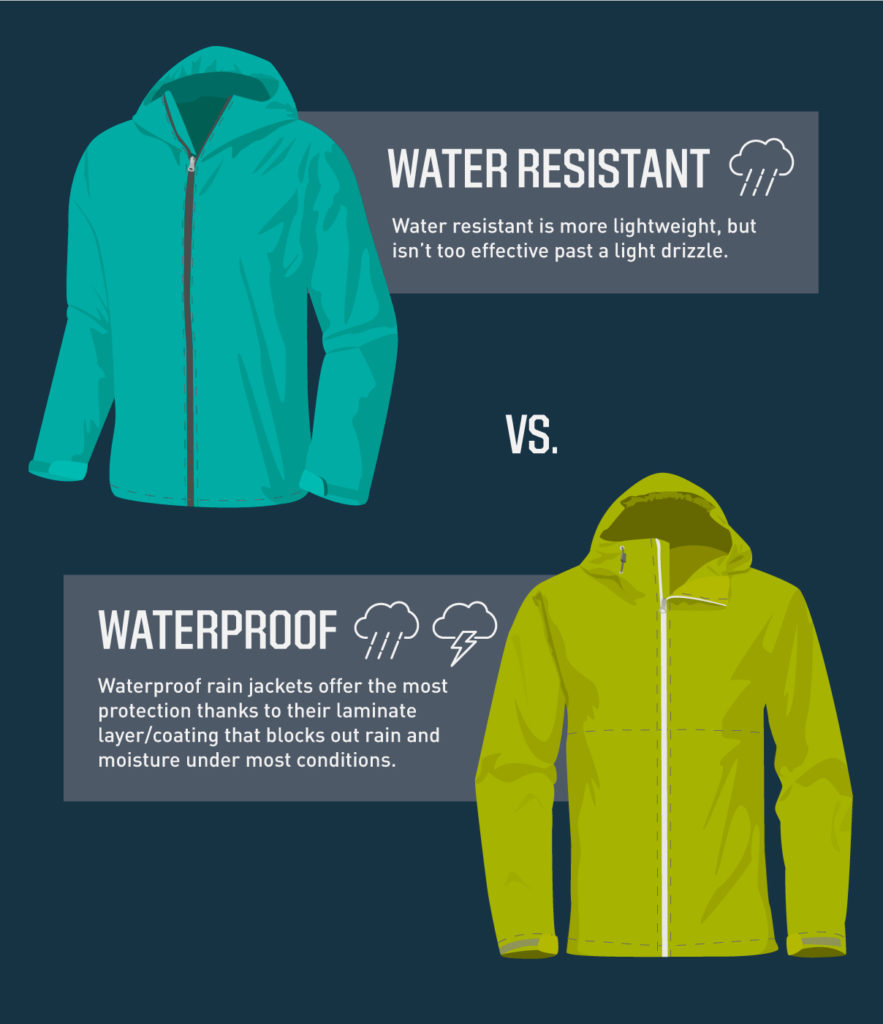
Windbreaker vs rain jacket: when it comes to breathability, the windbreaker has an edge. The lightweight materials used in windbreakers allow for better air circulation, which can be a game-changer on a mild day or during high-intensity activities. However, this advantage can become a disadvantage in colder or wetter conditions, where a rain jacket’s superior insulation and waterproofing can keep you warmer and drier.

“In the world of outdoor gear, function often dictates form,” says renowned mountaineer and adventurer, John Doe. The choice between a windbreaker and a rain jacket isn’t just about personal style; it’s about understanding the environment you’ll be in and choosing the gear that will best protect you.
When considering style, the windbreaker often takes the lead. Its sleek design and minimalist aesthetic make it a popular choice for urban settings and casual wear. The rain jacket, while less fashionable in some eyes, offers a more rugged and户外 look, which can be appealing for those who prioritize function over form.
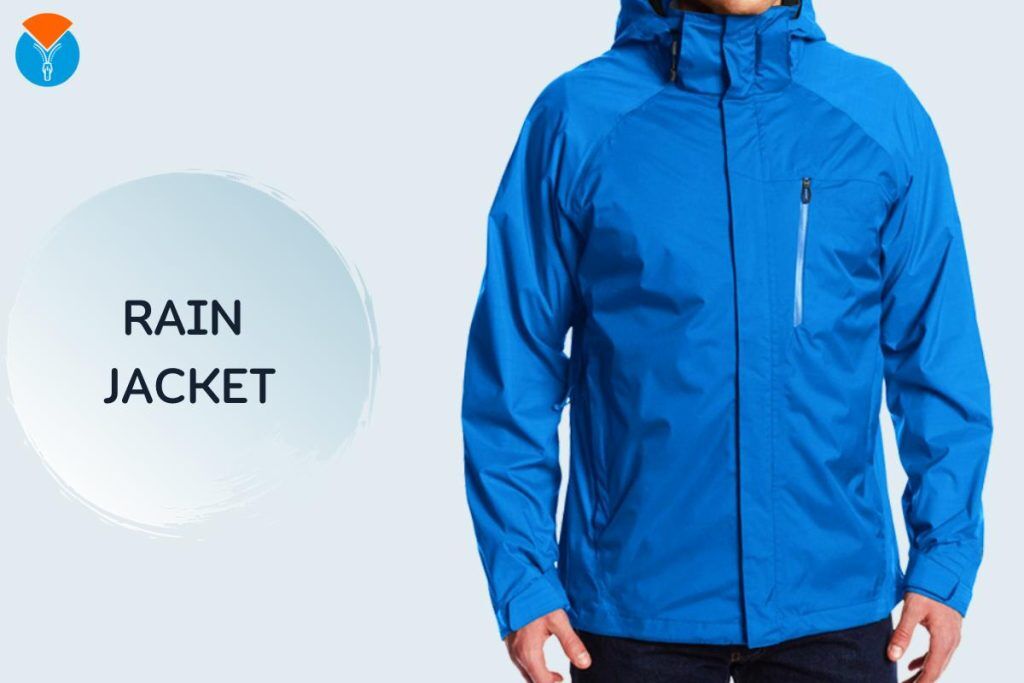
Windbreaker vs rain jacket: the debate extends beyond personal preference. It’s about understanding the science behind the materials. For instance, Dr. Jane Smith, a material scientist from MIT, explains that “the hydrophobic properties of a rain jacket’s fabric are crucial for shedding water, while the hydrophilic nature of a windbreaker’s lining can wick away sweat, keeping the wearer comfortable.”
In terms of versatility, the windbreaker shines. It can be easily packed away in a bag for those unexpected gusts of wind or light showers, making it an ideal choice for travel and commuting. The rain jacket, while bulkier, is designed to be your reliable companion in the face of severe weather conditions.

Windbreaker vs rain jacket: the choice is not one-size-fits-all. It’s about matching the right jacket to the right situation. As Celebrity Hiker once said, “When you’re out in the elements, there’s no room for compromise. Choose the jacket that’s going to have your back.”
In conclusion, while both the windbreaker and the rain jacket have their merits, the decision on which to choose should be based on your specific needs and the conditions you expect to face. Whether it’s the sleek style of a windbreaker for urban adventures or the rugged reliability of a rain jacket for outdoor excursions, understanding the features and functions of each can help you make the best choice for your next journey.