

1920s Flapper Dress: A Symbol of Empowerment and Modernity
The 1920s flapper dress, an iconic silhouette of the Jazz Age, has transcended time to become a symbol of female empowerment and modernity. This era was marked by significant social and cultural changes, with women’s fashion reflecting a newfound sense of freedom and self-expression. The flapper dress, characterized by its dropped waist, short hemline, and decorative embellishments, was a bold departure from the corseted, floor-length gowns of the previous decade. As we delve into the intricacies of this era’s fashion, we’ll explore the historical context, design elements, and the cultural impact of the 1920s flapper dress.
The Birth of the Flapper Dress
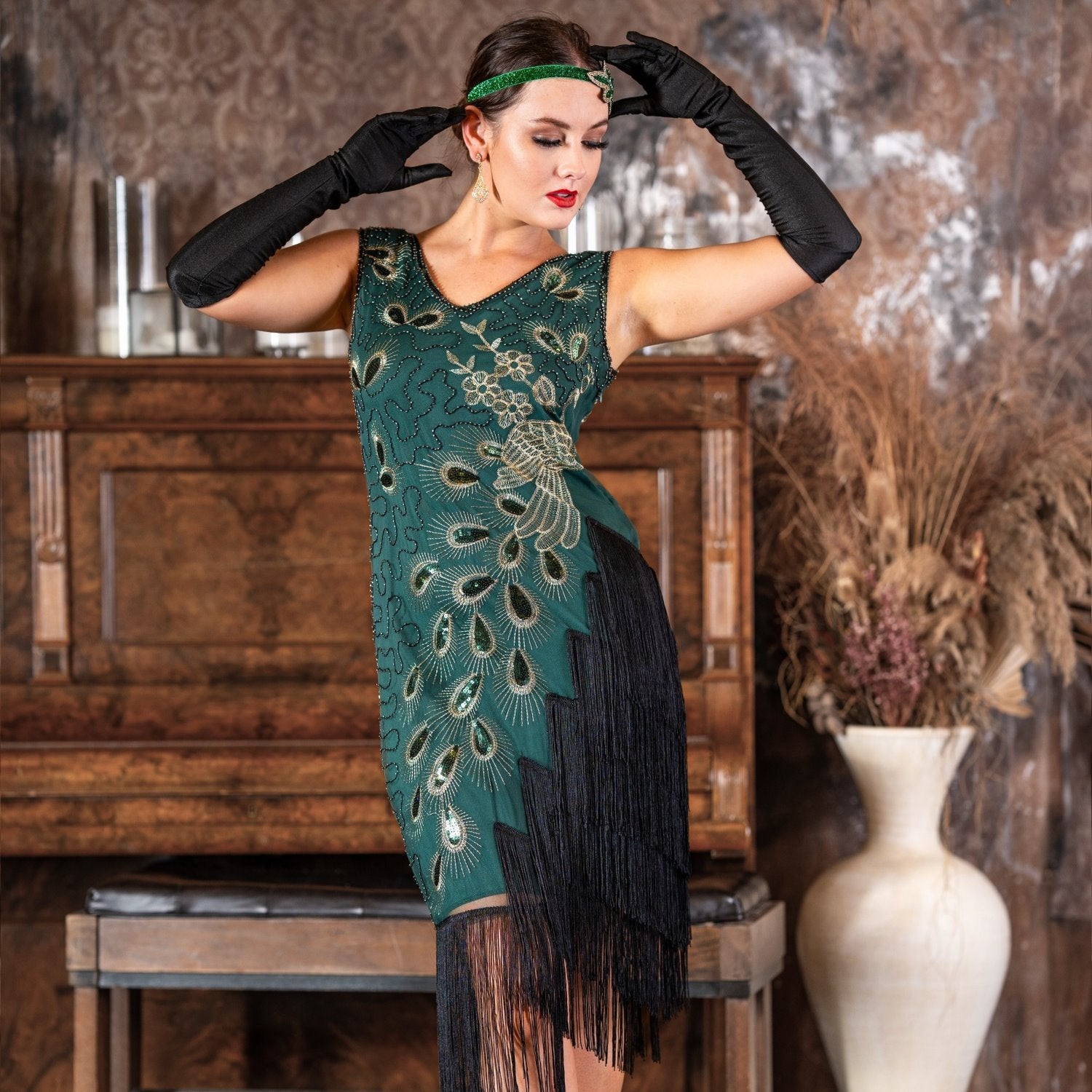
The term “flapper” originated in the 1920s, referring to a young woman who exuded energy and rebelled against the societal norms of the time. The flapper dress, as described by Wikipedia, was a reflection of this spirit, with its design allowing for greater mobility and comfort. The 1920s flapper dress was a statement of independence, as women began to challenge traditional gender roles and expectations. The shift towards shorter hemlines and more revealing clothing was not just a fashion trend but a cultural revolution.

Design Elements of the Flapper Dress
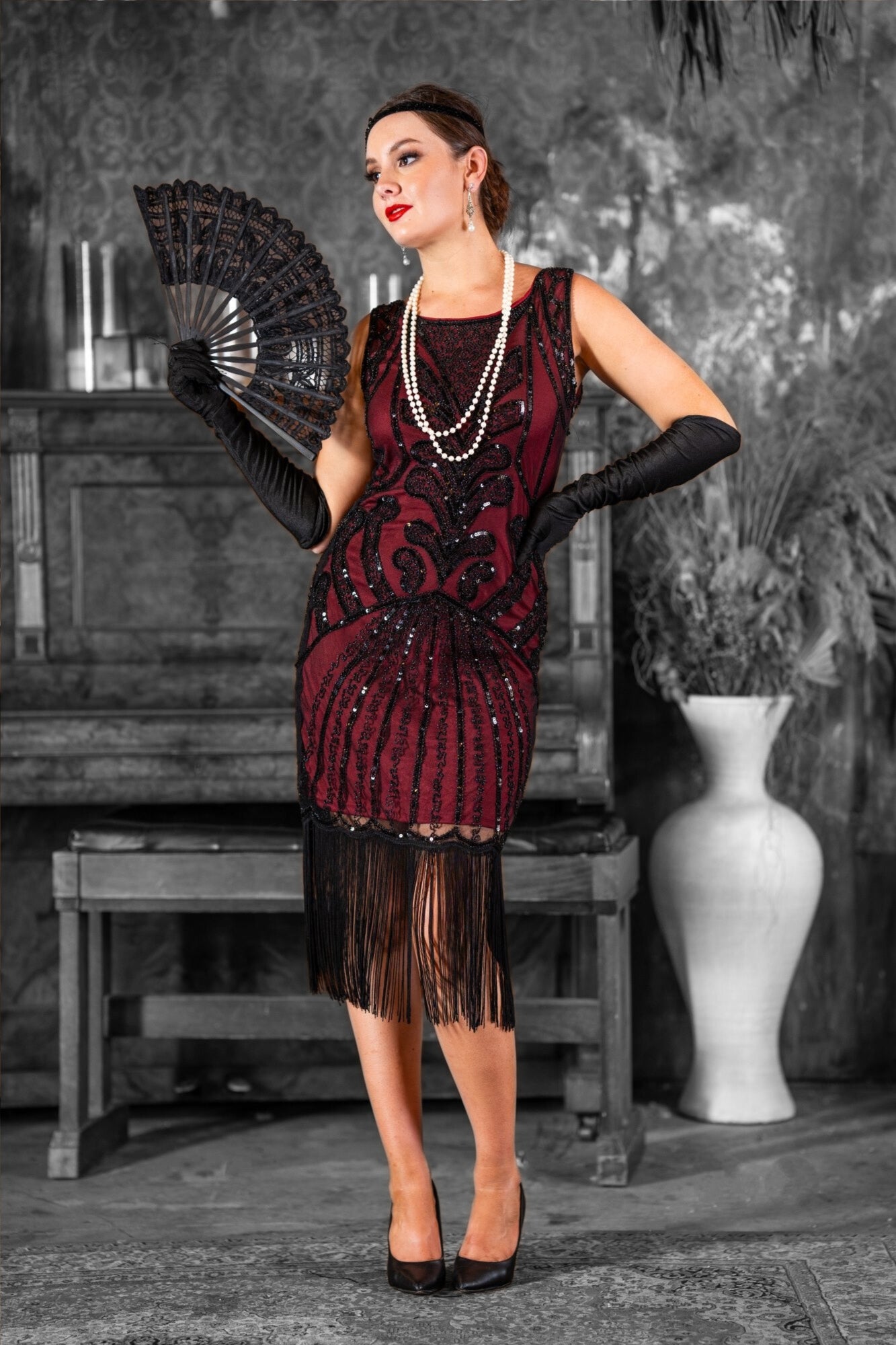
The design of the 1920s flapper dress was a radical departure from the S-shaped corsets and heavy petticoats of the Edwardian era. As explained by Quora, the flapper dress typically featured a low, dropped waistline that accentuated the natural figure, a straight or slightly flared skirt that fell just above the knee, and a sleeveless or short-sleeved bodice. The dress was often adorned with fringe, sequins, or beading, adding a touch of glamour and sparkle to the overall look. The simplicity and elegance of the flapper dress allowed women to dance and socialize with ease, embodying the spirit of the Roaring Twenties.
Cultural Impact and Legacy
The 1920s flapper dress was not just a fashion statement; it was a cultural phenomenon. As stated by Baidu Baike, the flapper became an emblem of the modern woman, representing a break from the past and a leap into a new era of equality and self-discovery. The flapper dress was a symbol of women’s newfound freedom, as they gained the right to vote and began to assert their independence in both the workplace and social settings. This cultural shift is also captured in literature and film, with characters like Jay Gatsby’s Daisy Buchanan in The Great Gatsby and the flapper girls in Moulin Rouge! embodying the essence of the era.
Reviving the Flapper Dress in Modern Fashion
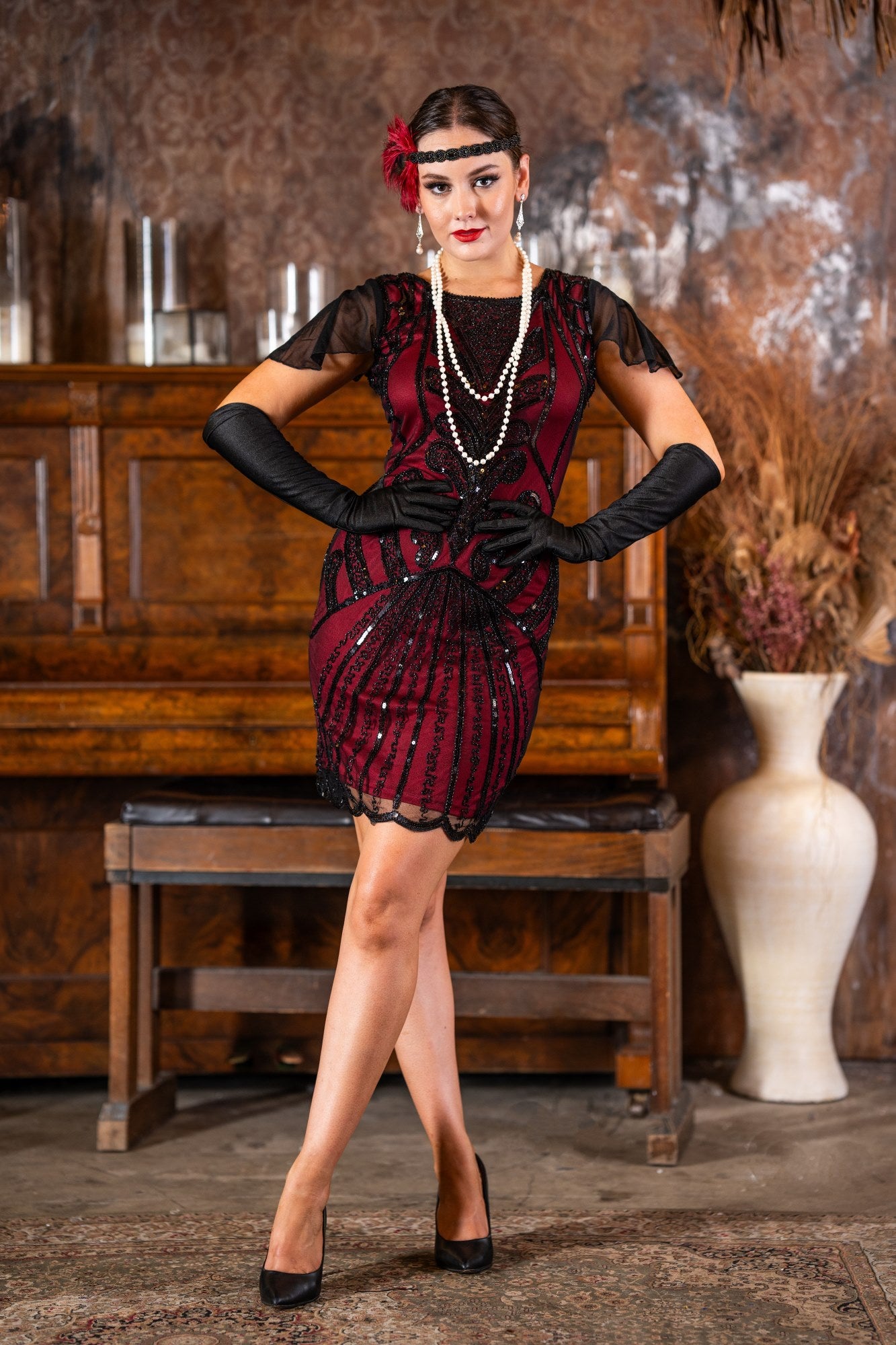
The influence of the 1920s flapper dress can still be seen in contemporary fashion, with designers and fashion enthusiasts alike drawing inspiration from this iconic style. As Vogue has noted, the flapper dress has made a comeback in various forms, from the sleek silhouettes on the runway to the playful, vintage-inspired looks seen at parties and events. The flapper dress continues to captivate with its blend of sophistication and rebellion, offering a timeless appeal that resonates with modern women who appreciate its historical significance and aesthetic allure.
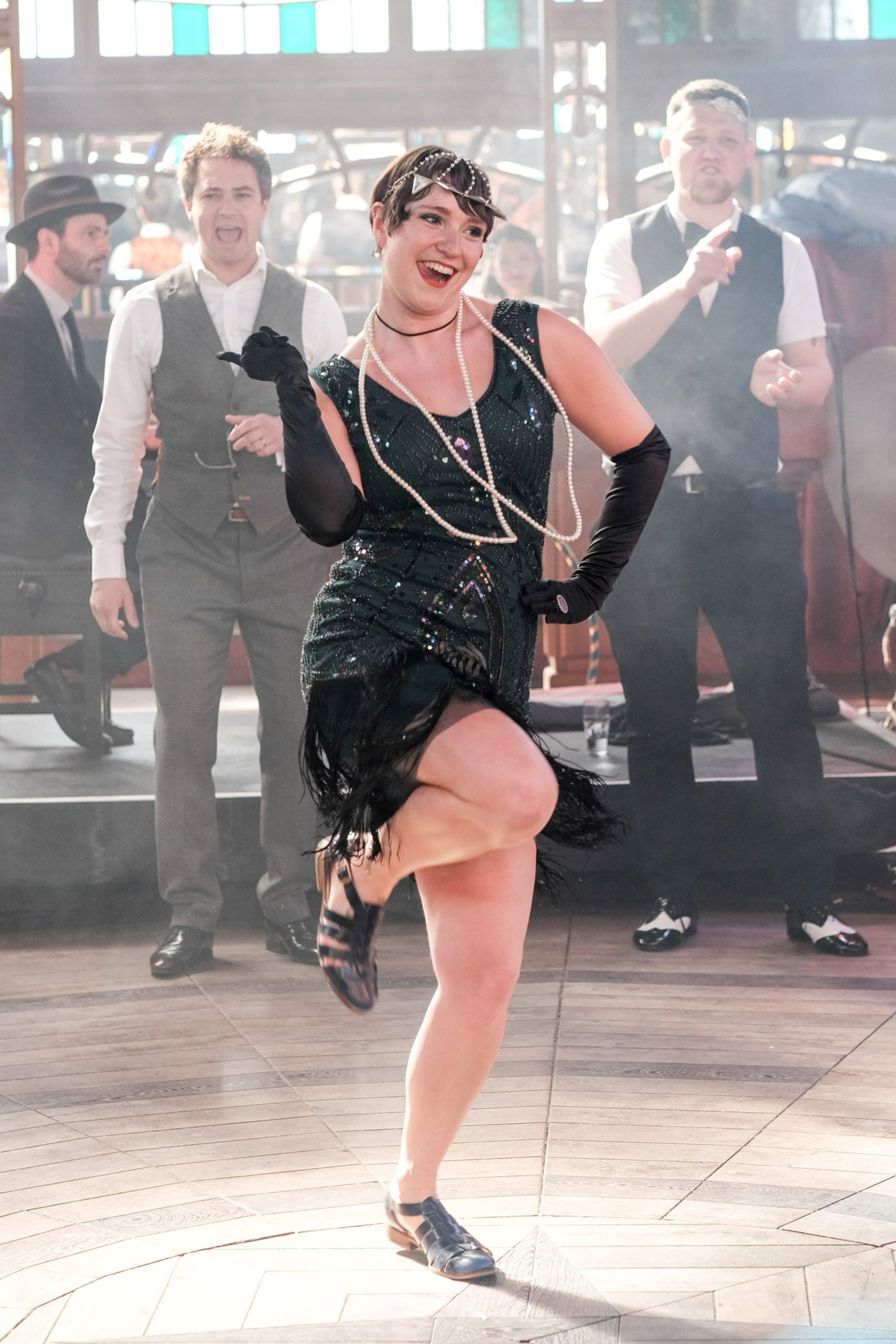
The 1920s flapper dress was more than just a fashion trend; it was a cultural revolution that continues to influence and inspire. Its legacy is a testament to the power of fashion to reflect and shape societal change. As we celebrate the spirit of the flapper, we are reminded of the importance of embracing individuality and challenging the status quo.