

How to Style a Retrofete Dress for Timeless Elegance
In the ever-shifting landscape of fashion, where trends flicker and fade with the seasons, the pursuit of a style that endures becomes a personal manifesto. It is not about rejecting the new, but about curating a wardrobe with pieces that possess an intrinsic, unwavering grace—garments that speak a language of sophistication beyond the temporal. This is where the artistry of a retrofete dress finds its profound resonance. More than just a garment, a Retrofete dress is a crafted narrative of modern glamour, drawing from the opulent silhouettes and meticulous details of bygone eras while being resolutely anchored in the present. To style such a piece for timeless elegance is to engage in a dialogue between personal expression and sartorial heritage, creating a look that feels both intimately yours and universally admired. It is an exercise in understanding balance: the sparkle of sequins against the simplicity of a clean line, the drama of a silhouette tempered by minimalist accessories. This journey is about unlocking the dress’s inherent potential, transforming it from a beautiful object into a cornerstone of your enduring style identity.
The Architectural Foundation: Silhouette and Fabric
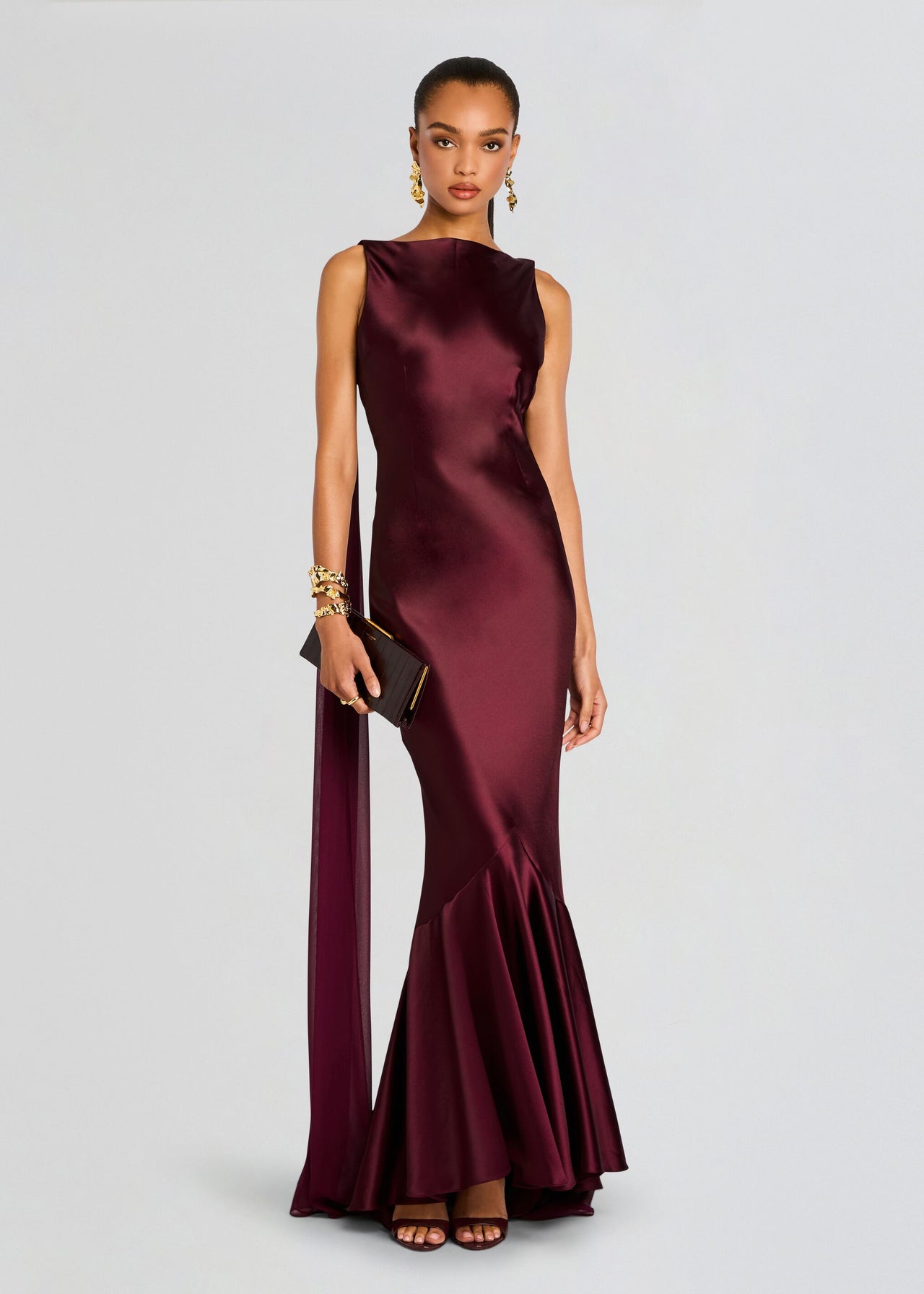
Before a single accessory is considered, the path to timeless elegance begins with a fundamental understanding of the dress’s own architecture—its silhouette and fabric. A retrofete dress often champions defined shapes: the columnar grace of a slip dress, the transformative drama of a ballgown skirt, or the precise geometry of a structured mini. These are not arbitrary forms; they are echoes of fashion history. The column dress, for instance, finds its lineage in the Greco-Roman chiton and was revived with minimalist severity in the 1990s by designers like Calvin Klein and Helmut Lang, becoming a symbol of understated power. The ballgown silhouette is a direct descendant of the 18th-century robe à la française and the 1950s New Look by Christian Dior, which celebrated hyper-femininity and post-war optimism. Understanding this lineage is not mere trivia; it informs how you wear it. A sleek column dress demands an appreciation for the unbroken line it creates, a line that has symbolized refined simplicity for decades. The fabric is its accomplice. Retrofete frequently employs luxe materials: heavy silks that drape with intention, duchess satins that hold their shape with regal authority, and intricate lace that whispers of craftsmanship. As the iconic designer Coco Chanel once posited, “Luxury must be comfortable, otherwise it is not luxury.” This intersection of opulent fabric and considered silhouette is the first step. It requires you to move with a certain consciousness, to allow the dress to articulate its own story. Dressing for timelessness means choosing a silhouette that complements your form in a way that feels classic, not costumed, and a fabric whose quality is palpable, ensuring the dress remains a cherished item rather than a fleeting novelty.

The Alchemy of Accessorizing: Less as a Strategic More
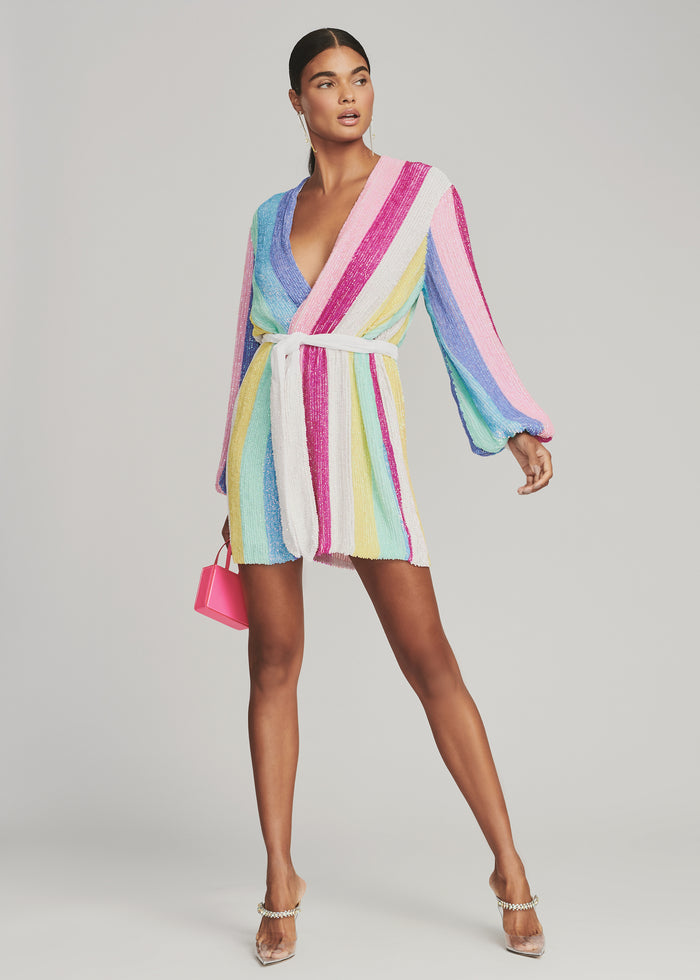
Accessorizing a statement piece like a Retrofete dress is an exercise in strategic restraint, a concept championed by architects like Mies van der Rohe with his axiom “less is more.” The dress, with its likely sequins, bold color, or dramatic cut, is already delivering a powerful soliloquy; your accessories should provide thoughtful punctuation, not start a competing monologue. The goal is to create a harmonious whole where no single element overwhelms. Consider the wisdom of stylists like Rachel Zoe, who famously stated, “Style is a way to say who you are without having to speak.” With a sequined retrofete dress, let the sparkle be the star. Pair it with sleek, metallic sandals in a matching or neutral tone—a thin strap heel that elongates the leg without visual clutter. Jewelry should follow the same principle. A single, well-chosen piece often holds more power than a collection. A solitary, elegant necklace or a pair of simple diamond studs (or high-quality cubic zirconia) can frame the face and draw attention to the neckline without conflict. This approach is rooted in the Gestalt principle of perception, where the human mind perceives the whole as greater than the sum of its parts. Your ensemble—dress, shoes, jewelry—should form a cohesive “gestalt” of elegance. A classic leather clutch in black, nude, or a metallic finish provides a textural counterpoint to the dress’s shine while maintaining sophistication. Remember, timeless style often resides in iconic, simple pieces: the nude pump, the diamond stud, the structured bag. These are the supporting actors that allow the lead—your retrofete dress—to truly shine, ensuring the look remains focused and elegant for years to come.
Context is King: Adapting the Dress to Your Narrative
A garment achieves timelessness not only through its design but through its versatility—its ability to adapt and narrate different stories in different settings. A retrofete dress possesses this chameleonic quality when styled with intention. For a formal evening gala, the dress can stand in its full glory. Pair a sequined column gown with those minimalist accessories and an elegant updo. But timeless elegance also thrives in translation. Consider the transformative power of layering. A sharp, tailored blazer in wool or crepe thrown over a sparkling mini dress instantly pivots the look from cocktail party to chic dinner or even a sophisticated daytime event, borrowing from the power-dressing ethos of the 1980s. For a cooler evening, a sleek leather moto jacket introduces an edge of contrast, a styling trick seen on fashion icons like Kate Moss, who mastered the art of mixing high glamour with rock ‘n’ roll cool. Footwear can also dictate the narrative. Swapping stilettos for a pair of clean, white leather sneakers with a sequined dress creates a juxtaposition that is thoroughly modern and incredibly stylish—a look propagated by street-style stars and fashion editors, showcasing how high-low dressing can feel fresh and personal. This adaptability is key. It means your investment in a Retrofete dress yields multiple returns, allowing it to be the centerpiece of various chapters in your life. It moves from a black-tie event to an anniversary dinner to a stylish brunch, not by changing itself, but by changing the conversation around it through thoughtful styling choices.
The Finishing Touches: Hair, Makeup, and Demeanor
The final layer of timeless elegance is intangible yet unmistakable: it is the complete picture presented by hair, makeup, and personal demeanor. These elements should complement the dress’s character, not compete with it. Hairstyling offers a clear avenue for balance. An elaborate, beaded gown might be best served by a sleek, low chignon or soft, old-Hollywood waves—styles that evoke the grace of Audrey Hepburn or Grace Kelly. A minimalist slip dress, conversely, can handle more volume or a modern, textured bob. Makeup should follow a similar philosophy of enhancement. A bold lip color, a classic red perhaps, can be the perfect accessory to a simpler dress, a technique famously used by figures like Sophia Loren. With a heavily sequined or brightly colored dress, a more neutral, glowing complexion with defined eyes might be the ideal counterpart. This philosophy is supported by the concept of “peak-end rule” in psychology, which suggests people judge an experience largely based on how they felt at its peak and at its end. Your overall appearance is the “experience.” The dress is the peak, but the finish—flawless skin, polished hair, confident posture—is what creates the lasting, elegant impression. Ultimately, timeless elegance is as much about how you carry the dress as what the dress carries. It’s the straight yet relaxed posture, the genuine smile, the ease of movement. It is the understanding, as fashion journalist Diana Vreeland implied, that elegance is innate and reflected in attitude. The dress is the canvas, but you are the art.
Investment and Care: Preserving the Timeless Piece
True timelessness implies longevity, which for a garment translates to quality and preservation. Investing in a retrofete dress is an investment in craftsmanship. The brand’s use of premium fabrics and detailed construction (like hand-set sequins or French seams) aligns with the principles of slow fashion—choosing quality over quantity, a viewpoint increasingly supported by environmental researchers and ethical fashion advocates. To protect this investment, proper care is non-negotiable. Always adhere to the label’s instructions. Sequined and delicate items often require professional cleaning. Store the dress in a breathable garment bag, away from direct sunlight to prevent fading. Consider this care ritual as part of the dress’s story, a way of honoring the artistry it represents. Furthermore, the timeless appeal of such a dress can be economically savvy. While the initial outlay may be higher than a fast-fashion alternative, its cost-per-wear over a decade—thanks to its classic styling and durable make—plummets, and its emotional value appreciates. It becomes a relic of personal history, worn for milestone events, its value compounded by memory. In this light, the dress transcends being a mere purchase; it becomes a curated addition to a personal archive of style.

The journey to styling a Retrofete dress for timeless elegance is ultimately a journey back to oneself. It is a process of discernment, where you learn to highlight the dress’s inherent drama through subtlety, to honor its history by wearing it with contemporary confidence, and to extend its life through mindful care. It moves beyond the superficial layers of trend to touch upon principles of design, psychology, and personal narrative. When you master this balance, the dress ceases to be a costume for a single night and becomes an extension of your own enduring style—a piece that feels right, looks extraordinary, and tells your story, year after year. That is the true definition of elegance that stands outside of time.