

The Ultimate Guide to Cross Back Bras
In the vast landscape of lingerie and activewear, few designs have managed to bridge the gap between foundational support and high-fashion statement as seamlessly as the cross back bra. This isn’t merely a trend that comes and goes with seasonal collections; it is a thoughtful engineering solution wrapped in aesthetic appeal. For anyone who has ever struggled with slipping straps during a workout, experienced discomfort from a rigid band, or simply desired a silhouette that enhances rather than confines, the cross-back design presents a compelling answer. Its architecture speaks to a deeper understanding of biomechanics and personal style, offering a unique combination that standard bras often fail to deliver. As we delve into the intricacies of this garment, we move beyond superficial catalog descriptions to uncover the principles that make it a staple for diverse lifestyles, from the yoga studio to the city streets.
The Anatomy of Support: Deconstructing the Cross-Back Design
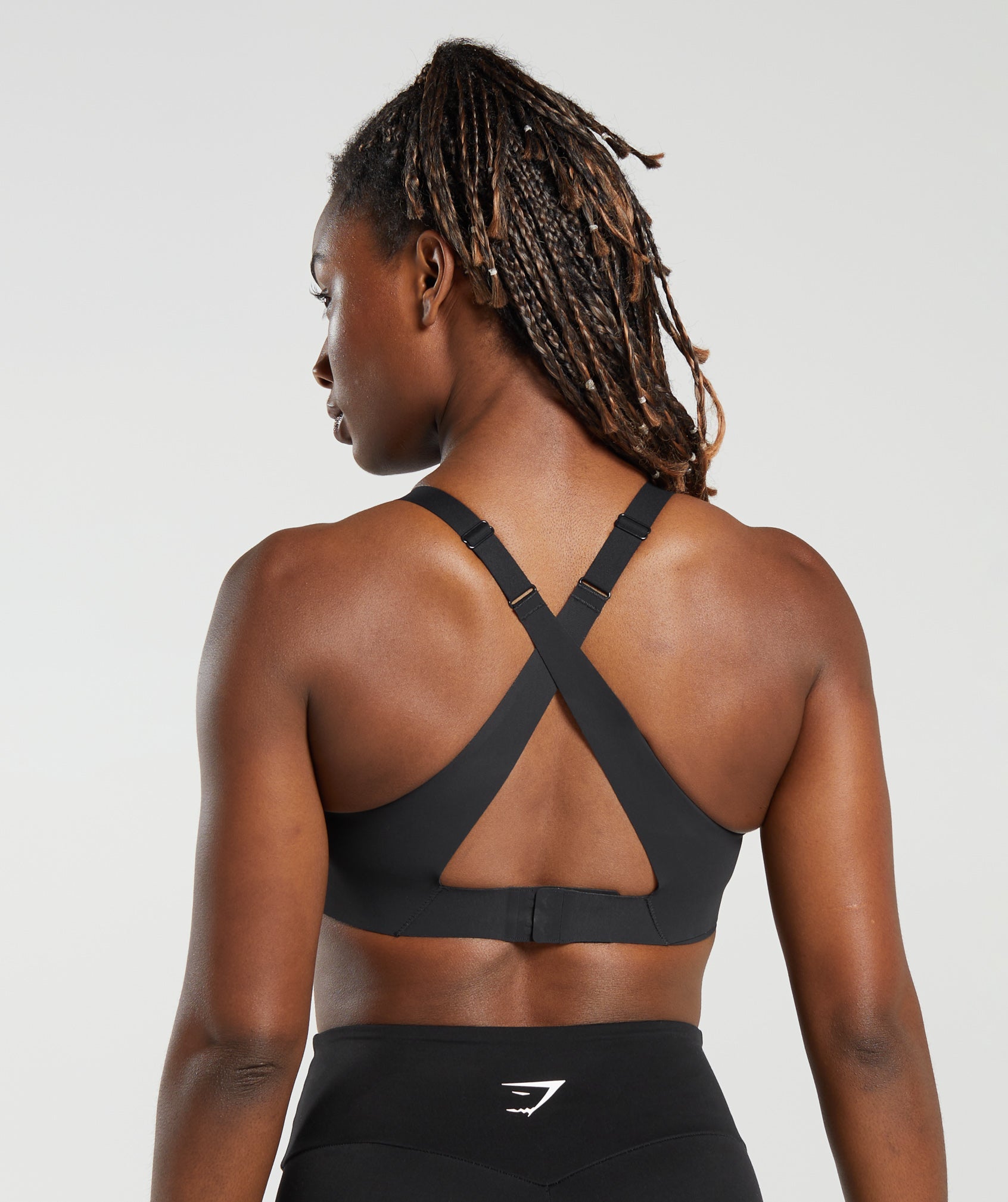
To appreciate the value of a cross back bra, one must first understand its fundamental departure from traditional bra design. A conventional bra typically relies on parallel straps that run vertically over the shoulders, transferring the weight and support load primarily to the shoulder muscles and the band beneath the bust. This can often lead to pressure points, strap slippage, and for those with fuller busts, significant shoulder strain. The cross-back design re-engineers this support system. By having the straps cross or converge between the shoulder blades, it creates a triangular or “X” shaped harness on the back. This configuration fundamentally alters the vector of force. According to principles derived from biomechanics and apparel engineering, this crossed structure distributes weight more evenly across the upper back and torso, rather than concentrating it on the shoulders. It effectively utilizes the larger muscle groups and skeletal structure of the upper back, providing a more secure and stable foundation. This is not just a matter of comfort; it’s a matter of physics. The crossed straps minimize vertical pull, reducing the likelihood of the band riding up and ensuring the underwire or cup remains in its intended position. For active pursuits, this means enhanced motion control and reduced bounce. For everyday wear, it translates to a sensation of being held securely without being constricted, a feeling often described as a “hug” rather than a “bind.”
From Catwalks to Gym Floors: The Versatile Appeal
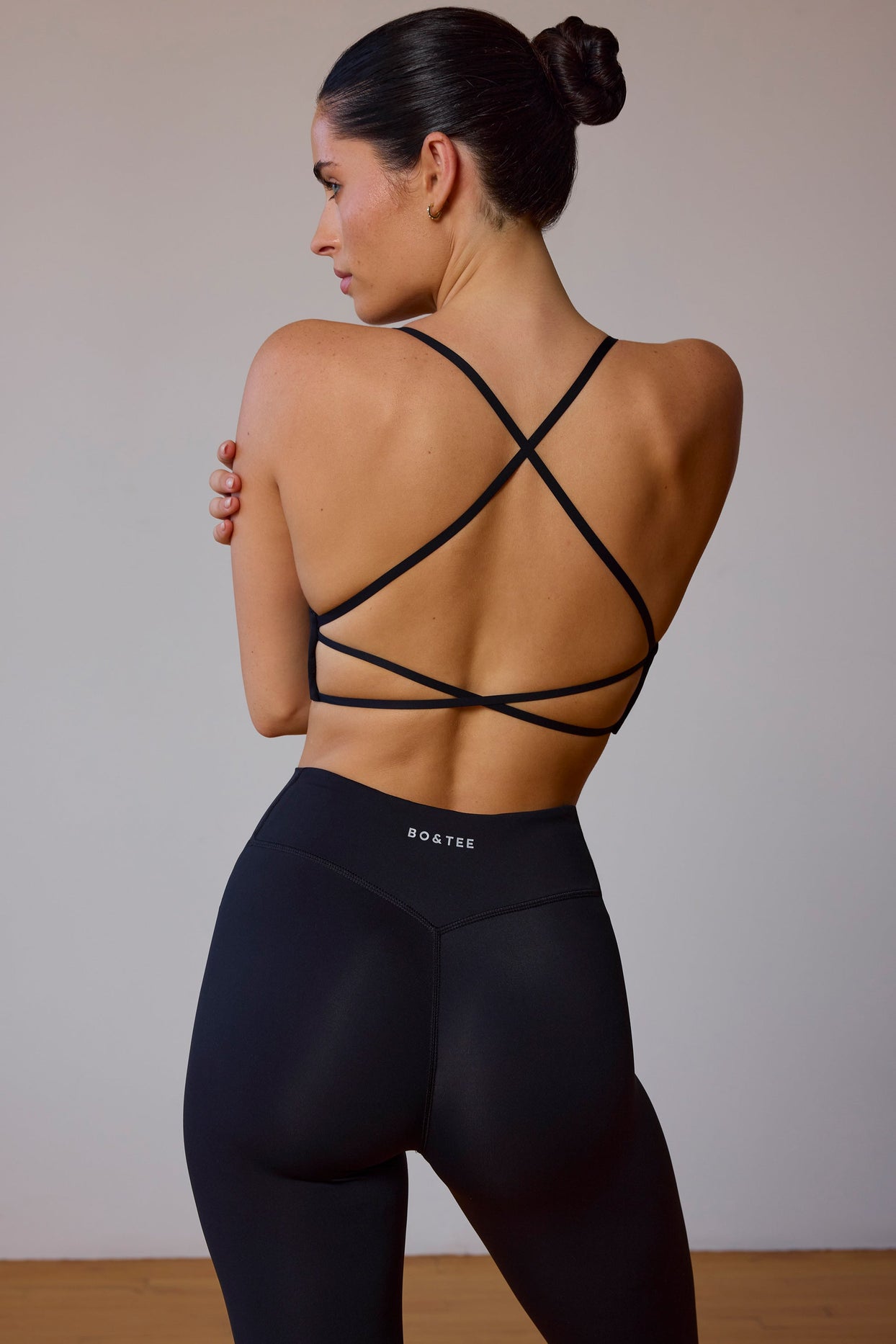
The ascent of the cross back bra from a functional undergarment to a visible fashion piece is a testament to its versatile design. In the realm of high fashion, designers have long been fascinated with back detailing. The crisscrossing straps of a bra create an architectural, visually interesting pattern that transforms the back into a focal point. This aligns perfectly with trends toward open-back tops, dresses, and sheer panels. As fashion historian and author Valerie Steele has noted in her analyses of lingerie’s role in fashion, “The back has become the new frontier for design, a space for surprise and sensuality.” The cross-back bra capitalizes on this, offering a stylish solution that is meant to be seen. Conversely, in activewear, its value is purely performance-driven. Major athletic brands have extensively researched strap configurations for sports bras. A study often cited in apparel science literature from universities like Cornell’s College of Human Ecology points to non-parallel, racerback, and cross-back styles as superior for high-impact activities due to their superior restriction of breast motion. Thus, the same foundational design that allows a fashion influencer to style a daring backless dress empowers an athlete during a high-intensity interval training session. This dual identity is rare. You are investing in a piece that functions as both reliable technical gear and a deliberate fashion accessory, maximizing the utility and cost-per-wear of your wardrobe.
Navigating Fit and Style: A Practical Handbook
Understanding the theory is one thing; selecting the right cross back bra for your body and needs is another. The first and most critical rule is that the support should come from the band, not the straps. This is universally true for all bras but is especially crucial here. When trying on a cross-back style, ensure the band is snug and level around your ribcage, providing the majority of the lift. The crossed straps should feel supportive but not bear the full weight; their primary role is stabilization. Fit challenges can arise with torso length and shoulder mobility. Some cross-back designs are fixed, creating a permanent “racerback” style, while others feature convertible or J-hook closures that allow you to switch between traditional and crossed configurations. The latter offers immense flexibility. For those with broader shoulders or limited range of motion, a clasp that allows you to fasten the bra normally and then connect the straps in the back is often easier to manage. In terms of style, consider the neckline of your outerwear. A deep cross that forms a low “V” on the back is ideal for plunge-back outfits, while a higher cross can provide more coverage and a sportier look. The width and design of the straps also contribute to the aesthetic—thin, delicate straps for evening wear, and wider, padded straps for athletic support.
Dispelling Myths: Separating Fact from Fiction
A common misconception surrounding the cross back bra is that it is unsuitable for larger bust sizes. This belief likely stems from the idea that thinner, crossing straps cannot possibly provide adequate support compared to wider, traditional ones. However, this conflates strap width with support architecture. As previously explained, the support in a well-designed bra comes from the band, cups, and overall structure. The cross-back configuration enhances this by improving stability. Many lingerie brands specializing in fuller bust ranges, which base their designs on extensive fitting research and data, offer cross-back styles precisely because they provide superior security and minimize strap slippage—a frequent complaint among those with larger cup sizes. Another myth is that cross-back bras are inherently uncomfortable or dig into the shoulders. This is typically a sign of poor fit, often a band that is too large, forcing the straps to compensate. When fitted correctly, the weight distribution should alleviate pressure, not create it. It’s also worth noting the opinion of certified bra fitters, whose expertise is often shared on platforms like YouTube. As one such expert, who has fitted thousands of clients, stated in a tutorial: “A properly fitted cross-back bra can be a revelation for many body types. It solves the ‘disappearing strap’ issue and can dramatically improve posture by engaging the upper back muscles differently. Don’t write it off based on assumptions—get professionally fitted for one.” This professional insight underscores the importance of moving beyond generalizations.
The Informed Investment: Quality, Care, and Value
Purchasing a cross-back bra is an investment in both comfort and style, and like any investment, it pays to be informed. The quality of materials is paramount. Look for bras with a blend of fabrics: nylon and spandex (Lycra) are essential for stretch and recovery, while moisture-wicking properties are critical for active versions. The hardware—the hooks, eyes, and any sliders or J-hooks—should feel substantial and secure, not flimsy. Seam construction is another indicator; flat, bonded seams prevent chafing and are less visible under clothing. Caring for your bra properly extends its lifespan exponentially. Always fasten hooks before washing to prevent snagging, and use a lingerie bag. Hand-washing in cool water with a gentle detergent is ideal, but if machine washing, use a delicate cycle and never put it in the dryer. The heat from dryers breaks down elastane fibers, causing the band to lose its elasticity—the very source of its support. Now, let’s talk value. While premium brands command higher prices due to R&D, precision sizing, and quality materials, the market offers excellent options at various price points. The key is to identify the features that matter most to you. Is it maximum support for running? Look for encapsulated cups and a wide, power-mesh back panel. Is it for fashion under a sheer top? A lace overlay and delicate straps may be the priority. By aligning your purchase with your primary need, you ensure true value. And for a limited time, readers seeking to experience this fusion of support and style can explore our curated collection with an exclusive introductory discount, making that first foray into the world of superior design even more accessible.

The journey through the world of the cross back bra reveals a garment of remarkable intelligence and adaptability. It is a solution born from listening to the common frustrations associated with traditional designs and responding with innovation that serves both the body and personal expression. It challenges the outdated notion that support must be boring and that style must come at the expense of comfort. Whether your day is scheduled with back-to-back meetings, a demanding fitness class, or a special evening out, this single piece of clothing has the capacity to provide a foundation of confidence. It empowers you to move freely, dress boldly, and feel secured not just by fabric and thread, but by a design that truly understands the contours and dynamics of the human form. In embracing the cross-back bra, you are not just choosing an undergarment; you are opting into a smarter, more integrated approach to how you dress and live.