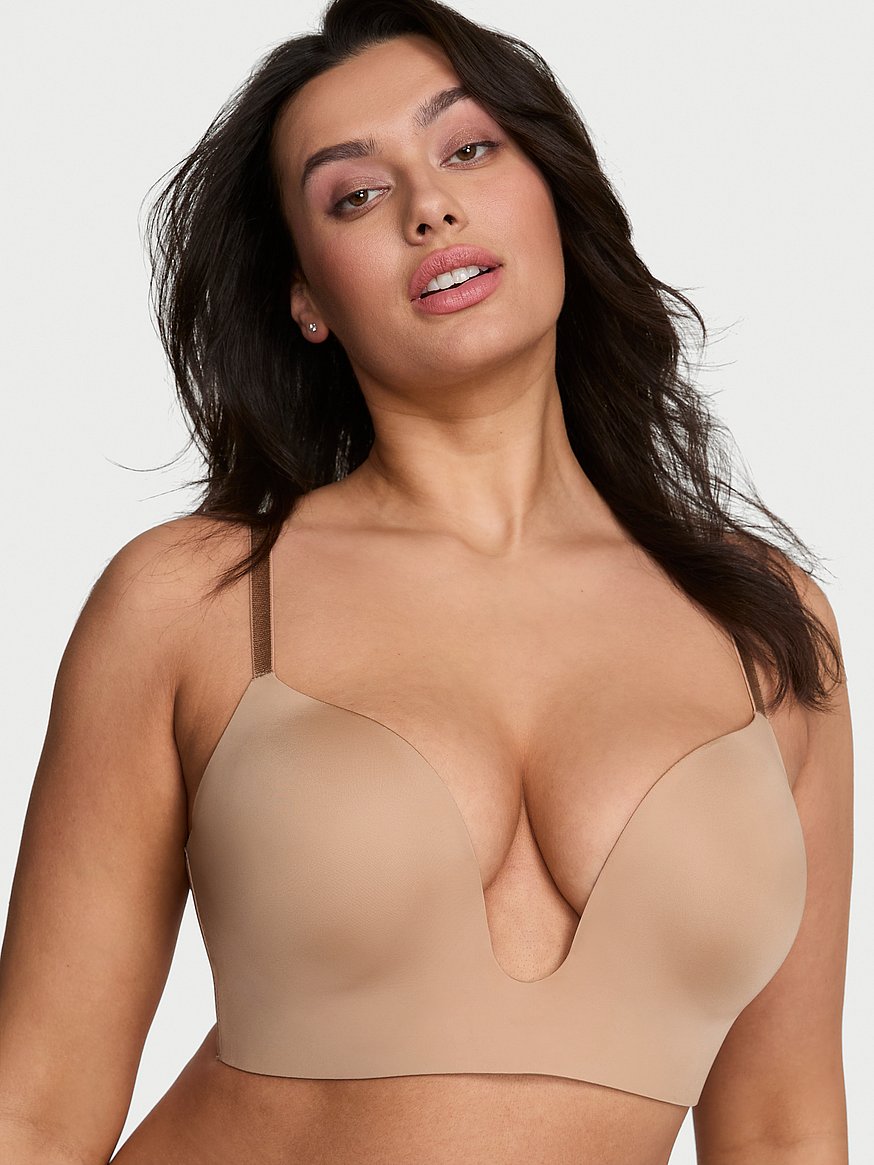
Mastering Deep Plunge Bras for Every Outfit
Navigating the world of lingerie to find pieces that are both functional and flattering can feel like a complex puzzle. The right undergarment doesn’t just provide support; it transforms your silhouette, boosts your confidence, and becomes the invisible foundation for your personal style. Among the most versatile yet misunderstood tools in this arsenal is the deep plunge bra. Far from being a niche item for specific necklines, a well-chosen plunge bra is a wardrobe essential that can unlock the potential of countless outfits, from professional wear to evening glamour. This guide moves beyond basic advice, offering a comprehensive, scientifically-informed perspective on how to select and wear plunge bras, empowering you to make informed choices that blend professional knowledge with savvy shopping for the best value.
The Anatomy and Science of the Deep Plunge
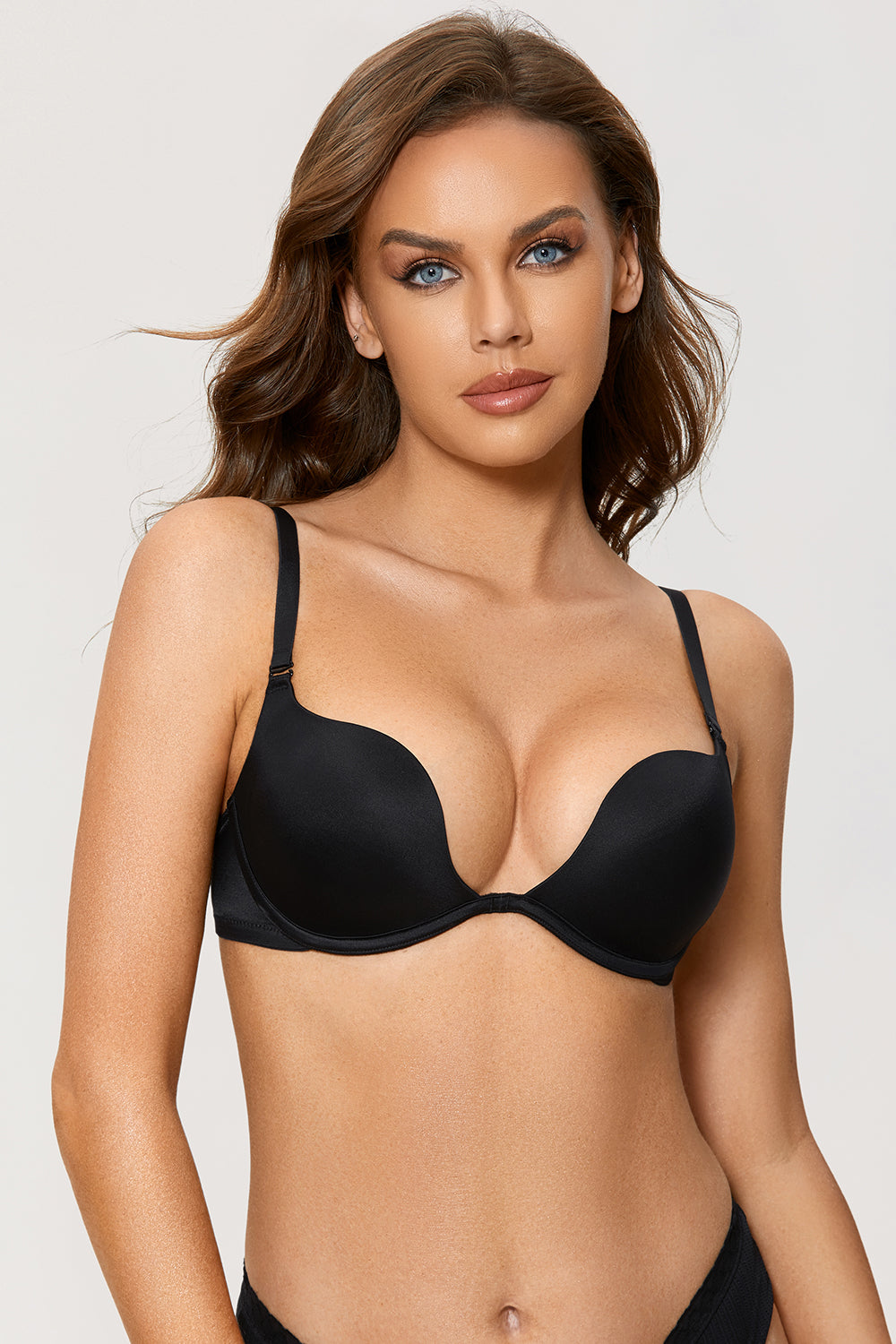
To master the use of any tool, one must first understand its construction and purpose. A deep plunge bra is characterized by its dramatically low center gore—the piece of fabric or wire that connects the two cups at the front. Unlike full-coverage or balconette styles, the gore on a plunge bra sits very low, often several inches below the sternum. This design is not merely aesthetic; it serves a specific biomechanical function. According to research into apparel engineering and biomechanics, the primary support in an underwire bra comes from the band (providing about 80% of the lift) and the wires themselves, which channel breast tissue forward and upward. The low gore ensures no fabric interferes with low-cut necklines, while angled side wings and underwires are engineered to provide medial (inward) and upward support, counteracting lateral migration of tissue—a common issue noted in studies on breast motion. This precise engineering allows the deep plunge bra to create cleavage and shape without the cups being visible, addressing a key wardrobe challenge. As fashion historian Valerie Steele noted in her work “The Corset: A Cultural History,” the evolution of lingerie has always been tied to outerwear silhouettes. The modern plunge bra is a direct response to the popularity of V-neck and wrap-style clothing, proving that intimate apparel innovation is driven by visible fashion trends.

Demystifying Fit: Beyond the Tape Measure
Finding your correct size is the non-negotiable first step, yet it’s where most mistakes are made. The ubiquitous “add four inches” method is a relic with no basis in modern bra design science. Professional fitters and organizations like The Bra Doctor on YouTube emphasize a two-step process: the band measurement (underbust) taken snugly, and the bust measurement taken loosely at the fullest part. The difference in inches correlates to your cup letter. However, for a deep plunge bra, fit nuances are critical. The center gore must lie flat against your sternum; if it floats, the cup is too small or the band is too large. The underwire should encase all breast tissue at the sides, following your inframammary fold precisely—not sitting on breast tissue. A common misconception, often discussed on platforms like Reddit’s r/ABraThatFits, is that plunge bras offer less support. In reality, a properly fitted plunge provides excellent support for many breast shapes (particularly those with more center fullness) by bringing tissue forward and center. If you experience gaping at the top of a plunge cup, you may need a style designed for less upper fullness or a smaller cup size. Remember, your bra size is not a static number; it can fluctuate with weight, hormonal cycles, and across different brands. View it as a starting guideline, not an absolute rule.
The Strategic Wardrobe: Pairing Plunge with Silhouette
The true power of the deep plunge bra is realized when it’s strategically paired with your clothing. Its design solves specific neckline challenges that other bras create. For the classic V-neck blouse or dress, a plunge bra is indispensable. It remains completely hidden, allowing the clean lines of the neckline to shine without the distraction of bra straps or cups. With wrap dresses and tops, which often have a deep, overlapping front, a plunge bra provides coverage and security exactly where it’s needed, preventing awkward gaps or visible edges. When wearing sheer or lace-paneled tops, a nude-colored plunge bra (one that matches your skin tone closely, not necessarily “beige”) becomes a seamless layer, allowing the fabric’s design to be the focus while maintaining modesty. For eveningwear with dramatic plunging necklines, specialized ultra-deep plunge or “low-back/plunge” convertible styles exist. These often feature removable straps and ingeniously low centers to accommodate even the most daring cuts. As stylist Allison Bornstein frequently highlights on her social media, “Your lingerie is the first layer of your outfit.” Choosing the right bra is as intentional as choosing the right shoes; it’s a foundational style decision.
Material Matters: Fabric Technology and Skin Response
The materials composing your plunge bra directly impact comfort, appearance, and skin health. Modern lingerie utilizes advanced textiles, and understanding them leads to better choices. For a smooth, invisible look under tight knits or thin silks, seamless bras made from microfiber blends or molded foam cups are essential. These fabrics are engineered to resist showing seams or textures through clothing—a principle in textile science known as “show-through resistance.” For breathability, especially in warmer climates, look for bras with moisture-wicking properties, often found in performance-oriented brands or those using cotton blends in key areas. However, be mindful of skin sensitivities. As dermatologist Dr. Whitney Bowe explains in her book “The Beauty of Dirty Skin,” synthetic fabrics can sometimes trap heat and moisture, potentially disrupting the skin’s microbiome. If you have sensitive skin, seeking out plunge styles with organic cotton linings or OEKO-TEX certified fabrics (which guarantee the absence of harmful substances) can be a worthwhile investment. The choice between lace and smooth fabric is also strategic: lace offers breathability and aesthetic beauty for when the bra might be partially seen, while smooth fabrics prioritize invisibility under clothing.
Investing in Value: Quality, Durability, and Smart Shopping
An effective deep plunge bra is an investment in both your wardrobe and daily comfort. The adage “you get what you pay for” often holds true in lingerie, but intelligent shopping maximizes value. High-quality bras feature stronger elastics that maintain their tension over time, more durable stitching (like flatlock seams that resist chafing), and precisely shaped underwires that are less likely to warp or poke through. These features extend the garment’s lifespan, providing a better cost-per-wear. To find discounted prices without sacrificing quality, consider these strategies: shop end-of-season sales from reputable brands, subscribe to newsletters for early access to promotions, and explore reputable online retailers known for consistent discounts. Websites like Bare Necessities or HerRoom often have extensive sale sections. Before purchasing, always check the return policy. A slightly higher initial cost for a bra that fits perfectly is more economical than buying three cheaper, ill-fitting ones that end up unused in a drawer. Remember, a proper fit is the ultimate determinant of value—a $20 bra that fits perfectly is a better buy than an $80 bra that doesn’t.

Beyond the Basics: Addressing Common Concerns and Myths
Several persistent myths can deter individuals from embracing the plunge style. One major concern is support, particularly for larger busts. While it’s true that some extreme plunge styles may offer less support than a full-coverage bra, many brands now engineer plunge bras with reinforced side panels, wider bands, and strategic seaming specifically for D+ cups. Brands like Panache, Elomi, and Freya are celebrated in online communities for their supportive plunge options. Another myth is that plunge bras are only for creating dramatic cleavage. While they excel at that, a well-fitted plunge in a natural shape can also provide a rounded, separated look under a crew neck, simply by virtue of its superior side support and forward projection. The key is selecting the right shape for your desired outcome. Furthermore, the idea that uncomfortable means supportive is outdated. As bra fit expert and author Jene Luciani states, “Pain is not a sign of good fit.” A properly fitted plunge bra should feel secure and lifted without digging, pinching, or causing shoulder strain. Discomfort is a signal that something in the size, shape, or style is wrong.
Mastering the deep plunge bra is an exercise in technical knowledge and personal expression. It requires understanding its engineered design, committing to a precise fit, and strategically deploying it within your wardrobe. This piece of lingerie is more than an undergarment; it’s a solution-oriented tool that expands your sartorial freedom, allowing you to wear the clothes you love with confidence and comfort. By applying this informed approach—valuing fit over fashion trends, understanding materials, and shopping strategically for quality—you transform the plunge bra from a occasional necessity into a cornerstone of a versatile, empowered, and stylish wardrobe.