

Finding the Perfect Fit for Confidence and Style
Clothing is more than fabric; it is a second skin, a declaration of self. When it fits—truly fits—it becomes an extension of our being, granting a unique alchemy of comfort and poise. Nowhere is this more profoundly felt than in the foundation of an outfit: the bra. For individuals with fuller busts, particularly those seeking E cup bras, the journey to find that perfect union of support and aesthetics can feel daunting. It’s a search often mired in misconceptions about size, style, and what “good fit” actually means. This isn’t merely about underwear; it’s about engineering a personal sense of confidence from the ground up. The right bra doesn’t just hold you up; it lifts your spirit, aligns your posture, and allows your personal style to shine without constraint. Let’s dismantle the myths and build a foundation of knowledge, turning the challenge of finding a perfect fit into an empowering act of self-care.
The Science and Psychology of a True Fit
To understand the importance of a well-fitted bra, we must first acknowledge the biomechanics at play. The human breast is composed of glandular tissue, fat, and ligaments (Cooper’s ligaments) that provide intrinsic but limited structural support. According to research from institutions like the University of Portsmouth’s Breast Health Research Group, excessive, unsupported movement—common in ill-fitting bras—can lead to stretching of these ligaments and contribute to breast pain, discomfort, and long-term sagging. A properly fitted bra provides external load-bearing, distributing the weight across the stronger muscles of the back and shoulders rather than letting it strain the delicate structures of the chest. This is not vanity; it’s applied physiology. Psychologically, the impact is equally significant. Social psychologists often reference the concept of “enclothed cognition,” where the symbolic meaning and physical experience of our clothing alter our psychological processes. A bra that fits perfectly, like a well-tailored E cup bra, can reduce self-consciousness, increase feelings of competence, and allow one to engage with the world from a place of assuredness rather than constant physical adjustment. It transforms an item of clothing into a tool for confident presence.
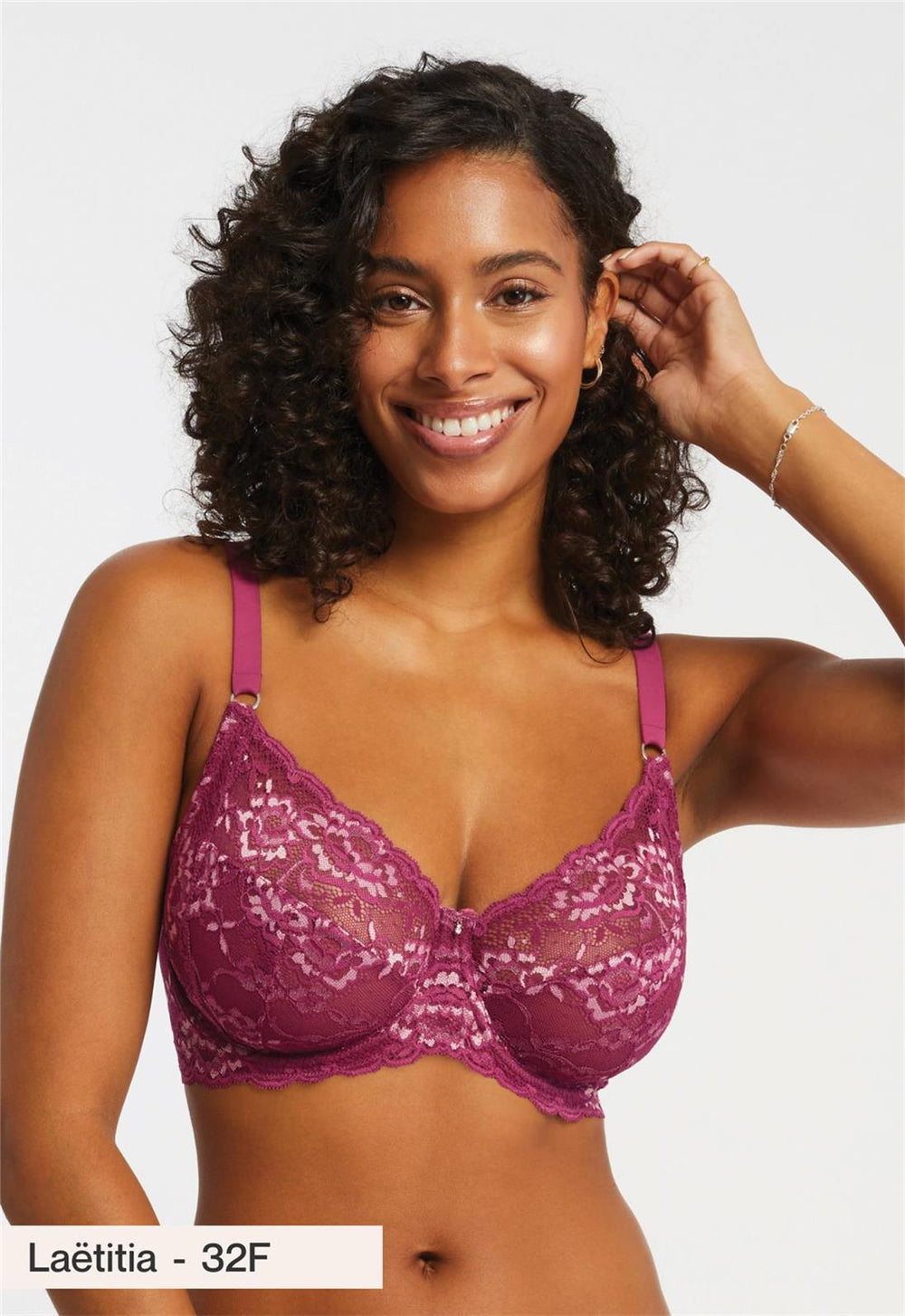
Decoding the Alphabet: What “E Cup” Truly Means
The letter in a bra size is one of the most misunderstood metrics in apparel. An “E cup” does not denote an absolute volume; it indicates a proportional difference. In standard sizing, the cup letter represents the difference between the bust measurement (around the fullest part) and the underbust measurement (the band size). An E cup typically signifies a difference of approximately 8 inches. Crucially, a 34E and a 40E are sisters in proportion, not in volume—the 40E will have a larger cup capacity to match its larger band. This is why simply shopping by cup letter is a recipe for frustration. The band, providing up to 80% of a bra’s support according to fit experts, must be snug and level around the torso. If it rides up, the support system fails, placing undue stress on the straps and cups. For those exploring E cup bras, understanding this relationship is liberation. It shifts the focus from a stigmatized letter to a precise engineering specification: the right band and cup combination creates a harmonious balance where the band anchors, the cups encapsulate, and the body is free to move with grace and stability.
Beyond the Tape Measure: The Five-Point Fit Checklist
Professional fitters use a holistic checklist, and so should you. First, The Band: It should be parallel to the floor and snug enough to stay in place without digging, allowing only two fingers to slide underneath comfortably. Second, The Center Gore: This is the fabric bridge between the cups. It must lie flat against your sternum. If it floats, the cup is too small or the band is too large. Third, The Cups: Your breast tissue should fully occupy the cup without spillage at the top, sides, or bottom. Wrinkling or gaping indicates a cup that is too large or the wrong shape (e.g., too shallow). Fourth, The Underwire: If present, it should encase all breast tissue at the sides and rest flat against your rib cage, following your inframammary fold without sitting on breast tissue. Fifth, The Straps: They provide only about 20% of the support. They should be adjusted to stay in place without digging; if they bear significant weight, the band is too loose. A perfect E cup bra will satisfy all these points, becoming a seamless part of you.
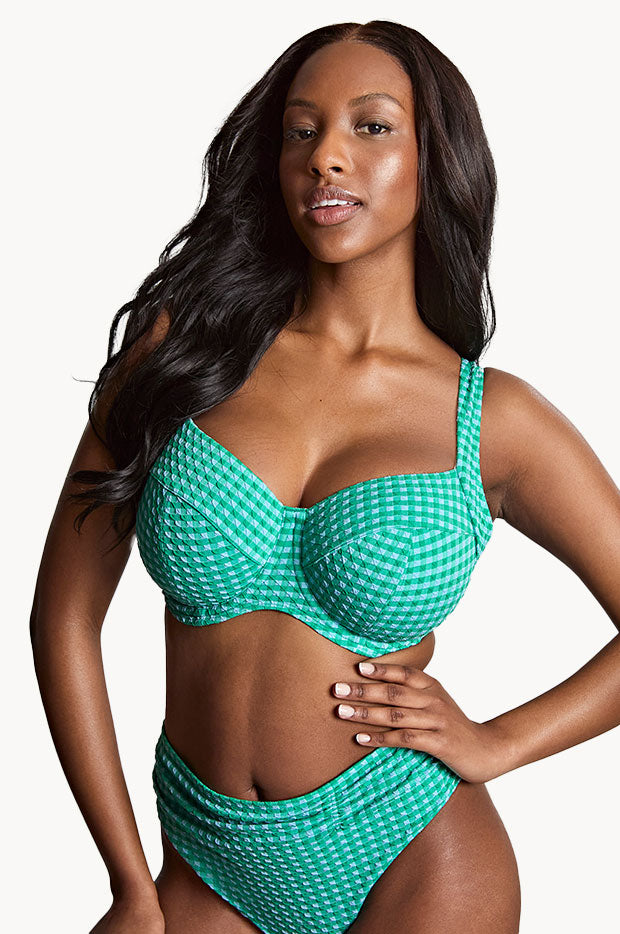
The Style Spectrum: E Cup Bras Are Not a Monolith
Gone are the days when full-bust lingerie was synonymous with utilitarian, beige minimizers. Today’s market for E cup bras is a vibrant landscape of design. Understanding your breast shape—full on top, full on bottom, evenly full, or splayed—is as important as knowing your size. A balconette bra, with its wider-set straps and lower-cut cups, excels at lifting and creating a rounded silhouette for many shapes. A full-cup bra offers maximum coverage and support, ideal for everyday wear and those with softer tissue. For seamless looks under fitted clothing, a molded T-shirt bra in an E cup is a wardrobe essential, while a plunge style with strategic interior padding can offer cleavage and comfort under low necklines. As lingerie designer and advocate Cora Harrington of The Lingerie Addict often states on her platform, “A bra should adapt to your life and your body, not the other way around. The diversity in styles for fuller busts today is a testament to the understanding that support and desire are not mutually exclusive.” This empowerment through choice allows one to select a bra for its function and its form, whether it’s adorned with lace for confidence beneath a blazer or engineered for high-impact athletic performance.
Investing in You: Quality, Care, and Professional Insight
A well-constructed bra is an investment in daily comfort. Key quality indicators include multiple rows of hooks for adjustability, wider, cushioned bands for weight distribution, fully enclosed seams to prevent chafing, and durable, elastic materials that retain their shape. Brands specializing in fuller busts often incorporate these features as standard. Proper care extends this investment: always fasten hooks before washing to prevent snagging, use a lingerie bag, and avoid the dryer—air drying preserves elasticity. Seeking a professional fitting at least once a year, or after significant weight change, pregnancy, or surgery, is not a luxury but a maintenance practice for your well-being. These experts can identify subtleties you might miss and introduce you to new brands and styles, like specific E cup bras designed for your unique shape. This knowledge is power, transforming you from a passive consumer into an informed advocate for your own comfort.
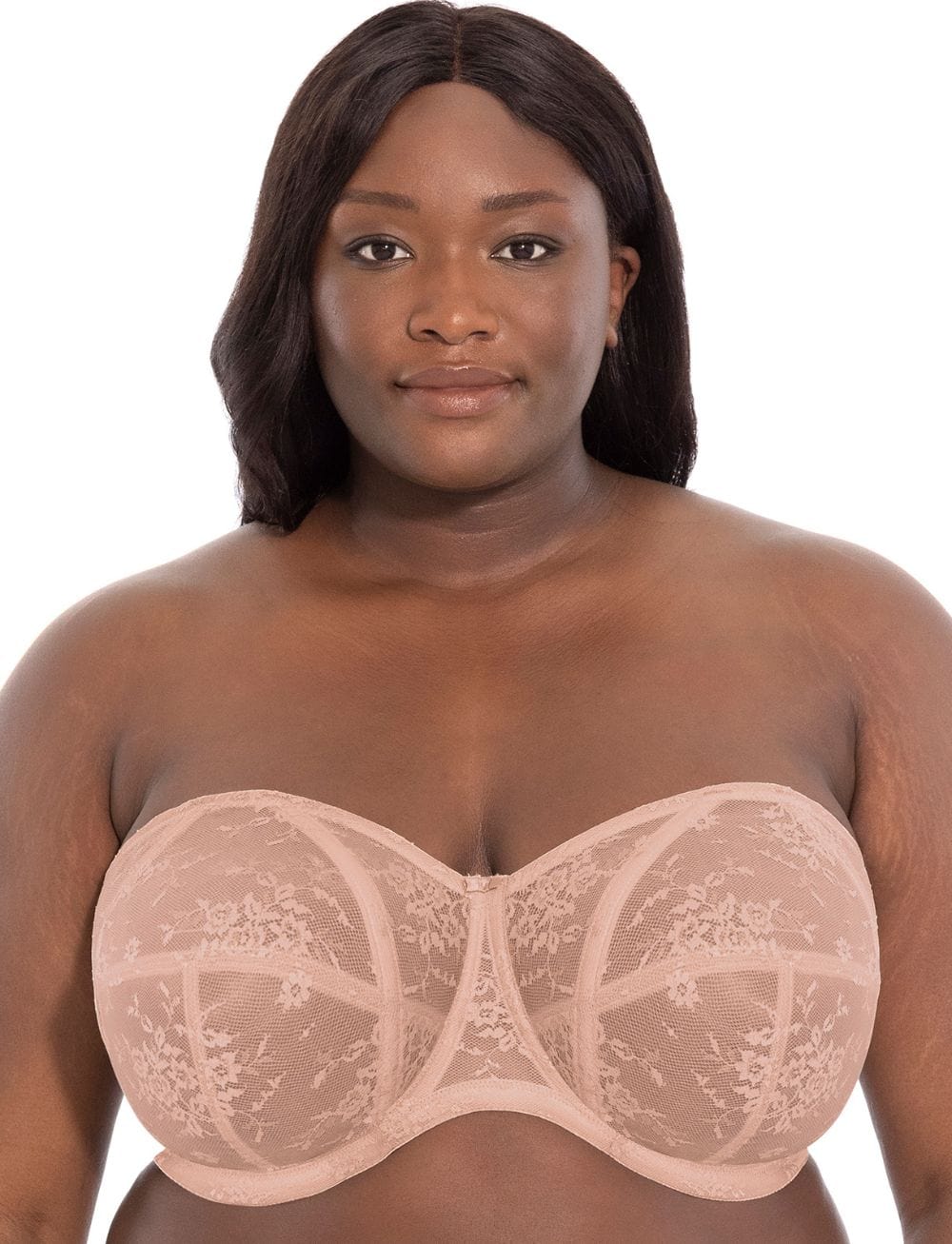
Your Foundation, Your Future
The quest for the perfect fit is a journey of self-knowledge. It requires setting aside preconceived notions about size and embracing the precise, beautiful architecture of your own body. When you find that bra—the one where the band is a secure hug, the wires are a perfect frame, and the cups are a second home—something shifts. The constant background noise of discomfort fades. Your posture improves, not from forced effort, but from effortless support. Your clothing drapes as it was designed to. You move through your day with one less thing to manage, one less source of distraction. This is the ultimate goal: a foundation so right, so inherently yours, that it becomes invisible in its perfection, allowing the truest version of you—confident, styled, and assured—to step forward. Start with the foundation. The rest of your style, and your confidence, will build seamlessly upon it.