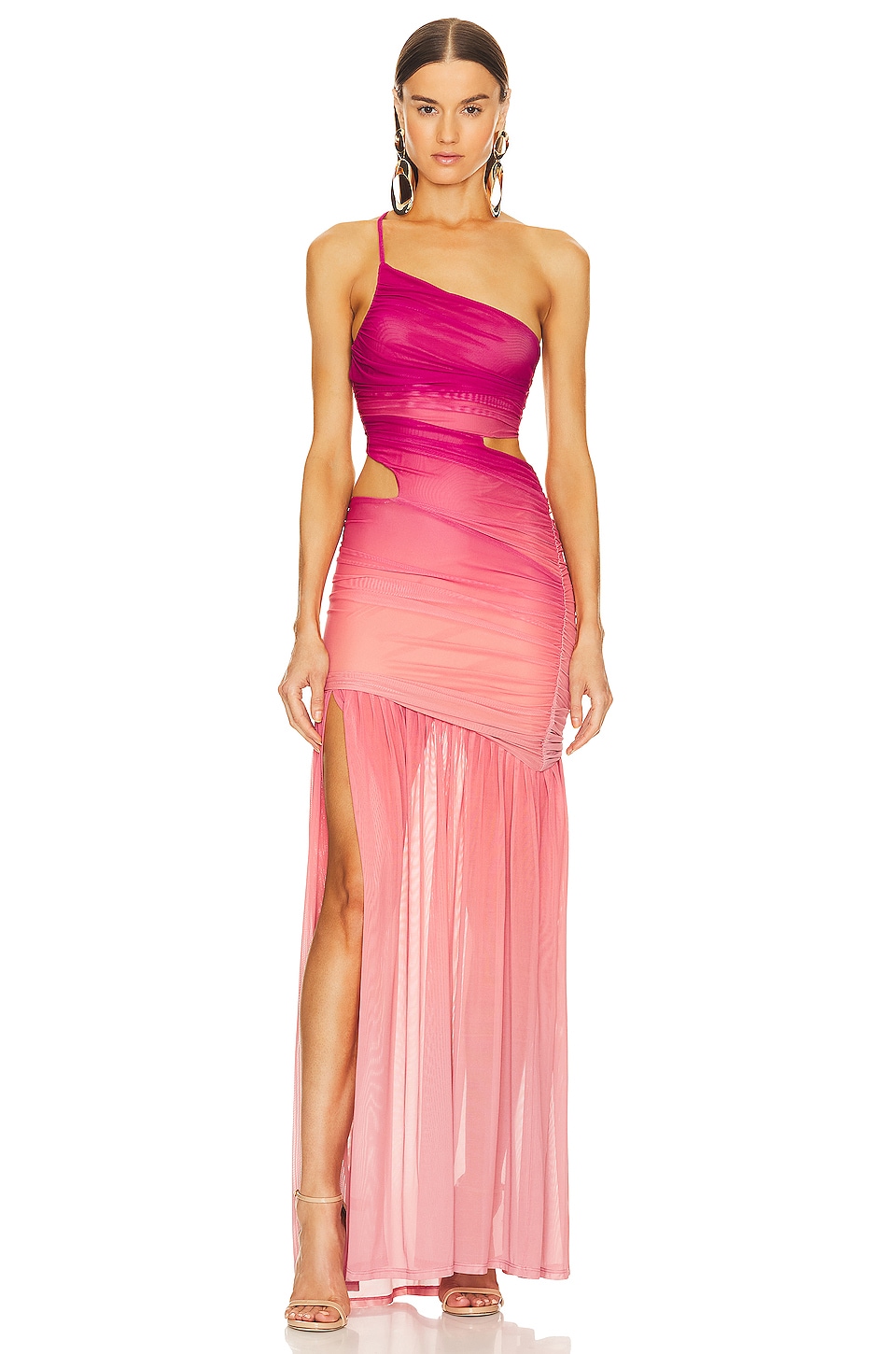
Styling Your Revolve Dress for Every Occasion
In the realm of fashion, few garments offer the transformative power of a well-chosen dress. It’s a singular piece that can define a moment, project an identity, and adapt to the myriad roles we play in a single week. The revolve dress, in particular, has emerged as a cornerstone of the modern wardrobe—not merely for its style but for its inherent versatility. This isn’t about owning a closet full of outfits for every possible event; it’s about mastering the art of strategic styling, where one key piece, like a signature revolve dress, becomes the hero of countless narratives. The premise is simple yet profound: with intentional accessories, layered pieces, and a shift in perspective, a single dress can seamlessly transition from a professional setting to an evening soiree, a weekend brunch, or a casual day out. This article delves into the practical methodologies and stylistic principles that unlock this potential, moving beyond subjective taste to incorporate insights from design theory, cultural commentary, and the wisdom of style authorities. We’ll explore how to build a sartorial toolkit around your dress, ensuring you are perpetually prepared, expressively dressed, and intelligently invested in your wardrobe.
The Philosophy of Versatility: More Than Just a Dress
The concept of a versatile wardrobe staple is deeply rooted in both economic pragmatism and sustainable fashion philosophy. Tim Gunn, the renowned fashion consultant and co-host of Project Runway, has long championed the idea of a “closet capsule,” emphasizing quality over quantity. He famously advised, “Your wardrobe should be a collection of pieces you love, that work together, and that you feel great in.” A revolve dress, often characterized by its timeless cut, high-quality fabric, and considered design, fits perfectly into this paradigm. From a scientific standpoint, the psychology of clothing, known as “enclothed cognition,” suggests that the clothes we wear can significantly impact our cognitive processes and confidence levels. A study published in the Journal of Experimental Social Psychology found that wearing formal attire increased abstract thinking and feelings of power. Therefore, a dress that can be styled formally or informally isn’t just a convenience; it’s a tool for psychological adaptation, allowing the wearer to mentally prepare for different roles and challenges. The revolve dress becomes a canvas upon which we paint our intentions for the day, its versatility directly contributing to our cognitive and social flexibility. This foundational understanding elevates the act of styling from mere decoration to a form of self-presentation and empowerment, where each adaptation of the dress serves a distinct purpose in navigating the complexities of daily life.
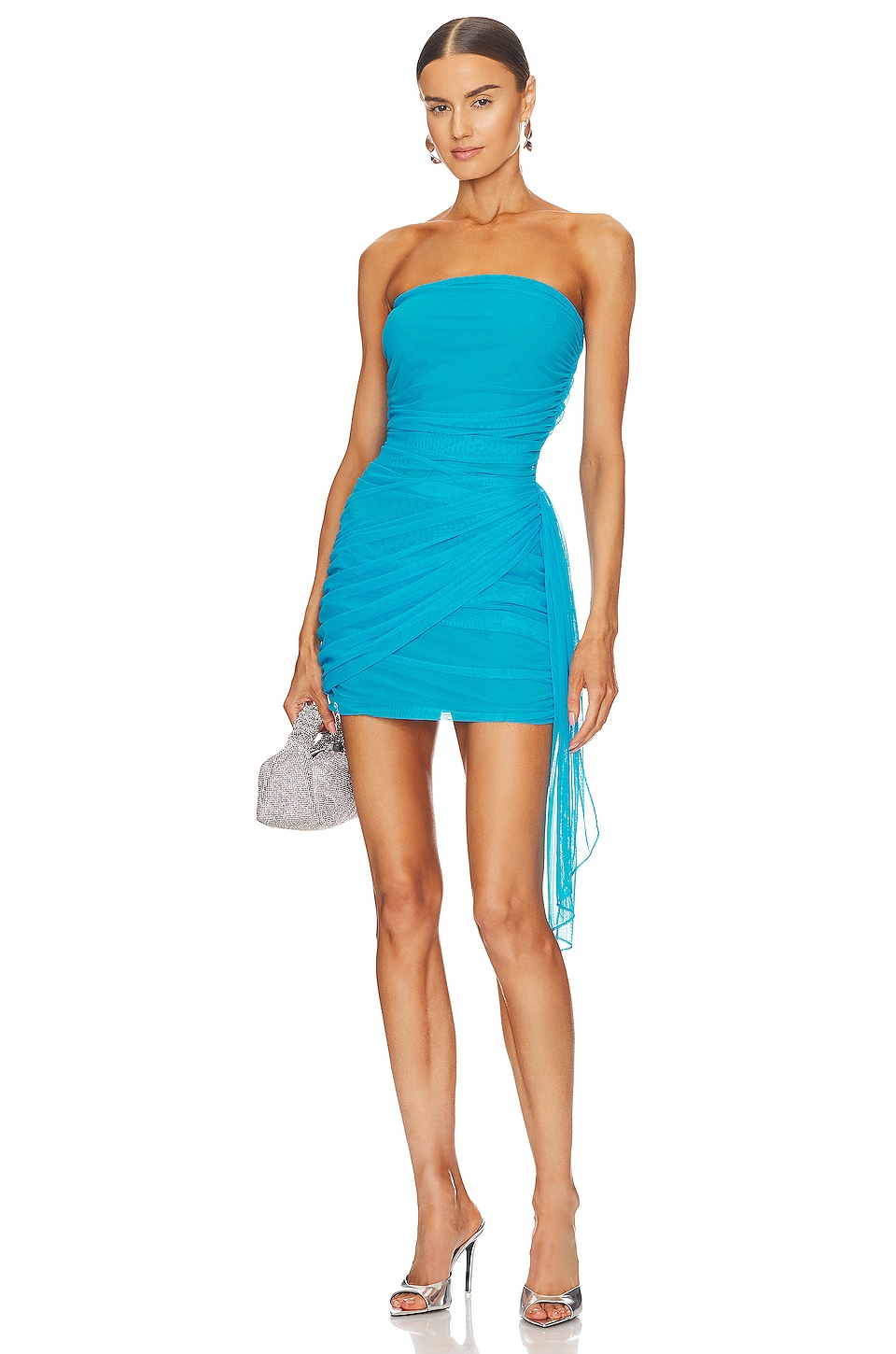
Blueprint for Transformation: The Five Style Archetypes
To systematically deconstruct the styling process, we can categorize transformations into five core archetypes. Each archetype represents a common occasion cluster and utilizes a specific set of styling levers—outerwear, accessories, footwear, and hair/makeup—to achieve a complete metamorphosis. The first archetype is The Executive Statement. Here, the goal is polished authority. Start with a sleek, possibly sheath-style revolve dress. Layer a structured blazer in a neutral tone like navy, black, or camel. The blazer’s sharp shoulders and defined waist create a silhouette of competence. Footwear shifts from strappy sandals to closed-toe pumps or sophisticated loafers. Jewelry should be minimal and meaningful: a delicate necklace, a refined watch, and simple stud earrings. A structured tote bag replaces a clutch. As fashion historian and author Valerie Steele noted in an interview with The Business of Fashion, “Professional dress has always been a code, a way of non-verbally communicating seriousness and belonging.” This archetype directly engages with that code, using the dress as a base for building a professional identity.
Archetype Two: The Evening Illusion
As daylight fades, the same dress must learn to shimmer. The Evening Illusion is about drama and allure. This transformation is less about adding layers and more about strategic subtraction and sparkle. Drape a luxurious faux fur stole or a metallic knit shawl over your shoulders. The footwear becomes the focal point: swap daytime pumps for strappy high-heel sandals, perhaps with delicate embellishments. Jewelry amplifies—statement earrings that catch the light, a cuff bracelet, or a bold ring. A sleek clutch in satin or sequins is essential. The makeup palette deepens; a smoky eye or a bold lip color can redefine your entire face in relation to the dress. Hairstylist and creative director Guido Palau, whose work is regularly featured in Vogue, often speaks of hair as an accessory. For evening, he might suggest “loose, textured waves or a sophisticated updo to expose the neckline and jewelry, creating a more intentional and glamorous silhouette.” This archetype leverages the dress’s inherent elegance and elevates it through concentrated points of luxury and shine.
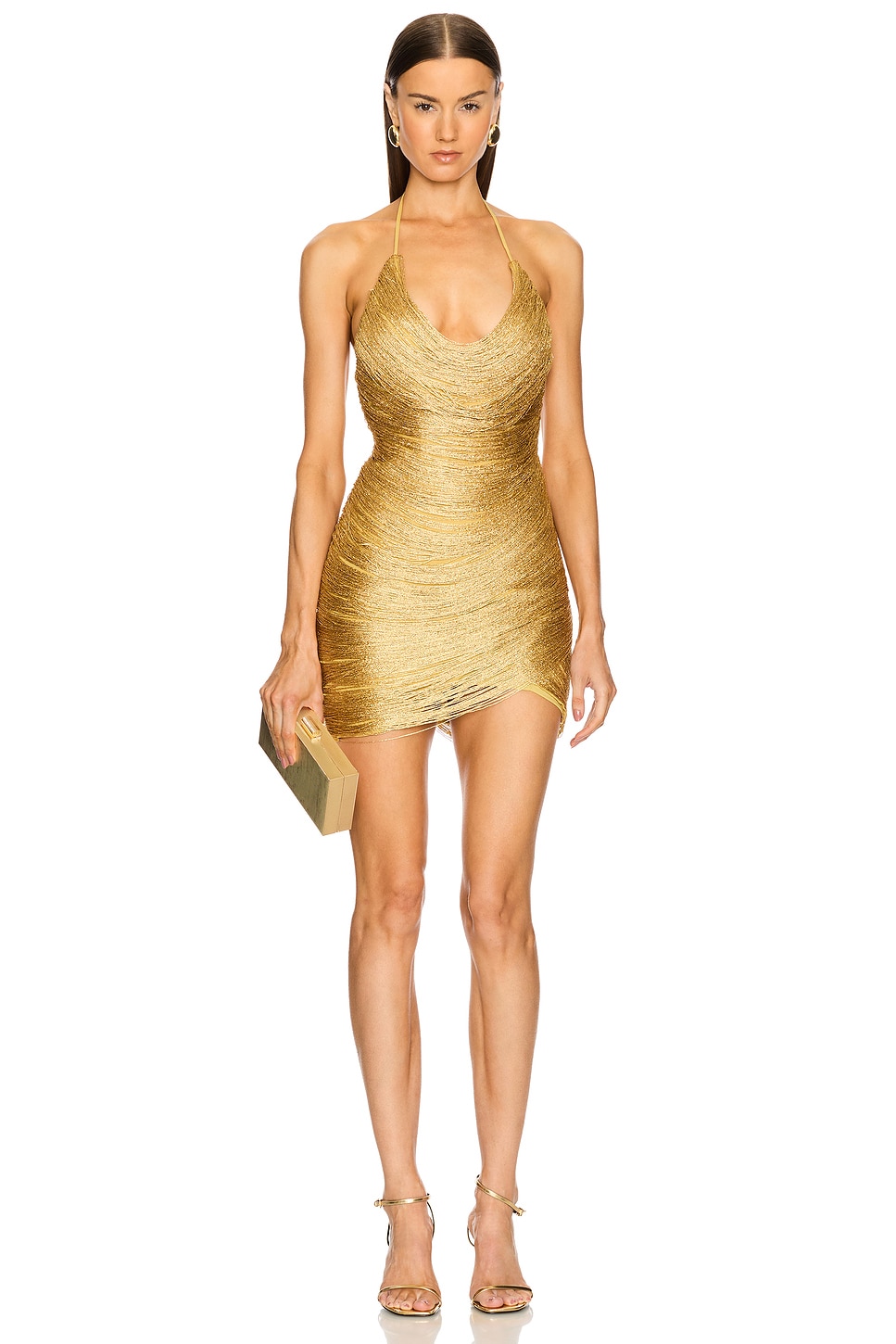
Archetype Three: The Casual Weekend
The weekend calls for ease without sacrificing style. The Casual Weekend archetype embraces a relaxed, creative energy. Here, the revolve dress is softened and grounded. Layer a simple, slouchy knit sweater or a denim jacket over the dress, instantly creating a more informal, layered look. Footwear shifts radically to white sneakers, chic flat sandals, or ankle boots, depending on the season. The bag becomes a crossbody or a roomy canvas tote. Accessories are playful and personal: layered necklaces, a stack of thin bracelets, or a wide-brimmed hat. This look echoes the “model-off-duty” aesthetic frequently documented on platforms like TikTok, where style influencers showcase high-low mixing. A popular fashion creator on the platform might caption such a look: “The secret is not letting the dress wear you. Throwing a jacket on and changing your shoes completely changes the vibe.” This archetype democratizes the dress, proving its relevance in the most unstructured moments of life.
The Toolkit: Objective Principles of Styling Science
Moving beyond archetypes, successful styling rests on universal principles drawn from color theory, silhouette balancing, and texture contrast. Understanding these principles allows for infinite customization beyond prescribed formulas. First, consider Color Harmony. The color wheel is your objective guide. Analogous colors (next to each other on the wheel) create serene, comfortable combinations—think a teal dress with a navy blazer. Complementary colors (opposite each other) offer vibrant contrast, like a crimson dress accented with emerald green jewelry. Second, master Silhouette and Proportion. If your dress is form-fitting, balance it with a loose, oversized outer layer. If the dress is voluminous or A-line, a cropped, fitted jacket will define the waist. This principle of contrast creates visual interest and a flattering shape. Third, engage Texture Dialogue. Pairing the smooth, fluid fabric of a silk revolve dress with the rough, tactile quality of a tweed blazer or a chunky knit adds depth and sophistication. As celebrated designer Miuccia Prada once stated in The New Yorker, “Fashion is instant language. The mix of textures, the clash of patterns—it’s how you speak without saying a word.” These principles are the grammar of that language.
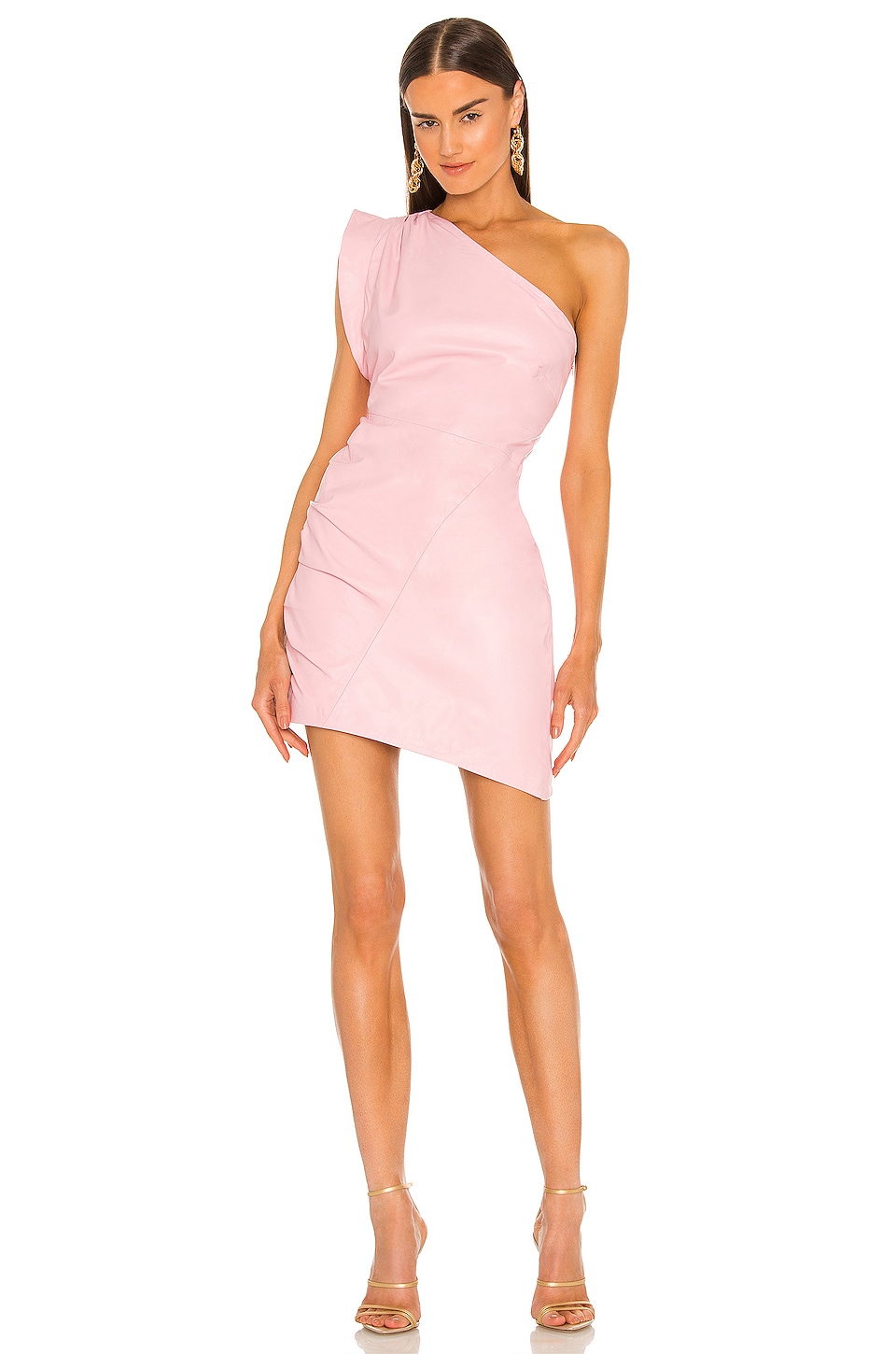
Investment and Intelligence: The Long-Term View
Acquiring a versatile, high-quality revolve dress is an exercise in intelligent consumption. It aligns with the “cost-per-wear” economic model, where the initial investment is divided by the number of times the item is worn. A $300 dress worn 30 times has a cost-per-wear of $10, far outperforming a $50 dress worn only twice. Furthermore, platforms like Revolve often offer seasonal sales, exclusive member discounts, and promotional codes, making these investment pieces more accessible. Bringing this professional knowledge and access to discounted prices empowers you to build a smarter wardrobe. The true value lies not in the price tag alone but in the garment’s design integrity—its stitching, fabric resilience, and timeless cut—which ensures it withstands both physical wear and the whims of fast-fashion trends. This approach is championed by sustainability advocates like Livia Firth, founder of Eco-Age, who promotes the #30Wears challenge, encouraging consumers to ask, “Will I wear this at least 30 times?” A versatile revolve dress is a definitive yes to that question, representing a shift from disposable fashion to a curated, personal collection of style assets.
The journey through these styling archetypes and principles reveals a central truth: fashion’s greatest power is adaptability. A dress is not a one-note garment destined for a single event; it is a foundational element waiting for your creative direction. By applying the objective frameworks of color, silhouette, and texture, and by curating a deliberate toolkit of accessories and layers, you unlock a spectrum of identities housed within a single piece. This is the essence of modern dressing—being prepared, expressive, and resourceful. Your revolve dress ceases to be just an item in your closet and becomes a reliable partner, ready to assume whatever form the next occasion demands. Start not by looking for a new outfit, but by looking at your dress with new eyes. The possibilities are already there, woven into its very seams.