

Mastering the Versatility of Shift Dresses
In the lexicon of fashion, few garments claim the enduring, transformative power of the shift dress. It is not merely a piece of clothing; it is a sartorial proposition, a blank canvas of confidence that refuses to be confined by era, body type, or occasion. Its genius lies in its architectural simplicity—a straight cut that skims the body rather than clings to it, offering liberation through design. This article is not about following trends but about unlocking a foundational principle of style. The shift dress is a master key, and here, we explore how to wield its versatility to craft a personal aesthetic that is both effortless and profoundly intentional.
The Architectural Foundation: Deconstructing the Shift
To master its versatility, one must first understand its blueprint. Objectively, a shift dress is defined by its lack of defined waistline. It typically falls straight from the shoulders, creating a clean, geometric silhouette. This design philosophy has deep roots. One can trace its modern genesis to the 1920s flapper era, a time of social and sartorial rebellion, where Coco Chanel famously liberated women from corsets with her simple, jersey dresses. As the Victoria and Albert Museum notes, this was a deliberate move towards “comfort and practicality,” a rejection of restrictive Edwardian fashion. The silhouette was later perfected in the 1960s, becoming synonymous with the mod aesthetic and figures like Audrey Hepburn and the iconic Edie Sedgwick. This historical context is crucial; the shift dress was born from a desire for freedom and modernity. Scientifically, its appeal can be explained through principles of visual perception. The straight line from shoulder to hem creates a vertical emphasis, which the human eye interprets as height and slenderness. It acts as a neutral frame, drawing attention to the wearer’s face, neckline, and limbs, rather than contouring specific curves. This foundational understanding allows us to see the shift not as a limiting shape, but as a versatile form upon which infinite variations can be built.

Fabric as the First Language of Versatility
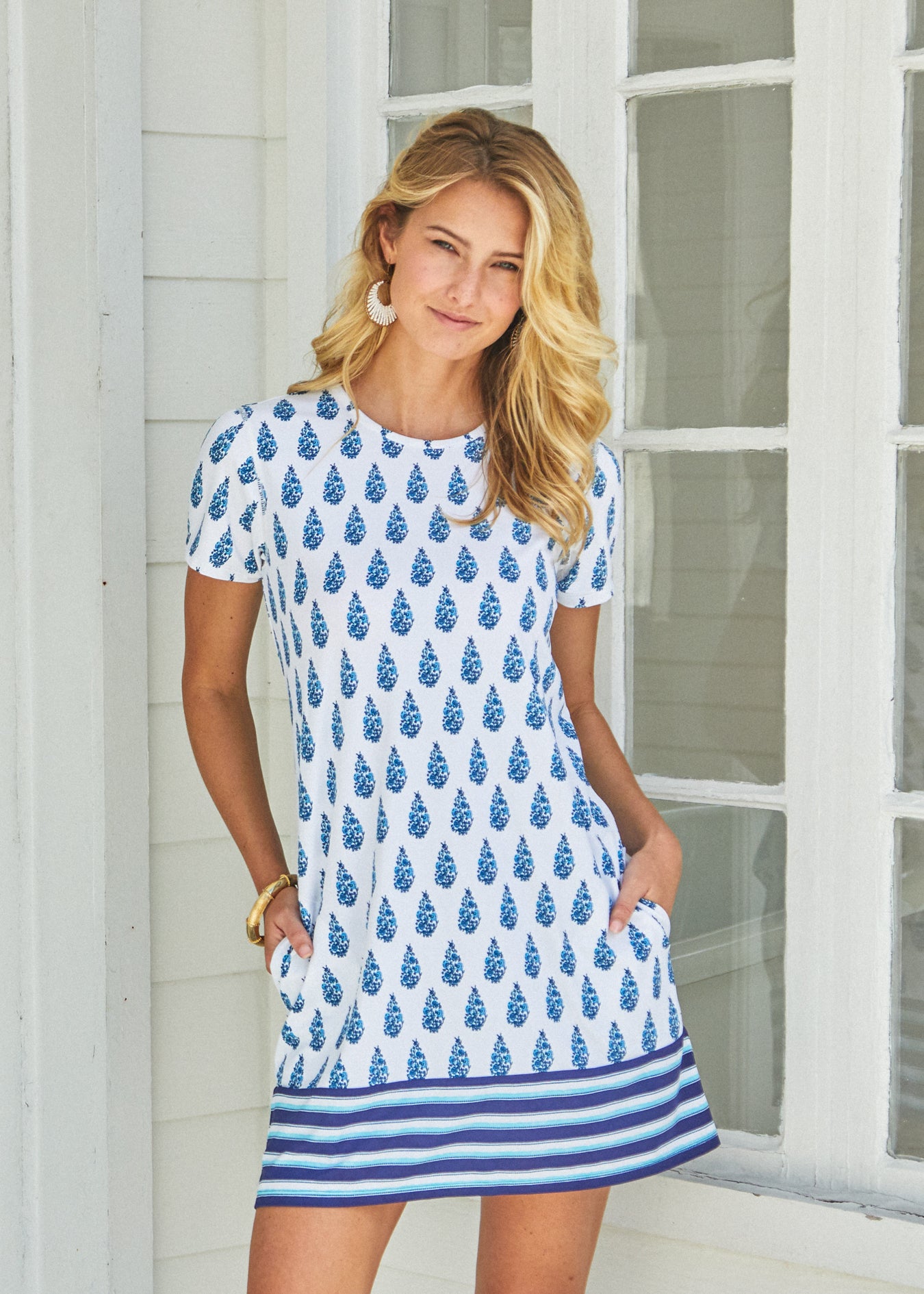
The soul of a shift dress’s character is spoken through its fabric. A crisp cotton poplin or structured linen shift communicates a language of polished daytime readiness—imagine it paired with loafers for a gallery visit or client meeting. It speaks of order and clarity. In contrast, a shift rendered in fluid silk charmeuse or delicate chiffon transforms into an entity of evening elegance. The way light interacts with these textiles adds a dimension of movement and luxury that structured fabrics cannot replicate. Then there is the revolutionary knit shift. As fashion historian and curator Dr. Valerie Steele has discussed in lectures at The Fashion Institute of Technology, the development of sophisticated knits in the mid-20th century democratized comfort and style, allowing the shift silhouette to become a staple of casual chic. A merino wool or fine-gauge jersey shift offers a second-skin comfort that is both forgiving and flattering, perfect for travel or weekend wear. The choice of fabric fundamentally redirects the dress’s trajectory from corporate to cocktail, from weekend market to wedding guest. It is the primary tool in your arsenal for bending the shift’s inherent simplicity to your will, allowing one basic shape to narrate multiple stories.
The Alchemy of Proportions and Detail
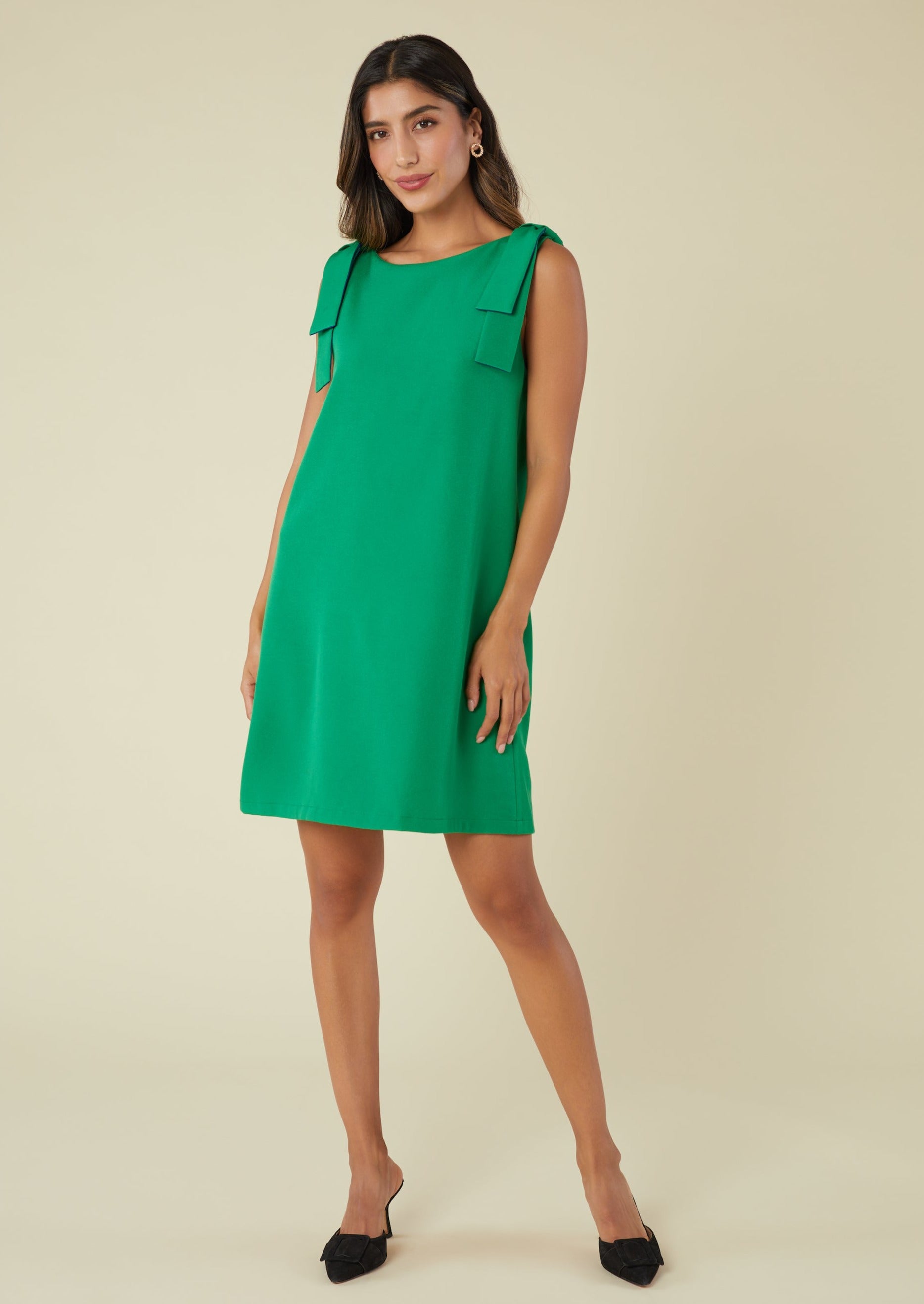
While the classic shift is celebrated for its purity, its modern iterations gain power through deliberate deviations in proportion and detail. Consider the sleeve: a cap sleeve offers a playful, youthful note; a structured bishop or leg-of-mutton sleeve, as seen in contemporary designs from labels like Cecilie Bahnsen, injects dramatic, romantic volume, challenging the dress’s minimalist roots. The neckline is another potent focal point. A high, mock neck conveys a modern, intellectual severity, while a deep V or square neckline borrows from historical references, offering a frame for statement jewelry and a touch of allure. The length, too, is a powerful communicator. A micro-mini shift channels a 1960s youthful exuberance, a midi length feels contemporary and artful, and a maxi shift becomes a column of bohemian elegance. These are not mere stylistic quirks; they are calculated design choices that reshape the wearer’s relationship with space and perception. As renowned designer Diane von Fürstenberg, herself a master of the wrap dress (a close cousin to the shift), once stated in an interview for Vogue: “Style is something each of us already has, all we need to do is find it.” The details on a shift—the placement of a seam, the cut of an armhole—are the guides that help you find and express that style within the dress’s versatile framework.
The Strategic Styling Spectrum: One Dress, Multiple Selves
Ownership of a great shift dress is an investment in potential. Its true mastery is demonstrated not in how it hangs in the closet, but in how it adapts to the theater of your life. Let us map this spectrum. For the professional arena, the shift is a uniform of authority. A wool-blend shift in navy or charcoal, paired with a structured blazer and pointed-toe pumps, commands respect. It echoes the powerful simplicity championed by figures like Christine Lagarde, whose sartorial choices are often analyzed for their non-verbal communication of stability and competence. Transition to a creative networking event or a dinner, and the same dress, stripped of the blazer, adorned with a bold sculptural necklace and swapped for sleek ankle boots or strappy sandals, communicates confident individuality. On weekends, the shift morphs again. A linen shift thrown over a swimsuit becomes a perfect poolside cover-up; layered over a turtleneck and paired with tights and boots, it is a cornerstone of transitional weather dressing. This chameleonic ability is its superpower. It asks only for your creative direction.
Beyond the Silhouette: The Psychological Shift
The impact of the shift dress transcends the physical. Wearing one can induce a psychological shift—a feeling of being unencumbered, put-together, and ready to engage with the world on your own terms. This is not merely anecdotal. The field of “enclothed cognition,” studied by researchers such as Hajo Adam and Adam D. Galinsky at Northwestern University, demonstrates that the symbolic meaning of clothing and the physical experience of wearing it systematically influence the wearer’s psychological processes. A shift dress, with its historical connotations of liberation and its physical sensation of ease, can prime the wearer for feelings of autonomy and confidence. It is armor without the weight. In popular culture, this symbolism is potent. Recall the iconic moment in the film Breakfast at Tiffany’s where Audrey Hepburn’s character, Holly Golightly, wears a simple black shift. While often misremembered as a gown, its simplicity amidst glamour speaks volumes about a certain kind of sophisticated, slightly detached cool. The shift dress allows you to step into a mindset. It is the garment you reach for when you need to feel capable, when you want your intellect or personality to lead, not your outfit.
Curating Your Shift: A Guide to Intelligent Acquisition
Mastery requires a curated arsenal, not a crowded closet. The goal is to build a capsule of shifts that serve distinct purposes, maximizing versatility while minimizing clutter. Start with a foundational piece in a neutral, high-quality fabric like a navy or black wool crepe—this is your canvas. Next, introduce a seasonal wildcard: a vibrant floral print for summer in silk, or a rich jewel-toned velvet shift for winter festivities. Pay close attention to fit; the ideal shift should skim your body, not tent it. The shoulders should sit neatly, and the hem should fall at a point that flatters your leg—whether that’s above the knee, at the knee, or below the calf. And here is where strategic acquisition meets smart economics: investing in timeless design does not preclude finding value. End-of-season sales, reputable outlet collections, and platforms specializing in past-season luxury goods are excellent avenues to acquire premium shift dresses at significantly reduced prices. The true cost-per-wear of a perfectly fitting, beautifully fabricated shift purchased on discount is minimal compared to its contribution to your style ecosystem.
The journey with the shift dress is a continuous dialogue between the enduring and the personal. It is a garment that respects your history while inviting you to inscribe your own narrative upon its simple lines. From its revolutionary origins to its modern-day interpretations, the shift remains a testament to the idea that true style is not about complication, but about clarity of intention. By understanding its architecture, speaking through fabric and detail, and styling it across the spectrum of your life, you unlock not just a wardrobe staple, but a tool for self-presentation. The versatile shift dress does not dress you for a single moment; it prepares you for all of them.