

How to Style a Retrofete Dress for Effortless Vintage Glamour
In the ever-evolving landscape of fashion, where trends flicker and fade with the seasons, there exists a sartorial philosophy that draws its power from the past. It’s not merely about replication, but about resonance—capturing the spirit of bygone eras and weaving it into the fabric of contemporary life. This is where the retrofete dress ascends from a simple garment to a narrative piece. It is a deliberate design choice, a homage to the silhouettes, embellishments, and attitudes of decades like the 1970s, 80s, and 90s, reimagined with modern cuts and fabrics. To style such a piece is to engage in a dialogue between history and the present, crafting a look of effortless vintage glamour that feels both nostalgic and strikingly now. This isn’t about costume; it’s about curating a personal aesthetic that acknowledges the cyclical nature of beauty and confidence found in iconic styles.
Decoding the Retrofete Aesthetic: More Than Just “Vintage-Inspired”
Before we delve into styling, we must first understand what sets a retrofete dress apart. The term itself is a portmanteau, suggesting a “retro” feel with a “fetish” or intense passion for detail. Unlike true vintage, which is an original piece from a past era, a retrofete design is a contemporary creation. It selectively borrows and amplifies signature elements from specific decades. For instance, one might find the exaggerated puff sleeves and power shoulders synonymous with 1980s power dressing, but constructed from a lightweight, breathable technical satin unknown to the original era. Or, it might capture the sleek, body-conscious slip-dress silhouette of the 1990s, but adorned with intricate crystal embellishments that elevate it from minimalist grunge to red-carpet ready. This objective approach to design is supported by fashion theory. As noted by academics like Dr. Valerie Steele, Director of The Museum at the Fashion Institute of Technology, fashion operates in cycles, often revisiting and reinterpreting past styles with new perspectives and technologies. A retrofete dress is a prime example of this “nostalgia mode,” where the past is not copied, but quoted and remixed. It provides the wearer with the recognizable emotional appeal of a beloved era—be it the disco decadence of the 70s or the minimalist chic of the 90s—without the practical constraints of fragile vintage fabrics or outdated fits.

Foundation First: Selecting Your Era-Defining Silhouette
The journey to effortless glamour begins with choosing the right foundational silhouette, as this dictates the entire mood of your ensemble. A retrofete dress often champions bold shapes that defined female fashion in previous decades. Are you drawn to the free-spirited, flowing lines of the 1970s? Look for maxi dresses with plunging necklines, wrap styles, or garments featuring dramatic bell sleeves. These silhouettes speak of bohemian romance and a relaxed confidence. Conversely, the 1980s were an era of architectural fashion, where clothing served as exoskeleton. Dresses from this period, and their modern retrofete interpretations, feature strong, defined shoulders, nipped-in waists, and often a mini or cocktail length. This silhouette is inherently powerful and commanding, perfect for making an entrance. The 1990s offered a stark contrast, favoring simplicity and ease. Slip dresses, bias-cut sheaths, and simple column gowns in luxurious fabrics became the uniform of the chic. When you select a dress that aligns with an era whose ethos resonates with you, you’re not just putting on a dress; you’re adopting an attitude. This initial choice is the most critical step, as it forms the canvas upon which all other styling elements will be placed. Consider your body type and personal comfort, but don’t be afraid to embrace the drama—the design is meant to be celebrated, not hidden.
The Alchemy of Accessories: Curating, Not Crowding
Accessorizing a retrofete dress is an exercise in precision and narrative enhancement. The goal is to complement and complete the story the dress begins, not to start a new, competing one. This requires an understanding of the era you’re channeling. For a 70s-inspired maxi dress, think in terms of layered textures: a wide-brimmed felt hat, multiple thin gold chain necklaces, stacked rings, and perhaps a fringed suede bag. Footwear could range from platform sandals to embellished boots. The look is eclectic but cohesive. For the structured glamour of an 80s-inspired dress, accessories should be bold and singular. Statement earrings—think large geometric shapes or dazzling chandeliers—are often enough. A sleek clutch and pointed-toe pumps will sharpen the look without clutter. The 90s minimalist dress, however, provides a perfect opportunity for a “hero” accessory. A single, exquisite piece of jewelry, like a delicate diamond choker or a vintage-inspired watch, can be the focal point. As fashion historian and YouTube style commentator April Calahan often notes, the most iconic looks from history are remembered for their harmonious details. She states, “Accessories are the punctuation marks of an outfit. A 70s look might use commas and em-dashes—layered and flowing—while an 80s look is all about the exclamation point.” This professional insight underscores that your accessories should feel like a natural extension of the dress’s decade, amplifying its voice rather than shouting over it.
Modern Anchors: Grounding Your Look in the Contemporary
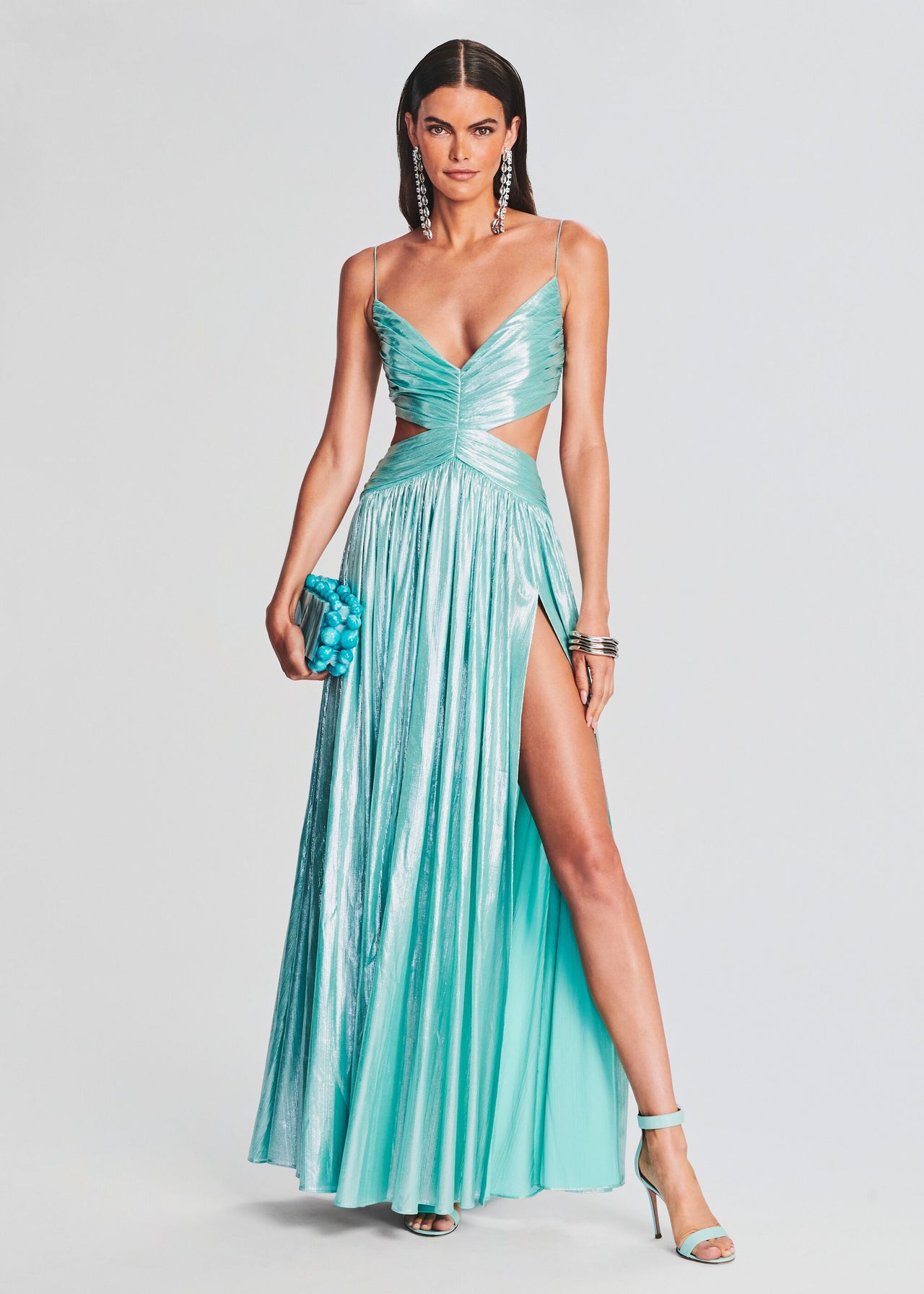
The true secret to making vintage glamour feel effortless—and not like a period-piece reenactment—lies in strategic modern anchoring. This is the stylistic counterpoint that prevents the look from tipping into costume territory. It involves introducing clean, contemporary elements that tether the outfit firmly to the present day. Consider your beauty choices: a 70s-inspired floral dress paired with perfectly sleek, straight hair or a sharp, modern bob creates a fascinating tension. Similarly, minimalist, natural “no-makeup” makeup looks stunning against the backdrop of an ornate 80s beaded gown. Your choice of outerwear is another powerful anchor. Throwing a tailored, contemporary leather biker jacket or a structured blazer over a delicate 90s slip dress instantly adds edge and relevance. Even your footwear can serve this purpose; pairing a romantic, puff-sleeved dress with chunky, minimalist white sneakers or sleek ankle boots is a quintessentially modern styling trick. This practice of juxtaposition is a cornerstone of contemporary fashion, celebrated by stylists and influencers alike. It demonstrates a sophisticated understanding of style as a language, where you are fluent in both past and present dialects. The modern element acts as a frame, ensuring the vintage beauty of the retrofete dress is viewed through a contemporary lens, making the glamour accessible and personally authentic.
Confidence as the Ultimate Accessory
Beyond the tangible elements of silhouette, accessories, and modern touches, there exists one indispensable, intangible component: confidence. A dress, no matter how beautifully designed, remains an inanimate object until it is animated by the wearer. The most iconic fashion moments in film and literature are not just about the clothes, but about the character and conviction of the person wearing them. Think of Diane Keaton’s androgynous tailoring in Annie Hall or Sharon Stone’s iconic Gap turtleneck with a Vera Wang skirt at the Oscars—these looks are remembered because the women wore them with undeniable ownership and self-assurance. Styling a retrofete piece requires you to step into that same mindset. It is an invitation to embody the confidence of the era it references—the rebellious freedom of the 70s, the unabashed power of the 80s, or the cool nonchalance of the 90s. This isn’t about pretending to be someone else, but about allowing the dress to unlock a facet of your own personality that aligns with its spirit. When you wear such a distinctive piece with poise and self-possession, the glamour ceases to be an external application and becomes an intrinsic radiance. The dress doesn’t wear you; you command the narrative it helps to tell.
Practical Glamour: Where to Find Your Piece and Making it Work for You
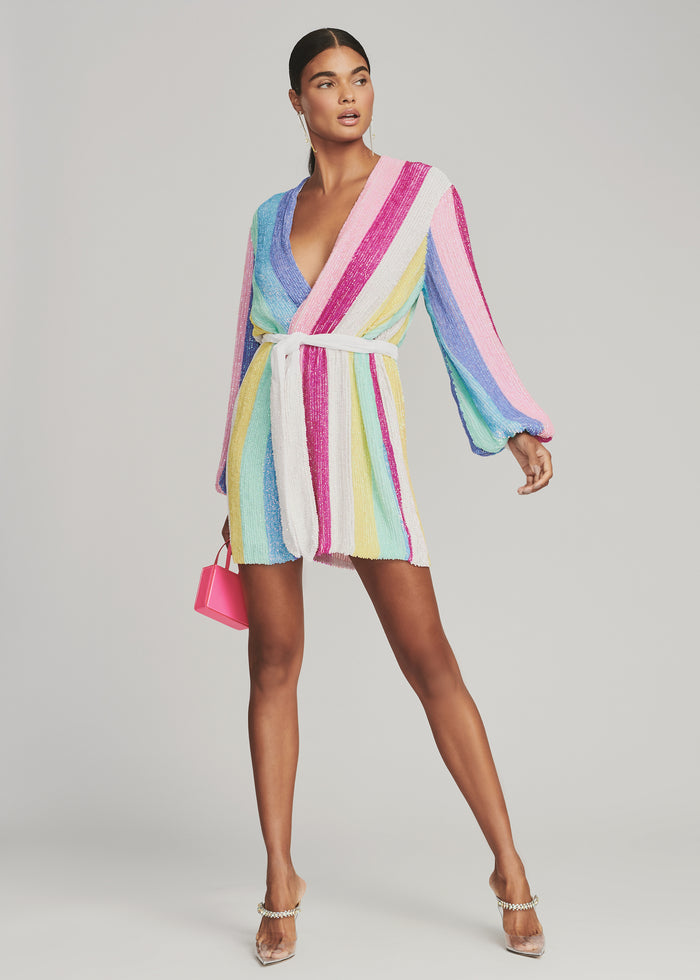
Embracing this aesthetic is an exciting venture, and finding the right piece is part of the joy. Brands like Retrofete, Réalisation Par, and Rat & Boa have built their identities on this very concept, offering curated selections of vintage-inspired dresses. The key is to seek out designs that speak to you personally, rather than chasing every trend. Once you’ve found a contender, invest time in understanding its construction and fabric. A well-made retrofete dress is an investment in your wardrobe’s storytelling capability. To make this pursuit more accessible, savvy shoppers can leverage seasonal sales, sign up for brand newsletters for exclusive offers, or explore reputable contemporary resale platforms like The RealReal or Vestiaire Collective, where past-season gems often appear at discounted prices. Remember, the goal is not to build a closet full of costumes, but to acquire a few exceptional pieces that you can style and re-style for years. Each wear becomes a new opportunity to experiment with different era-specific accessories or modern anchors, ensuring the dress remains a dynamic and cherished part of your personal style history. This approach brings professional knowledge of fashion cycles and smart shopping tactics directly to you, allowing for a sustainable and personally expressive engagement with glamour.

Ultimately, styling a retrofete dress is an act of creative self-expression and historical appreciation. It is a methodical yet joyful process that begins with selecting a silhouette that channels a specific era’s energy, is refined through thoughtful, era-appropriate accessories, and is grounded in the present with deliberate modern touches. This entire structure, however, is elevated from a mere outfit to a statement by the wearer’s inherent confidence. The resulting glamour feels effortless because it is not a mask, but an amplification of personal style through the rich vocabulary of fashion history. It proves that looking back can be the most progressive way to move forward, creating a look that is uniquely, undeniably yours.