

Mastering Semi-Formal Dresses for Every Occasion
Navigating the world of event attire often feels like deciphering a cryptic code. “Semi-formal” stands as one of the most frequent, yet most misunderstood, directives on an invitation. It occupies the elegant middle ground between the relaxed nature of casual wear and the strict protocols of black-tie. This article is your definitive guide to not just understanding, but truly mastering the semi-formal dress. We will deconstruct its essence, explore its scientific and social underpinnings, and provide a practical, occasion-by-occasion roadmap. Forget vague advice; we’re bringing you objective definitions, insights from style authorities, and actionable knowledge that empowers you to choose with confidence, often finding stunning options without a staggering price tag.
The Anatomy of “Semi-Formal”: More Than Just a Label
The term “semi-formal” is not arbitrary; it is a sociological and sartorial classification rooted in context. According to scholars of dress and human behavior, clothing functions as a non-verbal communication system, signaling social identity, occasion-appropriateness, and respect for hosts and fellow attendees. A semi-formal dress code specifically communicates that the event holds significance—be it a wedding, a gala, or an important dinner—but does not demand the utmost level of ceremonial uniform. From a historical perspective, semi-formal wear evolved from the “afternoon dress” of the late 19th and early 20th centuries, designed for events occurring between daytime and evening. Today, it is defined by a balance of sophistication and relative comfort. The authoritative fashion resource, The Business of Fashion, often cites semi-formal as the most versatile dress code, bridging professional, social, and celebratory spheres. It demands polished fabrics, considered silhouettes, and intentional accessories, but allows for personal expression and adaptability to time of day and season. Understanding this “anatomy” is the first step to mastery.
Decoding the Fabric and Silhouette Science
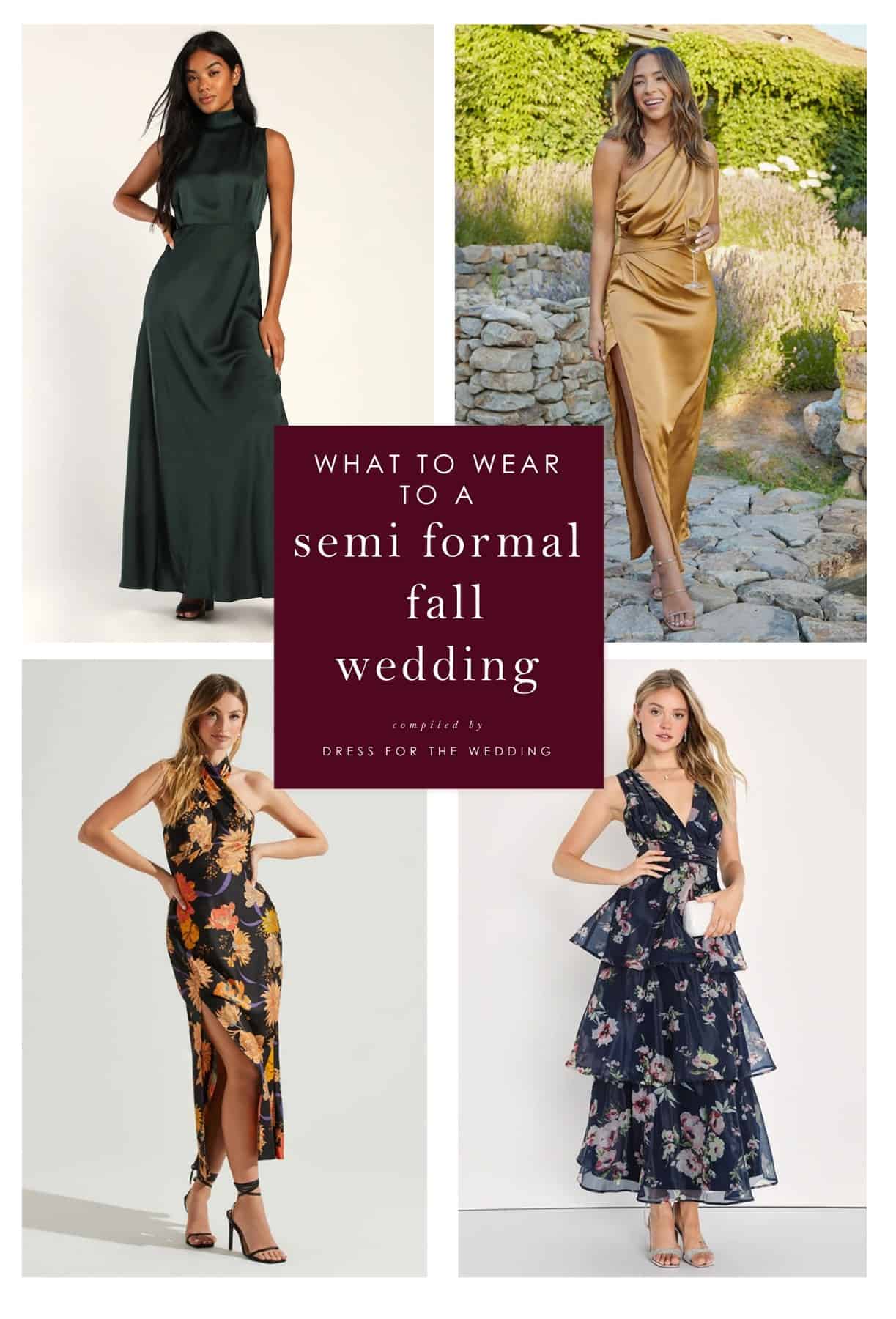
Objectively, the science behind a great semi-formal dress lies in its material and cut. Fabrics like crepe, chiffon, satin, lace, high-quality jersey, and velvet possess inherent structural properties that convey formality. Crepe drapes elegantly and resists wrinkling, chiffon offers movement and lightness, satin reflects light for a luxurious sheen, and structured lace provides texture and coverage. These materials are often engineered for durability and a specific fall or hang on the body, which is perceived as more refined than casual cottons or knits. Silhouette science is equally crucial. A-line shapes, fit-and-flare designs, sheath dresses, and elegant wrap styles are perennial favorites because they create balanced, flattering proportions recognized across cultures as “dressed up.” As renowned costume designer and stylist Patricia Field once stated in an interview, “The right silhouette doesn’t just fit your body; it fits the room. It allows you to move, socialize, and own the space without distraction.” This intersection of textile properties and design geometry forms the objective foundation for any semi-formal choice.
The Occasion Matrix: Your Strategic Guide
With the fundamentals established, let’s apply this knowledge strategically. The perfect semi-formal dress is context-dependent. Here is your matrix for the most common occasions.
1. The Wedding Guest
Weddings are the quintessential semi-formal playground, with nuances based on setting and time. For a daytime or garden wedding, your dress can embrace lighter fabrics, shorter hemlines (knee-length to tea-length), and playful patterns or florals. The key is elegance, not extravagance; you are a supporting character. For an evening wedding, the dial turns toward darker hues, richer fabrics like velvet or heavy satin, and often longer hemlines (tea-length to floor-length). The cultural norm, widely discussed on platforms like Quora and The Knot, is to avoid white, ivory, or anything that could remotely photograph as bridal. A cocktail-style dress in a jewel tone is a universally safe and chic choice. Consider the words of global etiquette expert Myka Meier, who advises, “Your outfit should whisper, not shout. It should complement the celebration’s palette and tone, never competing with the couple’s moment.” This principle of respectful elegance is paramount.
2. The Professional Gala or Dinner
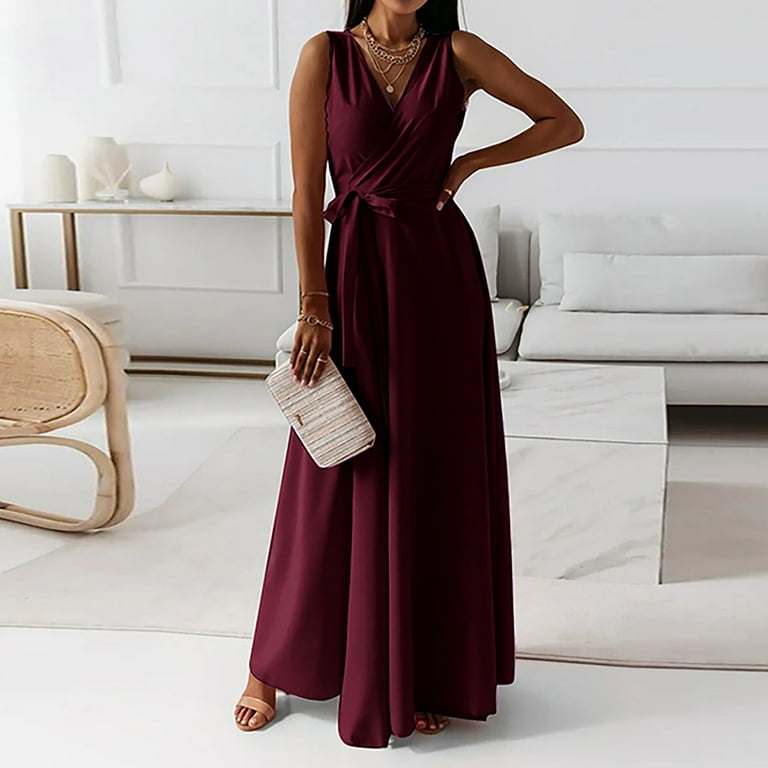
Corporate or charity events require a slightly more polished, often conservative, interpretation of semi-formal. Here, the dress code intersects with professional presentation. Sheath dresses in solid colors—navy, black, burgundy, emerald green—are powerhouse choices. A tailored fit is more important than volume. Fabrics should be matte or subtly textured rather than overly shiny or sheer. Sleeveless or cap-sleeve styles are acceptable, but a elegant blazer or structured shawl can add a layer of professional polish. Literature from university career centers, such as Harvard’s Office of Career Services, often emphasizes “investment dressing” for such events: choosing timeless, high-quality pieces that project competence and confidence. This is where knowledge of quality construction and fabric, as previously discussed, directly translates to perceived professionalism and can impact networking opportunities.
3. The Holiday Party or Festive Gathering
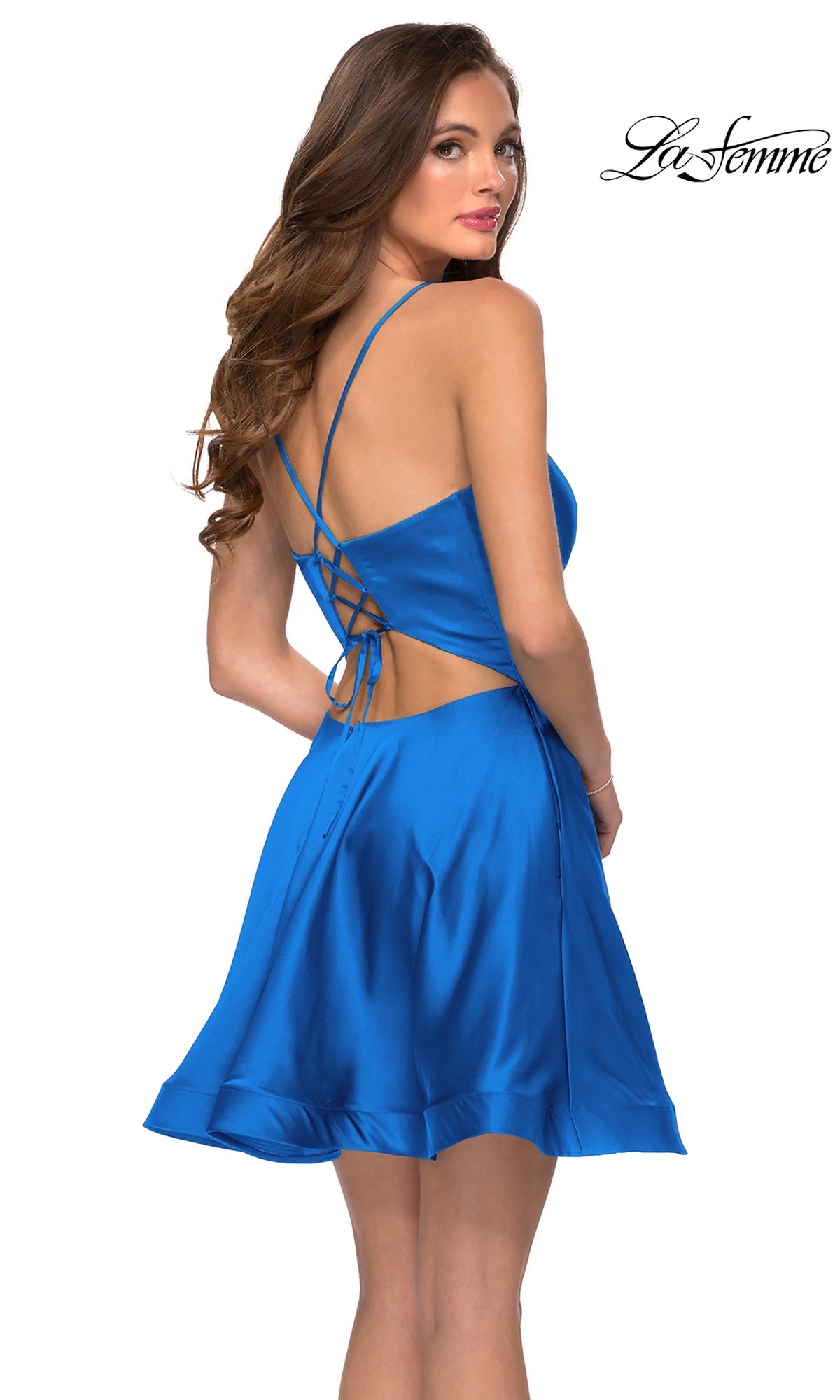
This is where semi-formal meets fun. The rules relax slightly to incorporate festive elements. Sequins, metallic threads, bold colors like ruby red or emerald green, and statement sleeves become not just acceptable but encouraged. The silhouette can remain classic, but the fabric and details can celebrate the season. A velvet wrap dress or a satin slip dress with a sparkly clutch perfectly captures this spirit. The goal is joyful sophistication. As seen in iconic holiday films like The Holiday or Love Actually, the characters’ party attire often exemplifies this blend: chic, celebratory, and perfectly semi-formal. It’s about looking and feeling celebratory without resorting to costume-like attire.

Accessorizing the Equation: The Finishing Science
A semi-formal dress is a canvas, and accessories are the precise brushstrokes that complete the masterpiece. The science here is one of balance and focal points. According to principles of visual design, an outfit should have one, maybe two, primary points of interest. If your dress is ornate with lace or beading, choose simple, elegant jewelry—stud earrings and a delicate bracelet. If the dress is a simple sheath, you can introduce a bold necklace or dramatic earrings. Shoe choice is critical; a closed-toe pump or a sophisticated sandal (weather permitting) in a neutral color elongates the silhouette. A clutch is the standard bag choice—large enough for essentials, small enough to be elegant. YouTube style educators like Alexa Chung often demonstrate the “one-off” rule: before leaving, remove one accessory. This practice, rooted in minimalist design philosophy, prevents over-accessorizing and ensures a polished, intentional look.
Knowledge as Your Best Discount: Finding Value
Mastery brings the invaluable benefit of smart acquisition. Knowing exactly what constitutes a versatile semi-formal dress—a well-cut A-line in crepe, a timeless sheath in jersey—allows you to shop with purpose, avoiding impulsive buys that languish in the closet. This knowledge is your ultimate discount. You can identify quality construction (e.g., French seams, lined fabric, secure zippers) in both high-street and designer labels. You learn which classic styles warrant investment and which trendy pieces can be sourced affordably. Retailers often discount specific colors or styles after a season, but a true classic in black or navy is perpetually in style and can be found on sale. Furthermore, understanding fabric care ensures your investment lasts for seasons, not just one event. This informed approach saves money in the long run by building a curated, versatile wardrobe of occasion-wear that works hard for you.
Ultimately, mastering the semi-formal dress is an exercise in empowered elegance. It moves beyond following rules to understanding principles—of social context, material science, and design harmony. It grants you the confidence to walk into any semi-formal event knowing your attire is perfectly pitched: respectful of the occasion, expressive of your personal style, and a testament to your discernment. With this comprehensive guide, you are no longer decoding a dress code; you are defining it for yourself, one impeccably chosen dress at a time.