

Styling Your Corset and Skirt for Every Season
Fashion transcends mere clothing; it is a dialogue between personal expression and the world around us. Among the most versatile and historically rich pairings in a wardrobe are the corset and skirt. This combination, once a symbol of structured formality, has been liberated and reimagined to speak the language of every season. This article is your guide to mastering this duo, moving beyond fleeting trends to understand how fabric, silhouette, and color interact with the changing environment. We’ll explore how to adapt this timeless pairing for spring’s bloom, summer’s heat, autumn’s richness, and winter’s chill, ensuring you feel empowered and stylish year-round. Along the way, we’ll ground our styling choices in objective insights, from historical context to textile science, and offer practical knowledge to make informed, beautiful decisions.
The Foundation: Understanding Corset and Skirt Dynamics
Before diving into seasonal shifts, it’s crucial to grasp the core elements. A corset, in its modern interpretation, is a close-fitting garment that shapes the torso. Historically, as noted in fashion literature from institutions like the Fashion Institute of Technology, corsets were foundational undergarments designed to mold the silhouette to the prevailing ideal. Today’s fashion corsets are often less restrictive, serving as statement pieces that emphasize the waist and create an hourglass figure. The key to styling lies in balancing this structured, often bold, element with a complementary skirt. Skirts offer a canvas for volume, movement, and texture—from the fluid drape of a maxi skirt to the sharp pleats of a mini. The interaction between the defined top and the flowing bottom is what creates endless stylistic possibilities. Scientifically, this plays with visual perception; a cinched waist creates a focal point, making the body appear more proportioned, a principle often discussed in design and aesthetic theory. Understanding this dynamic is the first step to intentional styling, allowing you to choose pieces that work in harmony rather than competition.

Spring: A Awakening of Texture and Pastel Hues
Spring styling is about emergence and lightness. After the heavy layers of winter, your corset and skirt ensemble should reflect the renewal outside. Opt for corsets in lighter materials like cotton brocade, satin, or even a sturdy linen. These fabrics provide structure without the weight. Pair them with skirts that embody movement: think flowing midi skirts in chiffon, tiered ruffle skirts, or A-line skirts in light denim or canvas. The color palette should draw from the season itself—soft pastels like lavender, mint green, peach, and butter yellow are perennial favorites. As renowned stylist and author Nina Garcia often emphasizes, color is the quickest way to signal a mood. To add a layer of intellectual depth, consider the concept of “biomimicry” in design; just as nature transitions from bare to bloom, your outfit can transition from solid, structured pieces (the corset) to fluid, expanding forms (the skirt). A practical tip: a floral-embroidered corset over a simple, solid-colored skirt lets one piece shine, while a pastel corset with a white eyelet skirt captures a perfectly crisp, garden-party vibe. This season is for playful experimentation with texture and hue.

Summer: Breathable Fabrics and Bold Statements
Summer demands a strategy centered on comfort and confidence. The heat necessitates a focus on breathability. Look for corsets made from natural fibers like cotton, linen, or lightweight mesh. Many contemporary brands offer “summer corsets” with strategic cut-outs or lace panels that enhance airflow. The skirt becomes your tool for staying cool. Maxi skirts in lightweight rayon or silk blends offer coverage with a breeze, while mini skirts or skorts (skirt-shorts hybrids) in cotton poplin or seersucker provide ultimate ease of movement. Color moves from soft pastels to vibrant, saturated tones—cobalt blue, sun-drenched orange, fuchsia—or classic, heat-reflecting white. This is the season to embrace bold patterns; a striped corset with a solid skirt, or vice versa, creates dynamic visual interest. From a scientific standpoint, the choice of fabric is critical. As explained in textile science resources, natural fibers like linen have high moisture-wicking properties, pulling sweat away from the body to evaporate, making them ideal for high temperatures. A summer outfit featuring a linen corset and a flowing, linen-blend skirt is not only stylish but physiologically considerate. Remember, summer style is about joy and vitality; let your ensemble reflect the season’s energy.
Autumn: Layering and Rich, Earthy Tones
Autumn is the season of transition and richness, and your corset and skirt combination is the perfect base for masterful layering. The corset itself acts as a warming layer, defining your shape amidst bulkier pieces. Consider materials like velvet, suede, or thicker brocade. The skirt can embrace weightier fabrics: corduroy, wool crepe, leather (or vegan leather), and tweed. This is the time for deeper, earthy colors—burgundy, forest green, mustard yellow, burnt orange, and chocolate brown. The styling magic happens with layers. Throw a tailored blazer or a chunky knit cardigan over your corset. Pair a long-sleeved turtleneck bodysuit under a lace-up corset for added warmth and texture. As for the skirt, boots become an essential partner, from ankle boots with a midi skirt to knee-high boots with a shorter silhouette. The concept here is “visual texture,” a principle often discussed by interior designers that applies equally to fashion. Combining the plush texture of a velvet corset with the ribbed texture of a corduroy skirt and the smoothness of leather boots creates a complex, sophisticated look that is inherently autumnal. It’s a season for building an outfit that feels as substantial and rewarding as the harvest itself.

Winter: Opulent Fabrics and Strategic Insulation
Winter styling with a corset and skirt is an exercise in defying the cold with elegance. The goal is insulation without sacrificing form. Corsets can be fashioned from opulent, warm materials like wool jacquard, faux fur-trimmed pieces, or even quilted fabrics. They serve as a sleek, shaping layer under your heaviest coats. Skirts take on a maximalist role: think wool-blend pleated maxi skirts, heavy knit midi skirts, or layered tulle skirts worn over insulated leggings. The color palette often returns to darker neutrals—black, charcoal, navy—accented by metallics (silver, gold) or jewel tones (emerald, sapphire) for holiday festivities. The scientific principle at play is thermal insulation. Using multiple layers of air-trapping fabrics, like a wool skirt over thermal tights, is far more effective than a single thick layer. A well-styled winter outfit might involve a structured brocade corset worn over a fine-gauge turtleneck, paired with a thick, ankle-length wool skirt and knee-high boots. This approach, championed by cold-weather fashion experts from Scandinavian countries, prioritizes “functional beauty.” It proves that the dramatic silhouette of a corset and skirt is not confined to warmer months but can be adapted to become the centerpiece of your most enchanting winter ensembles.
Beyond Seasons: The Enduring Versatility of the Pairing
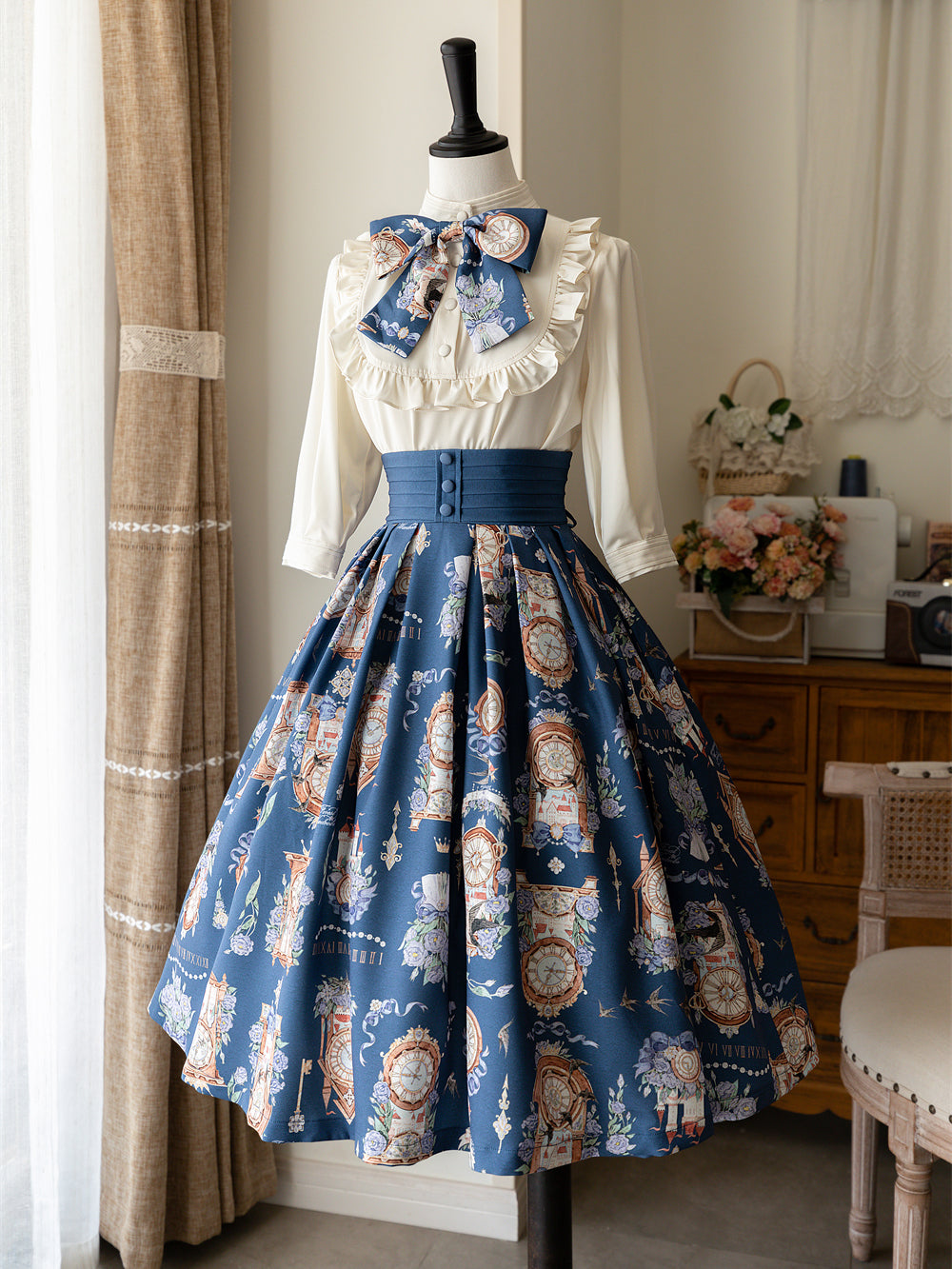
The true power of the corset and skirt lies in its adaptability beyond seasonal dictates. This combination serves as a blank slate for personal narrative. Are you channeling romantic vintage vibes? A lace corset with a tulle skirt achieves that. Seeking a modern, edgy look? A leather corset belt over a sleek satin slip skirt fits perfectly. The evidence of its versatility is everywhere: from the runways of high-fashion houses that continually reinterpret these pieces, to the wardrobes of style icons in film and music. Think of the powerful, armor-like corsets in Mad Max: Fury Road or the whimsical, skirted silhouettes in Marie Antoinette; each tells a different story. By understanding the principles of fabric, color, and silhouette interaction, you equip yourself with professional knowledge that allows for intelligent shopping. This knowledge empowers you to seek out quality pieces—perhaps a perfectly constructed corset from an artisan or a skirt in a timeless cut—that may be found at discounted prices during end-of-season sales or through mindful sourcing, knowing they will earn their place in your wardrobe for years, not just a season.
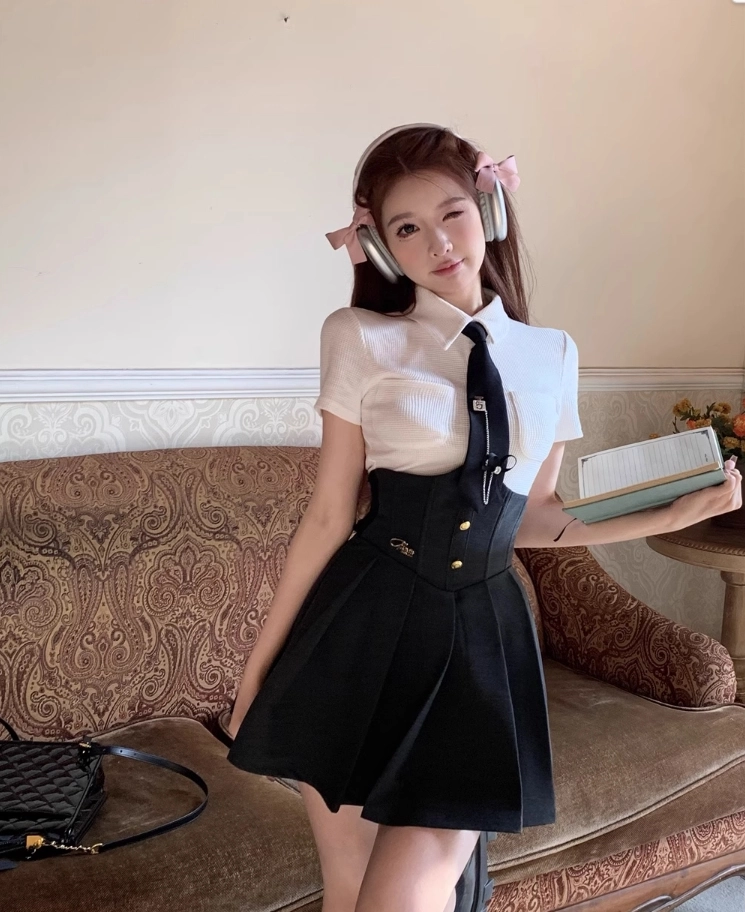
Mastering the corset and skirt is about embracing a toolset for self-expression that is as functional as it is beautiful. It is a dialogue with the climate, a nod to history, and a statement of personal style. By applying the principles for each season—spring’s lightness, summer’s breathability, autumn’s layered texture, and winter’s insulated opulence—you transform two simple garments into a year-round repertoire. This journey through the calendar is not about restrictive rules, but about understanding the language of materials and design so you can write your own style story, confidently and comfortably, no matter what the weather brings.