

Effortless Support and Style: The Ultimate Guide to Cross Back Bras
Forget everything you thought you knew about bra support being synonymous with discomfort or utilitarian design. We are entering an era where engineering meets elegance, where the architecture of a garment empowers not just the body but also the spirit. At the forefront of this revolution is a specific design: the cross back bra. This isn’t merely a trend; it’s a re-engineering of support, a deliberate fusion of biomechanics and aesthetics that liberates movement while sculpting silhouette. This guide delves into the anatomy, science, and transformative power of this design, moving beyond marketing claims to the principles that make it a cornerstone of modern intimate apparel and activewear.
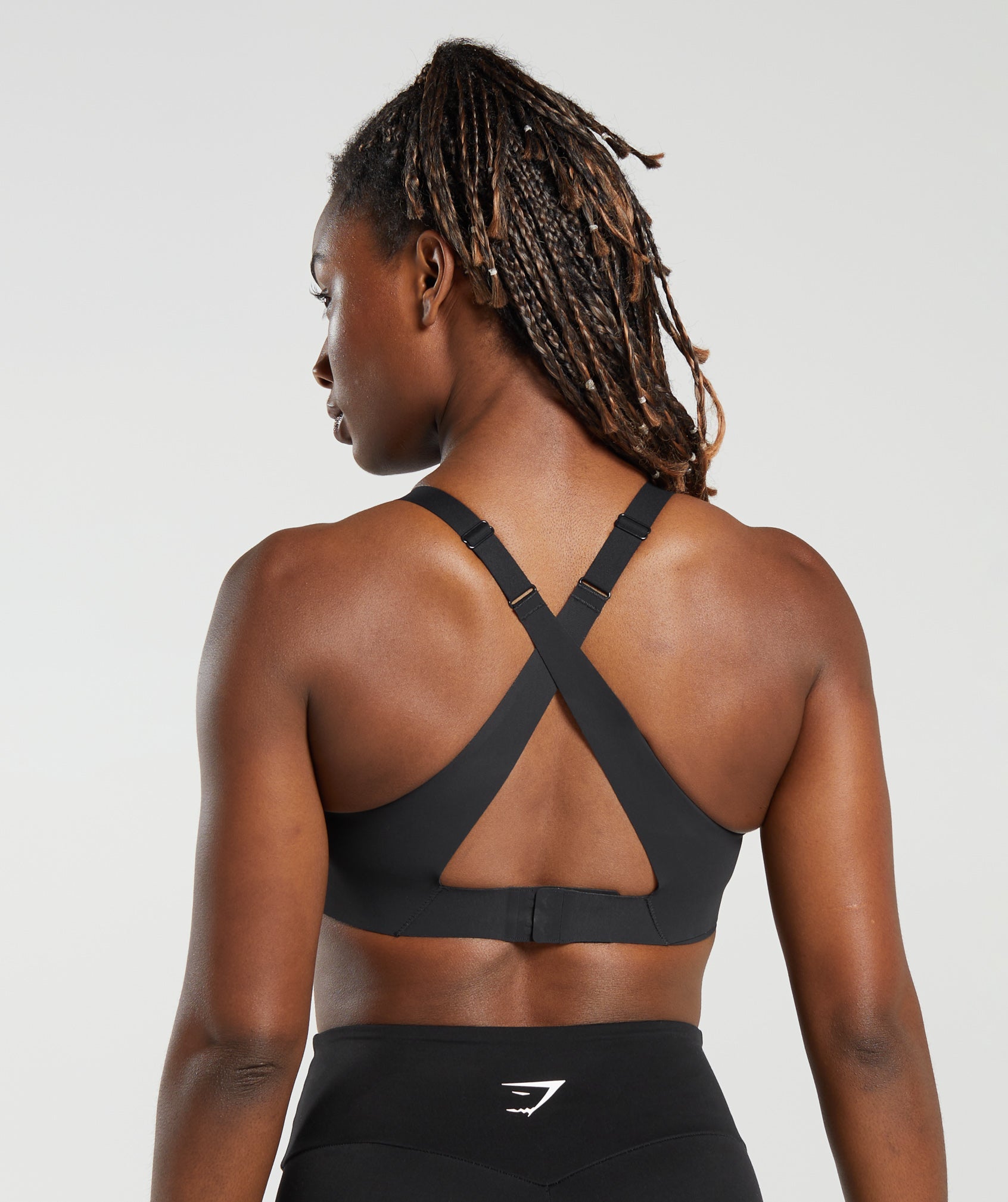
Anatomy of Support: The Biomechanics of a Cross Back Design
To appreciate the cross back bra, one must first understand the mechanics of the traditional bra. A standard bra distributes the weight of the breasts primarily over the shoulders via vertical straps, which can lead to pressure points, shoulder grooving, and postural strain—a phenomenon well-documented in ergonomic studies. The cross-back design fundamentally alters this force vector. By having the straps cross between the shoulder blades, they create a triangular, harness-like support system across the upper back. This design leverages the larger, stronger muscle groups of the upper back and latissimus dorsi to bear the load, rather than the delicate trapezius muscles of the shoulders. From a physics perspective, it’s about distributing force over a wider, more stable area. The crossed straps act as a tension system, pulling the bra band downward and inward towards the center of the back, which in turn enhances the band’s primary function: to provide 80-90% of a bra’s support, as often cited by lingerie experts and fitters. This redistribution not only alleviates shoulder pressure but also actively pulls the shoulders back, encouraging a more open, upright posture. It’s a principle seen in orthopedic posture correctors, but here, it’s seamlessly integrated into daily wear. The result is a sensation of lift and security that feels anchored, not restrictive, making the cross back bra a superior choice for both extended daily wear and dynamic activity.
From Studio to Street: The Versatility Embodied
The true genius of the cross-back design lies in its chameleonic ability to transition across domains. Its origins are deeply rooted in performance wear. Dancers, gymnasts, and yogis have long utilized criss-cross back leotards and tops for their unparalleled stability during complex, multi-directional movements. This functional heritage is now the bedrock of its fashion appeal. The intricate latticework of straps created by a cross back bra transforms the back into a canvas—a focal point of design. It challenges the notion that supportive undergarments must be concealed. Instead, it invites exposure, peeking out from under a deep-V top, framing a backless dress, or standing alone as a statement piece. This visibility is a deliberate fashion statement, echoing the “underwear as outerwear” trend championed by designers from Calvin Klein to Alexander Wang. The aesthetic is one of intentional detailing, suggesting strength and sophistication. Whether it’s a minimalist single cross for a subtle detail or a complex web of straps for a bold architectural look, the design speaks a language of confident functionality. It tells a story that the wearer is both practical and stylish, valuing support without sacrificing self-expression. This seamless shift from the yoga studio to a evening out is a testament to its dual-core design philosophy.
Material Science: The Fabric of Comfort
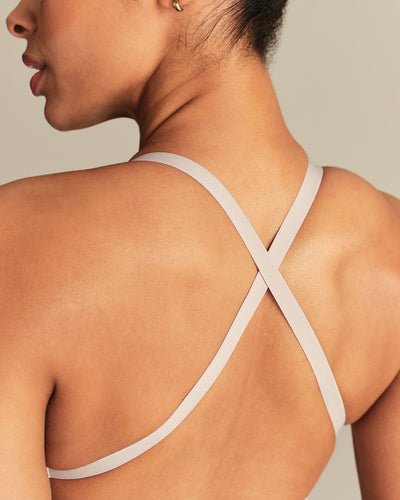
No discussion of performance and comfort is complete without addressing the materials that make it possible. The supportive structure of a cross back bra would be moot if it were crafted from stiff, unforgiving fabrics. Modern iterations are feats of textile innovation. Brands invest in high-tech blends incorporating nylon, spandex (Lycra), and polyester engineered for specific purposes. Moisture-wicking properties, derived from capillary action principles in hydrophobic fibers, pull sweat away from the skin to the fabric’s surface for evaporation—a technology perfected in athletic wear. Four-way stretch allows the material to move with the body in all directions, recovering its shape without bagging or constricting. Seamless knitting technology, often using circular knitting machines, creates entire bra cups or bodies with minimal seams, reducing chafing and creating a smooth, second-skin feel under clothing. Furthermore, the strategic placement of different fabric panels—meshes for breathability in high-sweat zones, compressive powernet for support in the band, and soft, brushed fabrics for skin contact—demonstrates an anatomical approach to design. As Dr. Joanna Wakefield-Scurr, a leading researcher in breast health and biomechanics at the University of Portsmouth, has emphasized in her studies, “The correct bra fit and appropriate support are crucial in minimizing breast pain and discomfort during exercise.” The materials in a quality cross-back design are chosen precisely to fulfill this mandate of dynamic, adaptable support.
“The correct bra fit and appropriate support are crucial in minimizing breast pain and discomfort during exercise. The biomechanics of breast movement are complex, and a well-designed supportive garment is a key tool in managing that movement.”
The Fitting Imperative: Beyond Size to Engineering
Embracing the benefits of a cross-back style requires a fundamental shift in fitting mindset. It is not simply about cup and band size, but about understanding your unique torso geometry and how the bra’s architecture interacts with it. The pivotal point is the back. A cross-back design will feel most effective when the bra band is snug and level all around your ribcage. If the band rides up, the tension system of the crossed straps is compromised. The “swoop and scoop” method is non-negotiable here: leaning forward, placing breast tissue fully into the cups ensures the underwire (if present) or cup seam sits precisely at your inframammary fold. The cross of the straps should sit flat against your back, between or just below your shoulder blades, without twisting or digging. For those with broader shoulders or a fuller bust, the design can be particularly revelatory, as it pulls the weight center-mass. However, those with narrow or sloping shoulders should ensure the straps are adjustable enough to prevent slipping. Remember, the goal is a symbiotic relationship between garment and body. A perfectly fitted cross back bra should feel like a foundational layer of your own musculature—present and powerful, but never a distraction. It’s an investment in your daily biomechanics.
A Statement of Intent: The Psychology of the Silhouette
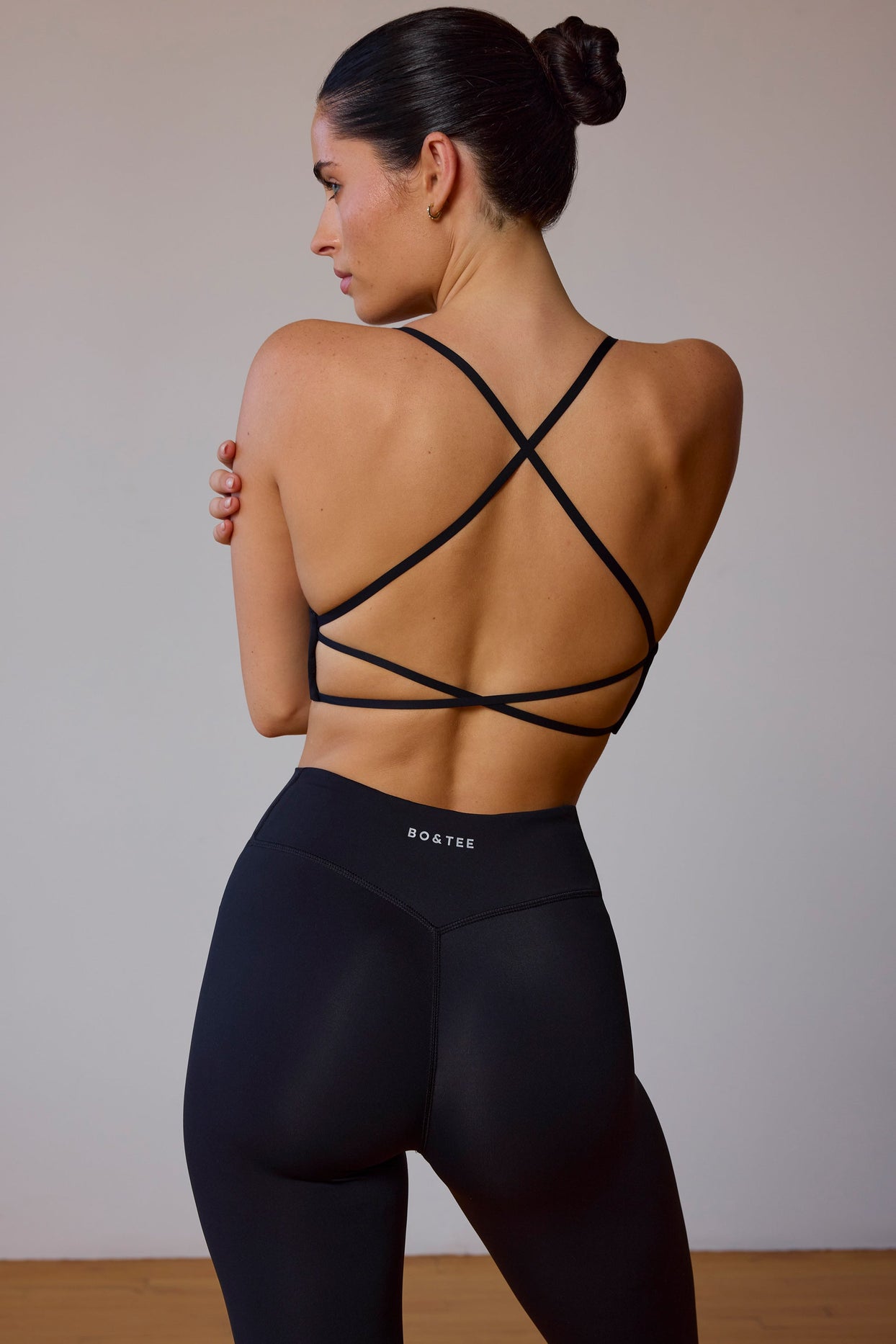
Clothing is never just fabric; it is non-verbal communication. What does a cross-back bra communicate? It speaks of intentionality. Choosing a garment with visible, structural detail on the back suggests an awareness of one’s whole presence, not just the front-facing self. It conveys an appreciation for the engineering behind beauty. In literature and film, characters portrayed as strong, agile, and in control—from the disciplined dancers in “Black Swan” to the formidable warriors in epic sagas—are often costumed in garments that highlight back and shoulder definition, the seat of physical power. The crossed straps mimic the lines of musculature, subtly emphasizing strength. Furthermore, the confidence that comes from feeling utterly secure in your support is profound. It eliminates the constant subconscious adjustments, the strap-tugging, the fear of a wardrobe malfunction. This psychological liberation allows you to engage fully with your world, whether you’re presenting in a boardroom, flowing through a vinyasa, or dancing until midnight. The cross back bra, therefore, becomes more than underwear; it is a tool for self-possession, a private armor that empowers your public performance.

Curating Your Collection: A Confluence of Value and Expertise
Understanding the “why” behind the design naturally leads to the “how” of acquisition. The market is saturated with options, but discernment is key. Look for brands that transparently discuss their fabric technologies and construction methods. A reinforced center gore that lies flat against the sternum, wide, cushioned underbands with multiple hooks, and adjustable, non-stretch strap sections at the cross point are hallmarks of thoughtful engineering. While premium brands often lead in innovation, direct-to-consumer models and strategic collaborations have made this advanced design accessible. The true value isn’t in the initial price tag alone, but in the cost-per-wear of a garment that performs flawlessly across multiple contexts—replacing the need for a separate sports bra, everyday t-shirt bra, and fashion bralette. Investing in one impeccably crafted piece designed for longevity, rather than several mediocre ones, is both an economically and ecologically smarter choice. Brands frequently offer introductory discounts, seasonal sales, and value bundles, making it feasible to build a capsule collection of these versatile workhorses. The goal is to bring this professional-grade support and style into your wardrobe intelligently, maximizing both benefit and budget.
The journey through the world of intimate apparel is deeply personal, yet universally connected to our desire for comfort, confidence, and expression. The cross-back bra stands as a pinnacle achievement in this space, a design that listens to the body’s mechanics and answers with elegant, empowering solutions. It redefines support as something that can be both felt and seen, a structural beauty that moves with you. When you choose a design built on these principles, you’re not just putting on a bra; you’re harnessing a technology designed to elevate your everyday experience.