

5 Chic Ways to Style Short Dresses for Every Season
Short dresses for women are not merely warm-weather staples; they are versatile canvases for year-round expression. The misconception that their utility fades with the summer sun limits a world of sartorial potential. This exploration moves beyond basic layering, delving into the architectural and aesthetic principles that allow a single silhouette to transcend seasonal boundaries. We will dissect five distinct methodologies, each rooted in objective style theory and practical functionality, proving that the short dresses for women in your wardrobe are, in fact, perennial pieces waiting for the right context.
1. The Architectural Layer: Structured Outerwear and Textural Contrast
The first principle hinges on counterpoint. A short dress, often fluid or soft, gains immediate sophistication and seasonal appropriateness when juxtaposed with structured, authoritative outerwear. This isn’t about throwing on any coat; it’s a deliberate play of form and texture. Consider the blazer—a garment whose history is steeped in masculine tailoring but has been brilliantly appropriated into womenswear as a symbol of polished power. As noted in analyses of fashion history, the tailored blazer deconstructs the informality of a short dresses for women, introducing a sharp silhouette that commands attention in autumn boardrooms or crisp spring evenings. The key is proportion: a slightly oversized, wool-blend blazer that grazes the hips or mid-thigh creates a dynamic block-like effect with the dress beneath. Alternatively, a leather moto jacket introduces a different textural narrative—one of rebellion and edge against the dress’s femininity. This contrast is not anecdotal; it’s a core tenet of design theory often explored in resources like the Business of Fashion, which highlights how contrasting materials (soft vs. hard, matte vs. glossy) create visual interest and depth. The result is an outfit with a clear point of view, where the dress becomes the foundational layer in a more complex sartorial statement, perfectly suited for the transitional chill of fall or the unpredictable winds of early spring.

The Science of Silhouette and Perception
Why does this pairing work so effectively from a scientific standpoint? It engages with principles of visual perception and cognitive psychology. The human eye is drawn to contrast and defined shapes. A structured jacket creates a strong, vertical line that can alter the perceived proportions of the body, often lending an impression of height and authority. When this strong shape is placed over the softer, often A-line or bodycon shape of a short dress, it creates a figure-ground relationship that is visually stimulating and intellectually satisfying. This concept is frequently discussed in design curricula at institutions like Parsons School of Design, where students learn that successful styling often involves creating a primary focal point (the jacket’s sharp shoulders) and a secondary supportive element (the flow of the dress). Furthermore, the tactile nature of the materials—the coarse weave of tweed, the cool sleekness of leather—communicates seasonality on a sensory level, signaling adaptability to cooler temperatures far more effectively than the dress alone ever could.
2. The Tactile Narrative: Embracing Knits, Tights, and Boots
When winter asserts its dominance, the instinct might be to retire shorter hemlines. This, however, is where strategic layering of tactile elements transforms a summer piece into a winter warrior. The methodology here is additive and insulating, building a narrative of warmth and texture. Begin with the foundational layer: opaque tights or, for extreme cold, fleece-lined leggings. This single addition extends the dress’s wearability by months. The choice of footwear is critical—ankle boots, knee-high boots, or even rugged combat boots ground the look, providing literal and stylistic stability. The final, most impactful layer is the knit. A chunky, cable-knit cardigan worn open, a fitted turtleneck sweater layered underneath the dress, or an oversized cowl-neck pullover creates a rich tapestry of texture. This approach aligns with the “cozy chic” or “hygge” aesthetic, a concept popularized by Scandinavian lifestyle philosophies that emphasize comfort and contentment through tactile, warm environments and clothing. As numerous lifestyle publications have documented, this aesthetic values the sensory experience of dress, making a lightweight short dresses for women the perfect base for building a cozy, yet intentionally stylish, cold-weather ensemble. The dress provides the shape and often a pop of color or print, while the knits and boots provide the substance and seasonal context.

3. The Proportional Play: High Boots and the Art of the Mini
This style is a masterclass in leveraging proportion to create a sleek, elongated line that defies seasonal constraints. The core idea is to use the boot not as an accessory, but as an extension of the leg, creating a continuous vertical flow from thigh to floor. This is particularly effective with short dresses for women that have a relatively simple, streamlined cut—think shift dresses, slip dresses, or fitted knits. A pair of sleek, over-the-knee boots in suede or leather accomplishes this seamlessly. The visual effect is one of sophisticated coverage that maintains the playful spirit of the mini dress. Fashion historian Valerie Steele, in her writings for The Museum at the Fashion Institute of Technology, has often noted how the mini dress and high boots together create a powerful silhouette that balances exposure and concealment, a dynamic that has resonated since the mod era of the 1960s. In spring or fall, this pairing is ideal, as it provides warmth without bulk. The look’s success is geometric: it reduces the amount of exposed skin into a precise, stylish sliver between the dress hem and boot top, focusing the eye and creating a clean, modern line. It’s a look that commands attention through its bold simplicity and understanding of body geometry.
Economic and Functional Efficiency
From a practical and economic perspective, this styling method offers immense value. A single, well-chosen pair of high-quality boots can elevate multiple short dresses for women in your closet, effectively multiplying your outfit options without requiring new dress purchases. This aligns with the “capsule wardrobe” philosophy advocated by style experts from platforms like YouTube and sustainable fashion blogs, which emphasizes investment in versatile, high-impact pieces. The cost-per-wear of both the dress and the boots decreases significantly. Furthermore, this style is functionally adaptable. For a cooler day, sheer or opaque tights can be worn underneath the boots for added insulation. For a transitional evening, the boots alone provide enough coverage. This versatility ensures that your favorite short dresses are not relegated to the back of the closet but remain active, profitable components of your year-round style portfolio.

4. The Unexpected Pairing: Masculine Footwear and Feminine Dresses
True style innovation often occurs at the intersection of seemingly opposing ideas. One of the most compelling ways to style a short dress for any season, particularly the gritty transitions of fall and spring, is to anchor it with deliberately masculine or utilitarian footwear. This means trading delicate sandals or pumps for chunky loafers, polished brogues, or robust combat boots. This creates a delightful tension—the inherent femininity and lightness of the dress are contrasted with the grounded, functional aesthetic of the shoes. The iconic French designer, Coco Chanel, famously borrowed from menswear to liberate and empower women’s fashion, a principle that lives on in this very pairing. As quoted in many biographies, her ethos was about comfort and confidence, not just ornamentation. A floral-print summer dress paired with heavy-soled leather loafers and thick socks is no longer just a summer outfit; it’s an intellectual fashion statement ready for a cool, blustery day. This approach has been championed by contemporary style icons on platforms like Instagram and Pinterest, where the “pretty vs. rugged” aesthetic consistently garners engagement for its relatable yet fashion-forward appeal.
5. The Accessory Armor: Statement Pieces as Seasonal Anchors
Finally, never underestimate the transformative power of accessories to dictate seasonality. A short dress can serve as a neutral backdrop for bold, seasonal accessories that do the heavy lifting in terms of style communication. For winter, this means a monumental scarf—think cashmere, oversized, and in a rich hue—draped artfully, paired with textured tights and ankle boots. The scarf becomes a cape, a shawl, a focal point. In the humid heat of summer, the dress might stand alone, but for spring and fall, strategic layering of accessories changes everything. A wide, leather belt cinched at the waist over a slouchy cardigan and dress defines shape. Tights in unexpected colors or patterns add a layer of interest. Hats are exceptionally powerful: a felt fedora for fall, a wide-brimmed wool hat for winter, or a structured beret for spring instantly code your outfit for the season. As Tim Gunn, the renowned fashion consultant and co-host of Project Runway, has often emphasized, accessories are the “exclamation point” of an outfit. They allow you to adapt the core item—the short dresses for women—to your environment and mood without changing the foundational garment. This method is both economical and creative, allowing for endless experimentation and personalization.
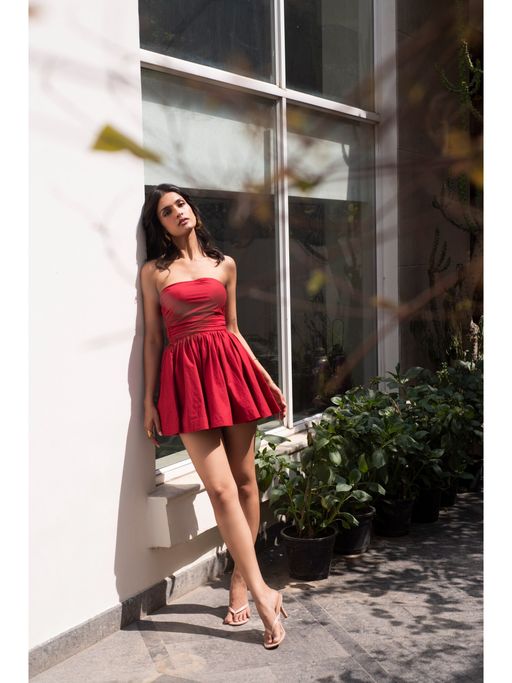
The journey through a year with a short dress is a journey in creative styling intelligence. It disproves the notion of seasonal limitation, replacing it with a framework of principles—architectural contrast, tactile addition, proportional play, unexpected pairing, and accessory emphasis. Each method provides an objective, science- and theory-backed pathway to extend the utility and expressiveness of your wardrobe’s most versatile pieces. The next time you consider packing away your short dresses for women, see them instead as blank slates, awaiting the brushstrokes of outerwear, texture, proportion, and detail to paint a new picture for a new season.