

Mastering Semi-Formal Dresses for Every Occasion
Navigating the world of event attire can often feel like deciphering a complex code. Among the most frequent, yet most misunderstood, directives is “semi-formal.” It occupies that elegant middle ground between the relaxed nature of casual wear and the strict grandeur of black-tie, offering a realm of sartorial freedom that, when mastered, becomes an invaluable part of your wardrobe. This guide is designed to demystify the semi-formal dress, transforming it from a source of anxiety into your secret weapon for looking impeccably appropriate and stylishly confident at a wide array of events. We will move beyond simple definitions, delving into the historical context, fabric science, and psychological impact of your choices, equipping you with the knowledge to select, style, and own this versatile category.
The Semi-Formal Spectrum: Defining the Undefinable
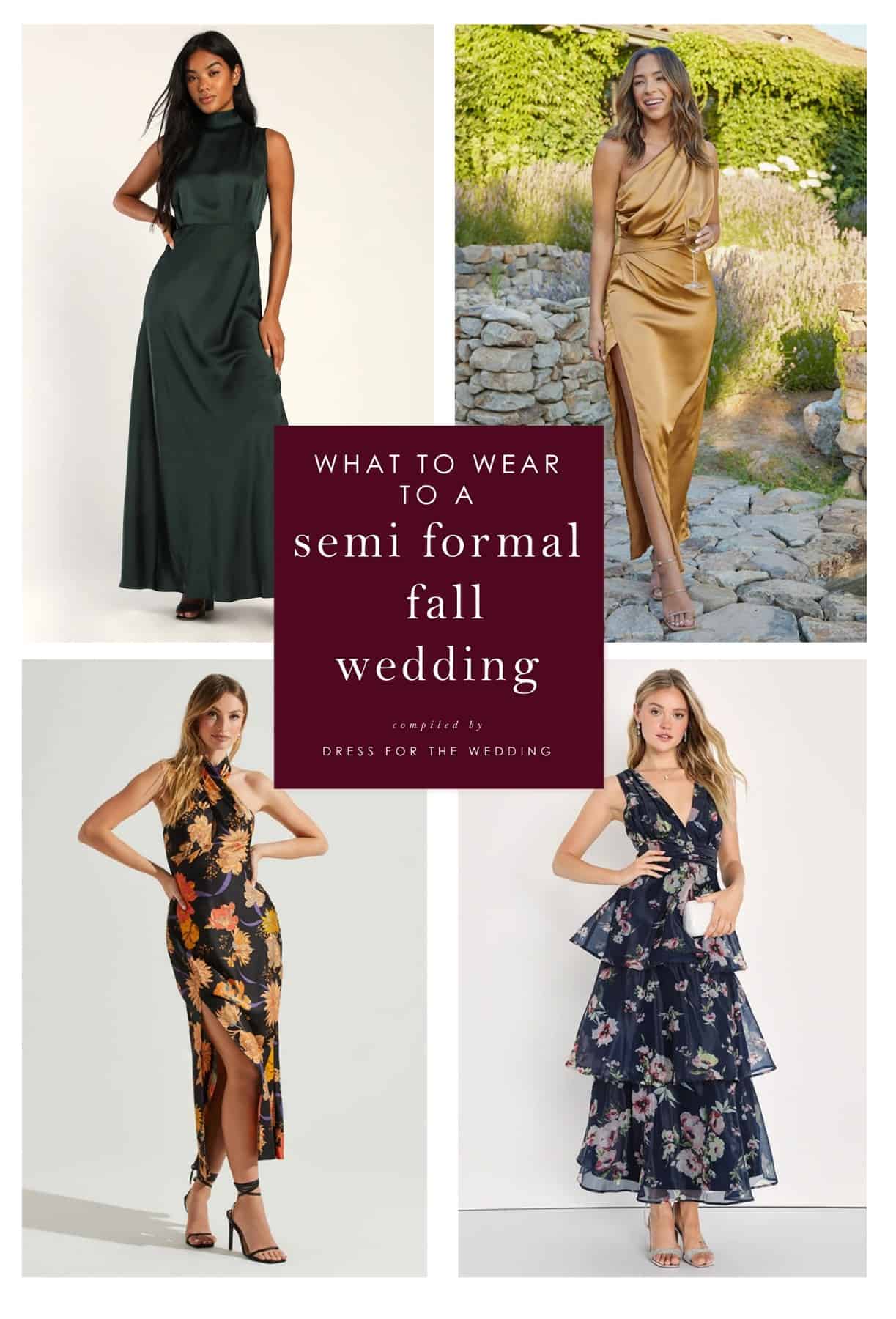
The term “semi-formal” itself suggests a duality, a blending of codes. Historically, its roots are deeply entwined with 20th-century social evolution. As formal white-tie events became less common post-World War II, a new, more accessible standard emerged. According to fashion historians, this was a democratization of elegance, a response to a faster-paced, less rigidly stratified society. The modern interpretation, as echoed by style authorities from Vogue to the New York Times Style section, positions semi-formal as the dress code for events that are significant but not austere—think daytime weddings, sophisticated cocktail parties, gallery openings, award ceremonies, and fine-dining anniversaries. The key objective is polished sophistication without overt opulence. A semi-formal dress should make you look curated and considered, as if you made an effort that is respectful of the event’s hosts and fellow attendees, yet not so extravagant that you overshadow the occasion itself. It’s about harmony, not competition.
Fabric and Form: The Architecture of Elegance
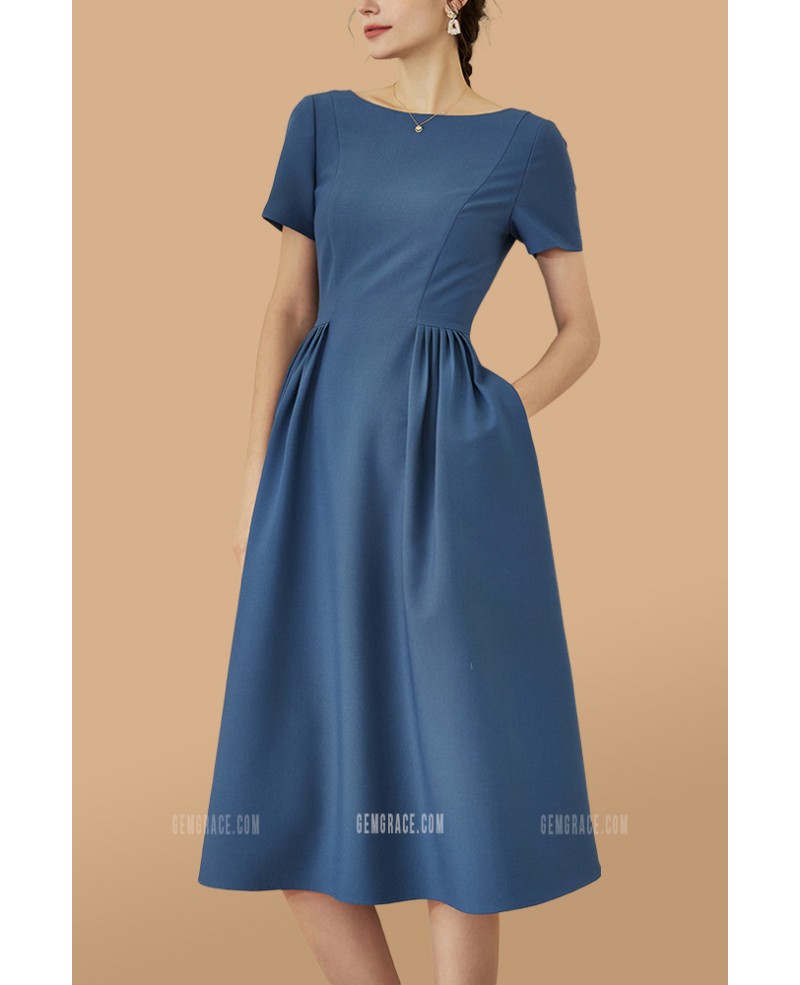
Choosing the right semi-formal dress begins with understanding the language of fabrics and silhouettes. This is not merely aesthetic; it’s a matter of textile science and social semiotics. Fabrics like crepe, silk chiffon, jacquard, and high-quality lace are perennial favorites for a reason. Crepe, with its finely crinkled texture, drapes beautifully and resists wrinkling, making it ideal for travel and extended wear. Silk chiffon offers a ethereal, flowing quality that conveys lightness and grace. These materials possess a inherent “dressiness” that elevates a simple cut. Conversely, while cotton and jersey can be styled up, they often require more deliberate design intervention—such as pleating, embellishment, or a structured silhouette—to cross the threshold into semi-formal territory. The silhouette is equally critical. A-line dresses flatter nearly every body type by cinching at the waist and flowing over the hips. Sheath dresses offer a sleek, modern line that exudes confidence. Fit-and-flare styles provide a playful, feminine touch. The length is a primary signifier: knee-length, tea-length (falling between the knee and ankle), or a sophisticated midi length are all standard. The quintessential semi-formal dress finds its power in the marriage of a luxurious fabric with a flattering, intentional cut, creating an ensemble that feels special without trying too hard.
Color Psychology and Occasion Matching
Color is not a mere afterthought; it is a non-verbal communicator that sets the tone of your presence. The psychology of color, a field studied in depth at institutions like the Pantone Color Institute and in design programs at universities worldwide, tells us that hues evoke specific emotions and perceptions. For a daytime semi-formal event, such as a garden wedding or a brunch, lighter palettes—soft pastels, creamy whites, floral prints—harmonize with the natural light and generally joyous atmosphere. As fashion icon Diana Vreeland once quipped, “Pink is the navy blue of India,” highlighting how color standards are contextual. For evening events, deeper, richer colors come into play: emerald green, sapphire blue, burgundy, or classic black project sophistication and depth under artificial lighting. It’s also crucial to consider the event’s nature. A corporate gala might call for more subdued, powerful tones like navy or charcoal grey, while a friend’s birthday party at an upscale lounge allows for bolder metallics or vibrant jewel tones. The choice of color in your semi-formal dress is a strategic decision that aligns your personal expression with the event’s ambiance.
Beyond the Dress: The Alchemy of Accessories
A semi-formal dress provides the canvas, but accessories are the masterful strokes that complete the portrait. This is where personal style truly shines and where the “semi” in formal allows for creative interpretation. The principle of balance is paramount. A dress with intricate beading or a high neckline might pair beautifully with simple stud earrings and a delicate bracelet. Conversely, a minimalist sheath dress becomes a backdrop for a statement necklace or dramatic chandelier earrings. Footwear shifts the formality dial significantly. A classic pump or a sleek sandal is a fail-safe choice. For a more contemporary edge, a sophisticated block heel or an embellished flat can be both stylish and comfortable. The handbag should be elegant and proportionate—a structured clutch or a small, chic shoulder bag. As Tim Gunn, the renowned fashion consultant, emphasizes, the final look should “make it work” as a cohesive whole. Every element, from your hosiery (or lack thereof) to your choice of wrap or jacket, should feel intentional. Over-accessorizing can tip the look into “overdone,” while under-accessorizing may leave it feeling incomplete. The goal is a curated elegance where each piece complements, not competes.
The Modern Wardrobe Investment: Value Beyond the Price Tag
In an era of fast fashion, investing in a well-made semi-formal dress is an act of sustainable and smart personal finance. The concept of cost-per-wear, frequently discussed by financial advisors and minimalist lifestyle experts alike, becomes highly relevant here. A $300 dress worn to six different events over several years has a cost-per-wear of $50, whereas a $80 dress worn once and discarded is far more expensive in the long run. Look for signs of quality: fully lined constructions, French seams, secure zippers, and hem finishes. These details ensure the garment retains its shape and beauty. Furthermore, the versatility of a semi-formal piece is its greatest asset. A little black dress, a concept immortalized by Coco Chanel and explored in countless style guides, is the archetype. With changes in accessories, outerwear, and hairstyle, it can serve a multitude of semi-formal functions. This approach aligns with the “capsule wardrobe” philosophy advocated by platforms like The Concept Wardrobe, which promotes a smaller collection of versatile, high-quality items. By choosing timeless cuts and colors, you build a repertoire of go-to outfits that feel fresh each time, reducing closet clutter and decision fatigue.

Context is King: Decoding Specific Occasions
The true test of mastering semi-formal attire is applying the principles to specific scenarios. Each event carries its own subtle nuances. For a semi-formal wedding, the time of day and venue are your guiding stars. An afternoon ceremony in a botanical garden calls for lighter fabrics, playful prints, and hats or fascinators are often welcomed. An evening reception in a hotel ballroom leans toward darker hues, richer fabrics like velvet or satin, and more glamorous accessories. The mother-of-the-bride or groom, as noted on dedicated sites like “Brides,” often opts for elegant knee-length or tea-length dresses in colors that complement the wedding palette without matching the bridal party. For a cocktail party, the name itself suggests a shorter, often more playful or daring dress—think sequins, bold colors, or unique cut-outs, all within the bounds of sophistication. A professional award ceremony demands a more conservative approach: tailored sheaths, high necklines, and closed-toe pumps project competence and respect. In every case, when in doubt, it is universally acknowledged that it is better to be slightly overdressed than underdressed; the former shows respect, the latter can appear dismissive.
A Note on Menswear and Inclusive Styling
While this article focuses on dresses, the semi-formal code is inclusive. For those who prefer suits or other attire, the principles of polished fabric (fine wool, tropical wool, a high-quality blazer), intentional color, and tailored fit apply equally. A dark suit with a dress shirt and no tie, or a smart blazer paired with tailored trousers and elegant loafers, perfectly fulfills the brief. The core tenet remains the same: intentional, respectful, and polished presentation, regardless of garment type.

Your Curated Style, Your Confident Self
Ultimately, mastering the semi-formal dress is less about rigid rules and more about cultivating a discerning eye and a confident sense of self. It is an exercise in understanding context, appreciating quality, and expressing personal style within a framework of social grace. The perfect semi-formal outfit is one that makes you forget about your clothes because you feel so authentically and appropriately yourself in them. It allows you to engage fully with the event, the people, and the moment, secure in the knowledge that your appearance is both a compliment to the hosts and a reflection of your own taste. So view your next semi-formal invitation not as a challenge, but as an opportunity—to experiment, to refine, and to step out with the assured elegance that comes from true understanding. Your wardrobe, and your social calendar, will be all the richer for it.