

How to Style a Retrofete Dress for Effortless Vintage Glamour
Vintage glamour isn’t about costume; it’s a feeling of polished, timeless elegance that feels both nostalgic and utterly contemporary. At the heart of this modern vintage revival is the retrofete dress. More than just a garment, it’s a statement piece that bridges decades, offering a silhouette that whispers of old Hollywood but speaks in a decisively modern voice. This article is your guide to moving beyond simply wearing a dress to truly embodying an era-infused aesthetic with ease and confidence. We’ll dissect the elements that make these dresses so powerful and provide a practical, style-centric blueprint for making that glamour feel utterly effortless.
The Anatomy of a Retrofete Dress: Defining the Silhouette
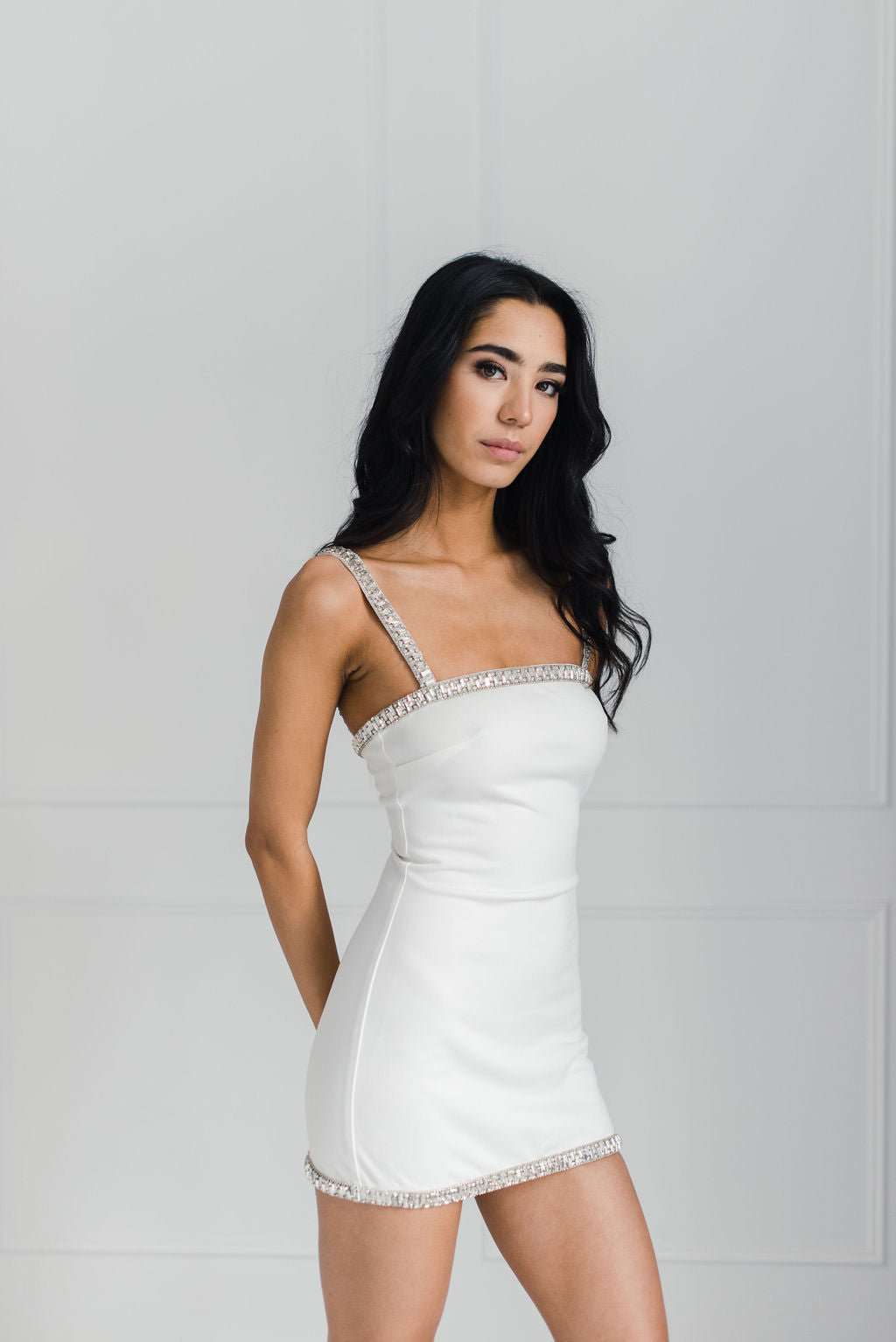
To style a retrofete dress effectively, one must first understand its architectural language. These dresses are not mere reproductions; they are contemporary interpretations that distill key design elements from the mid-20th century. The term “retrofete” itself is a portmanteau, suggesting a “re-feting” or re-celebration of the past. Scientifically, our attraction to such styles can be linked to nostalgia, a complex emotional state that, according to research cited in the Journal of Consumer Research, can provide comfort and a sense of identity. A retrofete dress often features a defined waist, a hallmark of 1950s Dior’s “New Look,” which cinched the waist and emphasized the bust and hips to create an hourglass figure—a silhouette historically associated with fertility and vitality. Other common elements include sweetheart or portrait necklines that frame the collarbone, leg-of-mutton or puff sleeves that add drama to the shoulder, and hemlines that play with proportion, from tea-length skirts to sleek midi cuts. The fabrics are crucial: duchess satin, silk shantung, and structured taffeta. These materials don’t just drape; they hold shape, creating that iconic architectural form. As fashion historian Valerie Steele notes in her work for The Museum at FIT, “Silhouette is the first and most important element of fashion.” The retrofete dress masters this, offering a clean, intentional shape that becomes the canvas for personal expression.

Building the Foundation: Shoes and Shapewear
Effortless glamour is an illusion built on a foundation of thoughtful choices. Before you even consider accessories, address what goes underneath and on your feet. The right foundation garments are non-negotiable for achieving that seamless, vintage-inspired silhouette. This isn’t about restrictive corsetry but modern shapewear that smooths and supports, allowing the dress’s built-in structure to shine. Brands like Skims or Spanx offer high-waisted briefs or slips that create a clean line from bust to hip. The goal is to become a harmonious part of the dress’s architecture, not to fight against it. Footwear is the literal foundation of your look. For daytime, a classic pump with a moderate heel—think a 2.5-inch block heel or a sleek kitten heel—references the 1950s without sacrificing comfort. For evening, a strappy sandal or a pointed-toe stiletto elevates the drama. Consider the hemline: a tea-length dress pairs beautifully with ankle-strap heels, a style famously favored by style icons like Audrey Hepburn. As renowned shoe designer Manolo Blahnik once stated, “Shoes are the final touch, the punctuation mark of a woman’s outfit.” Your choice here punctuates the sentence your dress begins. It’s a practical step that carries immense stylistic weight, ensuring you move with the grace and confidence that the dress demands.
The Alchemy of Accessories: Less is More, But Make it Meaningful
Accessorizing a retrofete dress is an exercise in curated precision. The dress itself is often the star, so accessories should act as a supporting cast, not competing leads. This is where the “effortless” part of vintage glamour truly comes to life. Start with jewelry. Pearl strands, chandelier earrings, or a single, bold cocktail ring channel vintage elegance without appearing costumey. Take inspiration from the “One Charming Piece” philosophy often discussed on style forums like The Fashion Spot, which advocates for one standout accessory that tells a story. A vintage-inspired watch, like a Cartier Tank or a similar style, adds a touch of refined functionality. Your handbag is another key player. A structured box clutch or a small, beaded evening bag complements the dress’s lines far better than a casual tote. When it comes to outerwear, a tailored wool coat for cooler weather or a dramatic faux fur stole for evening continues the narrative. The principle is balance. As Coco Chanel’s oft-repeated adage goes, “Before you leave the house, look in the mirror and take one thing off.” This doesn’t mean being bare; it means each element is intentional. A single, well-chosen piece can often do the work of three random ones, creating a look that feels cohesive, intelligent, and undeniably glamorous.

Modern Contexts: From Day to Night
The true test of a garment’s versatility is its ability to transition across different settings. A retrofete dress possesses this chameleonic quality when styled with intention. For a daytime event like a garden party or a sophisticated lunch, lean into subtlety. Pair the dress with low-heeled mules, a simple woven clutch, and minimalist gold jewelry. A wide-brimmed hat can provide both sun protection and a dose of Grace Kelly-esque polish. The key is to let the dress’s cut and fabric do the talking, keeping other elements clean and fresh. Transitioning to evening requires a shift in intensity. This is where you amplify the glamour. Swap the low heels for sparkling stilettos or metallic sandals. Exchange the woven clutch for a satin or sequined minaudière. Layer on the jewelry—perhaps those chandelier earrings you saved for nightfall. A bold red lip, as iconicized by figures from Rita Hayworth to Taylor Swift in her “Red” era, instantly codes as evening glamour. Consider your hairstyle; an updo or soft waves can complete the transformation. This adaptability is not just practical; it’s a smart investment. According to cost-per-wear analysis, a staple of sustainable fashion discourse, a single dress that can be styled for multiple occasions offers far greater value than two highly situational garments. You’re not just buying a dress; you’re acquiring a versatile tool for your style arsenal.
Hair and Makeup: The Finishing Symphony
Your hair and makeup are the final notes in the symphony of vintage glamour, harmonizing with your dress to create a complete sensory experience. They should reflect the same balance of retro inspiration and modern sensibility. For makeup, the focus is often on one feature. A classic, matte red lip paired with flawlessly smooth skin and softly defined eyes is a timeless combination. Alternatively, a modern smoky eye with a nude lip lets the dress’s neckline shine. The goal is polished perfection, not heavy application. Brands like Charlotte Tilbury build entire lines around this “Hollywood” beauty ideal, emphasizing glow and definition. For hair, the options are beautifully varied. Soft, face-framing curls evoke the 1930s and 40s, while a sleek, low chignon or a polished ponytail feels more 1960s modern. A deep side part can instantly add a vintage inflection to even a simple blowout. YouTube beauty experts like Lisa Eldridge frequently deconstruct these looks, emphasizing technique over product overload. She often notes that vintage makeup was about precision and shape, ideals that translate perfectly today. This approach to beauty isn’t about masking; it’s about enhancing your features in a way that feels congruent with the dress’s inherent drama. It’s the personal touch that makes the borrowed glamour feel authentically your own.
Cultivating Your Vintage Glamour Persona
Ultimately, styling a retrofete dress is about more than assembling an outfit; it’s about cultivating an attitude. Vintage glamour, in its effortless form, is a posture of confidence and enjoyment. It’s in the way you move in the dress, the way you own the space you occupy. This persona is informed by cultural touchstones: the witty repartee of Katharine Hepburn’s characters, the sensual confidence of Sophia Loren, the playful elegance of Bianca Jagger. It’s not about imitation, but about absorbing the essence—the self-assuredness. This extends to where you find these pieces. While investing in a designer retrofete dress is a commitment to quality and design, savvy stylists also scour reputable vintage markets, rental services like Rent the Runway for special occasions, or end-of-season sales where these investment pieces can be found at a significant discount, sometimes up to 40% off. Building this persona is a journey of editing and self-discovery, of learning which elements of the past resonate with your present. It’s about creating a personal style narrative that feels rich, intentional, and uniquely yours—a narrative where a single dress can open the door to a world of effortless allure.

Embracing vintage glamour through a Retrofete dress is an invitation to play with time, to curate an aesthetic that feels both storied and strikingly present. It begins with understanding the dress’s architectural intent, builds through strategic foundations and accessories, and culminates in the personal flourishes of beauty and attitude. This approach transforms the dress from a mere garment into a catalyst for confidence, a piece that allows you to author your own version of timeless style with every wear.