Mastering Semi-Formal Dresses for Every Occasion
Navigating the world of event attire can feel like deciphering a complex code. “Cocktail,” “business casual,” “black-tie optional”—each term carries specific expectations. Among these, the semi-formal dress stands out as one of the most versatile yet frequently misunderstood categories. It’s the sartorial sweet spot between the relaxed elegance of casual and the structured grandeur of formal wear. This guide isn’t about rigid rules; it’s about unlocking the principles that allow you to select a semi-formal dress with confidence for any event on your calendar, from garden parties to evening receptions. We’ll blend objective style definitions with insights from designers, cultural commentators, and practical wisdom to empower your choices, ensuring you feel impeccably dressed and authentically yourself.
Decoding the Semi-Formal Lexicon: Beyond the Label
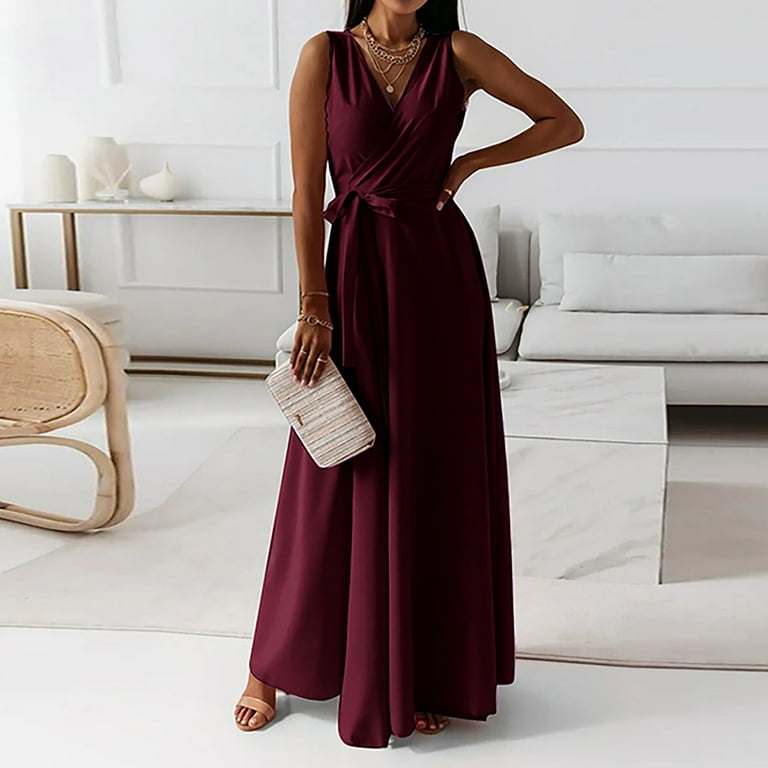
The term “semi-formal” or “half-dress” has historical roots in Western dress codes, emerging as a less rigid alternative to full formal “white tie” attire for evening events. According to analyses of fashion history, this codification allowed for greater personal expression while maintaining a standard of decorum. In contemporary terms, authoritative style guides from institutions like the Emily Post Institute define semi-formal as attire that is polished, intentional, and occasion-appropriate without being overtly ceremonial. For women, this directly translates to the realm of dresses. A semi-formal dress typically falls at or just above the knee to midi-length, though full-length options can be suitable for evening events. Fabrics lean towards sophistication—think crepe, chiffon, lace, satin, or high-quality jerseys—avoiding overly casual materials like denim or plain cotton t-shirt fabric. The silhouette can range from a sleek sheath to an A-line skirt or a wrap dress, offering a canvas for personal style. As fashion historian Valerie Steele has noted in her publications, dress codes are a dialogue between individual identity and social context. Thus, mastering the semi-formal dress is about understanding this dialogue: it should reflect you, while respectfully acknowledging the formality of the event.
The Day-to-Evening Transition: Fabric and Silhouette as Your Guide
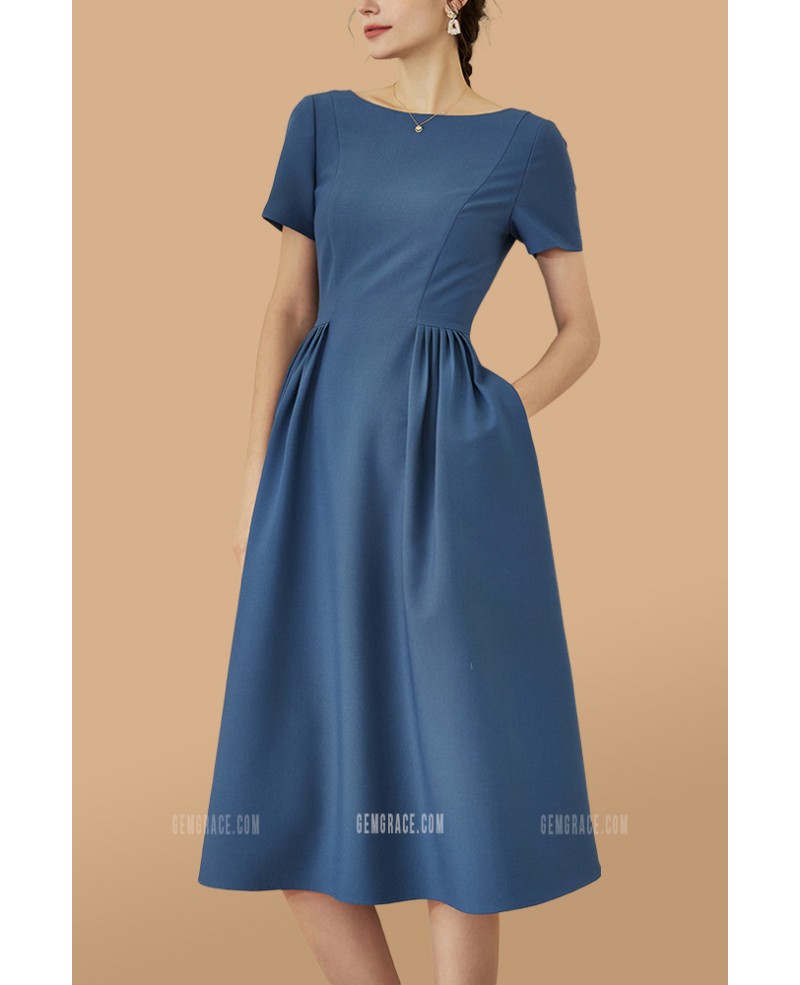
Your first consideration should be the time of day. A semi-formal daytime event, such as a garden wedding or a sophisticated luncheon, calls for lighter fabrics and often slightly more coverage. A knee-length dress in a floral-printed chiffon or a linen-blend shift dress would be exemplary. Here, you might draw inspiration from the effortless elegance portrayed in films like “The Great Gatsby” (2013) for garden party scenes, where diaphanous fabrics and softer structures reign. Conversely, a semi-formal evening event—a dinner party, a theater opening, or a nighttime wedding—invites darker hues, richer textures, and more luxurious fabrics. A velvet midi dress or a silk satin slip dress embodies this evening spirit. Designer Diane von Fürstenberg, creator of the iconic wrap dress, once stated, “Style is something each of us already has; all we need to do is find it.” This philosophy is key here: the wrap dress itself, with its universally flattering fit, is a quintessential example of a semi-formal dress that allows personal style to shine within a framework of appropriateness. The silhouette you choose—whether it emphasizes your waist, skims your figure, or flows freely—should be the one in which you feel most powerful and comfortable.
Color Psychology and Event Context: Making a Statement
Color is a non-verbal language, and your choice speaks volumes before you utter a word. For semi-formal occasions, understanding basic color psychology and context is crucial. Jewel tones—emerald green, sapphire blue, amethyst purple—convey luxury and depth, perfect for fall and winter evening events. Pastels and brights are ideal for spring and summer daytime functions. The classic Little Black Dress (LBD), as championed by Coco Chanel and later popularized in films and literature, remains a failsafe cornerstone of semi-formal wear due to its unparalleled versatility. However, don’t feel confined to black. Consider the venue and theme. A beachside semi-formal event might welcome lighter, airy colors and fabrics, while an urban loft party might call for more metallic or minimalist tones. Resources like Pantone Color Institute reports, which forecast color trends, can offer inspiration, but your personal palette should always take precedence. The goal is to select a color that not only suits the occasion but also complements your skin tone and makes you feel vibrant and confident.
The Architecture of Accessories: Completing the Narrative
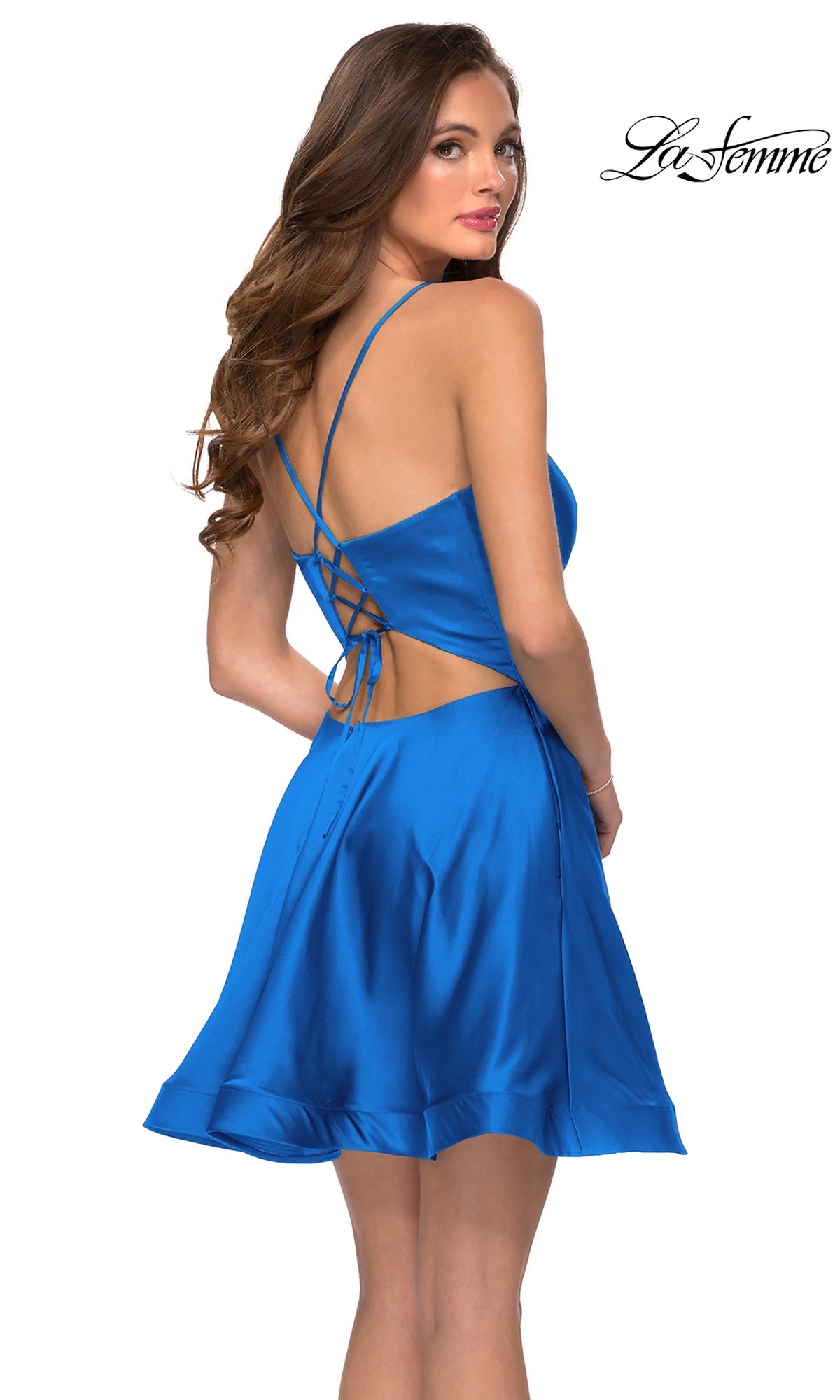
A semi-formal dress provides the foundation, but accessories compose the complete story. The principle of balance is paramount. An elaborate, beaded dress is best paired with simple, elegant jewelry—perhaps a pair of classic studs and a delicate bracelet. Conversely, a minimalist sheath dress becomes a canvas for statement jewelry: a bold necklace or dramatic earrings. Footwear must bridge style and practicality; a sleek block heel or an elegant wedge often provides more stability and comfort for extended wear than a stiletto, especially for outdoor events. Your handbag should be proportionate and refined—a structured clutch or a small, elegant crossbody bag. As style commentator and author Tim Gunn emphasizes in his principles of fashion, it’s about “making it work” through editing. He advocates for a critical look in the mirror before leaving: remove one accessory. This practice ensures your look remains polished and intentional, not cluttered. The right accessories don’t just complement your dress; they elevate the entire ensemble, signaling a thoughtful and complete approach to semi-formal dressing.
Navigating Specific Occasions: From Weddings to Corporate Galas
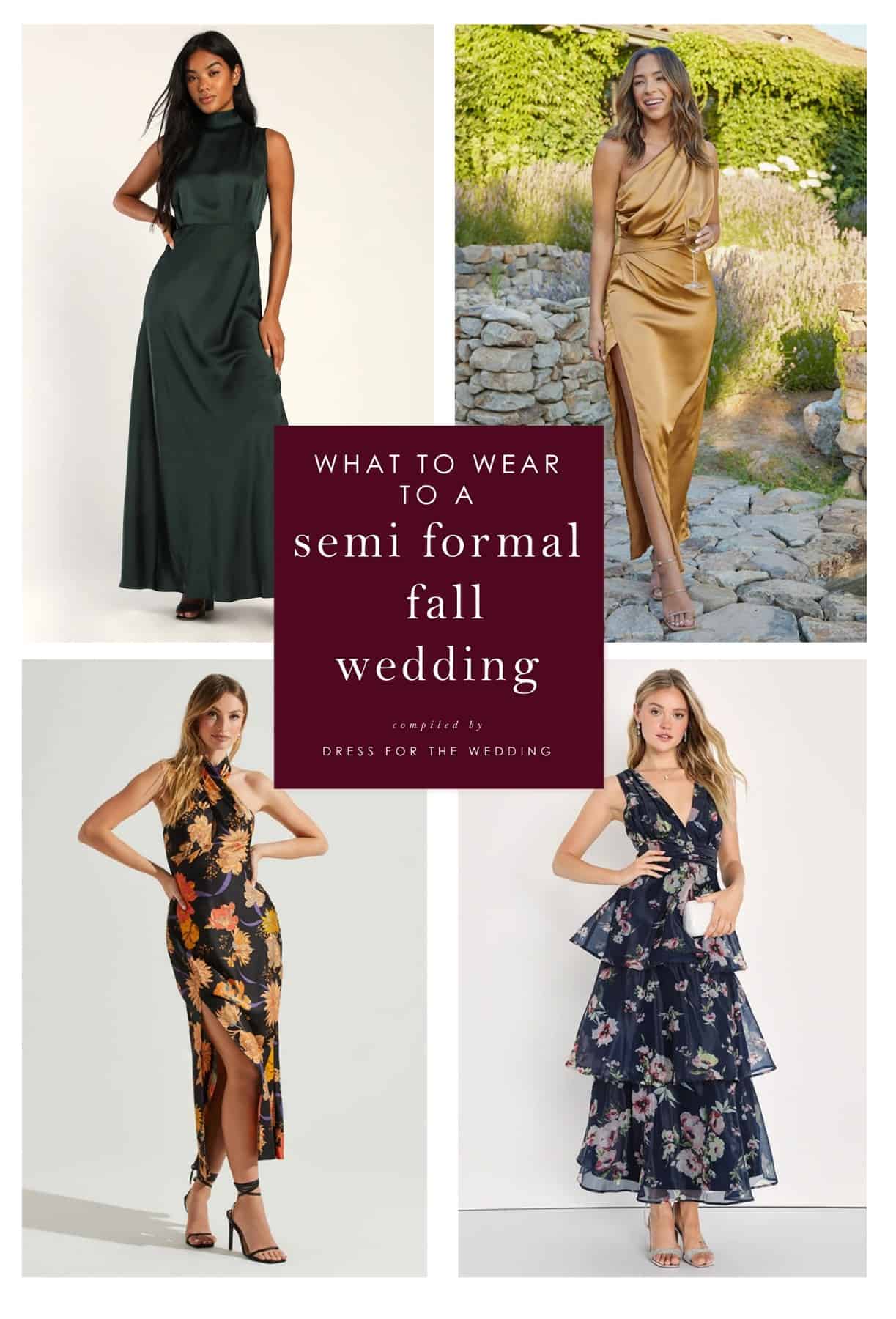
While the core principles remain, specific occasions have nuanced expectations. For a semi-formal wedding, always defer to the couple’s stated dress code first. Generally, avoid white, ivory, or anything that could be mistaken for a wedding dress. Midi or knee-length dresses in celebratory colors or prints are excellent choices. For a corporate semi-formal event or gala, lean towards more conservative cuts and sophisticated fabrics. A tailored fit-and-flare dress or a elegant jumpsuit can project both professionalism and style. When in doubt, resources like the “What to Wear” sections on reputable fashion retailer websites or forums like Quora, where real people share experiences from specific events, can provide invaluable, crowd-sourced guidance. Remember, the underlying thread for all semi-formal occasions is respect—for the hosts, the event’s purpose, and the other guests. Your attire is a part of the collective atmosphere, and choosing thoughtfully is a sign of social acuity.
Investing Wisely: Building a Versatile and Sustainable Wardrobe
In an era of fast fashion, building a capsule of semi-formal dresses is an exercise in mindful consumption. The goal is quality over quantity. Investing in two or three well-constructed semi-formal dresses in versatile colors and silhouettes will serve you better than a closet full of trend-driven pieces that wear out quickly. Look for excellent stitching, quality linings, and durable fabrics. This approach is not only economically smarter in the long run but also more sustainable. Consider the cost-per-wear: a $200 dress worn ten times is a better investment than a $50 dress worn once. To bring professional knowledge and value to you, many direct-to-consumer brands and end-of-season sales offer access to high-quality materials and construction at discounted prices. Signing up for newsletters from your favorite retailers is a practical way to be alerted to these opportunities. Furthermore, platforms like YouTube feature certified stylists who offer tips on identifying quality garments and building a timeless wardrobe, turning the act of shopping into a skilled investment in your personal and social capital.
Mastering the art of the semi-formal dress is ultimately an act of self-knowledge applied to social contexts. It moves beyond following instructions to understanding the language of fabric, cut, color, and occasion. It’s about selecting a dress that allows you to walk into any room with the quiet assurance that comes from being appropriately and authentically dressed. When you find that perfect balance—where the dress feels like a second skin, suited perfectly to the moment—you’ve done more than just get dressed. You’ve curated an experience, both for yourself and for those around you.