

Mastering Semi-Formal Dresses for Every Occasion
Navigating the world of event attire often feels like walking a sartorial tightrope. Too casual, and you risk underdressing; too formal, and you appear out of touch. The sweet spot, the versatile hero of countless social calendars, is the semi-formal dress. This category is not a vague suggestion but a distinct and powerful dress code that, when understood and mastered, unlocks confidence for events ranging from garden weddings to sophisticated cocktail hours. It’s about curated elegance that speaks to the occasion without shouting. This guide moves beyond simple definitions to explore the philosophy, science, and art of the semi-formal dress, providing you with the knowledge to build a capsule wardrobe that is both timeless and personally expressive.
The Anatomy of a Semi-Formal Dress: Beyond the “In-Between”
Defining semi-formal dresses merely as “between casual and formal” is a disservice to its specific characteristics. Objectively, it occupies a precise niche in the formality spectrum. According to sartorial scholars and fashion institutions, semi-formal, often used interchangeably with “cocktail attire” for evening events, dictates a level of polish that forsakes everyday fabrics like plain cotton or denim in favor of luxe materials. Think silk, chiffon, lace, satin, or high-quality jersey. The silhouette is key: it is refined and intentional. A-line, sheath, fit-and-flare, and elegant wrap dresses are quintessential. Hemlines typically fall at or just above the knee, though tea-length (mid-calf) is also perfectly acceptable and evokes a classic, almost cinematic grace. The scientific explanation lies in social signaling theory. As explored in sociological literature from universities like Stanford, clothing is a non-verbal communication tool. A semi-formal dress signals respect for the event’s host and fellow attendees, an understanding of social norms, and a personal investment in the collective experience. It communicates, “I acknowledge the significance of this gathering,” without the rigid uniformity of white-tie attire.

Decoding the Occasion: From Daytime Soirées to Evening Galas
The brilliance of a semi-formal dress is its chameleon-like ability to adapt. Your choice must converse with the event’s time, location, and implied theme. For a daytime wedding, particularly in a garden or outdoor setting, opt for lighter fabrics, softer prints like florals, and more forgiving silhouettes. A knee-length dress in a breathable chiffon with a delicate pattern aligns perfectly. As the fashion authority Vogue has often stated, daytime semi-formal allows for a playfulness with color and print that evening events might temper. Conversely, an evening cocktail party or a dinner gala calls for deeper hues, richer textures, and more structured designs. A sleek velvet sheath or a sequin-adorned shift dress captures the ambient lighting and formal tone. Consider the words of style icon Audrey Hepburn, whose personal wardrobe, documented in books like “Audrey Style,” mastered this balance: “Elegance is the only beauty that never fades.” Her iconic looks, often simple in line but exquisite in fabric and fit, are a masterclass in semi-formal elegance. The key is intentionality—letting the event’s context guide your fabric, color, and detail selection.
The Investment Pieces: Building a Capsule Wardrobe
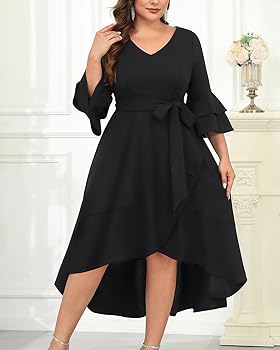
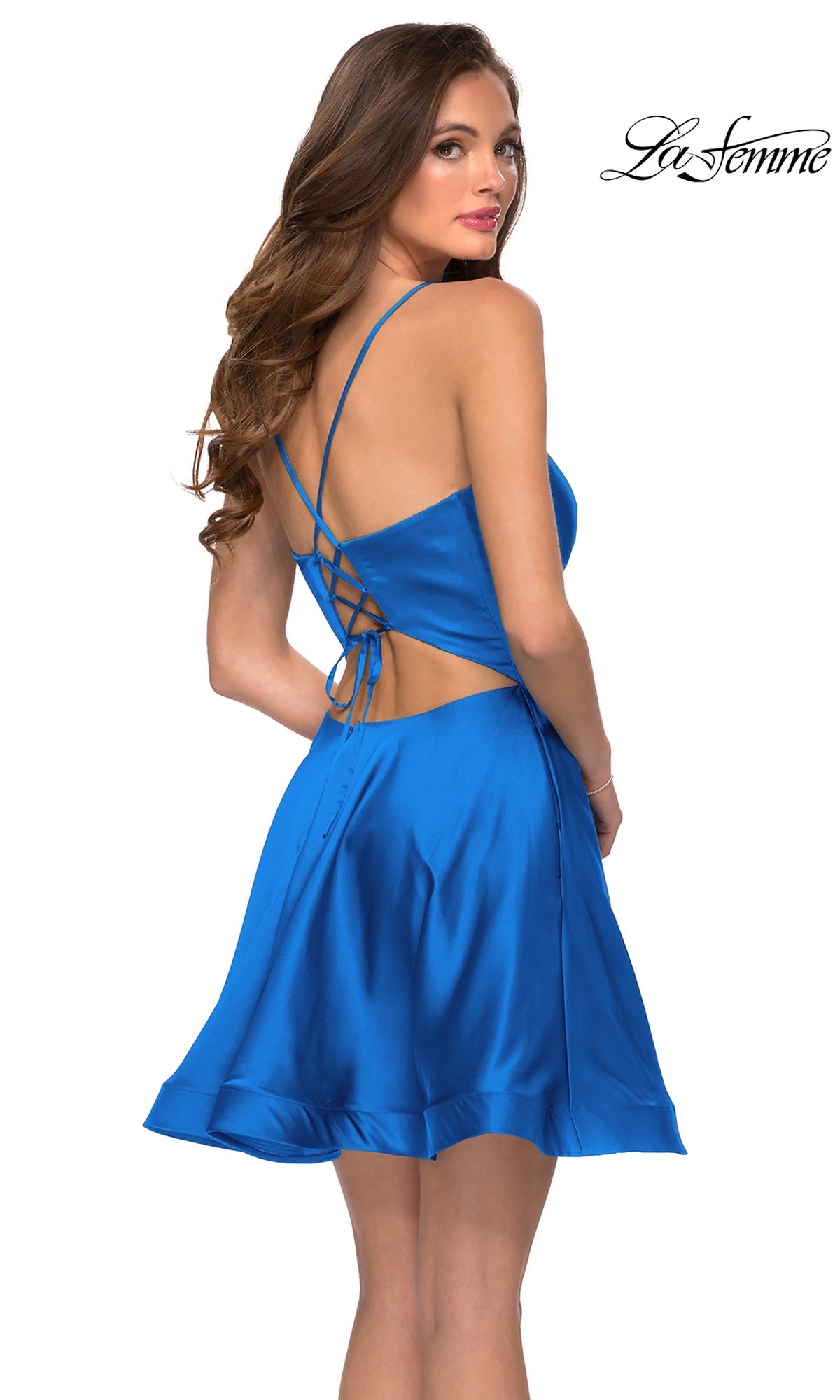
Building a versatile rotation of semi-formal dresses is an exercise in strategic investment, not endless consumption. The goal is to acquire a few high-quality pieces that can be re-worn and re-styled for years. Start with the Little Black Dress, but elevate it. As famously articulated by designer Coco Chanel and echoed in countless fashion histories, the LBD is a blank canvas. Your semi-formal version should be in a luxe fabric like crepe or matte satin, with interesting architectural details—perhaps an asymmetric neckline or strategic draping. Next, introduce a statement dress in a jewel tone like emerald, sapphire, or ruby. Color psychology, a field studied at institutions like the University of California, Berkeley, suggests these colors convey confidence, trust, and power. A third cornerstone is a sophisticated printed dress, perhaps with an abstract or artistic pattern, which works wonderfully for events where a touch of personality is encouraged. The financial logic is clear: investing in three exceptional dresses at a higher price point, especially when sourced during seasonal sales or from discount outlets that offer professional-grade attire at reduced prices, yields far more value and wear than a closet full of fast-fashion items that quickly lose their shape and appeal.
The Personal Equation: Silhouette, Color, and Authentic Style
While rules provide a framework, true mastery lies in aligning the dress with your unique physique and personal aesthetic. This is where objective knowledge of your body type intersects with subjective style. For instance, the concept of “body geometry” borrowed from design principles suggests highlighting your natural proportions. An A-line dress universally flatters by cinching at the waist and flowing over the hips, while a columnar sheath dress accentuates a tall, slender frame. Color analysis, a system popularized by stylists and based on the scientific measurement of skin undertones, can guide you toward a palette that illuminates your complexion. Are you cool-toned, suited to blues and purples, or warm-toned, radiant in earth tones and golds? Furthermore, your style personality—be it classic, romantic, dramatic, or creative—should whisper through your choice. A classic personality might choose a tailored shirtdress in navy silk, while a romantic might gravitate toward a lace midi dress with flutter sleeves. The goal is not to wear a costume, but to select a semi-formal dress that feels like a more polished extension of yourself.
The Alchemy of Accessories and Finishing Touches
A semi-formal dress is the foundation, but accessories are the architecture that completes the look. The principle here is complementary enhancement, not competition. If your dress is detailed with sequins or a bold print, opt for minimalist jewelry—simple studs and a delicate bracelet. Conversely, a simple sheath dress becomes a backdrop for statement earrings or a sculptural necklace. Shoe choice is critical; it anchors the formality. A classic pump, a strappy sandal with a moderate heel, or even a sophisticated flat for all-night comfort are ideal. Consider the insights from costume designers in film, such as those for “The Great Gatsby” (2013), who used accessories to meticulously denote character and era. A beaded headband or a vintage clutch can add a narrative layer to your outfit. The final, non-negotiable touch is tailoring. As fashion experts on platforms like YouTube consistently emphasize, a dress that fits you perfectly, taken in at the waist or hemmed to the right length, will always look more expensive and intentional than an off-the-rack item in the wrong size. This is where professional knowledge pays dividends, transforming a good dress into your great dress.

Mastering the semi-formal dress is ultimately an exercise in informed self-expression. It is understanding the social language of attire, investing in quality that endures, and making intentional choices that reflect both the occasion and your identity. It dispels the anxiety of “what to wear” and replaces it with the quiet confidence of knowing you are appropriately and beautifully attired. With this framework—understanding the dress code’s anatomy, decoding events, building a strategic wardrobe, and personalizing with fit and flair—you are equipped to navigate any invitation that arrives. Your next event is not a sartorial challenge, but an opportunity to showcase your cultivated elegance.