

Styling Your Revolve Dress for Every Occasion
In the landscape of contemporary fashion, few garments offer the transformative versatility of a well-chosen revolve dress. This isn’t about a single style, but rather a philosophy of dressing centered on a piece so inherently adaptable that it becomes the cornerstone of a dynamic wardrobe. The true power of a revolve dress lies not just in its design, but in our ability to re-contextualize it, to make it speak the language of vastly different settings—from the boardroom to a gallery opening, or from a casual brunch to an evening gala. This article is a deep dive into mastering that art, moving beyond the simplistic notion of a “little black dress” to explore how specific silhouettes, fabrics, and design intelligence within the revolve dress category can be harnessed. We will dissect the objective principles of style adaptation, supported by insights from design theory and cultural commentary, to equip you with the knowledge to make one dress perform a spectacular sartorial revolution.
The Architectural Foundation: Silhouette and Fabric Intelligence
Before a single accessory is added, the inherent potential of a dress is locked in its architecture—the silhouette and the fabric. These are not merely aesthetic choices; they are functional determinants of versatility. A shift dress, with its clean, structured lines falling straight from the shoulders, presents a blank canvas of modernist minimalism. As fashion historian Valerie Steele notes in her work for The Museum at the Fashion Institute of Technology, such silhouettes reference a legacy of pragmatic elegance, championed by designers like Cristóbal Balenciaga, which intentionally avoids period-specific detailing to achieve timelessness. This makes it a prime candidate for a revolve dress. Conversely, a wrap dress, a silhouette famously perfected by Diane von Furstenberg in the 1970s, is built on a different kind of intelligence. Its self-adjusting tie closure and forgiving drape create a universally flattering fit that can modulate from professional to romantic with ease. The fabric then activates this silhouette. A heavy crepe or double-knit wool jersey lends gravity and structure, ideal for day, while the same cut in a fluid silk charmeuse or satin instantly transitions to night. The scientific principle here is one of material behavior: the drape coefficient of a fabric, a concept studied in textile science at institutions like the Cornell University College of Human Ecology, determines how it falls and moves on the body, directly influencing the formality and mood of the garment. Understanding this foundational duo—silhouette as blueprint, fabric as building material—is the first step in strategically selecting a dress meant to revolve.
Contextual Alchemy: The Day-to-Night Metamorphosis
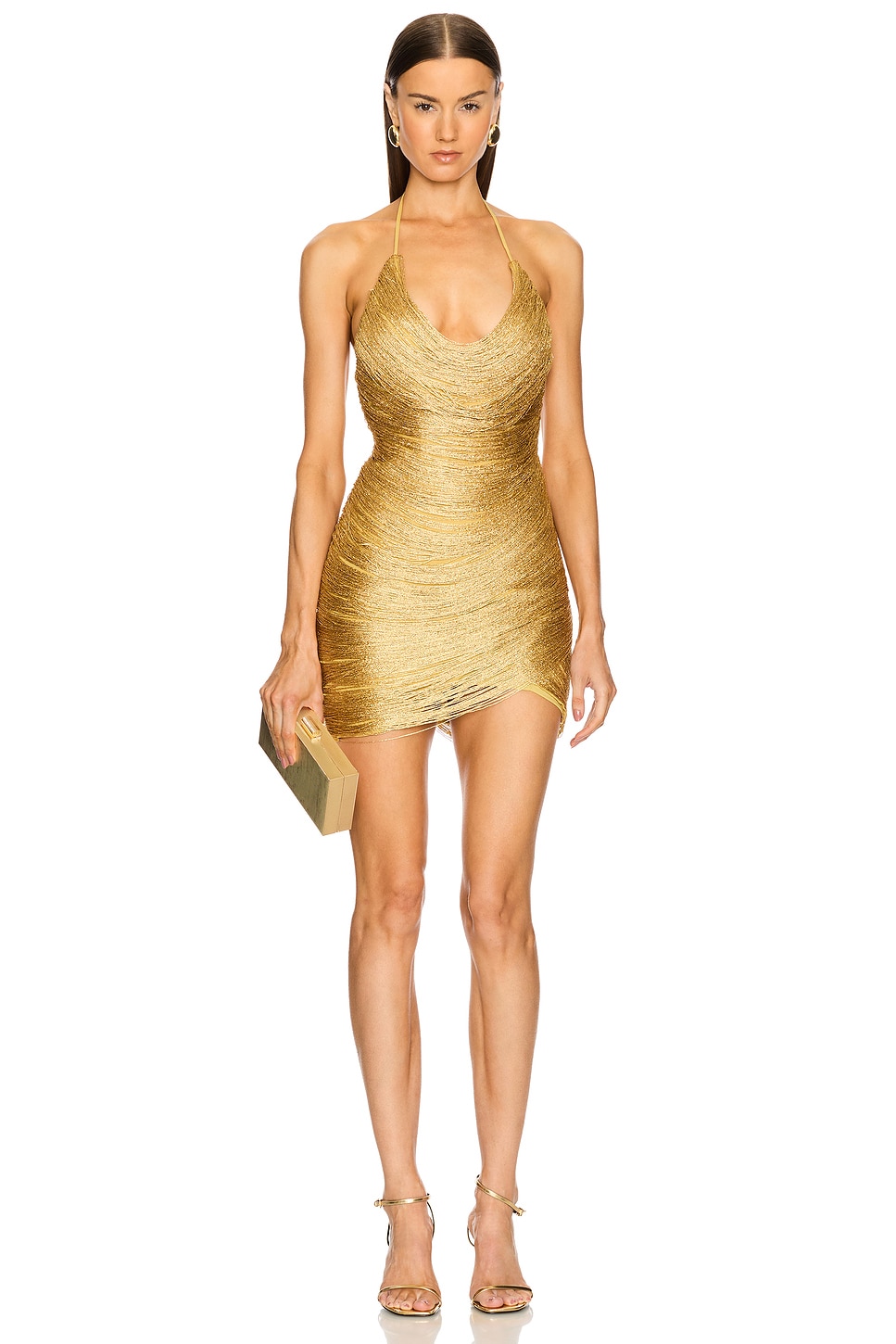
The most celebrated test of a revolve dress is its capacity for a seamless day-to-night transition. This transformation is less about magic and more about systematic layering and strategic replacement. Let’s construct a scenario with a classic, knee-length sheath dress in a neutral hue like navy or charcoal. For the professional daytime environment, the goal is polished authority. This is achieved through what sociologist Erving Goffman, in his seminal work “The Presentation of Self in Everyday Life,” might frame as a “front stage” costume for a corporate performance. A tailored blazer in a complementary but not matching color (think a soft camel over navy) instantly adds structure and formality. Footwear should ground the look: closed-toe pumps or sophisticated block-heel ankle boots. Jewelry remains understated—stud earrings, a simple watch, perhaps a delicate pendant. The bag is structured: a tote or a satchel. The transformation for evening is an exercise in subtraction, addition, and intensification. The blazer is removed, revealing the dress’s core. The structured bag is swapped for a sleek clutch, perhaps with metallic detailing. This is where footwear undergoes its most dramatic change; replace the practical pumps with strappy sandals featuring a higher, more elegant heel. The jewelry is where personality flashes: statement earrings that catch the light, a cuff bracelet, or layered necklaces. A final, crucial layer is outerwear; replace the utilitarian trench with a faux fur stole or a tailored leather jacket. The makeup palette deepens—a bolder lip, a smokier eye. This process isn’t merely changing clothes; it’s shifting cultural codes. As the website Who What Wear often articulates, night-time dressing communicates leisure, sociality, and personal expression, codes that are intentionally subdued in most daytime professional settings.
Seasonal Modulation: A Year-Round Companion
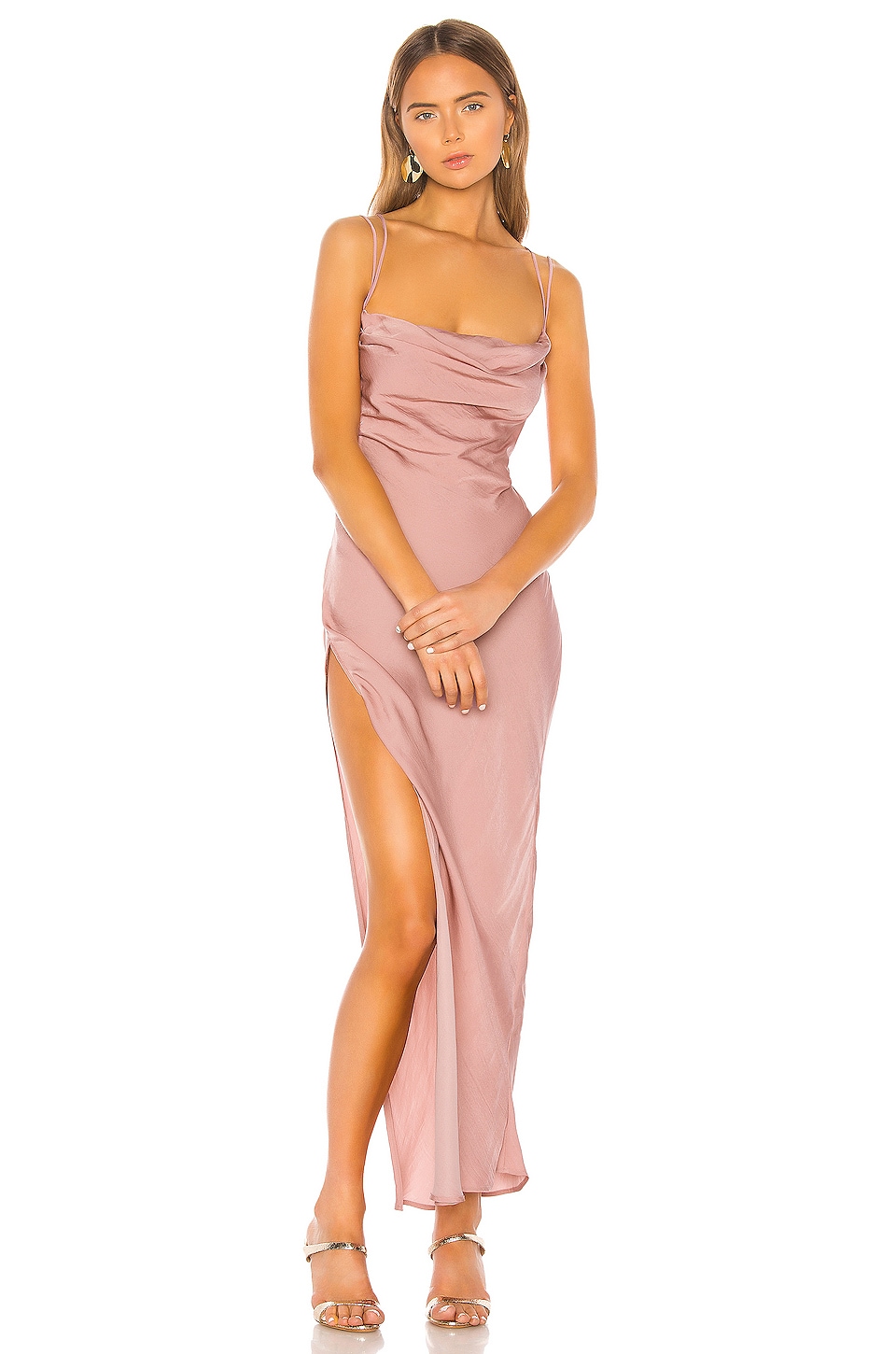
A truly versatile dress refuses to be confined by a season. This requires viewing the dress not as a standalone item, but as the central layer in a seasonal ecosystem. For cooler months, the principle is insulation and texture play. A sleek slip dress, seemingly a summer item, becomes a year-round powerhouse when layered correctly. Over it, a fine-gauge turtleneck adds warmth and a chic, intellectual vibe—a styling trick seen repeatedly on runways from Prada to Joseph. Tights, opaque or subtly sheer, provide essential warmth and can introduce a color contrast. Footwear shifts to knee-high boots or sleek loafers. The outerwear becomes the star: a long wool coat, a tailored tweed blazer, or a puffer vest for a more casual take. This approach aligns with the “layering” philosophy prevalent in Scandinavian fashion, where functionality and style are inextricably linked. In spring and summer, the strategy pivots to breathability and lightness. The same dress now stands alone, its fabric and cut appreciated in the warmth. Accessories become lighter: sandals replace boots, a woven tote replaces leather, and jewelry might incorporate natural materials like wood or shell. A lightweight linen shirt knotted at the waist over the dress can add a casual, off-duty model touch. The scientific consideration here is thermoregulation—managing the body’s microclimate through clothing layers, a key concept in apparel design. By mastering these seasonal adaptations, you effectively quadruple the functional lifespan of your core dress, making it a prudent investment. Many retailers, including Revolve, understand this consumer desire for longevity and often offer these core, versatile pieces at accessible price points, especially during seasonal sales, bringing both professional styling knowledge and discounted prices to the savvy shopper.
The Psychology of Accessories: Defining and Redefining
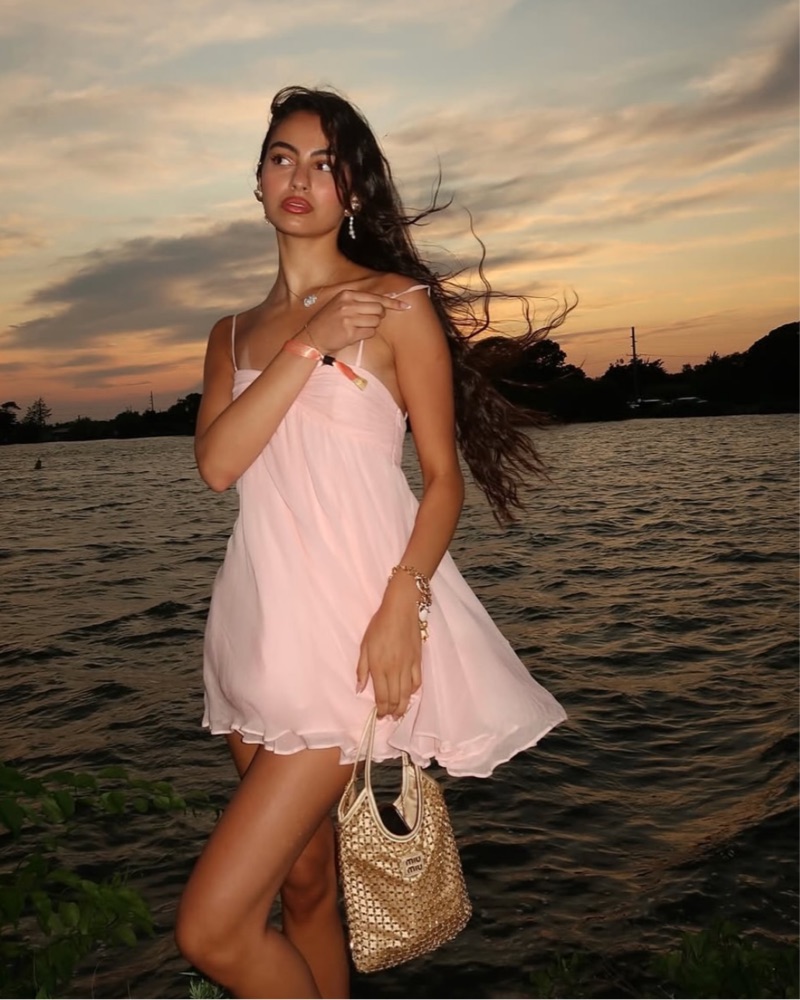
If the dress is the sentence, accessories are the punctuation, tone, and dialect. They possess an outsized power to define and completely redefine a look. This is rooted in psychological principles of perception. According to research on cognitive categorization, the human brain quickly identifies an outfit’s “gist” based on dominant features. A simple dress presents a neutral gist, which accessories then specialize. Consider a midi shirt-dress. With a wide belt cinching the waist, a silk scarf tied as a necktie, loafers, and a structured leather satchel, the brain categorizes the look as “classic professional” or “academic chic.” Now, take the same dress. Remove the belt, unbutton a few more buttons, add a stack of eclectic bangles, swap the loafers for embellished mules, and carry a beaded clutch. Instantly, the categorization shifts to “bohemian evening” or “creative cocktail.” This transformative power is why style icons have long prioritized accessories. As the legendary fashion editor Diana Vreeland once opined,
“The eye has to travel.” It’s the unexpected accessory—the bold shoe, the vintage brooch, the unique bag—that creates the journey and tells your personal story.
This philosophy is amplified in the digital age on platforms like TikTok, where stylists demonstrate “one dress, five ways” using accessories as the primary variable. The lesson is to invest in a curated arsenal of accessories—belts, shoes, bags, jewelry—in various styles. They are the levers you pull to make your revolve dress conform to the specific social script of any occasion, allowing for immense personal expression within a framework of sustainable, repeatable core clothing.
Beyond the Occasion: Cultivating a Personal Uniform
The ultimate mastery of the revolve dress concept transcends occasion-wear and evolves into the cultivation of a personal uniform. This is a mindful approach to dressing, popularized by figures from Steve Jobs to former Vogue editor-in-chief Emmanuelle Alt, which reduces decision fatigue and amplifies personal style. It involves identifying the one or two dress silhouettes that make you feel most authentically powerful and comfortable—be it a tailored sheath, a flowing maxi, or a sleek slip. By acquiring this silhouette in a palette of core colors (black, navy, cream, tan) and a range of season-appropriate fabrics, you build a wardrobe of effortless coherence. Every item works harmoniously with every other. Getting dressed becomes a swift, confident process of selecting the dress that matches your day’s practical and emotional needs, then modulating it with the layering and accessory strategies previously discussed. This approach is not about limitation, but about profound focus. It channels resources—both financial and mental—into quality, versatility, and self-knowledge. It aligns with the minimalist philosophy of “fewer, better things,” reducing clutter and promoting sustainable fashion consumption. When your wardrobe is built on such intelligent, revolving pillars, you are never without an appropriate outfit, and your personal style becomes consistently recognizable, a curated expression of self that adapts without losing its core identity.
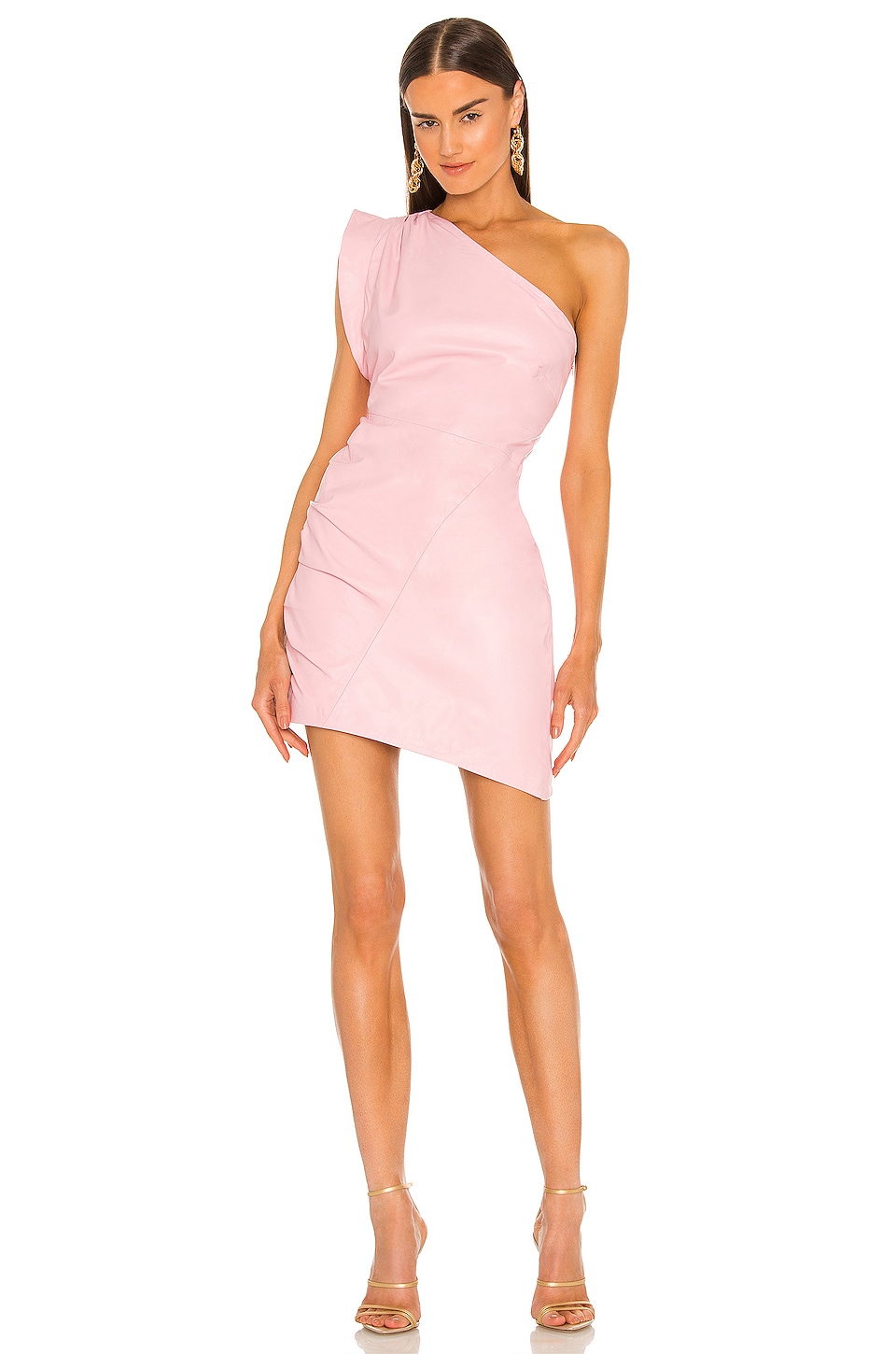
The journey with a revolve dress is one of creative partnership. It begins with selecting a design of inherent intelligence—through its cut, fabric, and color—and culminates in your ability to guide its expression across the spectrum of your life. This is not passive consumption but active styling. It is an application of design principles, cultural understanding, and personal psychology to the daily art of dress. By embracing these strategies, you unlock a wardrobe that is both elegantly simple and infinitely complex, proving that the most powerful style statement is often not about having more, but about understanding—and revolutionizing—the potential of what you already own.