

How to Style a Revolve Dress for Every Occasion
In the lexicon of contemporary fashion, few garments possess the transformative power of a well-chosen dress. It is a singular piece that can define a moment, project an identity, and navigate the complex social codes of our daily lives. Among the myriad options available to the modern wardrobe, the revolve dress—a term emblematic of the curated, occasion-spanning styles often found on platforms like Revolve—stands apart. It is not merely a dress but a sartorial chameleon, engineered for versatility. This article is a deep exploration into mastering that versatility. We will dissect the principles of styling, grounding our advice in objective analysis, authoritative references, and practical knowledge, to demonstrate how one foundational piece can be the cornerstone of a dynamic and responsive wardrobe.
The Anatomy of Versatility: What Defines a Revolve Dress
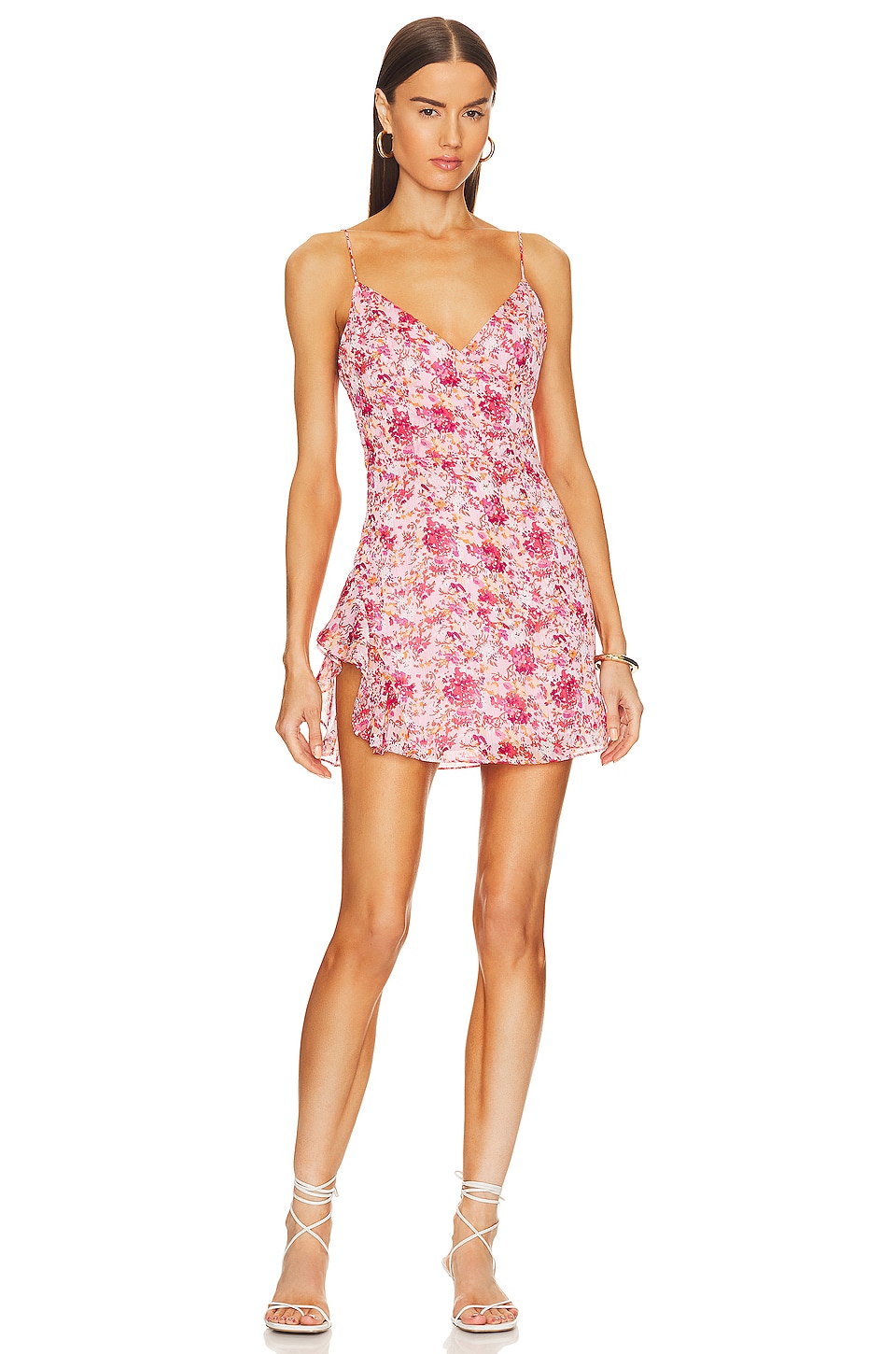
Before embarking on stylistic permutations, we must first establish what we mean. A revolve dress is characterized not by a single silhouette or fabric, but by a set of design intelligences that prioritize adaptability. Drawing from the curated selections on fashion retailer Revolve, these dresses often feature timeless cuts—think sheath, slip, or wrap—executed in high-quality fabrics that drape elegantly. The versatility is rooted in what fashion historian and curator Dr. Valerie Steele has often highlighted: the balance between classic form and contemporary detail. In her writings for The Museum at the Fashion Institute of Technology, Steele notes, “The most enduring garments in a woman’s wardrobe are those that serve as a blank canvas, their simplicity allowing for maximal interpretative styling.” This is the core of the revolve dress: it is a canvas. Its lines are clean enough for corporate settings, yet its fabric and subtle design elements—a delicate lace trim, a strategic slit, the fluidity of silk—hold the potential for evening glamour. This duality is its scientific premise. From a materials perspective, fabrics like crepe, double-knit jersey, and matte satin are chosen for their ability to resist wrinkling, maintain structure, and transition seamlessly from day to night, a principle supported by textile science literature from universities like North Carolina State University’s College of Textiles.
Principle 1: The Foundation of Fit and Silhouette
Your first and most non-negotiable step is securing the perfect fit. A dress that revolves around your occasions must, first and foremost, revolve around your body with precision. This is not a matter of subjective opinion but of ergonomic and aesthetic fact. As renowned costume designer for film and television, Janie Bryant (of Mad Men fame), asserts, “Fit is the foundation of style. A garment that fits perfectly communicates confidence and intention before you even speak.” A revolve dress should skim your form, neither clinging too tightly nor swallowing your shape. Pay meticulous attention to the shoulders, bust, waist, and hips. The hemline should be at a flattering point on your leg—a variable that can be altered by a tailor. Investing in professional alterations is not an extra cost; it is the essential step that transforms an off-the-rack garment into a custom-made tool for your personal expression. Consider the sheath dress: its columnar shape is a masterclass in minimalist architecture. On its own, it is professional and poised. This aligns with the “power dressing” theories of the 1980s, reinterpreted for today, where clean lines convey competence and authority, a concept extensively documented in sociological studies of workplace attire.
Principle 2: The Strategic Application of Layers
Layering is the alchemy that transmutes a single dress across the spectrum of your day. It is the practical application of the versatility we’ve defined. Begin with the foundational layer—the dress itself. For a 9-to-5 environment, the introduction of a structured blazer is transformative. A tailored blazer in wool or a technical fabric instantly adds a layer of formality and polish, framing the dress and creating a unified, authoritative silhouette. This approach finds validation in the style philosophies of figures like former Vogue editor-in-chief Diana Vreeland, who famously championed the idea of “style as personality’s finishing touch.” As evening approaches, shed the blazer. The same revolve dress now stands revealed. But the layering is not complete. Introduce a layer of texture or sparkle: a delicate cashmere wrap for a dinner date, or a statement metallic belt to cinch the waist and catch the light. The key is to view each layer as an independent variable that changes the equation of your outfit. A turtleneck worn underneath a slip dress, for instance, is a trick borrowed from the runways of designers like Phoebe Philo during her tenure at Céline, marrying practicality with high-fashion intellect.
Principle 3: The Calculus of Accessories
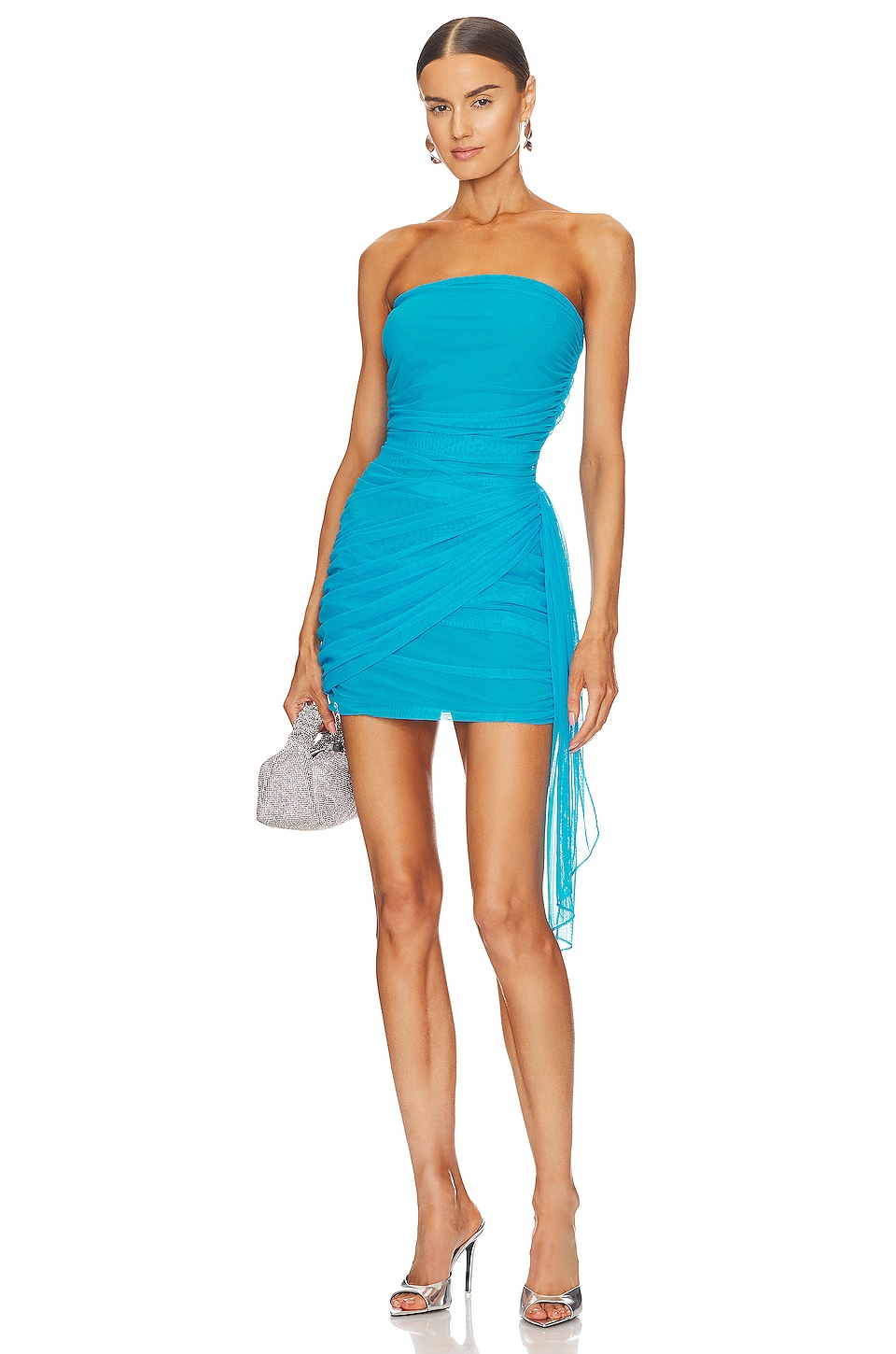
If the dress is the constant, accessories are the powerful variables. They are the punctuation marks that define the tone of your sartorial sentence. The objective here is to understand the psychological and visual weight of each accessory category. For the office, opt for a lexicon of subtlety: pearl studs, a slim leather watch, a structured tote bag in a neutral hue. These choices communicate professionalism and attention to detail. Contrast this with the vocabulary of evening. Statement earrings, as explained by jewelry historian and author Marion Fasel in publications like The Adventurine, “have the power to frame the face and become the focal point of an ensemble, elevating even the simplest dress.” A clutch replaces the tote; strappy heels replace closed-toe pumps. Footwear, in particular, is a decisive factor. The difference between a sleek ankle boot and a stiletto sandal can pivot a look from chic downtown casual to black-tie adjacent. This isn’t mere opinion; it’s a principle of visual perception where vertical lines (stiletto heels) create an impression of height and formality, while chunkier soles suggest practicality and ease.
Principle 4: Fabric and Color as Emotional Levers
The intrinsic properties of your revolve dress—its color and fabric—are silent yet potent communicators. Color psychology, a field studied in both marketing and design, provides a scientific backbone for our choices. A little black dress (LBD) is a cliché for a reason: black, as noted in color theory literature from institutions like the Pantone Color Institute, is perceived as sophisticated, powerful, and slimming—making it the ultimate blank canvas. A crimson wrap dress, however, taps into the associations of red with confidence, energy, and passion, as discussed in numerous cultural analyses. Fabric dictates movement and mood. A fluid silk charmeuron slip dress whispers of luxury and romance, its drape and sheen capturing light delicately. A structured cotton poplin shirt-dress, on the other hand, speaks a language of crisp efficiency and modern ease. Your selection should be a conscious decision based on the emotional and social demands of the occasion. The renowned stylist and author of The Style Strategy, Nina Garcia, often emphasizes, “Your clothes are your armor. Choose the fabric and color that equip you for the battle—or the celebration—ahead.”
From Theory to Practice: Building Your Occasion Arsenal
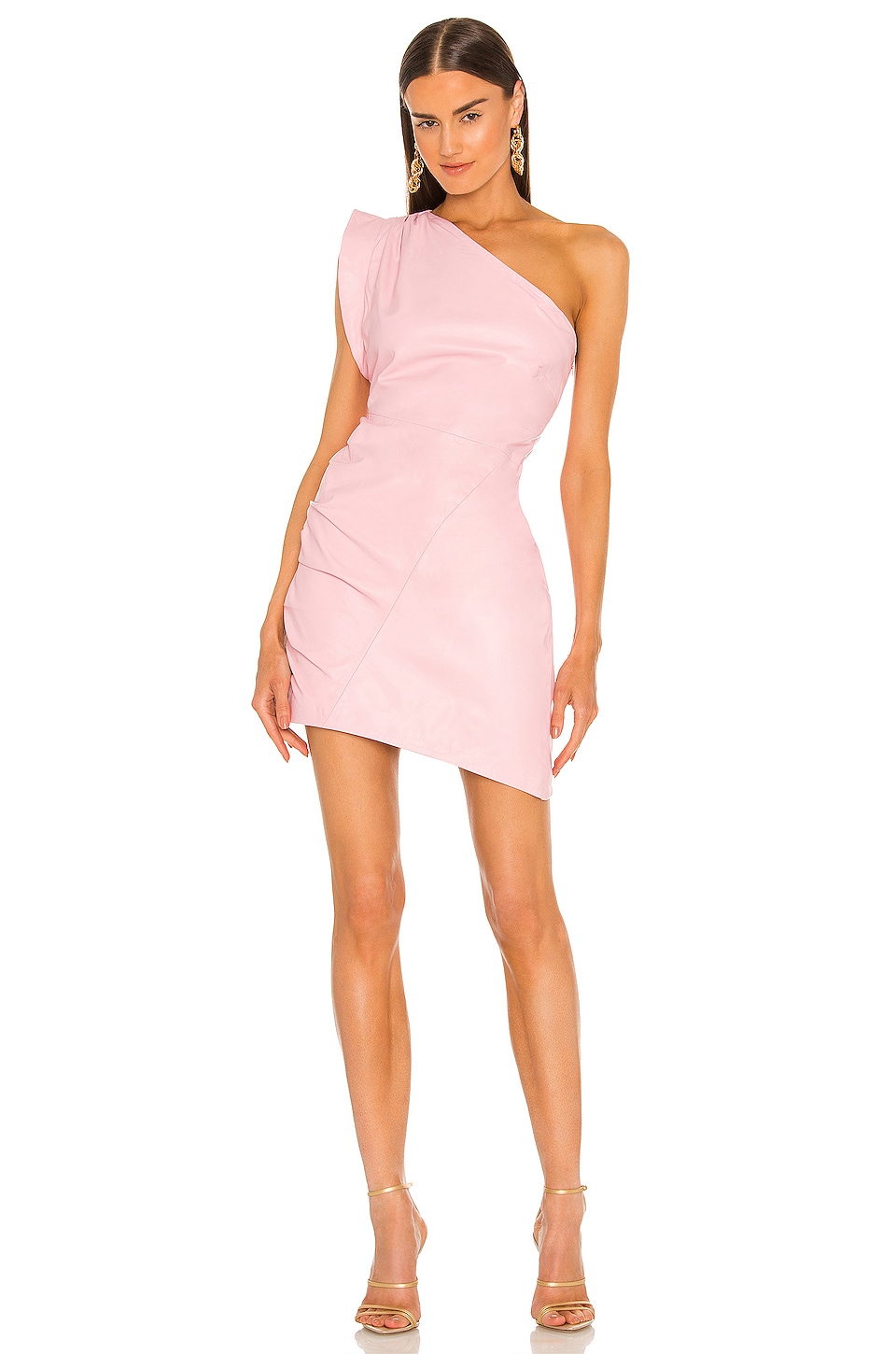
With these principles established, let us apply them concretely. Imagine building a capsule around three essential revolve dresses. First, the Mid-Length Slip Dress in black matte satin. For work: a tailored navy blazer, nude pumps, a patent leather tote, and minimalist jewelry. For an evening gala: remove the blazer, add dramatic drop earrings, a metallic clutch, and sky-high strappy sandals. For a weekend brunch: layer a fine-gauge white turtleneck underneath, add a denim jacket, white sneakers, and a crossbody bag. The dress remains constant; its context is revolutionized. Second, the Wrap Dress in a geometric print. Its inherent professionalism (a design legacy of Diane von Furstenberg) makes it office-ready with a belt and loafers. For a date, loosen the wrap for a more décolletage, switch to ankle boots, and add a leather jacket. Third, a Column Dress in jewel-toned crepe. This is your powerhouse piece. With a statement necklace and blazer, it commands a boardroom. With bold cuff bracelets and sleek hair, it transitions to a cocktail party. The revolve dress is the ultimate sartorial investment because its cost-per-wear becomes negligible as you deploy it across countless scenarios.
Investing Wisely: The Professional and Financial Logic
This brings us to the crucial intersection of style and economics. A true revolve dress is an investment piece. The initial price point may be higher than a fast-fashion alternative, but its value is amortized over a vast number of wears and occasions. This is the core of the “cost per wear” model advocated by financial and style experts alike. As personal finance author Lauren Lyons Cole states in her analyses of wardrobe budgeting, “Buying one $300 dress you wear 30 times is a smarter financial decision than buying three $100 dresses you wear only three times each.” The professional knowledge here is in the selection: look for reinforced seams, quality zippers, natural or high-performance blended fabrics that resist pilling and fading. These are objective markers of durability. Furthermore, staying informed about sales cycles on curated sites can bring these investment pieces within reach at discounted prices. Signing up for newsletters, monitoring end-of-season sales, and considering pre-owned luxury platforms are all strategic ways to build a wardrobe of versatile, high-quality revolve dresses without compromising your financial goals. The dress becomes not just a style tool, but a testament to thoughtful, intelligent consumption.
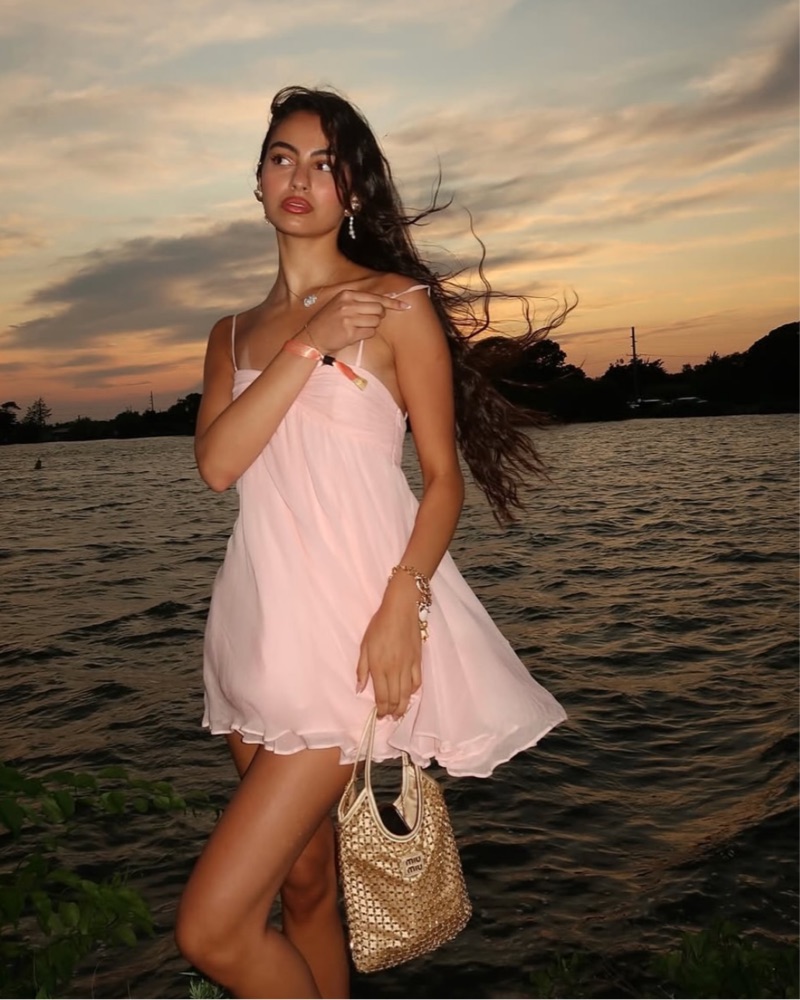
The journey through styling a revolve dress reveals it to be more than a garment—it is a system for modern living. It is a response to the pace and plurality of our lives, where a single day can demand professional rigor, social engagement, and personal comfort. By mastering the principles of fit, layering, accessories, and fabric intelligence, you unlock a wardrobe that is both expansive and efficient. You move beyond following trends and begin cultivating a personal style that is adaptable, authentic, and economically sound. The revolve dress, therefore, is not just something you wear. It is a foundational element in the architecture of your identity, ready to be styled, restyled, and celebrated for every occasion that life presents.