

How to Style a Revolve Dress for Every Season
Fashion is not about chasing every fleeting trend; it’s about mastering versatile pieces that anchor your wardrobe. The revolve dress stands as a quintessential example of such a piece. More than just a garment from a popular retailer, the concept of a “revolve” dress speaks to an item that can pivot, adapt, and evolve with the changing calendar. It is the cornerstone of a dynamic closet, capable of transitioning from the crisp air of autumn to the blooming warmth of spring with strategic styling. This article will guide you through the art of seasonal adaptation, transforming a single, elegant revolve dress into a year-round style statement. We’ll move beyond basic layering, delving into the principles of color theory, textile science, and accessory alchemy to unlock its full potential.
The Foundation: Understanding Your Versatile Canvas
Before we embark on seasonal transformations, we must appreciate the canvas itself. A true revolve dress for this purpose is typically characterized by a few key attributes: a timeless silhouette (think sheath, slip, or shirt-dress), a neutral or seasonally adaptable base color, and quality fabrication. The term “versatile” in fashion is often scientifically linked to the concept of “maximizing outfit combinations while minimizing items,” a principle supported by research into sustainable wardrobe curation from institutions like the London College of Fashion. A study highlighted by the school emphasizes the environmental and economic benefit of “cost per wear,” where a single, well-made dress styled multiple ways offers far greater value than numerous single-use items. This is where the revolve dress shines. Its value isn’t just in its initial tag but in its endless stylistic permutations. As fashion historian Dr. Valerie Steele has noted in her lectures at The Museum at FIT, “The most enduring items in fashion history are those that serve as a blank slate for personal expression.” Your dress is that slate. Let’s begin our seasonal journey, equipped with professional styling knowledge and an eye for smart investments—remember, a versatile piece is the ultimate discount, as its price is divided across countless wears.
Spring: Awakening with Layers and Lightness
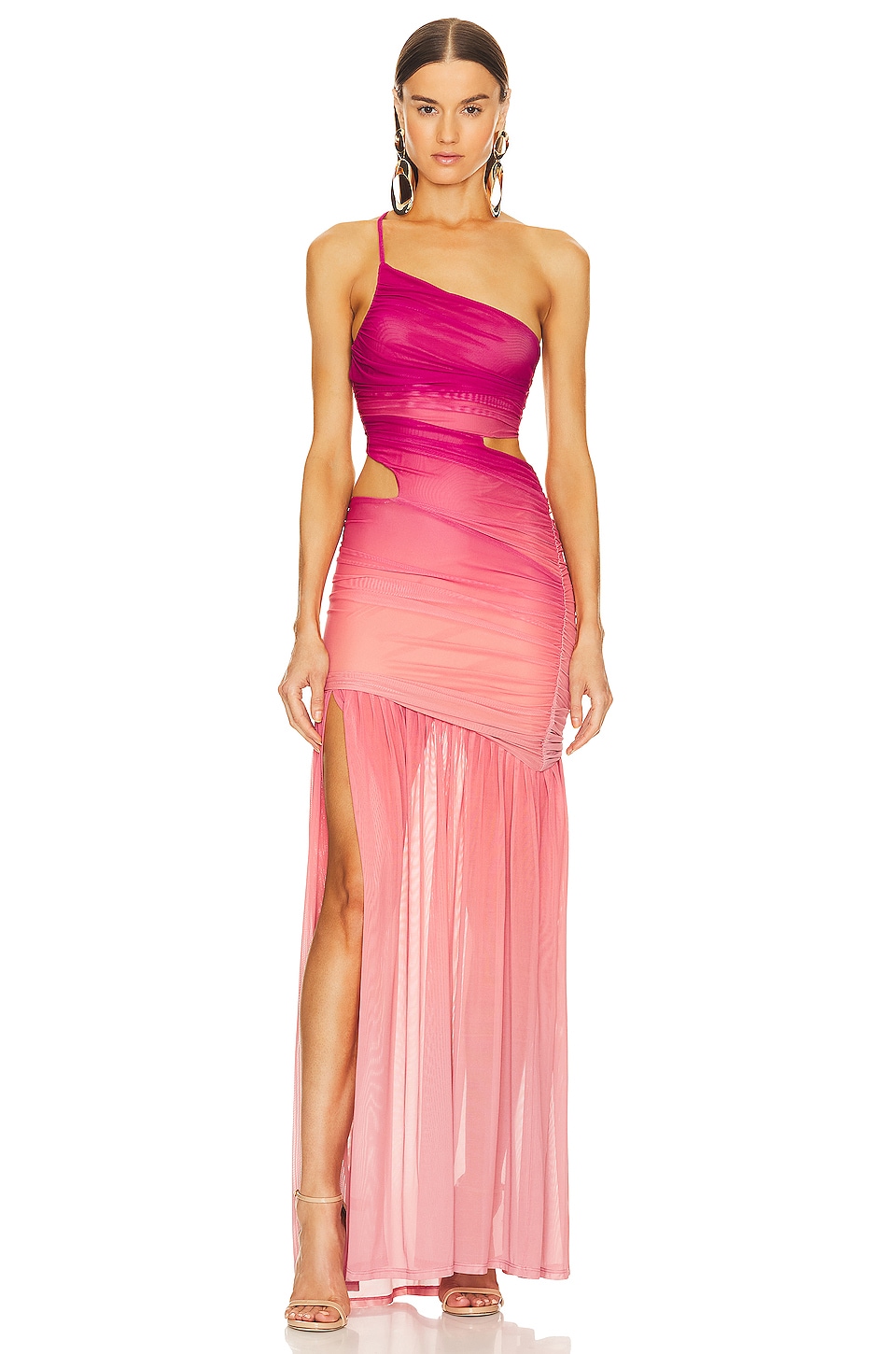
Spring styling is an exercise in balance—mediating between lingering chills and promising warmth. The key is to use layers that can be shed as the day progresses. Start with your foundational revolve dress. For this season, opt for dresses in mid-weight fabrics like cotton poplin or lightweight jersey. The color palette can gently shift from winter’s deep tones to softer hues like sage green, sky blue, or a classic ivory. The first layer of defense against a spring breeze is a tailored denim or leather jacket. This juxtaposition of feminine dress and structured outerwear creates a look that is both polished and effortless. As quoted in Vogue’s spring trend reports, “The magic is in the contrast—the soft against the hard.” For your legs, transition from opaque tights to sheer, nude-toned stockings or bare legs with ankle boots or sleek sneakers. Accessories should whisper, not shout: a delicate gold necklace, a woven crossbody bag, and perhaps a silk scarf tied in your hair or around your neck. This approach aligns with the “quiet luxury” trend documented by fashion analytics sites like Business of Fashion, which prioritizes subtle, high-quality details over loud logos. The goal is to look refreshed, as if you and your dress have naturally bloomed with the season.
Summer: Mastering Breathability and Statement Simplicity
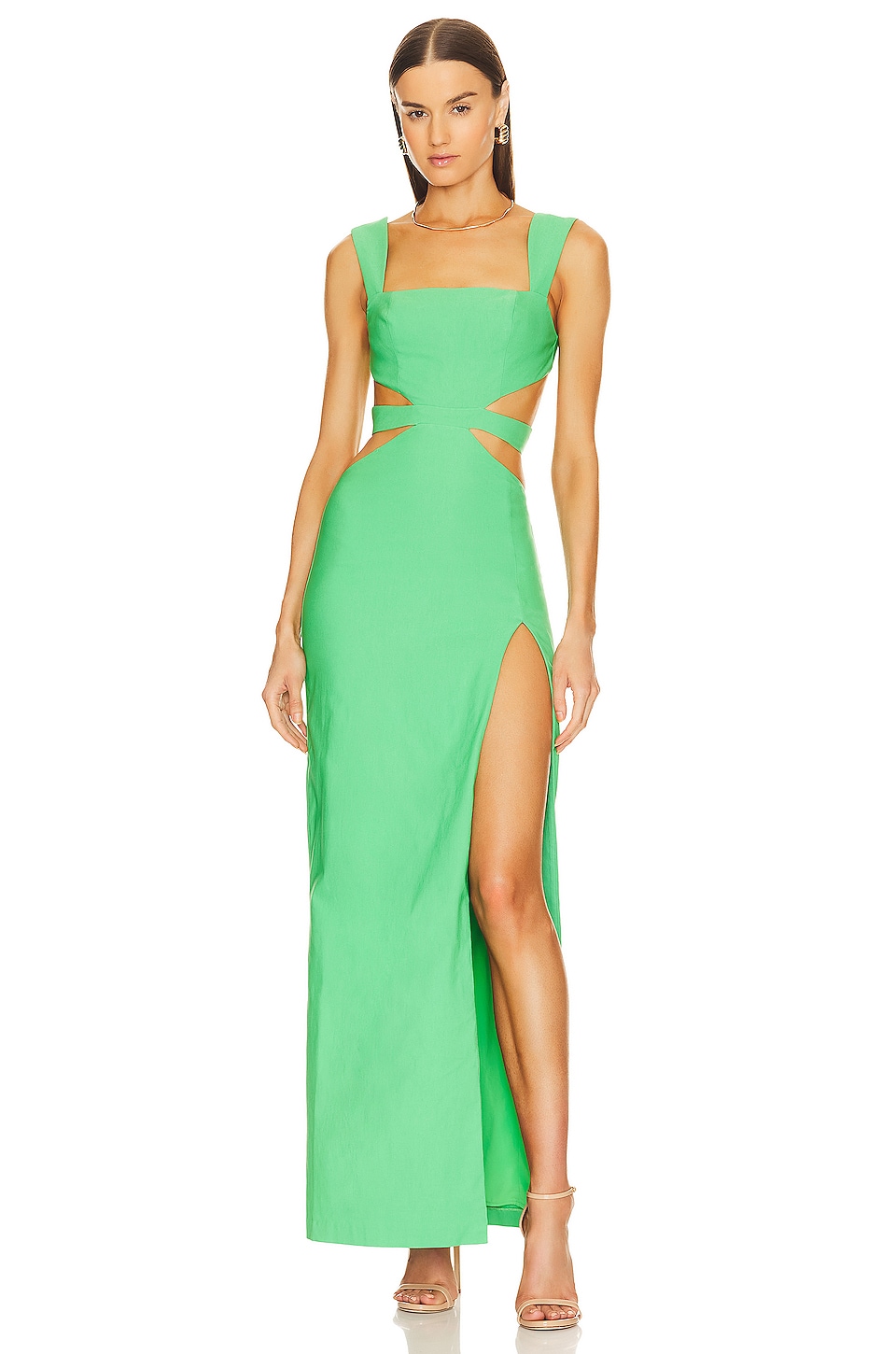
Summer demands a strategy centered on comfort, breathability, and sun protection, all while maintaining style. Your revolve dress is now in its prime, likely requiring the least amount of additional layering. Focus on fabric science: linen, cotton voile, and Tencel™ are championed by textile experts for their moisture-wicking and cooling properties. A Wikipedia entry on “Summer Clothing” explicitly recommends these materials for their ability to facilitate sweat evaporation. The styling here is about subtraction and strategic addition. Keep jewelry minimal and metallic to avoid sticking to the skin—a simple pendant and hoop earrings suffice. Footwear shifts to sandals, espadrilles, or stylish flats. However, the true summer mastery lies in using the dress as a base for bold, singular accessories. As fashion influencer Aime Song often demonstrates on her platform, “One statement piece—a wide-brimmed hat, a chunky woven tote, or brightly colored sunglasses—can define your entire summer look.” This philosophy prevents the outfit from feeling overloaded in the heat. Furthermore, consider the dress’s functionality; a sleeveless or short-sleeved style is ideal. The revolve dress in summer becomes a uniform of easy elegance, perfect for transitioning from a daytime cafe to an evening beachside gathering with just a change of shoes and a spritz of perfume.
Autumn: The Art of Textural Play and Cozy Integration
Autumn is arguably the most creative season for fashion, and your revolve dress is the perfect starting point for textural storytelling. The objective is to build warmth and visual interest through layering. Begin with the dress itself—now, richer colors like burgundy, forest green, or charcoal grey come to the forefront. Fabrics can be slightly heavier, such as ponte knit or wool blend. The first layer is often underneath: a fine-gauge turtleneck or a crisp button-down shirt adds both warmth and a preppy, intellectual vibe, a look frequently referenced in Ivy League style literature. Over this, the layering truly begins. A chunky knit cardigan, a sleek blazer, or a utility-style shirt tied at the waist can completely transform the silhouette. The science of layering, as explained in menswear blogs like Put This On, relies on varying lengths and textures to create depth. Don’t forget the power of hosiery; patterned or opaque tights are both functional and stylish. Footwear becomes substantial—think ankle boots, loafers, or even sleek combat boots. An autumn revolve dress outfit is crowned with accessories like a felt fedora, a leather satchel, and layered necklaces. This season is about creating a feeling of cozy sophistication, where the dress is the central, adaptable layer in a harmonious ensemble.
Winter: Strategic Insulation and Luxe Elevation
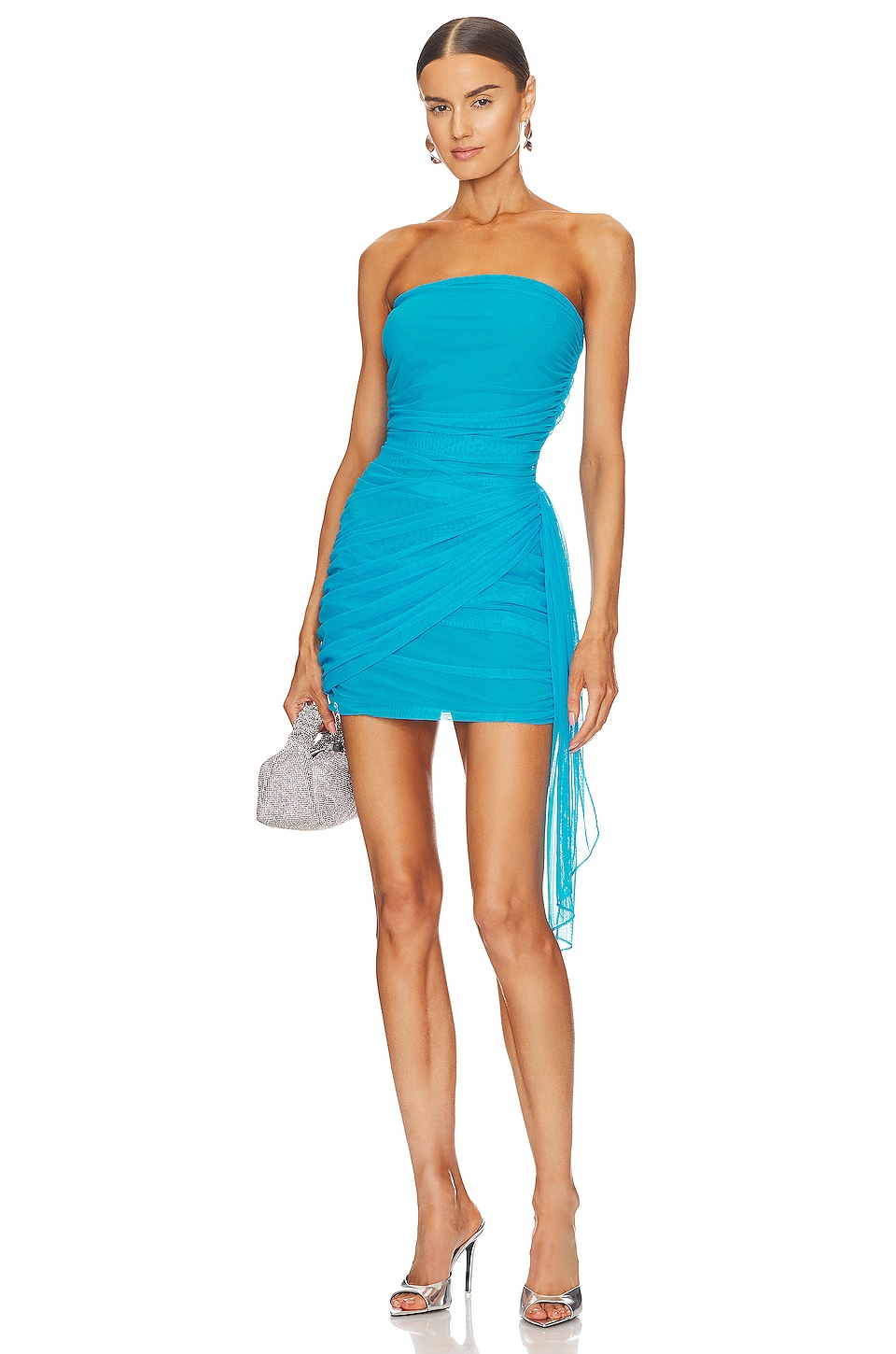
Styling a dress in winter is the ultimate test of a fashion enthusiast’s skill, revolving entirely around strategic insulation without sacrificing form. The base layer is critical; start with thermal underlayers or sleek bodysuits beneath your dress. The revolve dress for winter should be in the heaviest fabric in your collection—a thick knit, a wool crepe, or a velvet piece. The outer layer is non-negotiable: a long, tailored wool coat or a padded jacket that complements the dress’s length and color. The principle of “thermal mass” in clothing, discussed in outdoor apparel reviews, applies here: trapping warm air close to the body with multiple layers. Tights become essential—opaque, fleece-lined, or even sheer with warm leggings underneath for extreme climates. Footwear must be practical yet polished; knee-high or over-the-knee boots provide seamless warmth and elongate the leg. Accessories in winter are both functional and luxe: a cashmere wrap, leather gloves, and a beanie that doesn’t flatten your hair. As style expert Tim Gunn famously advocated on Project Runway, “Make it work!” This ethos is key in winter. The revolve dress is elevated from a simple garment to the core of a fortress against the cold, proving that warmth and style are not mutually exclusive. The final look is one of intentional, bundled elegance.
Beyond the Seasons: The Revolve Dress as a Personal Signature
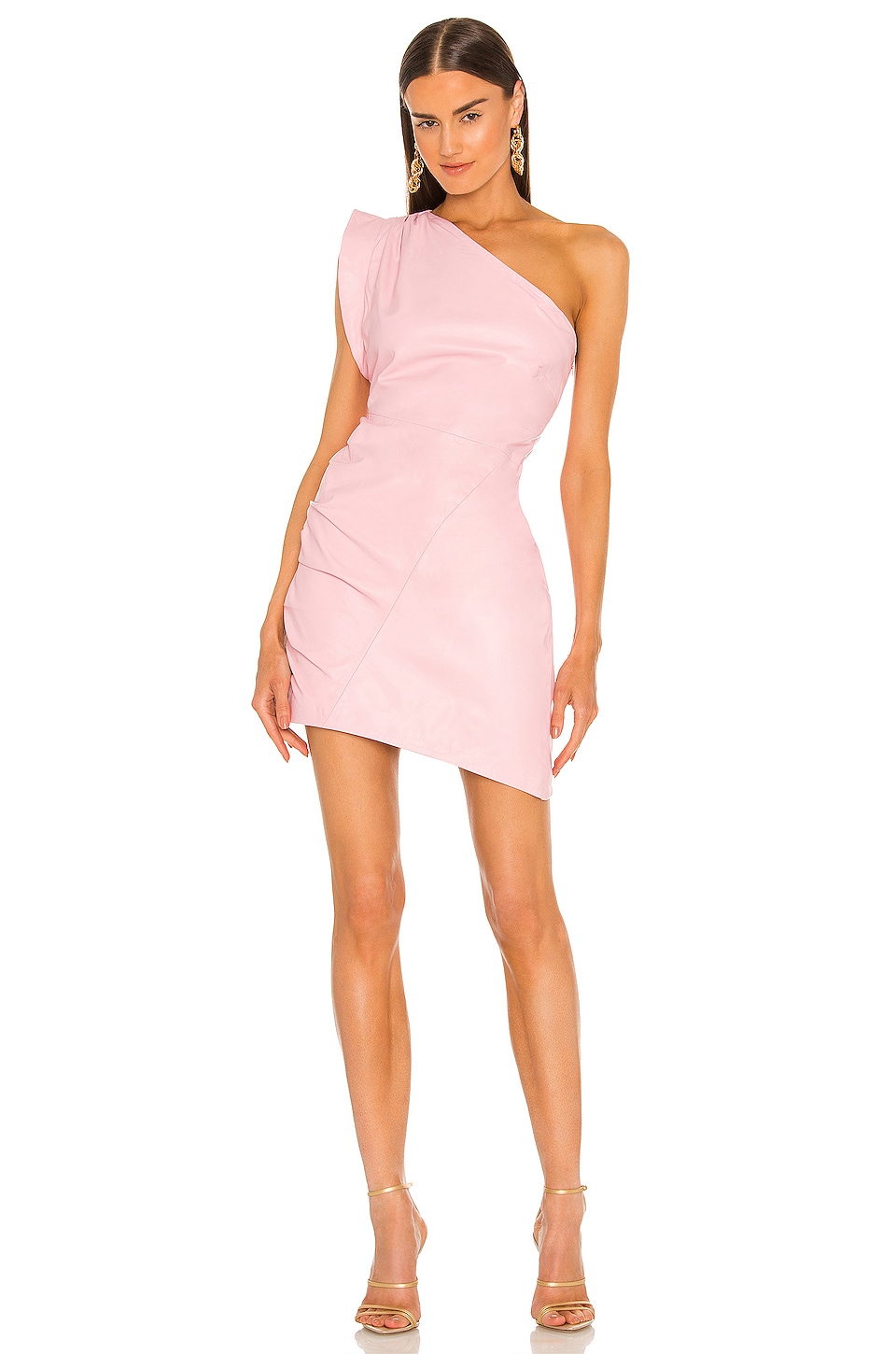
The journey through the seasons demonstrates that a revolve dress is far more than a purchase; it’s an investment in your stylistic fluency. It challenges the fast-fashion cycle by embodying the “slow fashion” principles championed by activists and thinkers like Orsola de Castro. By mastering its transformations, you cultivate a personal uniform that is both recognizable and ever-changing. This approach brings profound professional knowledge to your daily routine—you become an expert in textile properties, color psychology, and silhouette manipulation. Financially, it embodies smart consumption. The initial cost of a quality dress is quickly amortized over hundreds of wears across years, a point frequently made by financial advisors discussing wardrobe budgeting. The true “discounted price” isn’t found on a sale rack, but in the cost-per-wear calculation of a perfectly utilized garment. Your revolve dress becomes a signature, a piece that friends and colleagues associate with your curated, intelligent approach to style. It doesn’t just revolve with the seasons; it evolves with you, proving that the most powerful item in your closet is the one you know how to wear a hundred different ways.