

How to Style a Revolve Dress for Effortless Chic
Effortless chic isn’t a mystery; it’s a method. It’s the art of looking polished without appearing to have tried, a balance of intention and ease. At the heart of this aesthetic often lies a single, versatile piece: the revolve dress. This isn’t merely about a garment from a specific retailer, but about a category of dress that embodies a revolving door of style possibilities—adaptable, sophisticated, and inherently modern. The right dress doesn’t just hang in your wardrobe; it becomes a cornerstone for countless expressions of your personal style. Let’s explore how to unlock that potential, moving beyond basic wear into the realm of curated, intelligent fashion.
The Foundation: Understanding the “Effortless Chic” Philosophy
Before we delve into styling, we must ground ourselves in the concept we’re chasing. “Effortless chic” is a term often attributed to the timeless style of figures like French actress Jane Birkin or designer Carolyn Bessette-Kennedy. It’s a style philosophy that prioritizes quality, fit, and personal comfort over fleeting trends. As fashion historian and author of “The Psychology of Fashion,” Dr. Carolyn Mair, notes, “When clothing fits well and aligns with our self-perception, we carry ourselves with greater confidence, which is the ultimate accessory.” This philosophy rejects the over-accessorized, overly coordinated look in favor of a more intuitive, personal assembly. It’s about a sleek slip dress paired with worn-in sneakers, a tailored blazer thrown over a simple silk cami, or indeed, a perfectly cut revolve dress that requires minimal augmentation to look complete. The goal is a silhouette that is clean, a fabric that feels luxurious, and a overall impression of deliberate nonchalance. This approach is less about rules and more about developing an eye for harmony and proportion, allowing key pieces to speak for themselves.
1. Mastering Silhouette and Proportion: The Architecture of Style
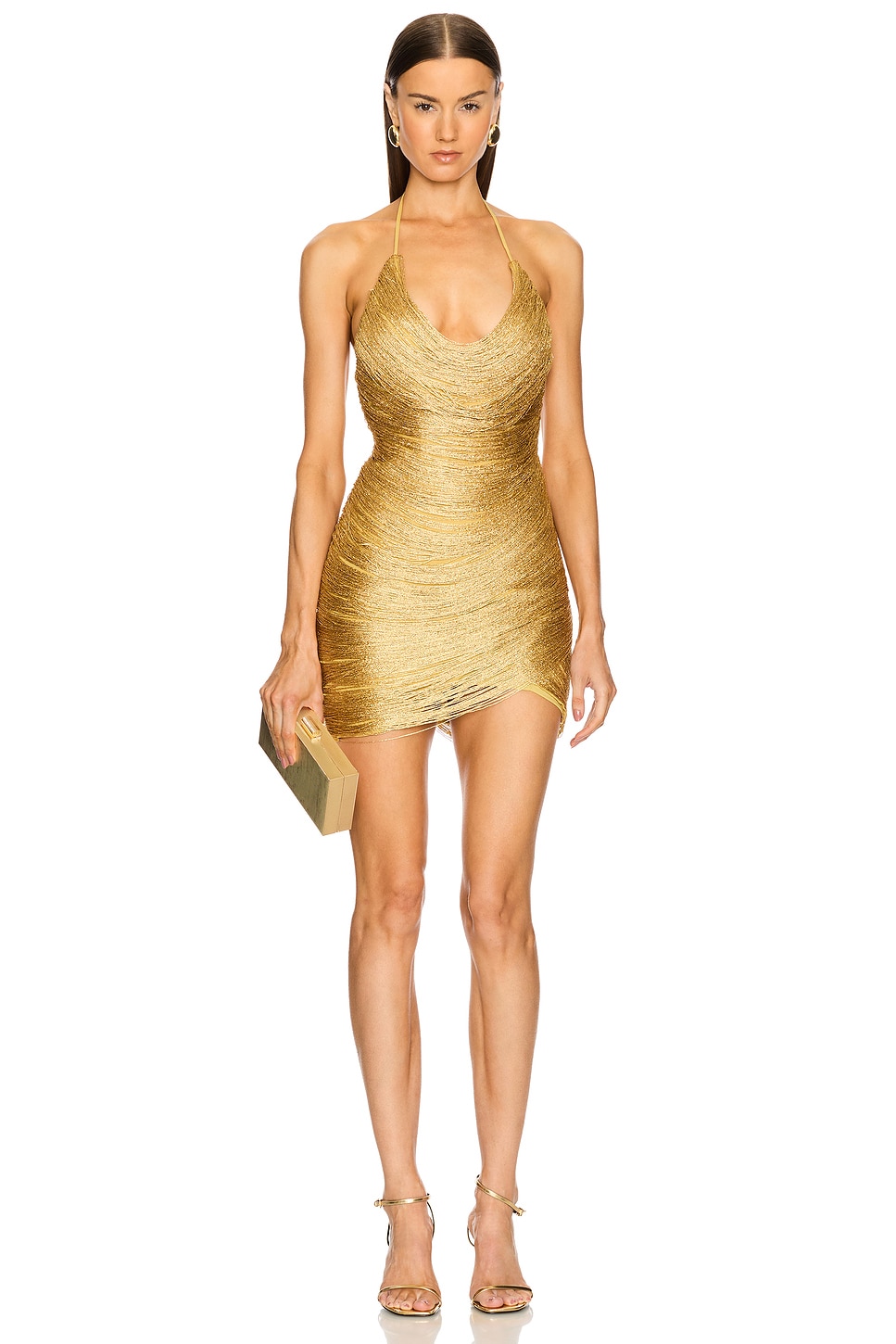
The journey to effortless chic begins with the foundational choice: the dress itself. Not all dresses are created equal for this purpose. The ideal candidate possesses a clean line and a flattering fit. Think of architectural principles applied to fashion. A well-designed revolve dress often features a defined waist, whether through tailoring, a belt, or a strategic seam. This creates balance, a concept heavily emphasized in design theory from the Bauhaus to modern product design. For instance, a wrap dress, a style famously perfected by Diane von Furstenberg, inherently creates a dynamic V-neckline and a cinched waist, offering a universally flattering proportion. Alternatively, a columnar slip dress, reminiscent of the minimalist 90s aesthetic championed by Calvin Klein, offers a different kind of power through its vertical, unbroken line. The key is to understand your own proportions and select a silhouette that complements them. A midi length, often hovering between the calf and ankle, is a hallmark of this style—it’s elegant without being formal, modern without being extreme. This length provides a generous canvas for playing with footwear and outerwear, which we will explore next. Remember, the dress is your base layer; its silhouette sets the stage for everything else.
2. The Strategic Layer: Outerwear as Transformation
A dress alone can be beautiful, but the true magic of effortless chic often happens with the addition of a strategic layer. This is where personal style is fully articulated. The choice of outerwear can completely redirect the vibe of your revolve dress. Consider the intellectual edge a tailored, oversized blazer in a neutral wool or linen adds. This look draws directly from the power suiting of the 1980s, but softened for contemporary wear. As designer Yves Saint Laurent once asserted, “Fashions fade, style is eternal.” A classic blazer is eternal. For cooler evenings or a more avant-garde touch, a leather moto jacket juxtaposed against a flowing floral dress creates a compelling tension between tough and romantic. This dichotomy is a recurring theme in fashion narratives, from cinematic costumes in films like The Matrix to the street style captured outside fashion weeks. Conversely, a long, streamlined trench coat or a soft, chunky knit cardigan draped over the shoulders introduces an element of relaxed sophistication. The layer isn’t just for warmth; it’s a tool for adding texture, color, and narrative to your outfit. It breaks the monotony of a single piece and introduces a dynamic, lived-in quality that is essential to looking “effortless.”
3. Footwear and Accessories: The Punctuation Marks
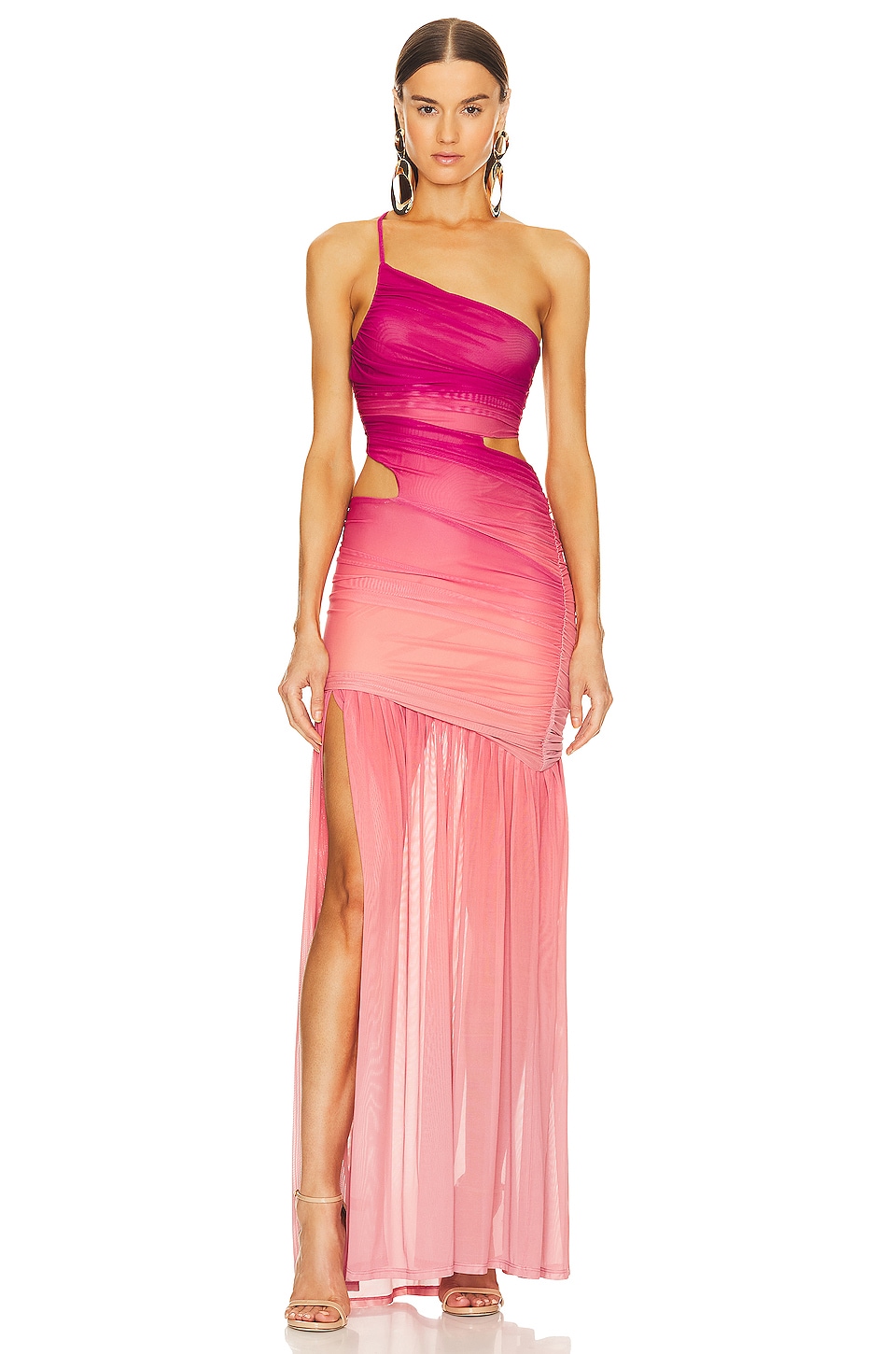
If the dress is the sentence and the outerwear is the clause, then footwear and accessories are the punctuation—they define the tone. The principle of effortless chic demands restraint and intentionality here. Over-accessorizing is the antithesis of the look. Instead, choose one or two key pieces. For footwear, the choice dictates the dress’s destination. A pair of clean, minimalist white sneakers (think Common Projects or Axel Arigato) instantly modernizes a midi dress, making it perfect for daytime errands or casual meetings. This trend, heavily documented on platforms like TikTok and Instagram, speaks to a generation that values comfort without sacrificing style. Swap the sneakers for a pair of sleek ankle boots, and you’re ready for a dinner date; exchange those for strappy leather sandals, and you’ve achieved evening elegance. With accessories, consider a single statement piece. A substantial gold hoop earring, a style consistently seen on fashion icons from Jennifer Aniston to Tracee Ellis Ross, can frame the face and add polish without clutter. A delicate layered necklace or a single, sculptural bracelet can achieve a similar effect. The bag should be considered part of the silhouette—a structured tote for day, a small crossbody or clutch for night. The goal is to complement, not compete.
The Science of Color and Fabric: Beyond Aesthetics
Our stylistic choices are not merely artistic; they are communicative and psychological. The color and fabric of your revolve dress play a crucial role in the message you project. Color psychology, a field studied in both marketing and design, suggests that neutrals—black, white, navy, camel, and grey—convey sophistication, minimalism, and authority. A monochromatic look (different shades of one color) is a scientifically-backed shortcut to looking put-together, as it creates a long, uninterrupted line that the eye perceives as harmonious. Fabric, meanwhile, communicates texture and context. A silk satin dress whispers luxury and evening, while a high-quality cotton poplin or linen speaks to relaxed, daytime refinement. As the textile experts at the Fashion Institute of Technology would attest, the drape, weight, and hand-feel of a fabric directly impact the garment’s silhouette and how it moves with the body. A fabric that moves well inherently looks more effortless than one that is stiff or restrictive. Investing in dresses made from natural, quality fibers is a cornerstone of building a lasting effortless chic wardrobe.
4. Context is King: Adapting the Dress to Your Scene
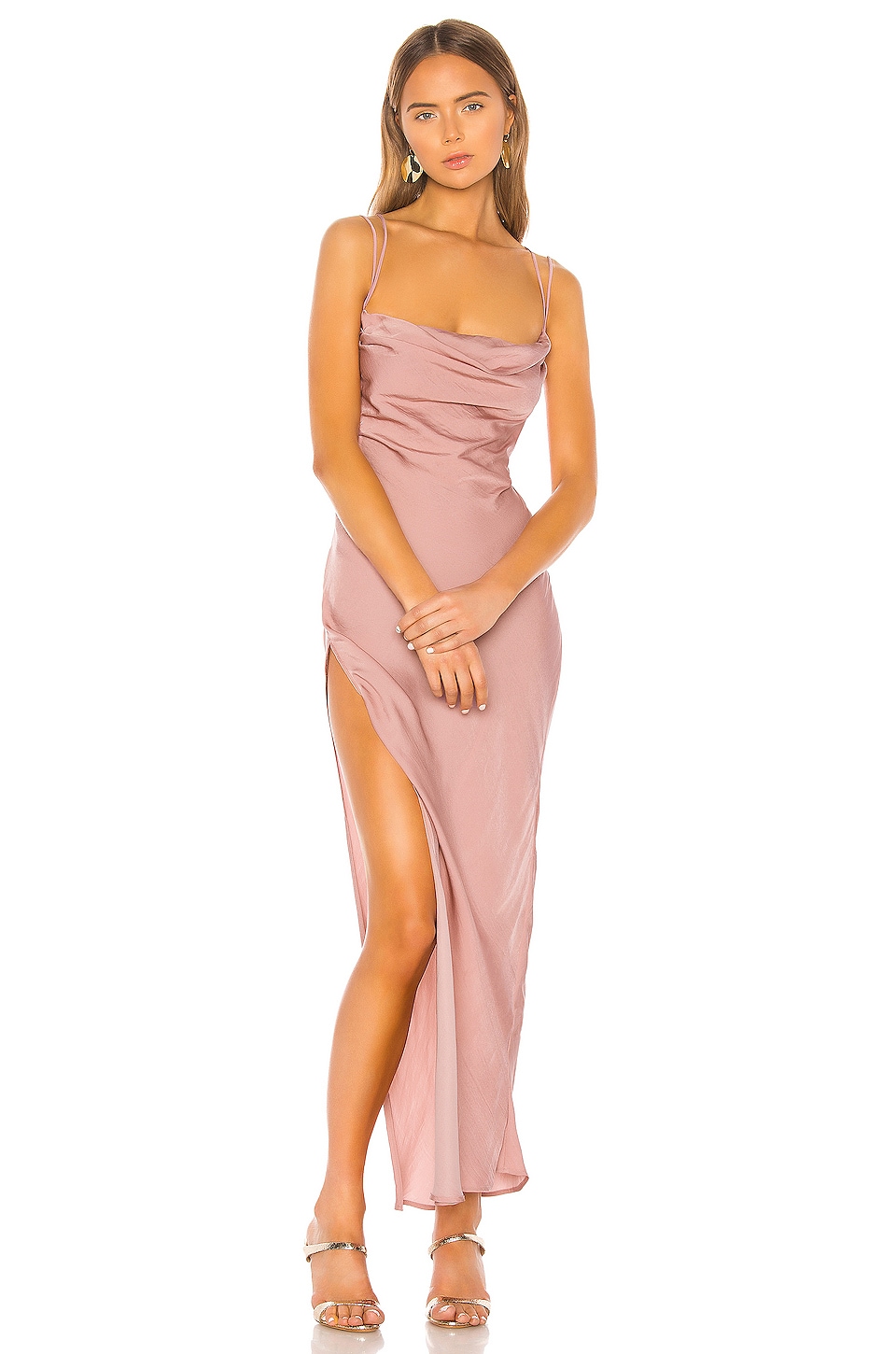
Effortless chic is not a one-outfit-fits-all-scenarios formula; it is a adaptable toolkit. The true test of a versatile revolve dress is its ability to traverse different environments with only minor adjustments. For the workplace, pair a structured shirtdress or a sleek sheath style with the aforementioned blazer and low-block heels. The look is professional, confident, and distinctly feminine without being fussy. Transitioning to a weekend brunch, remove the blazer, swap the heels for slides or sneakers, and add a basket bag. The outfit is now relaxed and approachable. For an evening event, the equation shifts again. A slip dress in a luxe fabric, combined with statement jewelry, a sleek clutch, and heeled sandals, becomes the epitome of understated glamour. The common thread is the core dress—its quality and cut allow it to be a chameleon. This adaptability is not just convenient; it’s a smart, sustainable approach to fashion. It encourages a smaller, more intentional wardrobe where each piece carries significant weight and utility, reducing the cycle of constant consumption and aligning with a more mindful lifestyle.
5. The Inner Element: Confidence as the Ultimate Stylist
All the technical knowledge in the world is secondary to the final, non-negotiable ingredient: confidence. You can wear the most perfectly styled outfit, but if you don’t feel at home in it, the “effortless” illusion shatters. This is where the investment in understanding your personal style, your proportions, and your comfort zone pays the highest dividend. As style icon Iris Apfel famously quipped, “More is more and less is a bore, but you have to know what works for you.” Trying on various styles, understanding what fabrics you love against your skin, and recognizing which silhouettes make you stand taller are all part of the process. When you find that perfect dress—one that fits impeccably, in a color that lights up your complexion, and a fabric that feels wonderful—you put it on and forget about it. You stop fidgeting, adjusting, or doubting. That self-assuredness is palpable. It transforms an outfit from a collection of items into a personal statement. This is the zenith of effortless chic: when your clothing feels so intrinsically you that it becomes a seamless extension of your personality, allowing you to engage with the world, not just your reflection.
Styling for effortless chic is therefore a practice in curation and self-knowledge. It begins with selecting a foundational piece like a versatile revolve dress, understanding its architectural potential, and then building upon it with intelligent layers, precise accessories, and an awareness of context. It is informed by design principles, color theory, and the wisdom of style icons, yet it is ultimately personalized through your own lens. The result is a wardrobe that works tirelessly for you, projecting polish and poise with what appears to be no effort at all—because the real effort went into the thoughtful curation, not the daily scramble. That is the quiet power of mastering your style.