

Mastering the Art of Shift Dresses for Every Season
In the ever-evolving landscape of fashion, few garments offer the timeless versatility and effortless elegance of the shift dress. Its clean lines and simple silhouette are not merely a style choice but a sartorial philosophy—one that champions comfort, confidence, and adaptability across climates and calendars. This is not about following fleeting trends; it is about cultivating a personal uniform that empowers. From the crisp air of autumn to the vibrant bloom of spring, the shift dress stands as a wardrobe cornerstone, ready to be reimagined with each changing season. Let us explore how this deceptively simple piece can become the most dynamic element of your style repertoire.
The Architectural Foundation: Understanding the Shift Dress Silhouette
To master its application, one must first appreciate its architecture. The classic shift dress is defined by its straight, narrow cut, hanging from the shoulders without a cinched waist, often with darts at the bust for minimal shaping. This structure creates a sleek, columnar line that flatters a wide range of body types by skimming rather than clinging. The genius of this design, as noted by fashion historian Valerie Steele in her work for The Museum at the Fashion Institute of Technology, lies in its democratic appeal and its roots in the modernist movement of the 1920s. It represented a radical departure from the restrictive corsetry of the past, offering women a garment of liberation and practicality. This historical context is crucial; the shift dress was born from a desire for freedom and ease, principles that remain its core appeal today. Its simplicity is its strength, acting as a blank canvas upon which texture, color, and accessory can project infinite personalities. Whether crafted from heavy wool for winter or lightweight linen for summer, the fundamental silhouette remains a constant, a reliable foundation in the unpredictable world of fashion.
Winter Wisdom: Insulating Without Bulk
Conquering winter chic often feels like a battle between warmth and style. The shift dress, however, offers a strategic solution. The key is fabric selection and strategic layering. Opt for shift dresses in substantial materials like merino wool, dense cotton corduroy, or cashmere blends. These fabrics provide inherent insulation while maintaining the dress’s clean line. The beauty of the silhouette is that it allows for hidden layers beneath. A sleek, fitted turtleneck or thermal top worn underneath adds core warmth without disrupting the dress’s flow. This “dress-over-layer” technique is a staple in Scandinavian style, where practicality and aesthetics are seamlessly merged. For the outer layer, a tailored wool coat or a long-line puffer jacket complements the straight shape perfectly. Footwear moves from sandals to opaque tights paired with knee-high boots or sleek loafers. As fashion director of a major retail platform once stated in an industry webinar, “The shift dress in winter is the ultimate base layer. It’s about creating a warm microclimate around the body while preserving a sharp, intentional silhouette. You’re building an outfit from the inside out, with the dress as your anchor.” Accessories like a wide-brimmed felt hat and chunky scarf complete the look, proving that cold weather dressing can be both cozy and profoundly elegant.
Spring Renewal: Embracing Lightness and Color
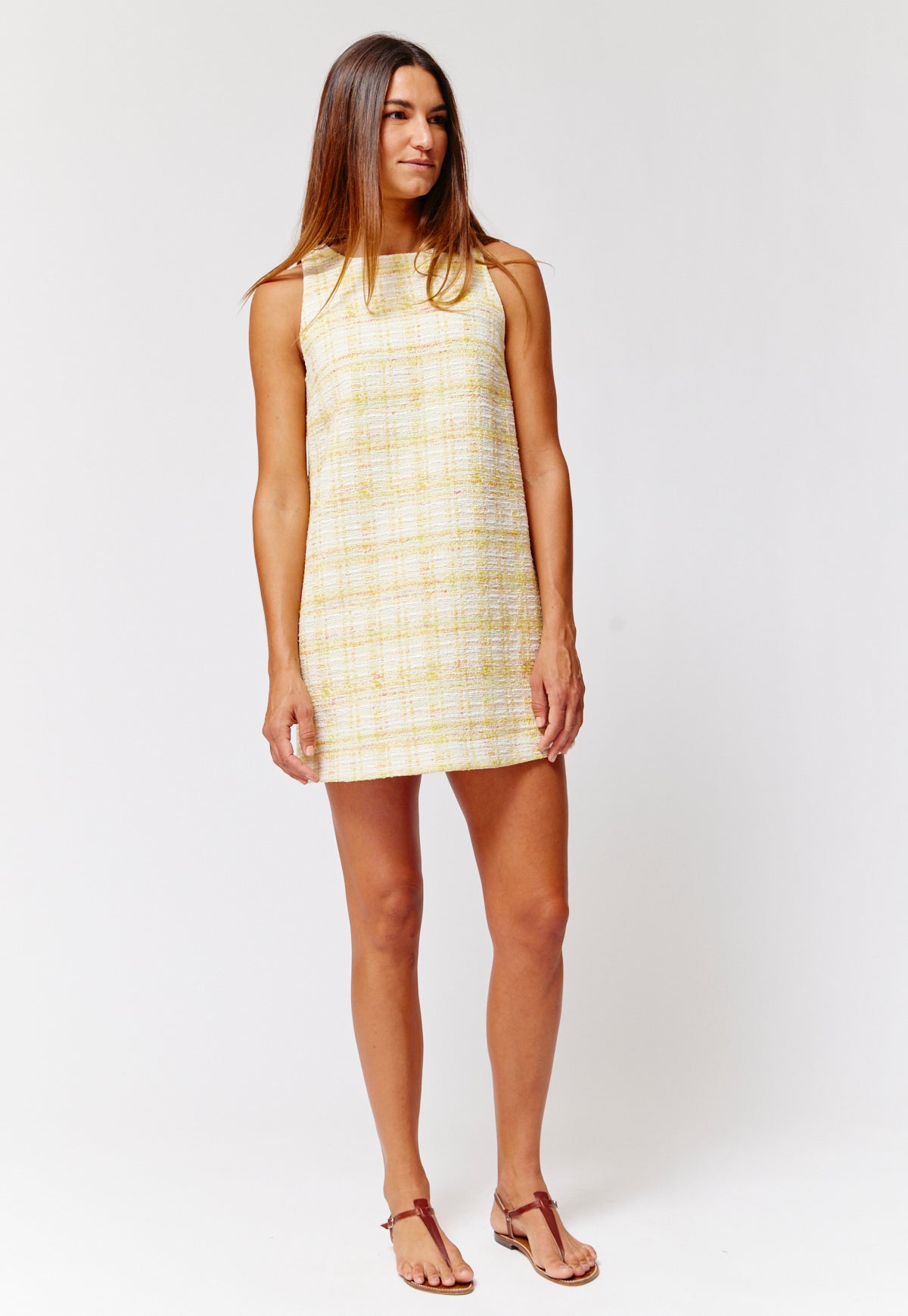
As the world thaws and blossoms, your shift dress strategy should follow suit. This is the season to play with weight, hue, and pattern. Transitional fabrics like mid-weight cotton, linen blends, and soft jersey become ideal. They provide enough substance for a cool morning breeze but are breathable for a warmer afternoon. The color palette can shift from winter’s deep tones to the fresh, optimistic hues of spring: sage green, sky blue, butter yellow, and classic pastels. A floral-printed shift dress is a perennial favorite, capturing the season’s essence in a single garment. The simplicity of the cut prevents a print from becoming overwhelming, allowing it to shine. Layering transforms as well; swap the heavy coat for a denim jacket, a lightweight trench, or a soft cardigan knotted over the shoulders. This approach aligns with the “capsule wardrobe” philosophy popularized by experts like Susie Faux, where versatile pieces are mixed to maximize outfit potential. Footwear lightens to ballet flats, classic sneakers, or ankle boots with bare ankles. The overall effect is one of renewal and effortless grace, a visual sigh of relief as the days grow longer.
Summer Simplicity: The Epitome of Effortless Cool
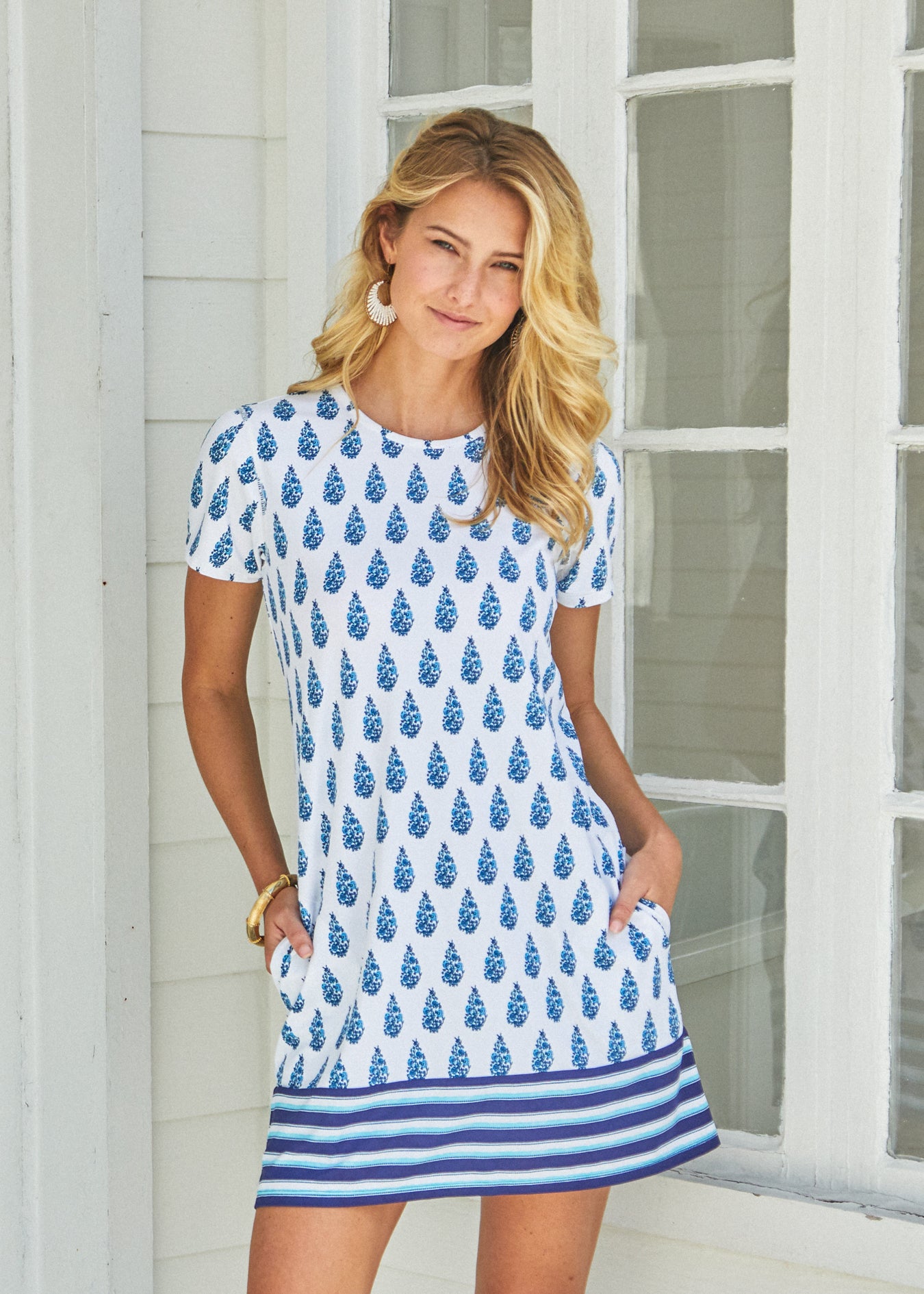
Summer is where the shift dress truly becomes a hero. In relentless heat, its lack of constriction is not just stylish but a practical necessity. Seek out dresses in pure linen, lightweight cotton voile, or breezy rayon. These fabrics allow for air circulation, keeping you cool and comfortable. Sleeveless or short-sleeved styles dominate, offering maximum exposure to cooling breezes. The aesthetic here is one of minimalist ease—think of the iconic style of figures like Jane Birkin or the modern iterations seen on platforms like The Edit from Net-a-Porter, which often highlight the shift as a summer staple. Its simplicity makes it incredibly versatile: wear it straight from a day at the office to an evening patio dinner with just a change of accessories. Drape a lightweight scarf, add statement sunglasses, and swap daytime sandals for metallic slides. The dress requires no fuss, allowing you to focus on enjoying the season. It is the uniform for sunny adventures, beach cover-ups, and city strolls alike, proving that looking put-together can be as simple as slipping on one perfect piece.
Autumn Transitions: Layering as an Art Form
Autumn invites a more creative and textured approach to dressing, and the shift dress is the perfect canvas for this artistry. This is the season to experiment with rich, earthy tones—rust, olive, burgundy, and mustard—and substantial fabrics like tweed, bouclé, or thick cotton. The magic of autumn styling lies in the layering on top of the dress. A chunky knit sweater layered over the dress, belted at the waist, transforms the silhouette into a chic skirt-and-sweater combo. A leather or suede jacket thrown over the shoulders adds an instant edge. As acclaimed stylist and author Alison Freer advocates in her book How to Get Dressed, “Layering is not about piling on clothes; it’s about creating visual interest and adapting to changing temperatures throughout the day. A shift dress is your starting block for that relay.” Tights re-enter the picture, often in fun textures or dark colors, paired with ankle boots or loafers. Scarves become both functional and decorative. This season celebrates the intellectual, cozy side of fashion, where the shift dress serves as the stable foundation for a more complex and personally expressive outfit narrative.

Beyond the Seasons: The Professional and Personal Shift
The utility of the shift dress extends far beyond meteorological considerations; it is a powerful tool for professional and personal identity. In a corporate setting, a well-tailored shift dress in a solid color or subtle pattern projects authority, competence, and polish. It eliminates the morning dilemma of matching separates, offering a complete, authoritative look in one step. Paired with a blazer and pumps, it is a boardroom staple. Yet, the same dress, stripped of the blazer and paired with sandals or sneakers, seamlessly transitions to a weekend brunch or a gallery visit. This chameleon-like quality is its superpower. It aligns with the psychological concept of “enclothed cognition,” studied by researchers like Hajo Adam and Adam D. Galinsky at Northwestern University, which suggests that the clothes we wear can influence our psychological processes. The simplicity and confidence inherent in a sharp shift dress can genuinely alter the wearer’s mindset, promoting feelings of capability and ease. It is a garment that dresses you for the role you need to play, while always reminding you of your essential self.
Mastering the shift dress is an exercise in mindful curation. It is about recognizing that true style is not born from complexity, but from understanding the potential within simplicity. By selecting the right fabric, color, and layers for each season, this single silhouette unfolds into a year-round wardrobe symphony. It is an investment in pieces that work tirelessly for you, offering a reliable formula for looking and feeling impeccable, regardless of the weather or occasion. Let the shift dress be your sartorial constant, your elegant solution, and your canvas for self-expression through all the chapters of the year.