

The Perfect Revolve Dress for Every Occasion
In the ever-evolving landscape of fashion, few garments promise the transformative power and universal appeal of the perfect dress. It is not merely an item of clothing but a sartorial solution, a confidence-builder, and a silent communicator of personal style. Among the myriad options available to the contemporary woman, the concept of a revolve dress—a versatile, high-quality piece capable of revolving through various events and settings with simple styling changes—has emerged as a cornerstone of a smart wardrobe. This article delves into the anatomy of such a dress, arguing that investing in a single, impeccably designed piece from a curated selection like Revolve’s can unlock endless possibilities, transcending the traditional boundaries of occasion-wear. We will explore this through the lenses of design philosophy, material science, psychological impact, and economic logic, providing you with the knowledge to make an empowered choice.
The Philosophy of Versatility: Beyond the Single Occasion
The modern lifestyle demands adaptability. A day might transition from a professional boardroom meeting to an intimate dinner and perhaps a casual evening gathering. The fast-fashion model encourages buying a different outfit for each, leading to closet overload, environmental strain, and often, a sense of having “nothing to wear.” This is where the ethos of the revolve dress proves revolutionary. The term itself suggests motion and reuse—a garment that revolves through your life. As fashion psychologist Dr. Dawnn Karen, founder of the Fashion Psychology Institute, notes on her YouTube channel, “Clothing is a tool for mood enhancement and behavioral modification. A versatile dress that you associate with multiple successes creates a powerful, positive feedback loop in your psyche.” The goal is to shift from a quantity-based to a quality-based wardrobe. A dress that can be dressed up with statement jewelry and heels for a wedding, or down with a denim jacket and sneakers for a weekend brunch, embodies this philosophy. It’s about strategic dressing, a concept echoed by style authorities from Vogue to Forbes, which emphasizes buying better, not more. The perfect dress isn’t defined by a fleeting trend but by its lines, cut, and fabric—elements that allow it to morph with context.
Deconstructing the Elements: Fabric, Cut, and Color
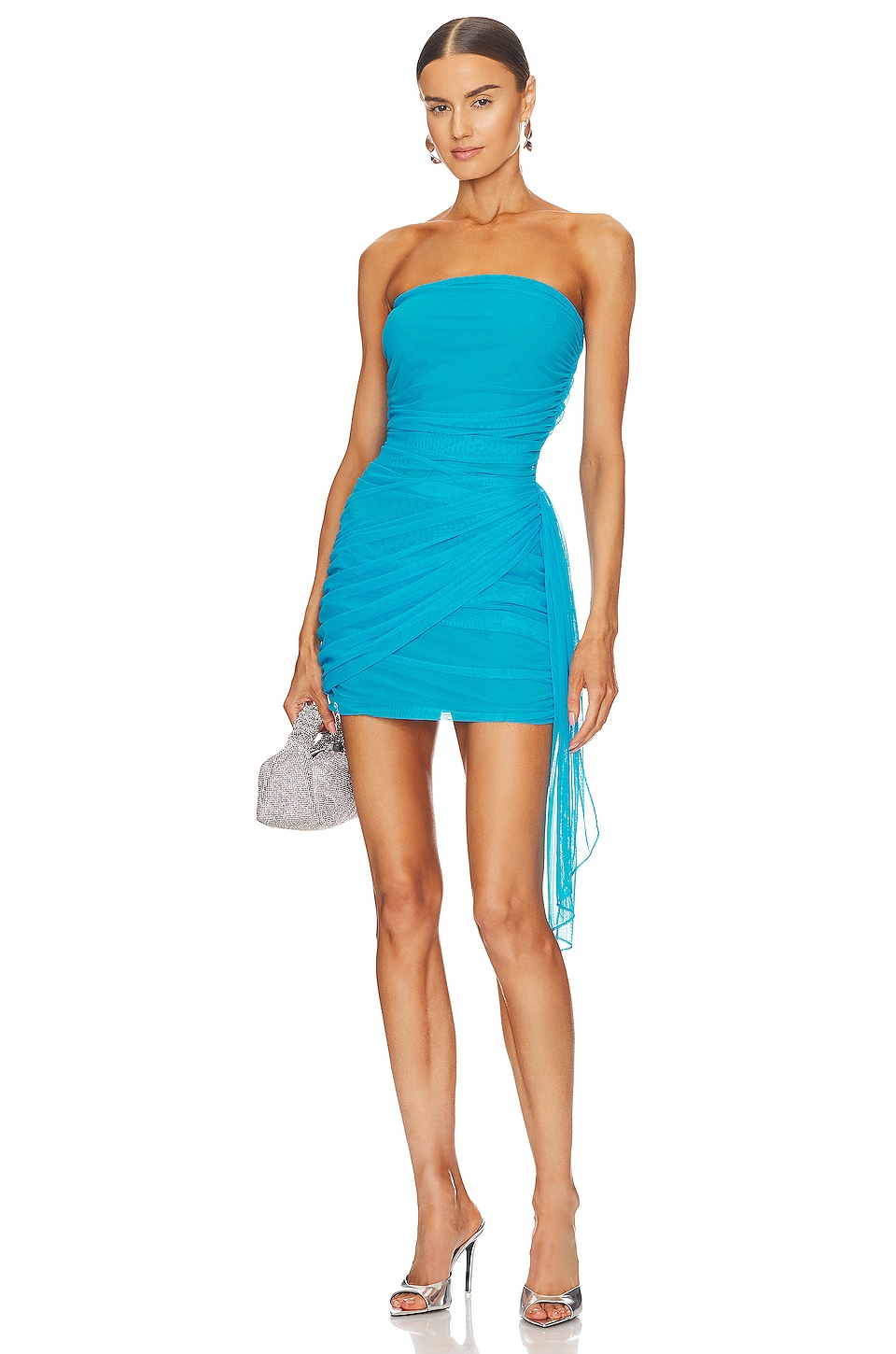
Objectively, what makes a dress capable of this chameleon-like performance? The answer lies in a scientific interplay of its core elements. First, consider fabric. According to textile science resources from universities like the Fashion Institute of Technology (FIT), natural fibers like high-grade cotton, silk, and wool crepe, or sophisticated blends with a touch of elastane, offer durability, a luxurious drape, and resistance to wrinkling. A mid-weight fabric that isn’t too flimsy or too structured is key—it should hold its shape through a workday yet flow gracefully at an evening event. Second, the cut and silhouette. A universally flattering cut, such as a wrap style, a tailored sheath, or an A-line shift, often serves as the ideal canvas. These silhouettes, as documented in design literature, balance the body’s proportions without being overly restrictive or trendy. The little black dress, famously championed by Coco Chanel and later Audrey Hepburn in Breakfast at Tiffany’s, endures precisely because of its simple, adaptable cut. Third, color. While black is the classic, a sophisticated neutral like navy, charcoal, burgundy, or even a vibrant but rich jewel tone can offer similar versatility. The color should complement your skin tone and be a hue you feel confident in, as color psychology (a field studied at institutions like the University of California, Berkeley) suggests different colors can subtly influence perception and self-assurance.
The Psychological Power of a “Signature” Garment
Moving from the tangible to the intangible, the right dress wields significant psychological influence. When you find a revolve dress that fits impeccably and makes you feel empowered, it ceases to be just fabric and thread. It becomes a uniform for success. This concept is supported by the theory of “enclothed cognition,” a term coined by researchers Hajo Adam and Adam D. Galinsky in a seminal paper published in the Journal of Experimental Social Psychology. Their studies demonstrated that the symbolic meaning of clothing and the physical experience of wearing it systematically influence the wearer’s psychological processes. A dress you associate with positive experiences—a successful presentation, a memorable date, a fun party—carries those associations forward. Every time you wear it, it can trigger a state of heightened confidence and competence. Fashion influencer and author Brittany Bathgate often discusses this on her platform, stating, “My most reached-for items are never the loudest. They are the quiet, well-made pieces that I know will make me feel put-together and calm, no matter the situation.” This psychological readiness is an invaluable asset, turning the simple act of getting dressed into a strategic preparation for the day’s challenges and opportunities.
Economic and Sustainable Logic: Cost Per Wear
An argument for the perfect revolve dress would be incomplete without addressing the compelling economic and environmental rationale. This is best explained through the “cost per wear” (CPW) model, a concept frequently cited by financial and sustainable fashion advocates alike. CPW is calculated by dividing the price of an item by the number of times you wear it. A $300 dress worn 30 times has a CPW of $10, while a $50 dress worn only twice has a CPW of $25. The former, though a higher initial investment, offers far greater value. Websites like Investopedia and The Good Trade champion this as a cornerstone of mindful consumption. Furthermore, in an era of heightened ecological awareness, reducing consumption is paramount. The Ellen MacArthur Foundation, a leader in circular economy research, highlights that extending the active life of clothing by just nine months can significantly reduce its carbon, water, and waste footprints. By choosing one high-quality, versatile dress over several disposable ones, you are not only optimizing your personal budget but also contributing to a more sustainable fashion ecosystem. It is a financially savvy and ethically conscious approach to style.
Curating Your Perfect Dress: A Practical Guide
Knowing the theory is one thing; applying it is another. How does one identify this wardrobe workhorse? Let’s break it down into actionable steps. First, audit your lifestyle. What do your weeks truly look like? The perfect dress should cover at least 70% of your common scenarios. Second, prioritize fit over sizeexamine the details. Look for fine stitching, secure closures (like a sturdy zipper), and a lined interior. These are hallmarks of quality construction that ensure longevity. Fourth, test its versatility mentally. Can you visualize it with the items already in your closet? A true revolve dress should pair seamlessly with your existing blazers, coats, shoes, and accessories. Finally, trust reputable sources. Brands like those curated by Revolve are often vetted for design integrity and quality, offering a reliable starting point. Remember, this is an investment. As timeless style icon Iris Apfel once quipped, “Fashion you can buy, but style you possess. The key to style is learning who you are.” The perfect dress is a tool to express that self-knowledge.
Styling Transformations: One Dress, Multiple Lives
To solidify the concept, let’s envision concrete transformations. Imagine a sleek, knee-length revolve dress in navy silk crepe. For the office: Pair it with a structured blazer, pointed-toe pumps, a leather tote, and minimalist pearl studs. The look is authoritative and polished. For cocktails: Remove the blazer, swap the pumps for strappy metallic sandals, add a statement cuff bracelet and a clutch. Instantly, it’s elegant and festive. For a casual weekend: Layer a crisp white t-shirt underneath for a modern peek-a-boo collar effect, throw on a fitted denim jacket, wear with white sneakers and a crossbody bag. The dress is now playful and relaxed. For a formal evening: Add sheer, textured tights, embellished heels, a faux fur stole (or a sleek cape), and dramatic drop earrings. The transformation is complete. This adaptability isn’t magic; it’s the result of intentional design. Fashion stylists on platforms from TikTok to professional blogs consistently demonstrate such alchemy, proving that with creative accessories, a single dress can tell many stories.
An Invitation to Intentional Style
The pursuit of the perfect dress is more than a shopping goal; it is a step towards a more intentional and empowered approach to personal style. It rejects the chaos of overconsumption and embraces the clarity of choice. A truly versatile revolve dress offers not just aesthetic value but also psychological comfort, economic efficiency, and environmental responsibility. It stands as a testament to the idea that the best fashion investments are those that multiply in value every time you wear them, adapting to your life as fluidly as you navigate the world. In curating a wardrobe anchored by such pieces, you build a reliable, expressive, and sustainable foundation for your sartorial journey. The perfect dress isn’t waiting for a special occasion; it’s the garment that makes any occasion you wear it to feel special.