

Styling Semi-Formal Dresses for Every Occasion
Navigating the world of event attire often leads us to the versatile and essential category of semi-formal dresses. This dress code, a midpoint between casual daywear and formal evening gowns, offers immense creative freedom yet requires a nuanced understanding to master. It’s not merely about selecting a pretty dress; it’s about curating an ensemble that respects the occasion’s tone while expressing personal style. Whether you’re preparing for a garden wedding, a sophisticated cocktail hour, a corporate dinner, or a holiday party, the principles of styling a semi-formal dress remain anchored in balance, context, and intentional detail. This guide moves beyond basic definitions, delving into the art of adaptation—transforming a single semi-formal dress through accessories, layers, and styling choices to suit a spectrum of events. We’ll explore the objective parameters that define this dress code, supported by insights from fashion authorities and cultural references, and provide actionable styling strategies that bring professional knowledge and value-conscious choices to your wardrobe decisions.
Decoding the Semi-Formal Lexicon: More Than Just a “Nice Dress”
The term “semi-formal” or “dressy casual” often generates ambiguity. Objectively, it occupies the space between business casual and black-tie optional. According to definitions aggregated from fashion resources like Vogue and Harper’s Bazaar, semi-formal for women typically calls for a knee-length to midi dress, though sophisticated tea-length or shorter hemlines can be acceptable depending on the event’s time and setting. Fabrics lean towards elegance—think silk, chiffon, satin, lace, or high-quality jerseys—distancing themselves from everyday cotton or denim. The silhouette can range from tailored sheaths to A-lines and fit-and-flare designs. This framework is not arbitrary; it stems from historical sartorial codes that classified attire based on time of day and formality. As the Costume Institute at The Metropolitan Museum of Art documents, the 20th century saw the crystallization of these codes, with “semi-formal” emerging as a pragmatic response to events that were celebratory yet not strictly ceremonial. In literature, F. Scott Fitzgerald’s depictions of 1920s party attire in The Great Gatsby often hover in this realm—characters dressed in elegant, refined fabrics for lavish but not state-function gatherings. This historical and cultural context underscores that a semi-formal dress is a tool for social navigation, signaling respect for the host and the event’s purpose through considered attire.
The Foundation: Selecting Your Versatile Semi-Formal Dress
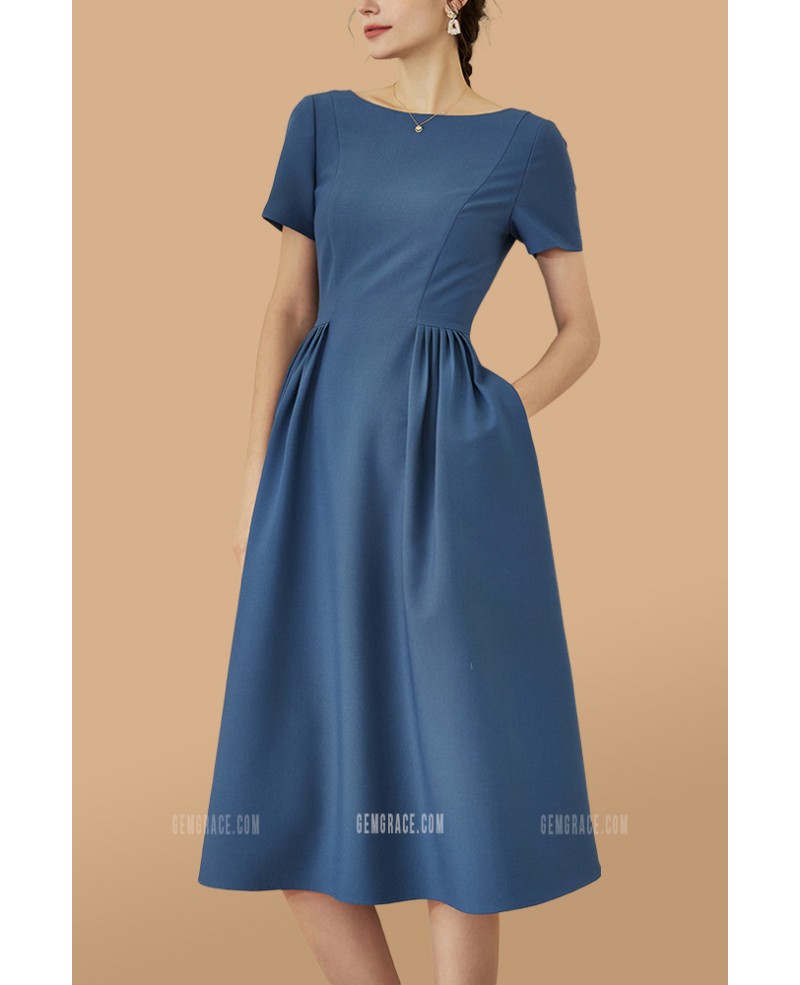
Your styling journey begins with a strategic foundation: the dress itself. The goal is to invest in a piece that serves as a chameleon. A semi-formal dress in a neutral, solid color—such as navy, burgundy, emerald green, black, or metallic gold—offers maximum versatility. Cuts that are universally flattering, like a wrap dress, a tailored shift, or an A-line with a defined waist, provide a clean canvas. Consider the “Little Black Dress” principle famously championed by Coco Chanel; its endurance lies in its adaptability. As fashion historian Valerie Steele notes in her work for the Fashion Institute of Technology, the LBD became a symbol of modern femininity precisely because it could be dressed up or down with accessories. This principle extends to your core semi-formal dress. Look for quality construction and fabric that drapes well. From a value perspective, numerous retailers offer high-quality options at discounted prices, especially during seasonal sales or through outlet collections. Brands often cited by style experts on platforms like Who What Wear for their value include & Other Stories, Reformation (on sale), and department store lines like Nordstrom’s BP. The initial selection is a calculated decision, prioritizing timelessness over trendiness to ensure the dress remains a wardrobe staple for seasons.
Transformative Styling: One Dress, Four Occasions
The true power of a well-chosen dress is revealed through transformation. Let’s follow a single, hypothetical knee-length burgundy silk sheath dress through four distinct scenarios.
1. The Daytime Garden Wedding
For a sun-dappled afternoon celebration, the key is soft, romantic, and weather-appropriate styling. Over-dressing can feel as discordant as under-dressing. Here, your silk dress forms a luxurious base. Layer a delicate, cropped cashmere or linen cardigan in ivory or pale pink to accommodate breezy moments. Footwear shifts from stilettos to elegant block-heel sandals or wedges that won’t sink into grass. A statement hat or a delicate floral hair clip references the wedding theme without competing with the bride. Jewelry should be light: pearl studs, a simple pendant necklace, or a stack of thin gold bracelets. A woven clutch bag in raffia or leather completes the look. This approach aligns with advice from wedding planners and fashion contributors on The Knot, who emphasize comfort, practicality, and a palette complementing natural surroundings. The outfit feels special and respectful, perfectly pitched for the occasion’s joyful yet relaxed formality.
2. The Evening Cocktail Party
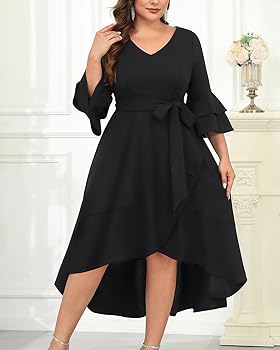
As the sun sets, the same dress takes on a more glamorous, intensified character. This is the classic domain of the cocktail dress. Shed the cardigan and focus on shine and sparkle. Swap the day clutch for a metallic or beaded minaudière. Footwear becomes a focal point—strappy high heels in patent leather or with metallic details. Jewelry can be bolder: chandelier earrings or a cuff bracelet. A sleek updo or voluminous curls adds to the evening vibe. A faux fur stole or a structured blazer in a contrasting color (like black or sequined) can be added for drama and warmth. This transformation taps into the iconic imagery of Hollywood cocktail culture, reminiscent of Audrey Hepburn’s sophisticated party looks in films like Breakfast at Tiffany’s. Fashion critic Vanessa Friedman of The New York Times often discusses how cocktail attire is a playground for personal expression within a defined framework—your dress is the constant, while accessories dial up the glamour.
3. The Corporate Holiday Dinner
Navigating a work-related event requires balancing professionalism with festivity. The burgundy dress is ideal—rich in color yet conservative in cut. The styling here leans polished and powerful. Layer a tailored, sharp-shouldered blazer in black or grey over the dress. Keep jewelry minimal and elegant: diamond or pearl studs, a fine watch. Heels should be closed-toe pumps. A structured leather tote or clutch replaces the evening bag. The hair is best in a neat bun or a polished blowout. This look communicates competence and celebration in equal measure. It echoes the principles of “power dressing” discussed by authors like John T. Molloy in Dress for Success, updated for a modern, festive context. The dress, under the blazer, becomes a sophisticated shell, ensuring you look like a leader who has seamlessly transitioned from the boardroom to the banquet.
4. The Cultural Gallery Opening
An art opening calls for an outfit that is creative, intellectual, and slightly avant-garde. Here, your dress serves as a base for artistic expression. Layer an unconventional piece, like a tailored vest, a sheer mesh top worn underneath, or a bold, architectural jacket. Footwear could be fashion-forward ankle boots or embellished flats. Accessories are where personality shines: a sculptural necklace from an independent designer, multiple rings, an artistic clutch. Eyewear, even if non-prescription, can add an intellectual edge. This approach is inspired by the street style seen outside events like the Venice Biennale or Frieze Art Fair, documented by sites like Vogue Runway. It’s about looking thoughtfully composed, as if your attire is in dialogue with the art on display. The dress provides elegance, while the layered pieces inject creativity and a point of view.
Investing Wisely: Quality, Value, and Sustainable Style
Building a versatile wardrobe with semi-formal dresses is an exercise in intelligent consumption. The fast-fashion market is saturated with options, but the cost-per-wear of a poorly made dress is often higher than that of a quality investment piece bought on sale. Look for seams that are straight and finished, linings that are smooth, and zippers that glide effortlessly. Natural fibers like silk, wool, and linen often wear better over time than many synthetics. To access discounted prices on high-quality pieces, consider end-of-season sales, reputable consignment stores, or rental services for one-off events. The viewpoint of sustainable fashion advocates, such as Livia Firth, emphasizes a “30 wears” test—will you wear this item at least 30 times? A versatile semi-formal dress easily passes this test. Furthermore, platforms like Quora and Reddit’s female fashion advice communities are rich with user-generated insights on durable brands and deal-finding strategies, offering real-world proof of value.

Mastering the art of the semi-formal dress is ultimately about mastering context. It’s a sartorial skill that blends knowledge of social codes with personal creativity. By starting with a strategically chosen, quality dress and understanding the alchemy of accessories, layers, and details, you unlock a multitude of outfits from a single core piece. This approach is not only economically savvy but also empowers you to move through diverse social and professional landscapes with confidence and appropriate elegance. Your wardrobe becomes a curated collection of possibilities, each dress a chapter waiting to be styled into a new story for every occasion that arises.