

Mastering Semi-Formal Dresses for Every Occasion
Navigating the world of dress codes can often feel like deciphering a cryptic language. “Semi-formal” stands as one of the most common yet misunderstood invitations, sitting elegantly between the casual and the black-tie. This guide isn’t about rigid rules, but about unlocking a wardrobe philosophy. The right semi-formal dress is a key to confidence, a garment that understands the assignment of a daytime wedding, a sophisticated office gala, or an important dinner. It’s about mastering a versatile style that speaks of polish without pretense, allowing your personal aesthetic to shine within a framework of refined appropriateness.
Decoding “Semi-Formal”: A Historical and Social Perspective
The term “semi-formal” in Western dress codes, particularly for women, evolved as social events diversified beyond the strict binaries of formal white-tie and everyday wear. According to resources like the Emily Post Institute, a cornerstone of etiquette literature, semi-formal attire for women traditionally meant a cocktail dress or a dressy suit. This definition, however, is not static. As fashion historian Valerie Steele notes in her work for The Museum at the Fashion Institute of Technology, “Fashion is a mirror of social change.” The 20th century’s shifting social roles, especially women’s increased participation in professional and public life, demanded a wardrobe category that was polished yet practical, elegant but not overly ornate. This birthed the modern interpretation of semi-formal. It’s a dress code that respects the formality of an event while acknowledging a desire for comfort and individual expression. Think of it as the sartorial equivalent of a perfectly punctuated sentence—it provides structure and clarity, but the vocabulary (color, cut, fabric) is uniquely yours. A semi-formal dress, therefore, is less about a single prescribed look and more about achieving a specific equilibrium: it is deliberate and put-together, avoiding both the austerity of strict business attire and the extravagance of full evening gowns.
The Architecture of a Semi-Formal Dress: Fabric, Silhouette, and Length
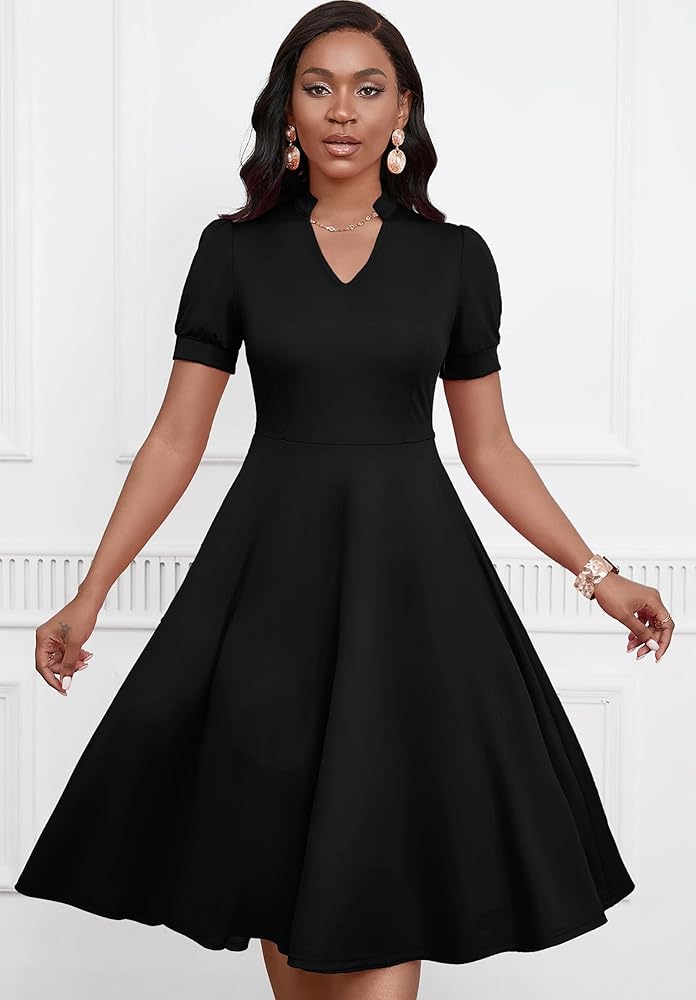
Choosing the perfect semi-formal dress begins with understanding its fundamental components. These are the objective, scientific elements that transform a simple dress into an appropriate and stunning semi-formal option. First, consider fabric. Materials like chiffon, silk, satin, lace, crepe, and high-quality jersey offer the necessary drape and sheen. As Tim Gunn, renowned fashion consultant and co-host of Project Runway, often emphasizes, “Fabric is the foundation. It informs everything.” A dress in a luxe fabric communicates care and consideration, even if the design is simple. Conversely, casual fabrics like denim, flannel, or thin cotton are typically unsuitable. Second, silhouette plays a crucial role. A-line, sheath, fit-and-flare, and wrap dresses are perennial favorites because they create a flattering, defined shape. The goal is a clean line, whether it’s body-skimming or gracefully flowing. Extremely tight, revealing, or overly voluminous shapes tend to stray from the semi-formal balance. Finally, length is a key signifier. The most universally accepted length is at or just above the knee to mid-calf. This “cocktail length,” as defined by fashion glossies like Vogue, is the hallmark of semi-formal wear. While tea-length (mid-calf) can be exquisite for garden parties or afternoon events, and a modest ankle-length can work in certain contexts, mini-dresses and full-length floor gowns generally belong to casual and formal categories, respectively. Mastering these three elements—fabric, silhouette, and length—provides a reliable blueprint for selection.
Color Psychology and Pattern Propriety
While cut and fabric form the skeleton, color and pattern are the personality of your semi-formal dress. Color psychology, a field studied in both art and marketing departments at universities like Berkeley, suggests that colors communicate non-verbally. A classic little black dress (LBD), famously championed by Coco Chanel as a “uniform for all women of taste,” projects timeless sophistication and authority. Navy, deep emerald, burgundy, and rich purple convey a similar formality. For daytime or spring/summer events, pastels, creamy neutrals, and bold jewel tones are excellent choices. The rule of thumb is to avoid neon colors or prints that are overly juvenile or garish. When it comes to patterns, moderation is key. A tasteful floral, a subtle geometric, or an elegant polka dot can be magnificent. Consider the words of style icon Iris Apfel: “More is more and less is a bore.” However, in semi-formal contexts, her maxim should be tempered; the “more” should come from the confidence in a well-chosen, singular statement piece, not from a chaotic clash of patterns. A dress with a striking but cohesive pattern can be a conversation starter, ensuring you look considered and chic.
Occasion-Specific Mastery: From Daytime Weddings to Evening Galas
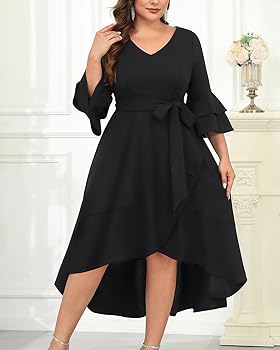
The true test of mastering semi-formal dresses lies in nuanced adaptation to the specific occasion. Let’s navigate through common scenarios. For a daytime wedding, especially in a garden or outdoor setting, lighter fabrics like chiffon or lace, softer colors, and lengths from knee to tea-length are ideal. Sleeves or elegant shawls are prudent for religious ceremonies. As wedding planner Marcy Blum states in her guides, “A guest’s attire should complement the celebration, not compete with the bride.” An office holiday party or professional gala demands a sharper edge. A structured sheath dress in crepe or satin, perhaps with a high neckline or sophisticated detailing, bridges professional polish and festive spirit. Here, your dress is an extension of your professional brand. For a dinner party at a fine restaurant or a theater date, you have room for more drama—think richer colors, luxurious textures like velvet (in season), or more pronounced artistic details. The setting’s ambiance is your guide. In each case, the core principles hold, but the accent shifts, proving the incredible versatility of a well-curated semi-formal wardrobe.
The Finishing Touches: Accessories and Footwear as Amplifiers
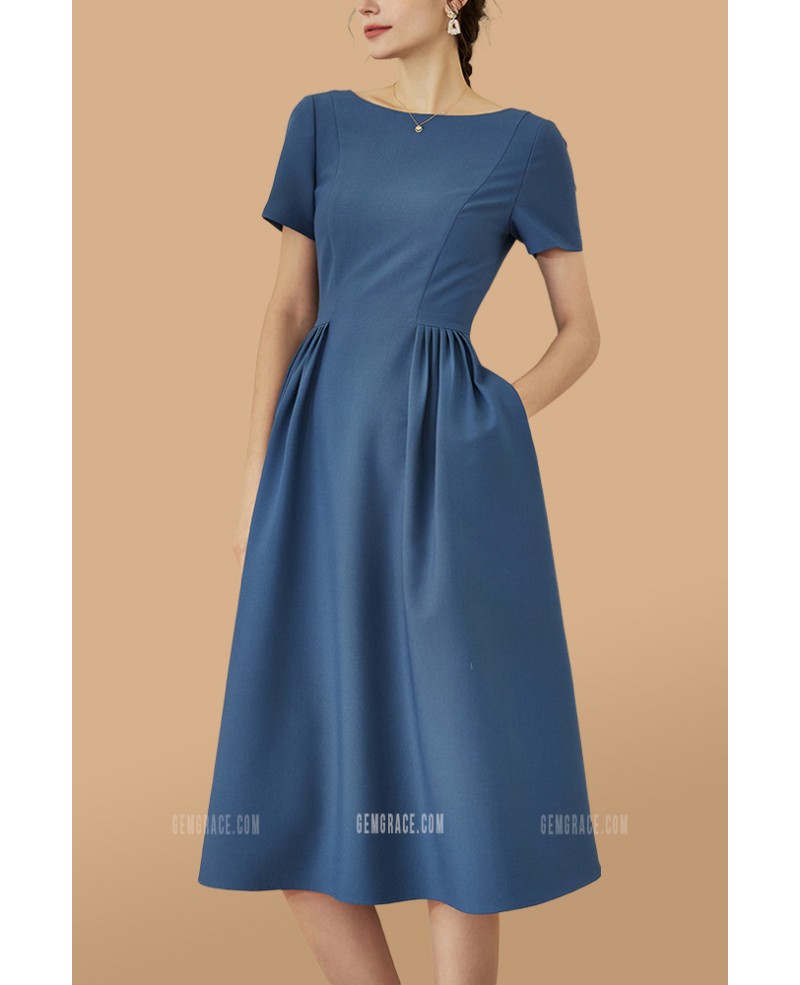
A semi-formal dress provides the canvas, but accessories and footwear complete the masterpiece. The golden rule, often cited by stylists on platforms like YouTube, is to choose one focal point. If your dress is ornate or brightly colored, opt for minimalist jewelry—simple studs, a delicate necklace. If the dress is a simple sheath, you can amplify with a statement necklace or bold earrings. A clutch or small structured handbag is preferable to a casual tote or backpack. Footwear is non-negotiable; it elevates the entire look. Closed-toe pumps, elegant sandals (weather permitting), or sophisticated block heels are standard. As fashion influencer Aimee Song often demonstrates on her channels, “The right shoe can make an outfit feel expensive and intentional.” Avoid sneakers, flip-flops, or overly chunky platforms. Finally, consider outerwear: a tailored blazer, a elegant wool coat, or a dressy wrap. These elements shouldn’t be afterthoughts; they are integral components that signal you understand the holistic nature of semi-formal dressing.
Investment and Value: Building a Sustainable Wardrobe
In an era of fast fashion, investing in quality semi-formal dresses is both a style and a sustainability statement. A well-made dress from quality fabric will not only look better and last for seasons but also reduce the cycle of wasteful consumption. Look for reinforced seams, lined interiors, and natural fiber blends. Brands that offer transparency about their manufacturing, often found on their official sites or through certified reviews, are worth exploring. Furthermore, savvy shopping means knowing where to find value. End-of-season sales, reputable online retailers with clear size guides and good return policies, and even curated consignment stores can be treasure troves. The goal is to acquire pieces that feel special, fit impeccably, and possess the versatility to be re-worn in different ways. This approach brings genuine professional knowledge—understanding garment construction and value—directly to you, often at a discounted price compared to last-minute, low-quality purchases. It’s a smarter, more elegant way to build a wardrobe that masters occasions for years to come.
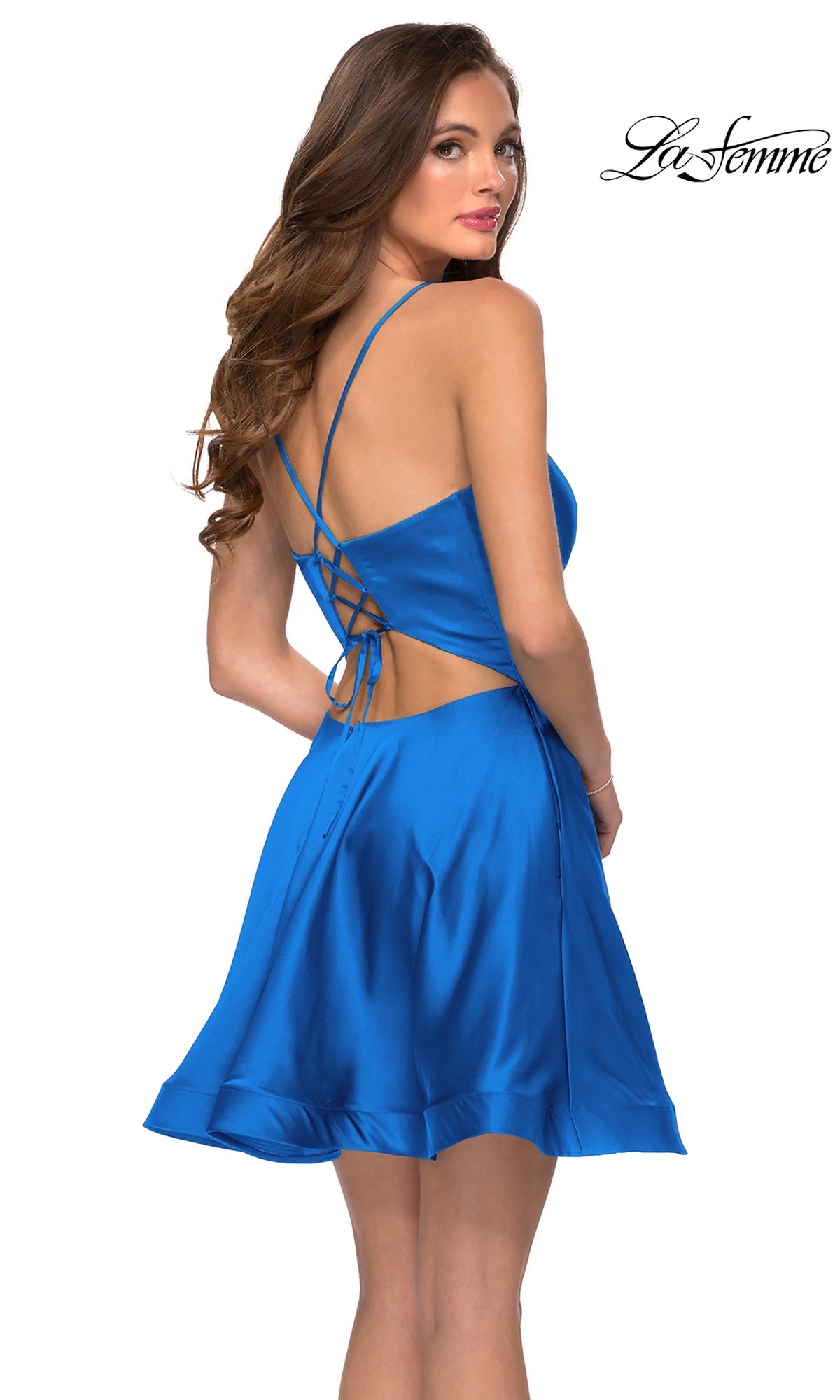
Mastering semi-formal attire is ultimately an exercise in empowered self-presentation. It moves beyond following instructions to cultivating an intuitive sense of what works—for the event, for your body, and for your personal style narrative. It’s about possessing a garment that makes you feel assured and authentic the moment you put it on. When you understand the harmony of fabric, cut, and context, you no longer just wear a dress; you command the occasion with quiet, undeniable confidence. That is the true mastery we all can achieve.