

Mastering the Art of Shift Dresses for Every Season
The shift dress is more than a garment; it is a sartorial chameleon, a blank canvas upon which personal style and seasonal demands converge. Its deceptively simple silhouette—typically characterized by straight, clean lines falling from the shoulders without a defined waist—belies a profound versatility. To master the art of the shift is to unlock a year-round wardrobe cornerstone that moves with you, adapts to climate, and expresses intention without uttering a word. This mastery is not about following fleeting trends, but about understanding the foundational principles of fabric, cut, color, and styling that transform a single dress shape into a perennial style statement.
The Architectural Foundation: Understanding the Shift Silhouette
Before we drape it for winter or lighten it for summer, we must appreciate the architecture. The modern shift dress finds its roots in the 1920s flapper era, a symbol of liberation from restrictive corsetry. As fashion historian Valerie Steele notes in her work for The Museum at the Fashion Institute of Technology, this was a “radical simplification” of the female form, prioritizing freedom of movement. This historical context is crucial; the shift’s essence is liberation. Its structure is its strength. A well-constructed shift relies on precise darting (often at the bust or back) and strategic seam placement to create shape without constriction, allowing the fabric to skim the body rather than cling to it. This architectural integrity is what enables its seasonal adaptability. From a scientific perspective, the loose fit promotes better air circulation in heat, while its layered potential in cold weather is unmatched by more fitted silhouettes. Understanding this foundation—that the shift is a deliberate, structured garment designed for ease—is the first step in mastering its year-round application.
Spring: The Awakening in Lightweight Layers and Prints
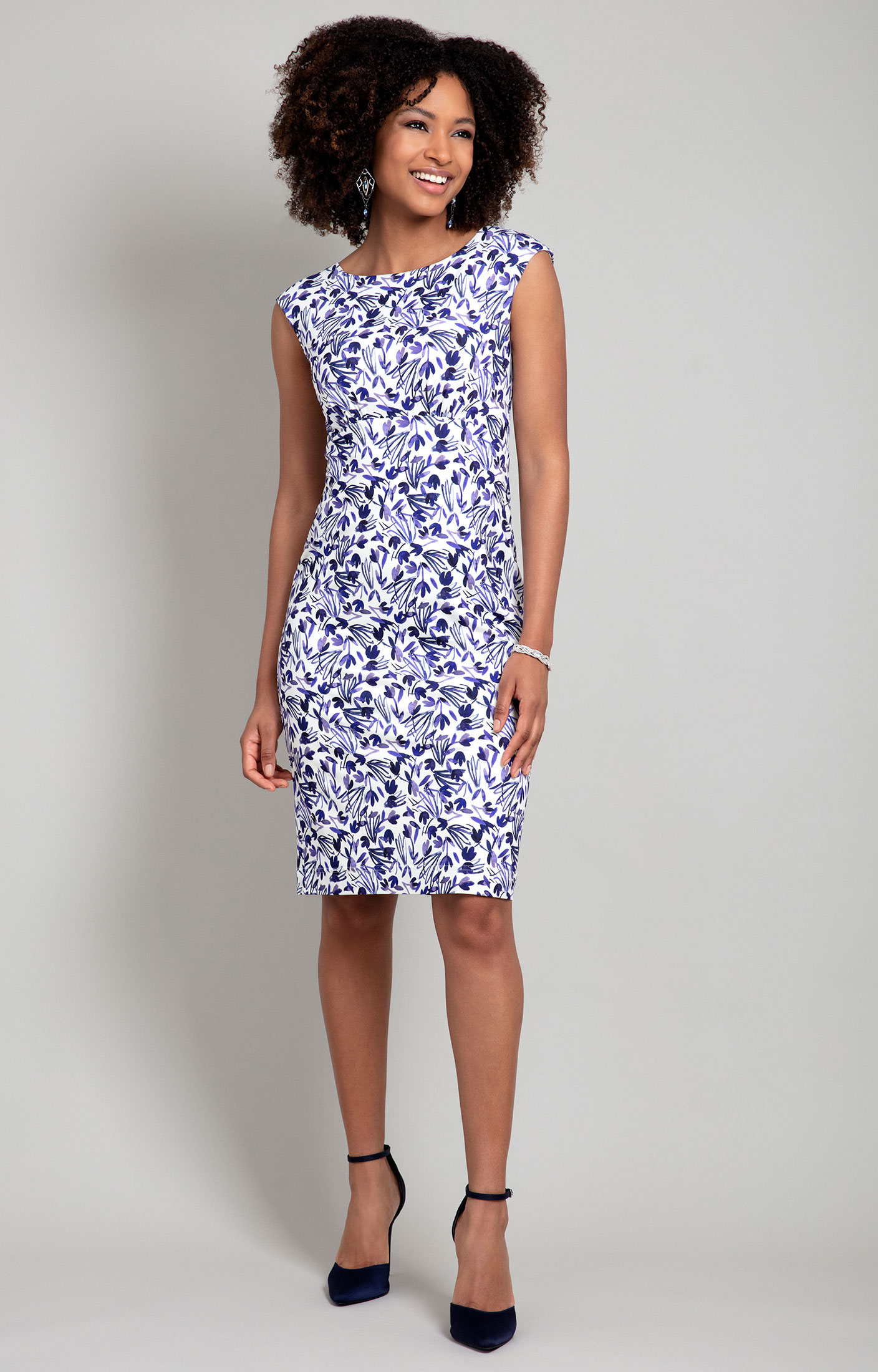
Spring is a season of transition, and your shift dress should mirror that. This is the time for fabrics that breathe and respond to capricious temperatures. Think crisp cotton poplin, fluid rayon, or linen blends. The key objective here is layering without bulk. A sleeveless or short-sleeved shift becomes the perfect base. Over this, one might drape a lightweight, unstructured blazer in a complementary pastel or a classic denim jacket. The beauty lies in the ease of removal as the day warms. Footwear shifts from ankle boots to ballet flats or low-block heels. For prints, embrace spring’s renewal. Botanical florals, derived from centuries of artistic tradition in textile design, or subtle geometric patterns can invigorate the simple shape. As style authority and founder of The Zoe Report, Rachel Zoe, often emphasizes on her platforms, “A great print tells a story.” Let your spring shift tell one of optimism. Accessorize with woven bags and delicate gold jewelry to complete a look that feels fresh, intelligent, and effortlessly put-together, ready for anything from a garden party to a creative office environment.
Summer: Embracing Minimalism and Breathable Fabrics
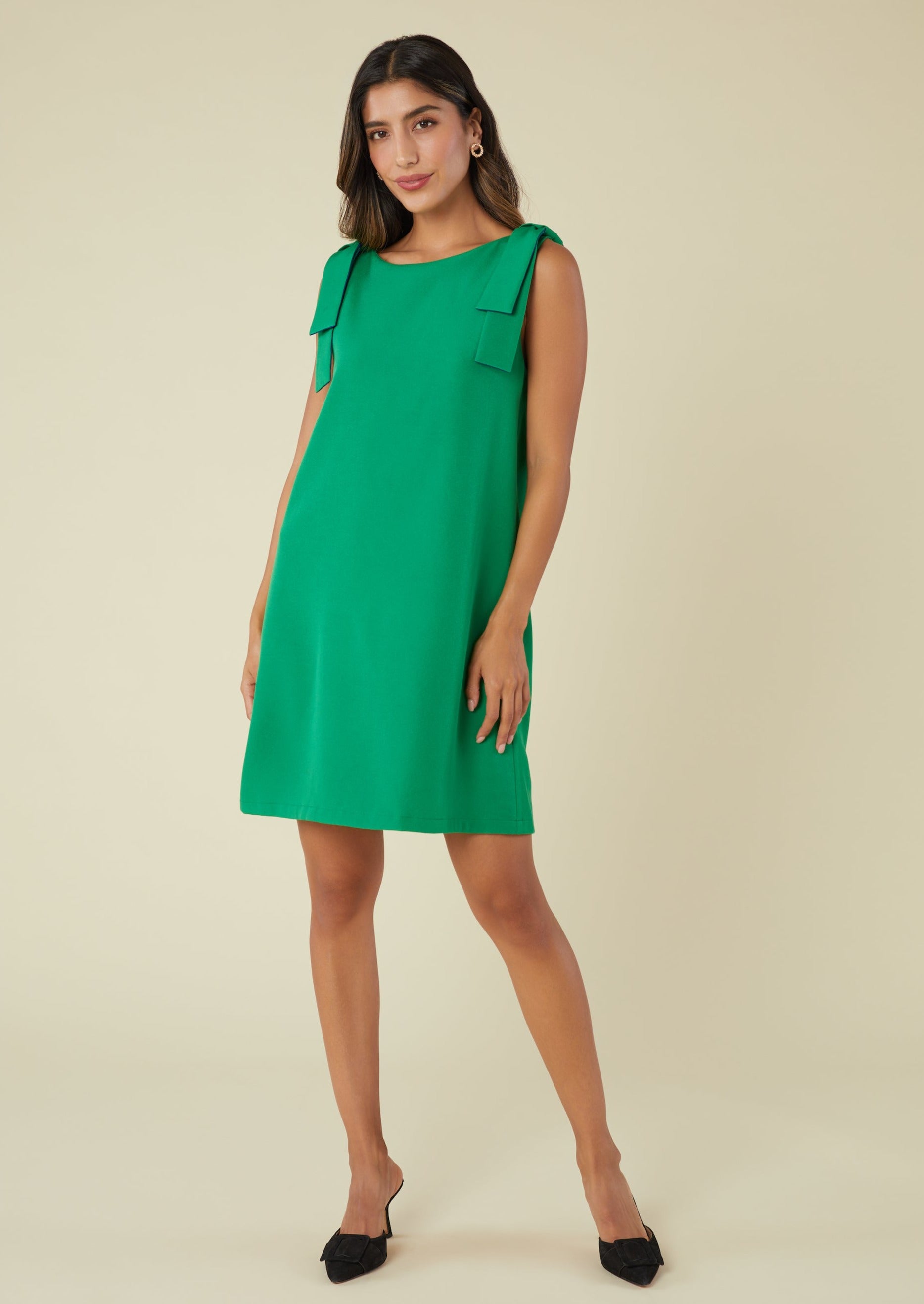
Summer demands a strategy centered on coolness and simplicity. Here, the shift dress excels in its most elemental form. Fabric choice becomes paramount for both comfort and style. Linen, a natural fiber celebrated for its high moisture-wicking and heat-dissipating properties, is a scientific champion for hot weather. Cotton voile, silk noil, and high-quality technical blends that offer UV protection are also ideal. The silhouette can venture slightly shorter, embracing the mini shift for a playful, modern feel. Color palettes should reflect the light: bright whites, sun-bleached khakis, vibrant citrus tones, or oceanic blues. The styling is beautifully minimal. As the iconic designer and minimalist pioneer Calvin Klein famously advocated, “The best thing is to look natural, but it takes makeup to look natural.” Apply this philosophy to dressing. A summer shift needs little embellishment. Rely on its clean lines. Pair it with leather sandals, a wide-brimmed hat for pragmatic sun protection, and oversized sunglasses. The goal is an aura of cool, collected ease, where the dress does all the talking through its cut and the luxurious breathability of its fabric.
Autumn: The Canvas for Texture and Rich Hues
As the air turns crisp, the shift dress transforms into a foundational layer for rich textures and deep, earthy tones. This is where mastery truly shines, through the art of juxtaposition. The smooth, simple plane of a shift is the perfect backdrop for tactile experimentation. Seek out dresses in wool crepe, lightweight tweed, or dense cotton jersey. The color story shifts to rust, olive green, burgundy, and charcoal—colors often analyzed in color psychology for their associations with stability, warmth, and sophistication. The styling magic happens with layering. A turtleneck sweater worn underneath a sleeveless shift creates a dynamic, intellectual look reminiscent of Diane Keaton’s layered style in Annie Hall, a film that permanently altered perceptions of women’s suiting. Alternatively, layer a chunky knit cardigan or a tailored leather jacket over the dress. Tights and ankle boots ground the ensemble. A statement belt, though not traditional to the shift’s waistless design, can be loosely slung at the hips for a hint of definition. This season is about playing with weight, texture, and depth, using the shift as your stable core.
Winter: Strategic Insulation and Elegant Proportions
Conquering winter in a shift dress is the ultimate test of sartorial intelligence, proving that warmth need not sacrifice style. The strategy pivots to strategic insulation and the manipulation of proportions. Start with a shift in a substantial fabric: a merino wool knit, a double-knit ponte, or even a velvety corded cotton. This becomes your insulated base. Layering evolves into a more structured affair. A fitted, fine-gauge turtleneck is a non-negotiable first layer. Over the dress, consider a long-line tailored coat or a sleek puffer jacket that extends past the hem, creating a elegant, elongated line. Tights escalate to opaque wool or fleece-lined varieties—a practical necessity backed by the science of thermal insulation. Footwear becomes substantial: knee-high boots or polished combat boots. The accessories are both functional and defining: a substantial scarf, leather gloves, and a beanie. The resulting silhouette is one of compelling contrasts: the simple, straight line of the dress peeking out from beneath the volume of a coat, a testament to thoughtful, proportion-aware dressing that is as warm as it is sophisticated.
Investment and Intelligence: Building a Shift Dress Capsule
Mastery is not about owning a multitude of items, but about curating a intelligent capsule. The goal is to acquire a few exceptional shift dresses that serve as year-round workhorses. Prioritize quality of construction and fiber content over trend-driven details. A perfectly tailored black wool shift is worth three poorly made fast-fashion versions. Look for neat finishing, sturdy seams, and natural, durable fabrics. To bring professional knowledge on discounted prices to you, the savvy shopper should employ strategies like end-of-season sales for timeless pieces (e.g., buying a heavy wool shift in March or a linen one in September), subscribing to alerts from favorite quality brands, and considering pre-owned platforms for vintage or like-new designer finds. An intelligent capsule might include: a neutral solid (black, navy, beige) in a season-spanning fabric, a vibrant print for spring/summer, a textured fabric for fall/winter, and a versatile midi length. This curated approach is both economically and environmentally sound, embodying the slow fashion principles championed by authorities like the Centre for Sustainable Fashion at the London College of Fashion.
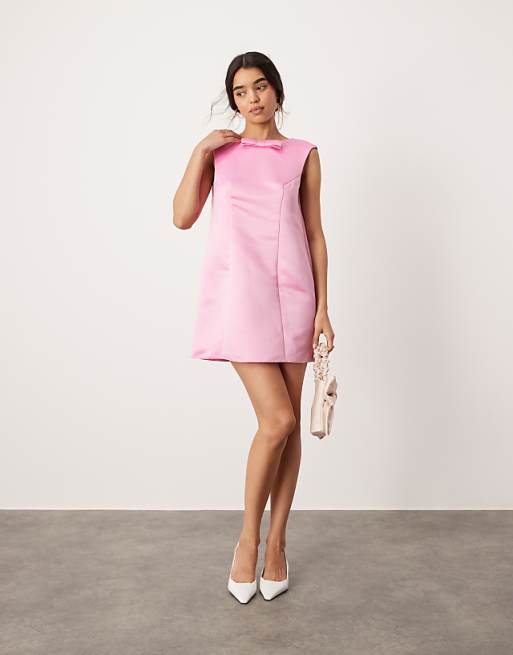
The true art of the shift dress lies in its intelligent rebellion. It rebels against the notion that seasonal dressing requires a complete wardrobe overhaul. It rebels against complexity, offering a silhouette of refined simplicity. By applying a principles-based approach—thoughtful fabric selection, strategic layering, and a curated color palette—you empower a single, powerful shape to carry you with confidence and grace through all twelve months. It becomes not just a dress, but a reliable tool in your style lexicon, a testament to the power of understanding and mastering the fundamentals of personal adornment.