

Mastering the Versatility of the Revolve Dress
In the landscape of contemporary fashion, few garments promise and deliver the transformative power of the revolve dress. It is not merely an item of clothing but a sartorial chameleon, engineered to pivot seamlessly from a boardroom presentation to an evening soiree. This exploration delves beyond aesthetic appeal, dissecting the design principles, material intelligence, and styling alchemy that make this dress a cornerstone of a dynamic wardrobe. We move past fleeting trends to anchor our discussion in the tangible: the cut that flatters, the fabric that adapts, and the mindset that unlocks infinite combinations.
The Architectural Blueprint: Design and Drape
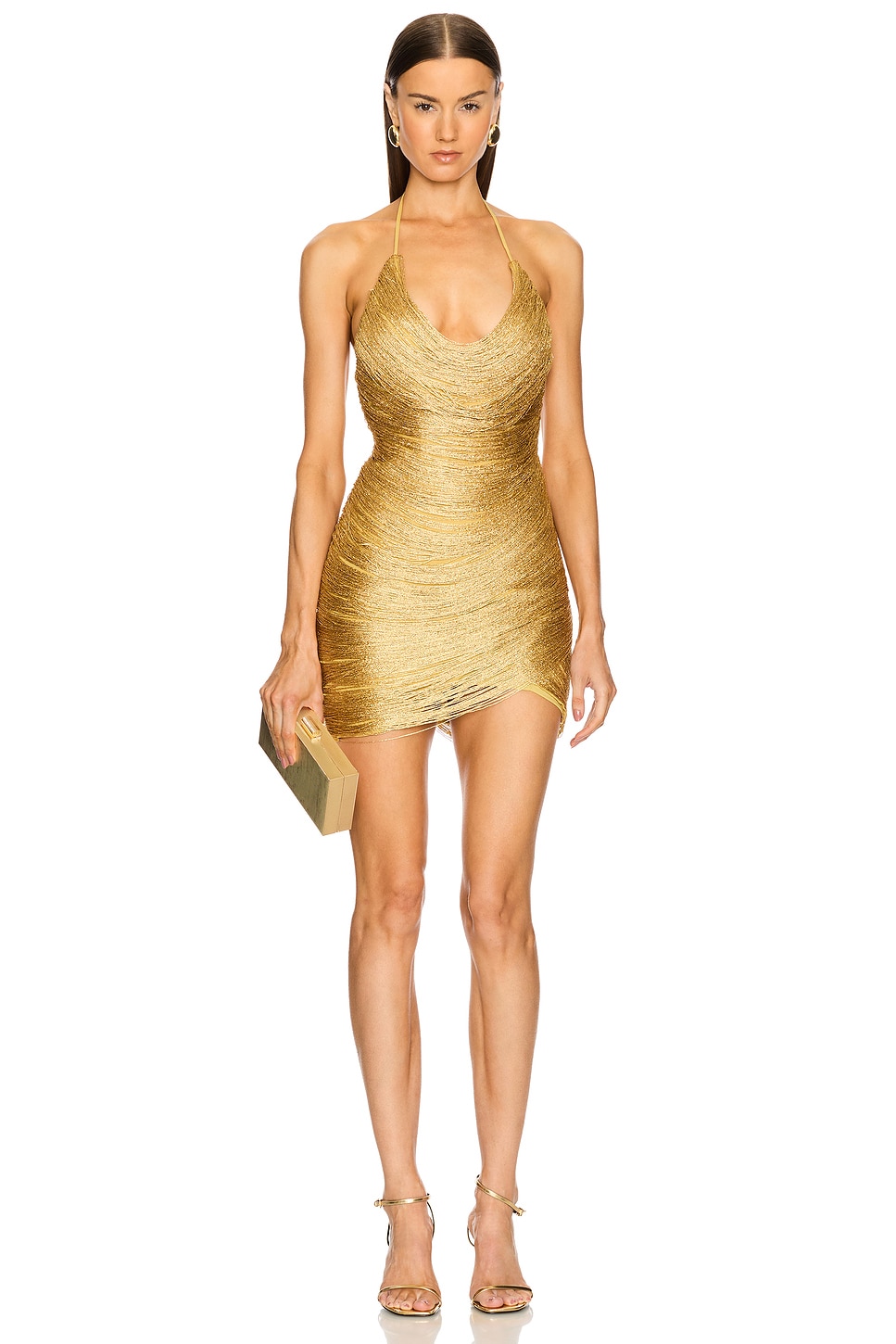
The magic of a versatile dress begins with its architecture. A successful revolve dress often employs principles of geometry and tailoring that have been refined over decades. Consider the concept of the “little black dress” immortalized by Coco Chanel in the 1920s. As documented by the Metropolitan Museum of Art, Chanel intended the LBD to be “a sort of uniform for all women of taste,” a blank canvas of simple, elegant lines. This foundational idea—a garment whose simplicity is its strength—is the genetic precursor to today’s versatile staples. The modern iteration, however, incorporates advanced knitwear techniques, bias cuts that celebrate the natural form, and strategic seaming that creates optical illusions of proportion. A study from the Fashion Institute of Technology highlights how dresses cut on the bias, a technique popularized by designers like Madeleine Vionnet, allow fabric to cling and flow in a manner that accommodates a range of body types and movements. This isn’t accidental design; it’s applied science. The armhole is placed to allow unrestricted motion, the neckline is drafted to be modular (able to be worn on or off-the-shoulder), and the hemline is calculated to sit at a point that elongates the leg without sacrificing appropriateness for diverse settings. The true objective is a silhouette that feels both intentional and effortless, a second skin that moves with you, not against you.
Material Intelligence: The Fabric of Function
If design is the blueprint, then fabric is the building material. The versatility of a dress is critically dependent on its textile. Here, we enter the realm of material science. A premium ponte knit, for instance, offers a compelling case. As explained in textile resources from sources like Textile World, ponte di Roma is a double-knit fabric typically made from a blend of rayon, nylon, and spandex. This combination yields a material with remarkable memory: it resists wrinkling, recovers its shape after stretching, and provides gentle compression for a smooth silhouette. Unlike a delicate silk chiffon that demands careful wear, a ponte dress is resilient. It can endure a day at the office, crumple in a travel bag, and emerge ready for dinner. Similarly, innovations in technical fabrics, such as those with moisture-wicking properties or temperature regulation (often cited in performance-wear reviews on sites like Wirecutter), are trickling into everyday fashion. A dress crafted from such intelligent fabric doesn’t just look good; it performs. It manages perspiration during a stressful commute and maintains its composure in a crowded gallery opening. This functional aspect is a key component of versatility. As sustainability advocate and fashion consultant Kate Fletcher argues in her writings, durability and multi-functionality are pillars of sustainable fashion. A single, well-made dress that replaces multiple occasion-specific items aligns with a conscious consumption model, offering value that transcends the price tag.
The Stylist’s Toolkit: Transformative Layering and Accessories
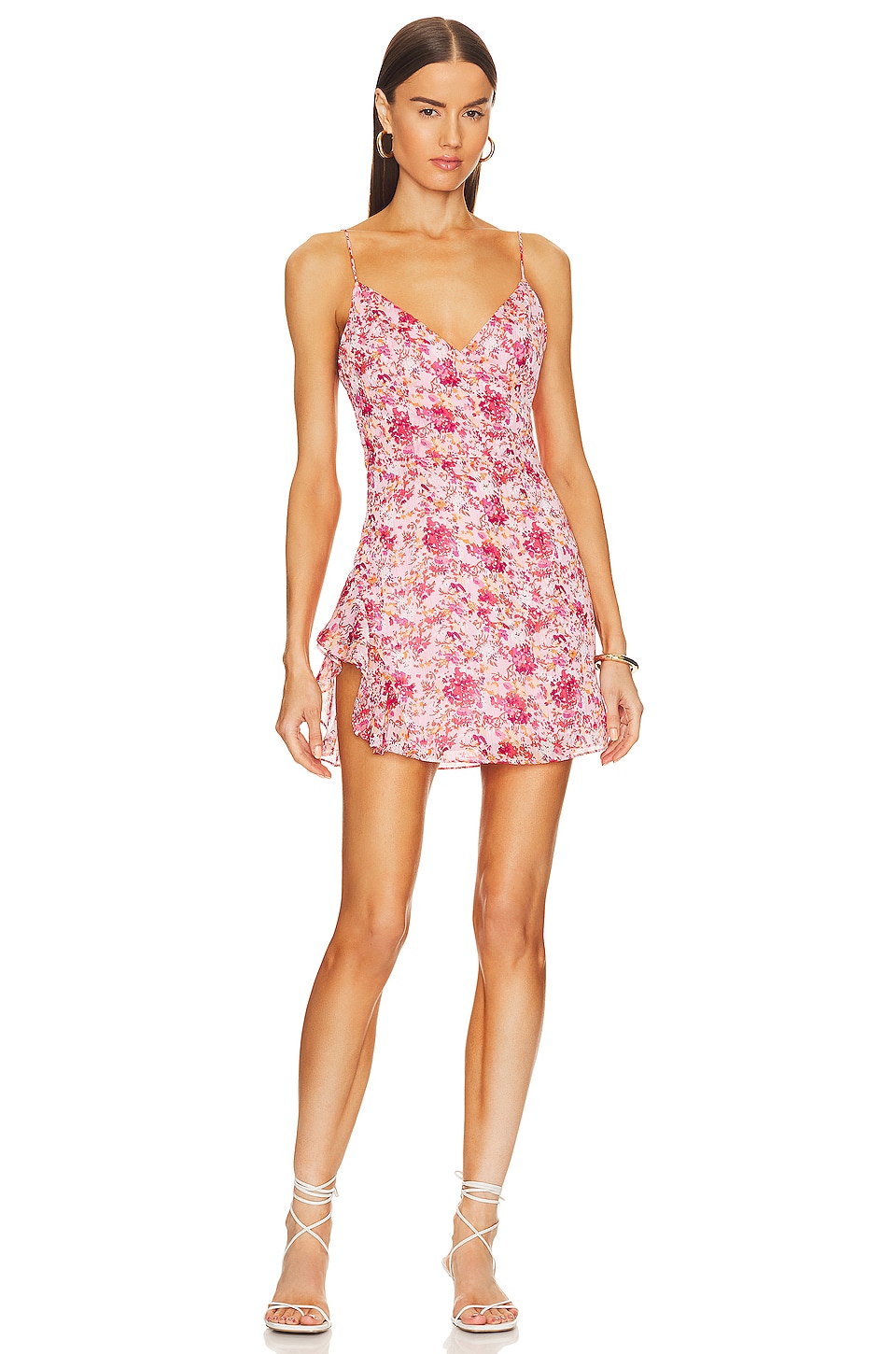
Ownership of a versatile dress is only the first step; mastery lies in its deployment. This is where personal creativity intersects with styling fundamentals. The revolve dress acts as a neutral core, a stable variable in the style equation. The transformative power comes from the layers and accessories you introduce. For a professional environment, the formula might involve a structured blazer, a minimalist leather tote, and closed-toe pumps. The blazer, as style authorities from platforms like Who What Wear often note, instantly adds authority and polish. Conversely, for an evening transformation, shed the blazer. Introduce statement jewelry—a bold cuff or layered necklaces—swap the tote for a sleek clutch, and replace pumps with strappy sandals. The change is radical, yet the foundation remains constant. This principle is vividly demonstrated in popular culture. In the film The Devil Wears Prada, while not a revolve dress per se, Andy Sachs’s transformation is underpinned by the strategic use of a single, well-chosen belt over a simple black sweater, illustrating how one accessory can pivot an entire look. Social media platforms like TikTok are replete with “1 Dress, 5 Ways” tutorials, where influencers showcase the layering of shirts underneath, sweaters overtop, or harnesses and belts on the outside to create distinct outfits. This practice democratizes high-style utility, proving that versatility is a skill that can be learned and refined.

Psychological Resonance: The Confidence of a Uniform
The impact of a truly versatile garment extends beyond the physical into the psychological. There is a profound confidence that comes from knowing you are appropriately and impressively dressed for any scenario the day may throw at you. This aligns with the concept of a “capsule wardrobe” or a “uniform,” championed by figures from Steve Jobs to former Vogue editor-in-chief Anna Wintour. By reducing decision fatigue around what to wear, you conserve mental energy for more critical tasks. As psychologist Dr. Carolyn Mair, author of The Psychology of Fashion, notes, clothing affects our cognitive processes. Wearing an outfit we perceive as both comfortable and competent can enhance our self-efficacy. The revolve dress, in this context, becomes a tool for self-assurance. It eliminates the morning panic and the awkward feeling of being under- or over-dressed. Whether you’re heading into a high-stakes negotiation or meeting friends for an impromptu celebration, the dress is your ally. This reliability fosters a unique relationship with the garment; it ceases to be just fabric and thread and becomes a trusted component of your personal brand and daily preparedness.
Economic and Ethical Calculus: Value Beyond the Price Tag
When evaluating a fashion purchase, the initial cost is just one data point. The true value is measured in Cost Per Wear (CPW), a metric frequently advocated by financial and style experts alike. A $200 dress worn once costs $200 per wear. The same dress, worn fifty times across two years in various configurations, costs $4 per wear. The latter represents a shrewd investment. The revolve dress, by its very design, is engineered for a high CPW. Its adaptability ensures it remains relevant and desirable through changing weekly plans and even seasonal shifts when paired with tights, boots, or lightweight jackets. This economic logic dovetails with a growing ethical consciousness in consumption. The fast-fashion model, criticized in documentaries like The True Cost and reports from entities like the Ellen MacArthur Foundation, is predicated on high volume and rapid disposal. Choosing a versatile, high-quality piece is a direct counter to that cycle. It is an act of intentional consumption. You are not just buying a dress; you are investing in a workhorse for your wardrobe, reducing the demand for disposable fashion and the environmental footprint associated with it. The satisfaction derived from this choice is multifaceted: financial prudence, stylistic efficiency, and ethical alignment.
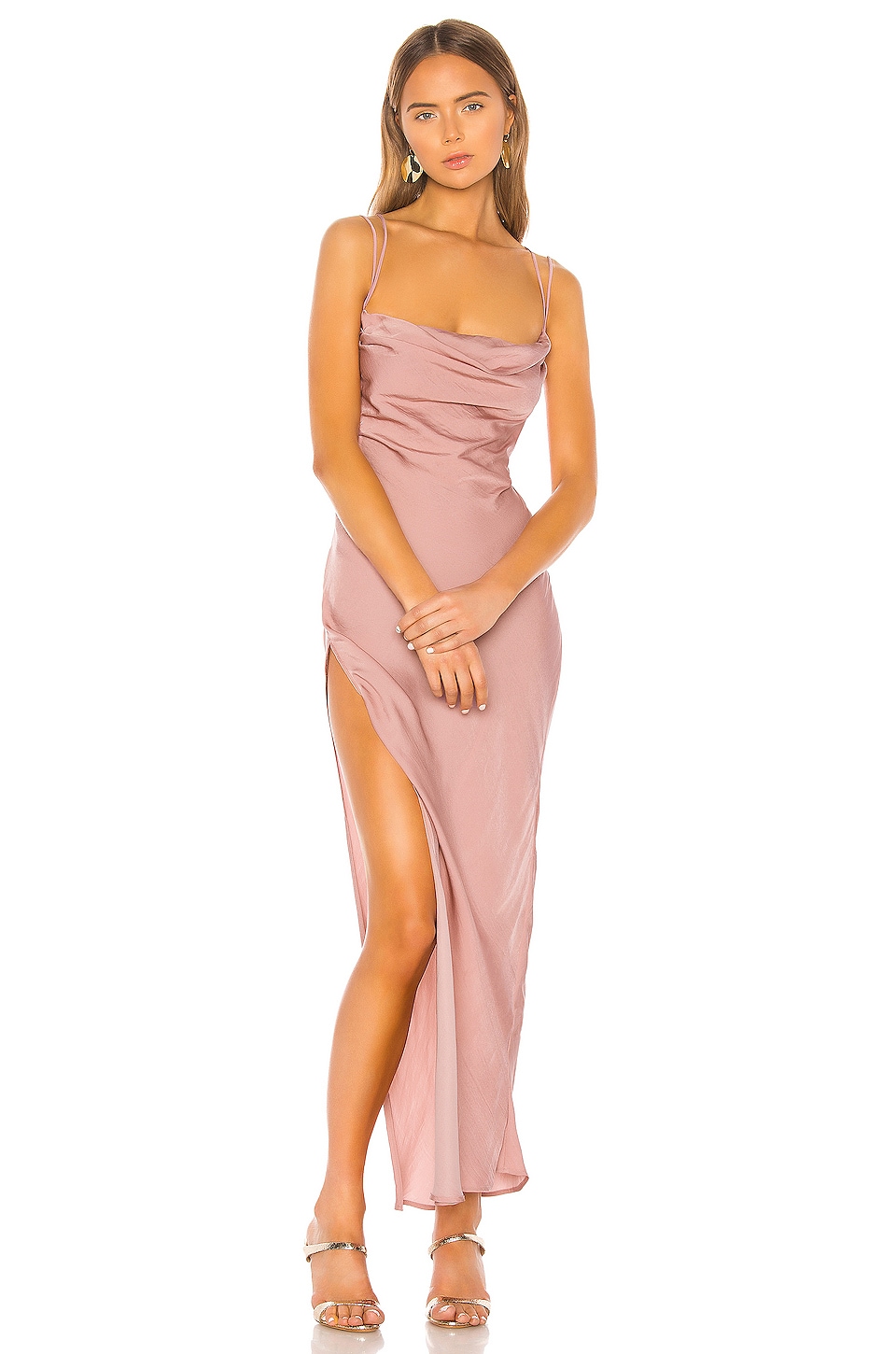
The journey to mastering a versatile wardrobe is anchored in the intelligent selection and creative use of foundational pieces. The revolve dress stands as a paradigm of this philosophy—a synthesis of thoughtful design, intelligent materials, and styling potential. It challenges the notion that we need more to be more stylish, proposing instead that we need better, and that we wear it smarter. It is a celebration of efficiency without sacrifice, of simplicity that contains multitudes. In embracing this approach, you don’t just fill your closet; you curate a toolkit for the multifaceted reality of modern life, where every day demands a different version of you, and your dress is ready to adapt.