

Mastering the Art of Shift Dresses for Every Season
The shift dress is not merely a garment; it is a sartorial chameleon, a foundational piece that transcends fleeting trends. Its genius lies in its architectural simplicity—a straight cut that hangs from the shoulders, forgiving and flattering in equal measure. To master it is to unlock a year-round wardrobe of effortless elegance, where the dress itself becomes a canvas for personal expression across the shifting moods of spring, summer, autumn, and winter. This mastery involves understanding fabric, silhouette, layering, and the psychological interplay between clothing and environment. We move beyond simply wearing a dress; we engage in the art of contextual dressing, where a single, versatile form is adapted to meet the demands of climate, occasion, and personal style with intelligence and panache.
The Architectural Foundation: Understanding the Shift Silhouette
Before we delve into seasonal transformations, we must first appreciate the object itself. The shift dress is defined by its relatively straight, up-and-down line, typically lacking a defined waist seam. Its origins are often traced to the 1920s flapper era, a symbol of liberation from restrictive corsetry, championed by designers like Coco Chanel who advocated for comfort and mobility. As fashion historian Valerie Steele notes in her work for The Museum at the Fashion Institute of Technology, this silhouette represented a profound social shift towards modernity for women. The objective, scientific appeal of this design is rooted in its versatility. It creates a clean, geometric shape that can visually streamline the body. From a materials perspective, the cut minimizes fabric waste and stress points, contributing to garment longevity. This foundational simplicity is its greatest strength; it provides a neutral starting point, a “blank slate” upon which texture, color, pattern, and layer can be applied. Whether crafted from crisp cotton, fluid silk, or sturdy wool, the basic architecture remains constant, making the shift dress a reliable and repeatable variable in the complex equation of personal style.
Spring: The Awakening of Texture and Pattern
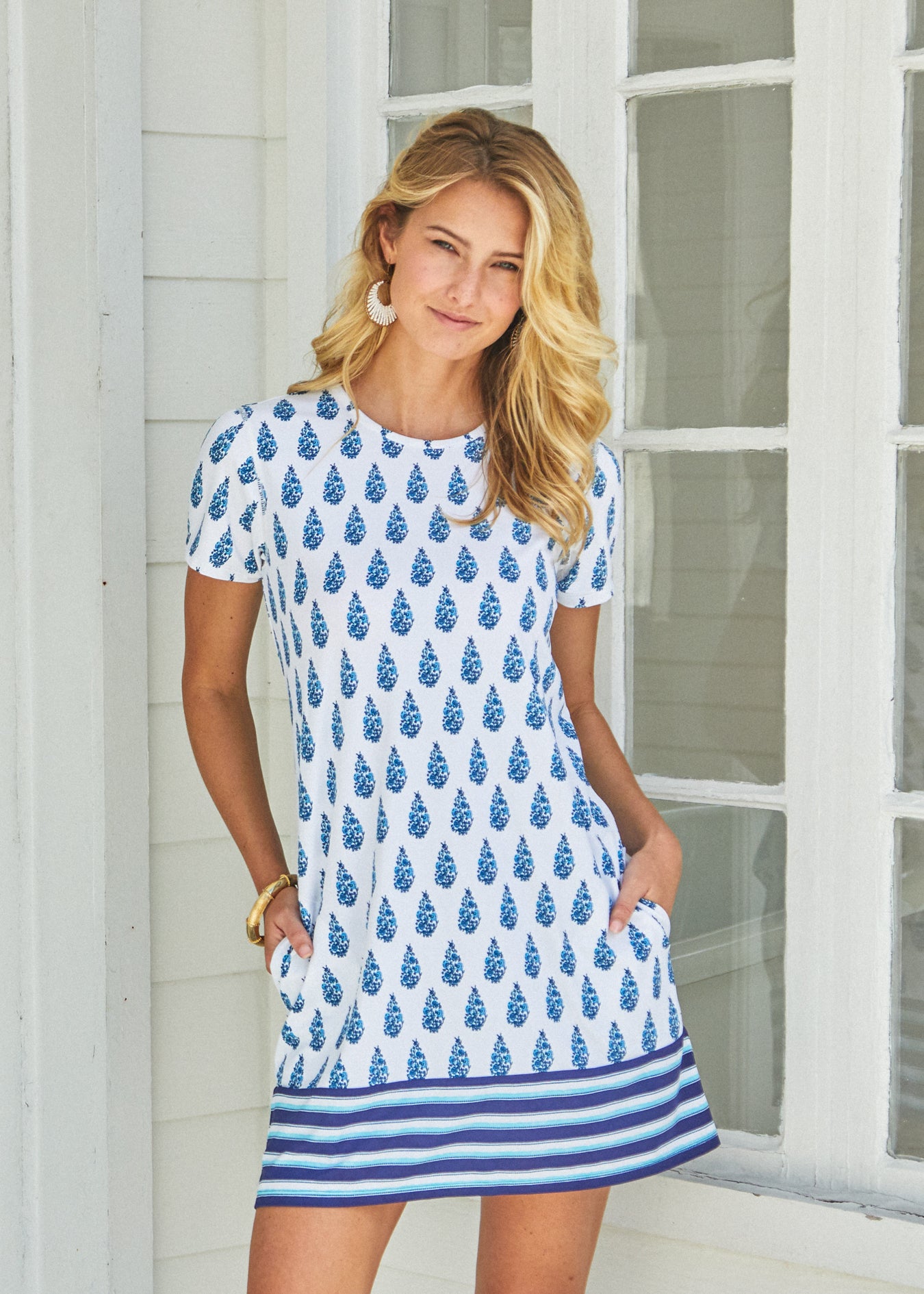
As the world thaws and blooms, your approach to the shift should mirror this renewal. Spring is the season for experimentation within a framework of lightness. The objective here is to bridge the gap between winter’s warmth and summer’s bareness. Scientifically, this involves managing microclimates—the unpredictable shifts between cool mornings and warm afternoons. A mid-weight cotton or linen-blend shift dress is ideal, as these natural fibers offer breathability while providing modest insulation. This is the time to introduce pattern; botanical prints, derived from scientific illustration archives or artistic movements like Art Nouveau, connect the wearer to the season’s essence. Consider the words of iconic designer Diane von Fürstenberg: “Style is something each of us already has, all we need to do is find it.” Finding your spring style might mean choosing a shift with an abstract floral print. Layering is key. A tailored denim jacket or a lightweight, unstructured blazer adds a strategic layer that can be easily removed. The visual effect is one of intelligent preparation, a nod to the season’s transitional nature. Footwear shifts from boots to sleek loafers or low-block heels, completing an ensemble that is both polished and perfectly attuned to the capricious spring climate.

Summer: The Zenith of Minimalism and Breathability
Summer demands a strategy centered on thermodynamics and comfort. The goal is to remain cool, both physically and aesthetically, under the sun’s intensity. Here, the shift dress reaches its purest form. Fabric choice becomes a scientific imperative. Opt for high-grade, breathable materials like pure linen, which wicks moisture, or lightweight cotton poplin. Silk, while luxurious, can be a practical choice for its temperature-regulating properties. The silhouette should be allowed to breathe; look for designs with slight A-line tendencies or subtle pleating that creates air channels. Color theory comes into play: lighter hues reflect sunlight, while darker ones absorb it. A crisp white shift is not just a cliché; it is a scientifically sound choice for heat reflection. As the minimalist architect Ludwig Mies van der Rohe famously proclaimed, “Less is more.” This philosophy is perfectly embodied in the summer shift. Accessories should be minimal—perhaps a wide-brimmed hat for UV protection, echoing practical advice from dermatological sources, and simple sandals. The resulting look is one of effortless cool, where the dress functions almost as ideal summer attire, prioritizing personal comfort and presenting a clean, uncluttered visual statement against the vibrant backdrop of the season.
Autumn: The Art of Strategic Layering and Weight
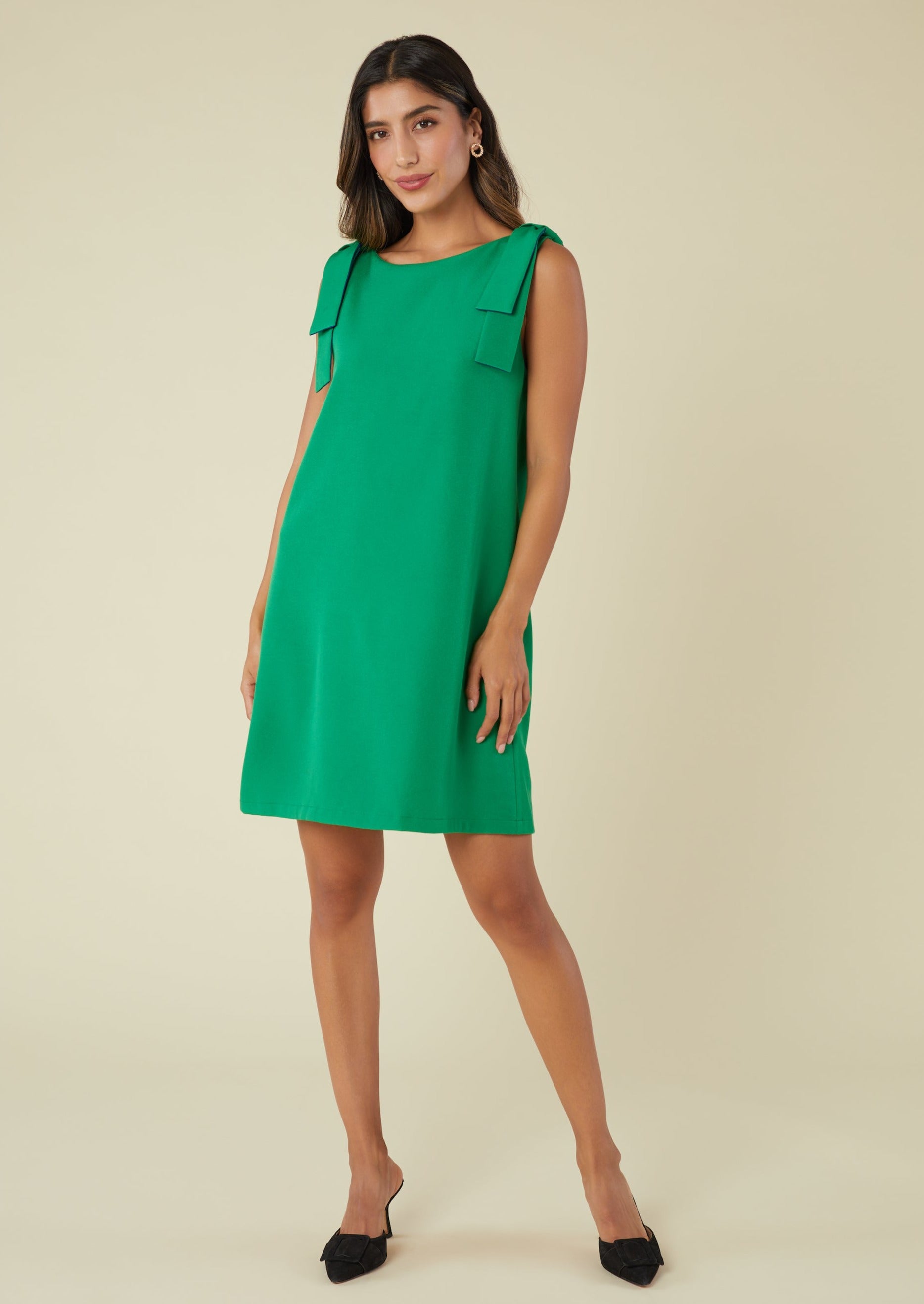
Autumn is the most nuanced season for the shift dress connoisseur, a time for building depth and richness. The scientific principle at work is insulation through layering, trapping warm air between garments. The foundational shift here evolves in substance. Think of fabrics with inherent warmth and tactile appeal: fine-gauge merino wool, thick cotton jersey, or velvety corduroy. The shift becomes an anchor layer. The artistry is in what you add. A turtleneck sweater worn underneath transforms the dress into a pinafore, a trick seen on fashion platforms from Vogue to street-style blogs. A leather moto jacket thrown over the shoulders adds an edge and significant warmth. This approach aligns with the “capsule wardrobe” philosophy endorsed by sustainability advocates, where a few core pieces generate countless outfits. As author and style consultant Jennifer L. Scott advises in her “Madame Chic” books, investing in quality foundational pieces allows for creative expression. An autumn shift in a jewel tone like emerald or burgundy, paired with tights and ankle boots, creates a look that is both sophisticated and seasonally appropriate. It’s a masterful balance, where the simple dress is no longer simple but the central component in a complex, cohesive, and warm ensemble.
Winter: Defying the Cold with Structure and Insulation
Mastering the shift dress in winter is the ultimate test, proving its true year-round versatility. The challenge is thermodynamic: maintaining core body heat without sacrificing style. This requires a shift in both fabric and conception. Seek out structured shift dresses in heavy wool blends, melton wool, or even lightweight technical fleece-lined materials. The silhouette can afford to be slightly more defined or boxy to accommodate underlying layers. Layering becomes non-negotiable and systematic. Start with thermal base layers, a technique borrowed from mountaineering and outdoor sports science. Add the dress, and then insulate with a chunky knit cardigan or a sleek, padded gilet. The final barrier is a tailored wool coat or a long-line puffer jacket. The visual success of this approach lies in proportion and texture play. A mid-calf shift dress worn over sleek knee-high boots creates a continuous, wind-breaking line. This method demonstrates that winter dressing is not about hibernation in bulky clothing, but about intelligent assembly. As style icon Iris Apfel has often demonstrated, bold accessories like a substantial necklace or statement gloves over the sleeves can add a focal point, proving that even in the deepest cold, personal flair need not be frozen out.
The Professional Edge and Accessible Elegance
Mastering this art brings two concrete, valuable rewards: a heightened professional image and smart financial savvy. A well-chosen shift dress is a powerhouse in professional settings. Its clean lines project competence, organization, and confidence—traits highlighted in studies on non-verbal communication in workplaces, such as those referenced by researchers at Harvard Business School. It eliminates the “what to wear” dilemma, providing a reliable uniform that can be adapted from a client meeting (paired with a blazer) to a casual Friday (with a sweater and sneakers). Furthermore, this mastery is economically sound. By investing in two or three high-quality shift dresses in neutral colors, you create a capsule that generates dozens of looks through seasonal accessories and layers, reducing the need for constant new purchases. Many reputable retailers offer these wardrobe staples at accessible price points, especially during seasonal sales. For instance, a classic black wool shift might retail for a certain price, but with strategic shopping during promotional events, you can acquire such a pivotal piece at a significant discount, making timeless elegance an attainable goal rather than a luxury.
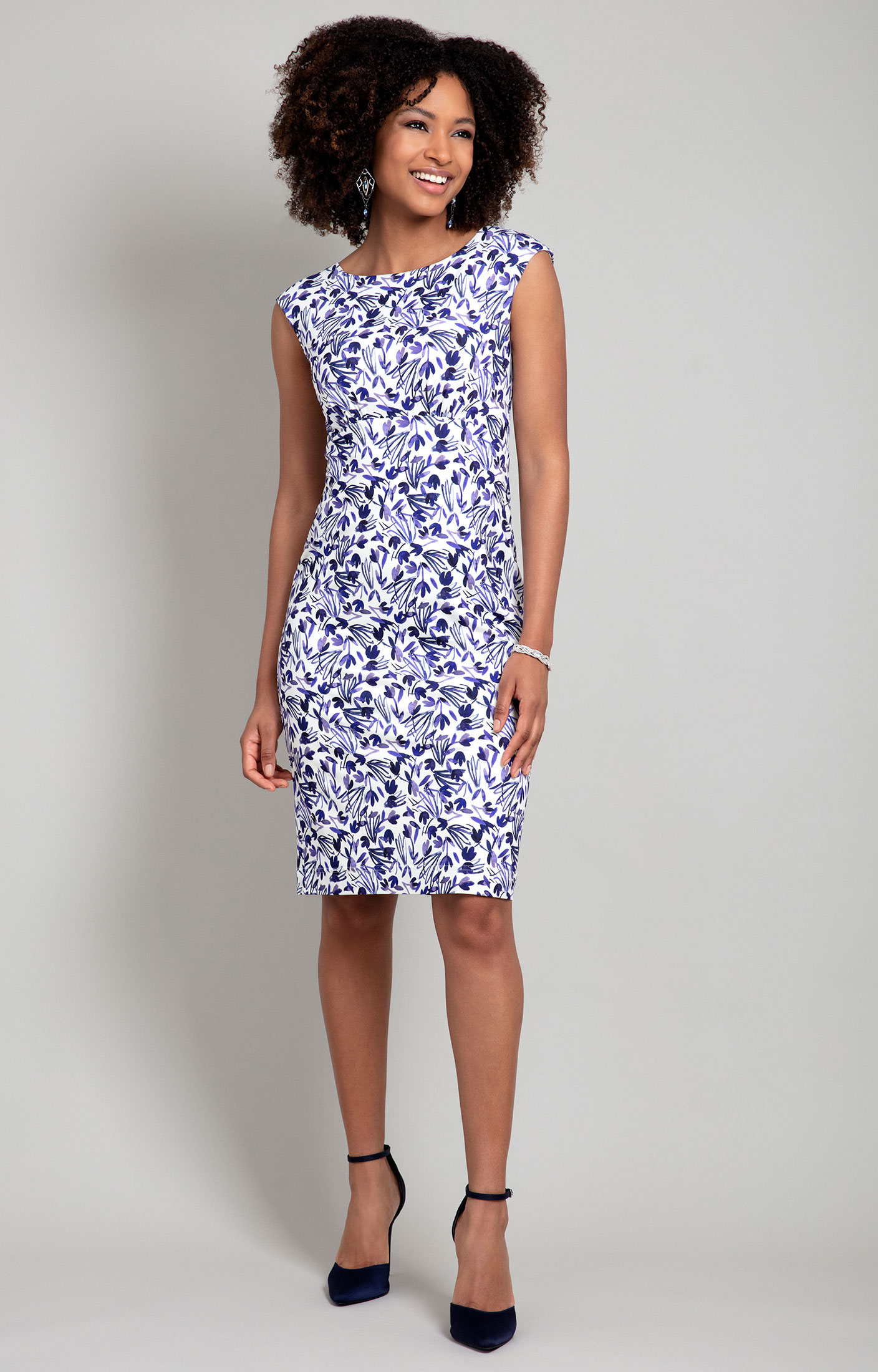
The journey through the seasons with a shift dress reveals it to be far more than a simple item of clothing. It is a tool for self-expression, a lesson in material science, and a testament to strategic design. From the budding patterns of spring to the insulated layers of winter, the dress adapts, perseveres, and consistently delivers elegance. Mastering it means embracing its simplicity as a strength and using knowledge—of fabric, of layering, of color—to build a dynamic, intelligent, and deeply personal wardrobe. The true art lies not in following rigid rules, but in understanding the principles that allow this singular silhouette to become a perfect, personal response to every day of the year.