

Mastering Semi-Formal Dresses for Every Occasion
Navigating the world of event attire often leads us to the versatile yet sometimes ambiguous realm of semi-formal dresses. This dress code, a bridge between casual daywear and formal evening gowns, holds the key to looking impeccably appropriate for a vast array of events. It’s not about rigid rules, but about understanding a sartorial language that balances elegance with comfort, personality with propriety. The mastery of the semi-formal dress lies in recognizing its fluidity—its ability to adapt to a garden party, a cocktail hour, a daytime wedding, or a sophisticated dinner. This guide moves beyond simple definitions, delving into the objective characteristics, historical context, and practical science of selecting the perfect piece, ensuring you feel confident and captivating wherever the occasion takes you.
The Anatomy of a Semi-Formal Dress: Decoding the Dress Code
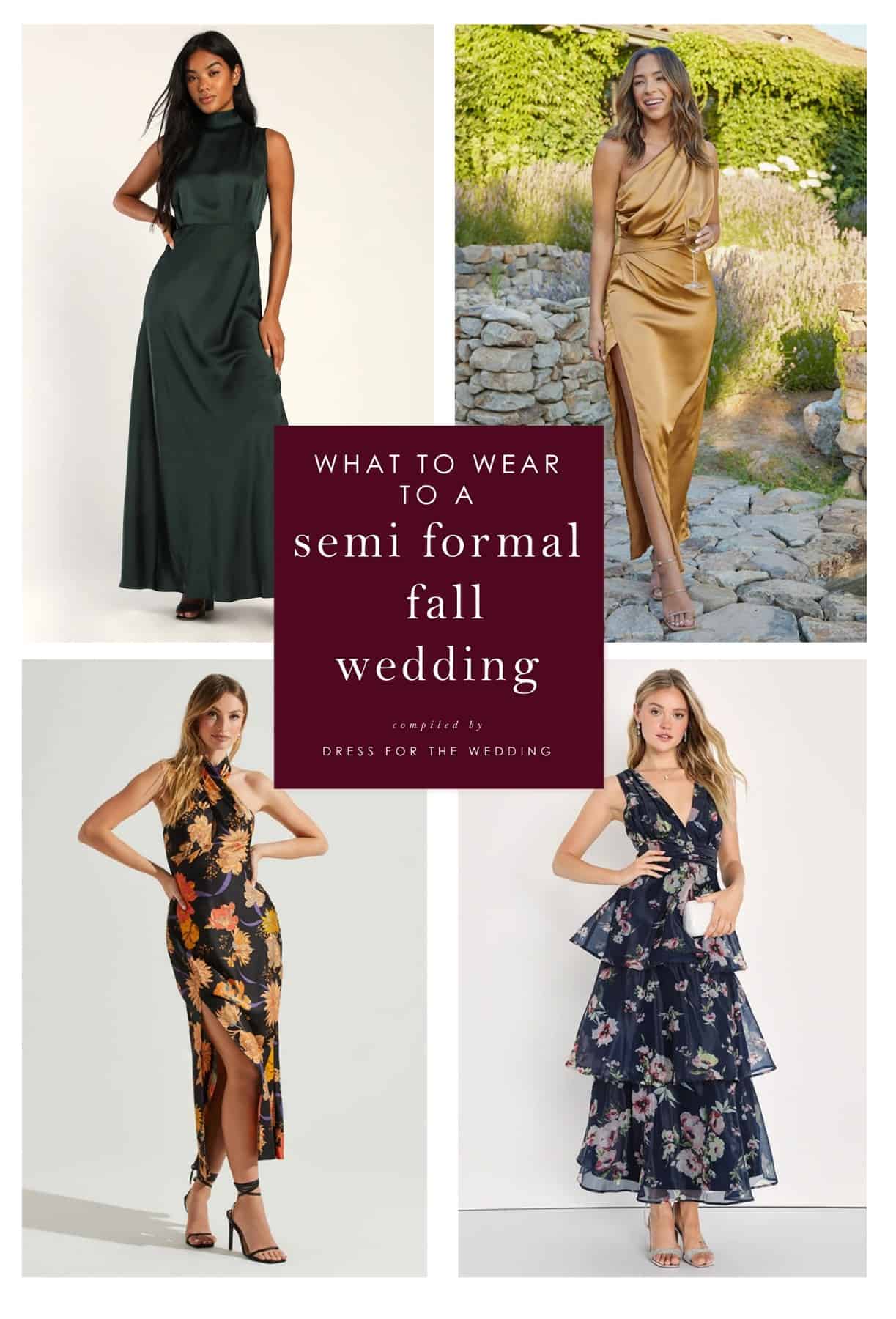
To master the semi-formal dress, one must first dissect its fundamental components. Objectively, semi-formal, often used interchangeably with “cocktail attire” in evening contexts, occupies a specific niche. According to sartorial scholars and fashion institutions like the Fashion Institute of Technology, semi-formal for women typically implies a knee-length or tea-length dress, though sophisticated jumpsuits or elegant separates can also qualify. The fabrics elevate beyond everyday cottons; think chiffon, silk, satin, lace, or high-quality crepe. The silhouette can range from a sleek sheath to an A-line skirt, but it generally avoids the extreme volume of a ball gown or the brevity of a minidress. As style icon Audrey Hepburn once demonstrated, simplicity cut from luxurious fabric often defines this category. The color palette is expansive, moving beyond the neutrals of strict business formal to embrace jewel tones, pastels, and even tasteful patterns. The key scientific principle here is contextual appropriateness. A study from the University of Hertfordshire on non-verbal communication highlights that clothing significantly impacts first impressions and perceived credibility. A well-chosen semi-formal dress communicates respect for the event and its hosts, aligning your external presentation with the social expectations of the gathering without sacrificing personal style.
From Day to Night: The Occasion Spectrum
The true test of a semi-formal dress is its adaptability across the timeline of a day. For daytime events such as a brunch wedding, a christening, or a gallery opening, the approach leans toward lighter fabrics and colors. A dress in a floral print made of silk georgette or a linen-blend shift dress would be exemplary. The coverage is often slightly more conservative, with sleeves or higher necklines being common. As the sun sets, the semi-formal dress transforms. Cocktail parties, evening wedding receptions, and anniversary dinners call for darker hues, richer textures, and more embellishment. A little black dress, a concept famously championed by Coco Chanel and later epitomized by designers like Hubert de Givenchy for Audrey Hepburn, is the quintessential evening semi-formal piece. The length may remain similar, but the details—be it sequins, metallic thread, or a daring cut-out—become more pronounced. This dichotomy is supported by cultural anthropologists like Dr. Jennifer Baumgartner, who notes that clothing rituals are deeply tied to time-based social codes. Understanding this spectrum allows you to select a dress that not only fits the formality but also harmonizes with the ambient lighting and energy of the event, whether it’s under the soft morning light or the glitter of chandeliers.

The Science of Silhouette and Fit: Dressing for Your Form
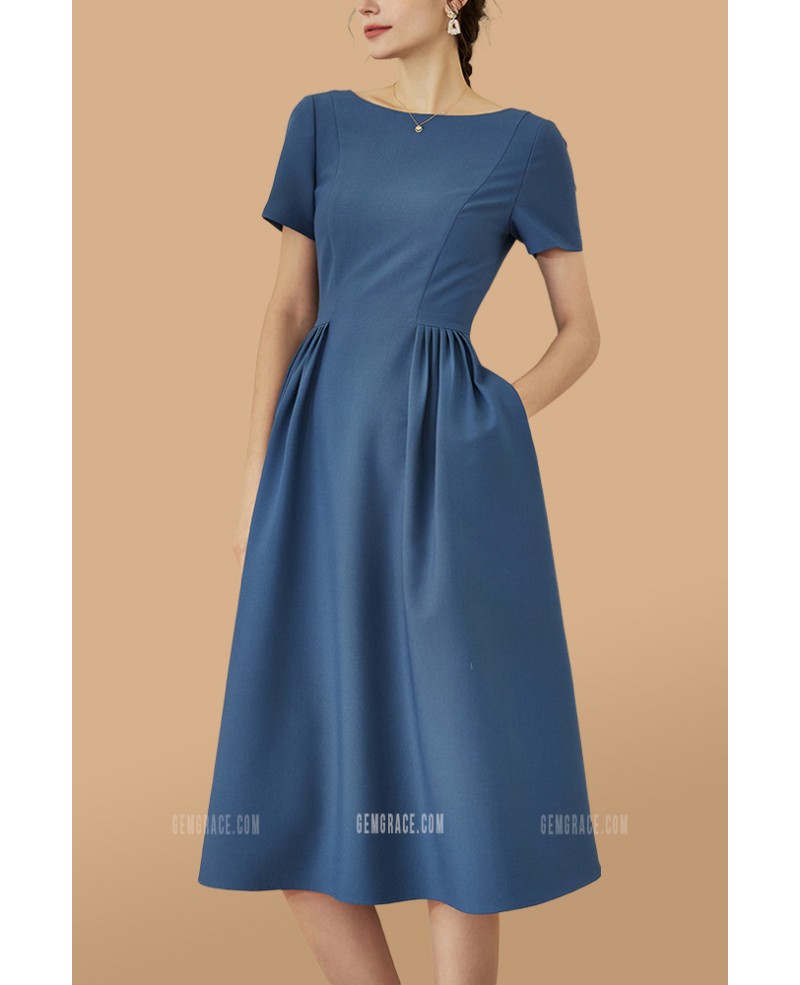
Beyond the occasion, the most critical factor in mastering your attire is understanding the relationship between dress silhouette and your unique body geometry. This isn’t about chasing trends, but about applying principles of visual proportion. Fashion theory, often taught in programs at institutions like Parsons School of Design, emphasizes balancing the body’s natural lines. For instance, an A-line dress, which cinches at the waist and flares out, is universally flattering as it creates an hourglass illusion. A sheath dress celebrates a streamlined figure, while an empire waist can elegantly accommodate or disguise the midsection. The objective is to highlight your assets and create a harmonious line from shoulder to hem. The fit is paramount; a well-tailored semi-formal dress in a size 10 will always look more expensive and elegant than an ill-fitting size 6. As renowned costume designer Edith Head famously stated, “Your clothes should be tight enough to show you’re a woman, but loose enough to show you’re a lady.” This encapsulates the semi-formal balance—hinting at shape without being overt. Investing time in understanding your measurements and preferred silhouettes transforms the shopping experience from guesswork into a strategic, and ultimately more satisfying, endeavor.

Building a Versatile Semi-Formal Wardrobe
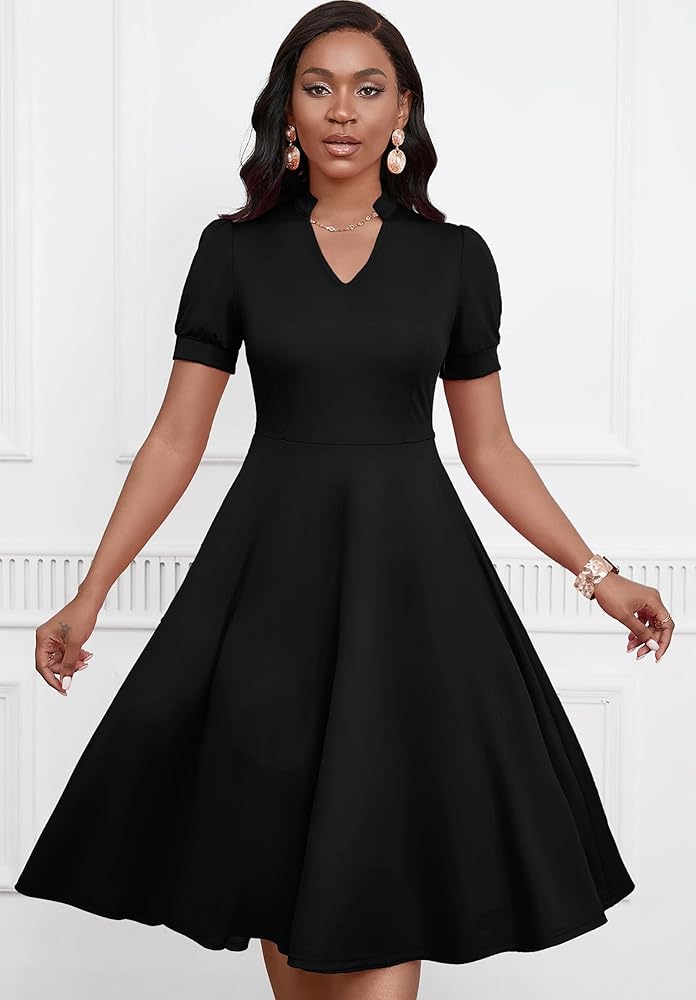
Cultivating a capsule collection of semi-formal pieces is a more intelligent and economical approach than purchasing a new dress for every event. Start with foundational elements. The first pillar is the timeless Little Black Dress (LBD). As documented in sources from Vogue to Wikipedia, the LBD’s rise to ubiquity in the 20th century cemented its status as the ultimate blank canvas for accessories, suitable for almost any semi-formal evening scenario. The second pillar is a high-quality dress in a neutral tone like navy, burgundy, or emerald green—colors that project sophistication and are endlessly reusable. The third could be a dress with a versatile print, such as a subtle polka dot or a classic stripe, which adds personality while remaining appropriate. The principle here is maximizing cost-per-wear, a core tenet of sustainable and savvy fashion consumption advocated by experts from platforms like The Good Trade. By selecting dresses in complementary colors and styles, you can mix and match accessories—a statement necklace, a silk scarf, different heels—to create multiple distinct looks from a few core garments. This strategy not only saves money but also encourages a more mindful and creative relationship with your wardrobe.
Accessorizing with Intent: The Finishing Science
The transformation of a simple semi-formal dress into a complete, polished look is governed by the science of accessorizing. This stage is where personal style shines, but it follows the principle of not letting accessories compete with the dress. If your dress is heavily embellished, opt for minimalist jewelry. A sleek sheath dress provides the perfect backdrop for bold, architectural earrings or a chunky bracelet. The psychology of color coordination, as explained by the Pantone Color Institute, plays a role here: analogous color schemes (colors next to each other on the wheel) create harmony, while a complementary pop of color (opposites on the wheel) creates dynamic energy. Footwear is non-negotiable; a closed-toe pump or a sophisticated sandal in a neutral metallic (gold, silver, nude) offers the most versatility. The handbag should be elegant and compact—a clutch or a small structured bag. As fashion influencer and author Brittany Bathgate often notes on her platforms, the goal is a cohesive head-to-toe narrative. Every element, from your earrings to your shoes, should feel like a deliberate part of the same story, elevating the dress without overwhelming it.
Smart Shopping: Merging Professional Knowledge with Value
Armed with knowledge of silhouettes, occasions, and wardrobe strategy, the final step is acquisition. The modern shopper has the advantage of accessing both professional stylist insights and competitive pricing. Begin your search by identifying retailers known for quality construction in this category—brands that use natural fibers and offer consistent sizing. Utilize the detailed filters on e-commerce sites to narrow searches by length, sleeve style, and fabric, turning a vast catalog into a curated selection. Crucially, take advantage of technology: many sites now offer virtual try-on tools or have robust review sections with customer photos, providing real-world data on fit and drape. To secure discounted prices without sacrificing quality, adopt the tactics of fashion insiders: shop end-of-season sales for timeless pieces, subscribe to newsletters for first-access promotions, and consider reputable pre-owned luxury platforms for designer finds. Remember, the true value of a semi-formal dress isn’t its price tag, but its ability to make you feel assured and appropriate across multiple events. Investing in a well-made piece on sale is a far wiser financial decision than purchasing a trendy, poorly constructed item at full price.
The Confidence Factor: The Ultimate Accessory
Ultimately, the most powerful element you wear with any semi-formal dress is confidence. This isn’t a mere platitude; it’s supported by social science. Research from Harvard Business School and Kellogg School of Management on “enclothed cognition” demonstrates that the symbolic meaning of our clothes and the physical experience of wearing them can significantly alter our psychological processes. When you wear a dress that fits beautifully, suits the occasion, and expresses your style, it directly impacts your posture, your interaction patterns, and your self-perception. You carry yourself differently. You engage more freely. This confidence completes the outfit in a way no accessory can. It turns a beautiful dress into a powerful personal statement. As actress and style icon Lupita Nyong’o once expressed in an interview, “What I have learned is that the most beautiful thing you can wear is confidence.” Mastering semi-formal attire, therefore, is a holistic practice. It combines objective knowledge of fashion codes with subjective understanding of self, culminating in an appearance that is not just seen, but felt—from the inside out.
The journey to mastering semi-formal dresses is an exercise in informed elegance. It’s about moving past confusion and embracing a category defined by its intelligent flexibility. By understanding its anatomy, respecting the occasion spectrum, applying the science of fit, building a strategic wardrobe, and shopping with acumen, you equip yourself with more than just clothing—you gain a tool for self-expression and social ease. The perfect semi-formal dress awaits not as a one-time solution, but as a trusted component of your personal style arsenal, ready to deliver confidence and poise for every invitation that comes your way.