

Mastering Semi-Formal Dresses for Every Occasion
Navigating the world of event attire can feel like deciphering an ancient code. “Semi-formal” often appears on invitations, leaving many scrambling to understand its precise meaning. It’s a sartorial sweet spot—more polished than casual wear yet less rigid than full black-tie. This guide demystifies the semi-formal dress, transforming it from a source of anxiety into your greatest wardrobe asset. We’ll move beyond vague definitions, offering a clear, actionable framework for selecting dresses that convey confidence, respect for the occasion, and personal style. Whether it’s a wedding, a gala, or an important dinner, the right semi-formal dress is your key to feeling impeccably appropriate and authentically yourself.
Decoding the Semi-Formal Lexicon: More Than Just a Dress Code
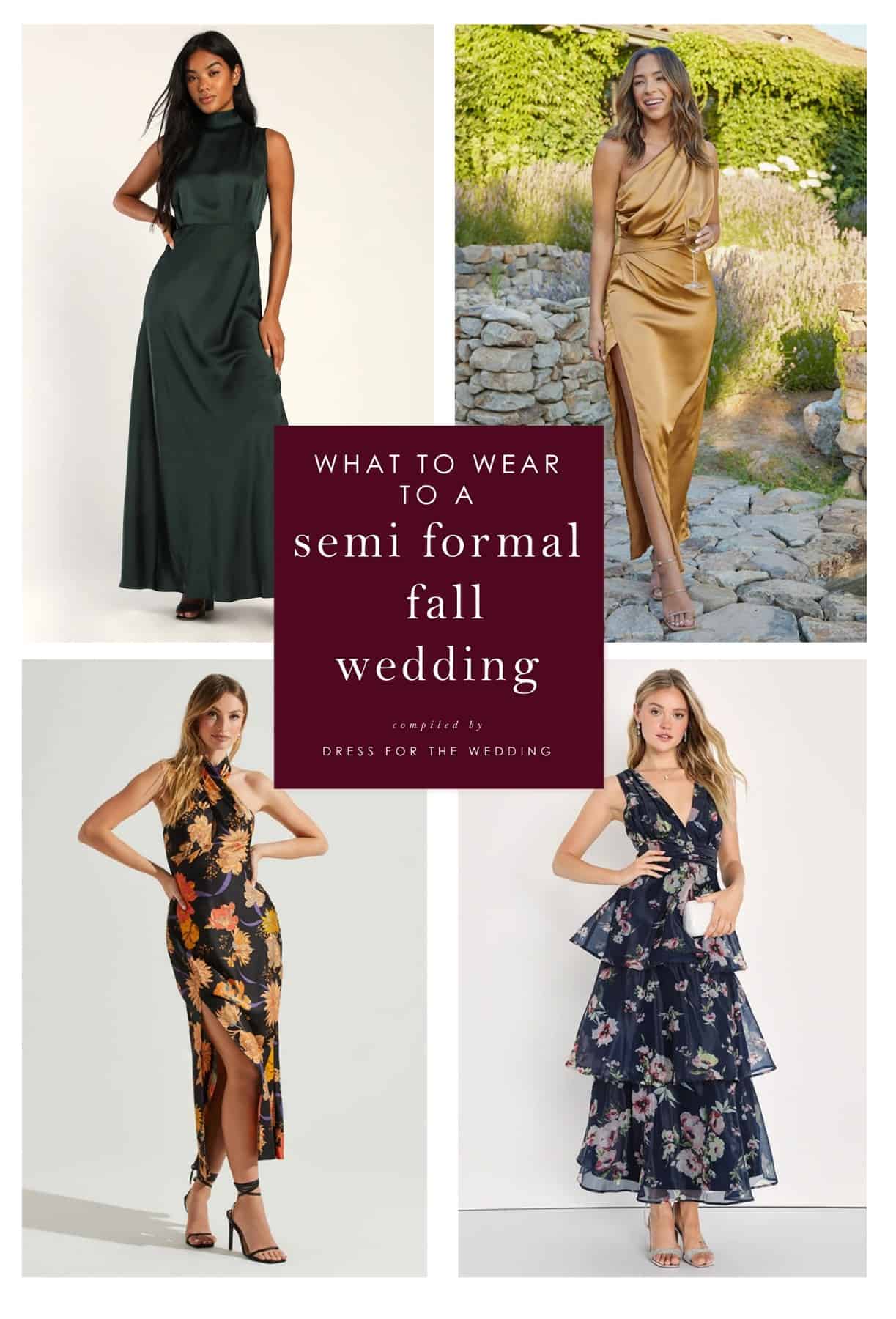
The term “semi-formal” occupies a specific niche in the hierarchy of dress codes. To wear it correctly, one must first understand its boundaries. Historically, formal wear, or “white tie,” demanded tailcoats and full-length ball gowns, while “black tie” allowed for slightly less rigid tuxedos and elegant floor-length or sophisticated knee-length gowns. Semi-formal attire, sometimes called “cocktail attire,” emerged as a post-World War II phenomenon, reflecting a desire for elegant but more accessible social dressing. As fashion historian Valerie Steele notes in her work for The Museum at the Fashion Institute of Technology, “The mid-20th century saw a democratization of style; dress codes evolved to suit new social realities, and semi-formal became the standard for evening events that were significant but not overtly ceremonial.” This is not merely casual clothing dressed up; it is a deliberate step towards refined elegance. A semi-formal dress typically implies a knee-length or tea-length hemline, though sophisticated midi dresses are now firmly within the canon. Fabrics like silk, chiffon, lace, and high-quality jerseys signal intention, while overt sequins or ultra-casual cottons are generally reserved for other codes. Understanding this lexicon is the first step to mastering its application.
The Foundation: Silhouettes and Fabrics That Define the Category
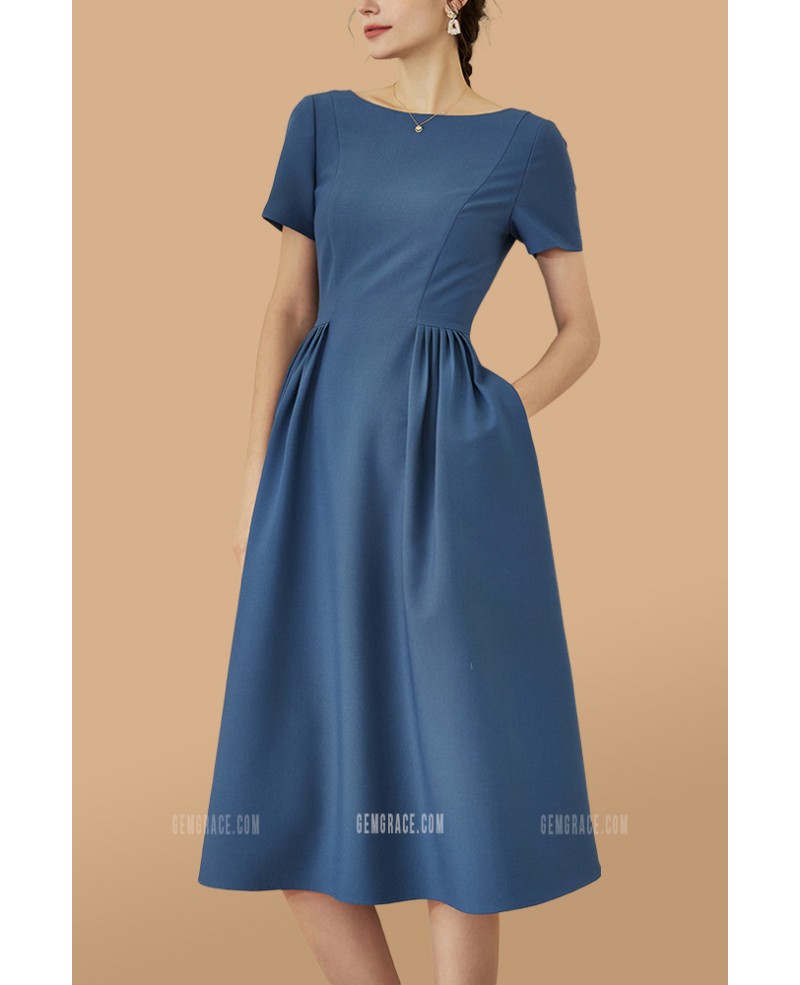
Choosing the right silhouette and fabric is the cornerstone of any successful semi-formal dress selection. The goal is to achieve balance—a look that is put-together and intentional without crossing into over-the-top formality. Classic silhouettes include the timeless sheath, which skims the body elegantly; the fit-and-flare, which emphasizes the waist before flaring out, offering a playful yet polished vibe; and the elegant wrap dress, which is universally flattering and adjustable. A-line dresses, which cinch at the waist and flow outward, are another supremely reliable choice. When considering fabric, think about the message you wish to convey. A structured crepe or double-knit jersey offers a modern, minimalist chic perfect for daytime or business-adjacent events. For evening, fabrics with subtle texture or drape, such as chiffon, satin, or velvet (in season), elevate the look instantly. As Tim Gunn, former co-host of Project Runway, often emphasized, “The fabric is the foundation. You can have a brilliant design, but if the fabric is wrong, the entire garment fails.” This principle is paramount for semi-formal wear. Avoid fabrics that are too sheer, overly casual like denim or standard cotton jersey, or excessively glittery for most semi-formal settings. The fabric must hold its shape and convey a sense of considered quality.
Occasion-Specific Mastery: From Weddings to Galas
The true test of mastering semi-formal dresses lies in adapting the core principles to specific events. A “semi-formal” directive for a summer garden wedding differs vastly from one for a winter museum gala. For a daytime or outdoor wedding, consider lighter fabrics and colors. A floral-print midi dress in chiffon or a elegant linen-blend shift can be perfect. Heel height should be practical for grass or gravel. For an evening wedding, you can embrace darker hues, richer fabrics like silk, and more embellishment. The key is to never outshine the bride; avoid solid white, ivory, or champagne that could photograph as white. For a corporate gala or charity event, lean towards sophisticated, structured pieces in solid, powerful colors like navy, emerald, or burgundy. A sleek sheath or a tailored jumpsuit can project professionalism and style. As for cocktail parties, this is where the “cocktail attire” synonym shines—you have more freedom to be fashion-forward, experiment with bold colors, interesting cutouts, or statement sleeves. Always cross-reference the dress code with the venue and time of day. A semi-formal event at a five-star hotel inherently demands a different approach than one at a trendy downtown loft.
The Power of Accessories and Footwear: Completing the Narrative
A semi-formal dress provides the canvas, but accessories and footwear are the brushstrokes that complete the masterpiece. The golden rule here is intentional curation, not accumulation. Choose one or two focal points. If your dress is simple and sleek, this is the opportunity for bold jewelry—a chunky necklace or dramatic earrings. If the dress itself has intricate detailing or a loud print, opt for minimalist, delicate jewelry. A classic clutch in a complementary or metallic shade is a more elegant choice than a everyday handbag. Regarding footwear, closed-toe pumps or elegant sandals (depending on season and formality) are the standard. As style icon Iris Apfel famously quipped, “More is more and less is a bore,” but she also advocated for coherence. Your shoes should not only match your dress in style but also allow you to move and socialize with ease. A blister from impractical shoes can ruin the most beautiful ensemble. Consider the overall silhouette: a pointed-toe pump elongates the leg, while a delicate strappy sandal pairs beautifully with a flowing hemline. These finishing touches are not afterthoughts; they are integral components that signal a fully realized, respectful adherence to the dress code.
Building a Cost-Effective Semi-Formal Wardrobe: Smart Shopping Strategies
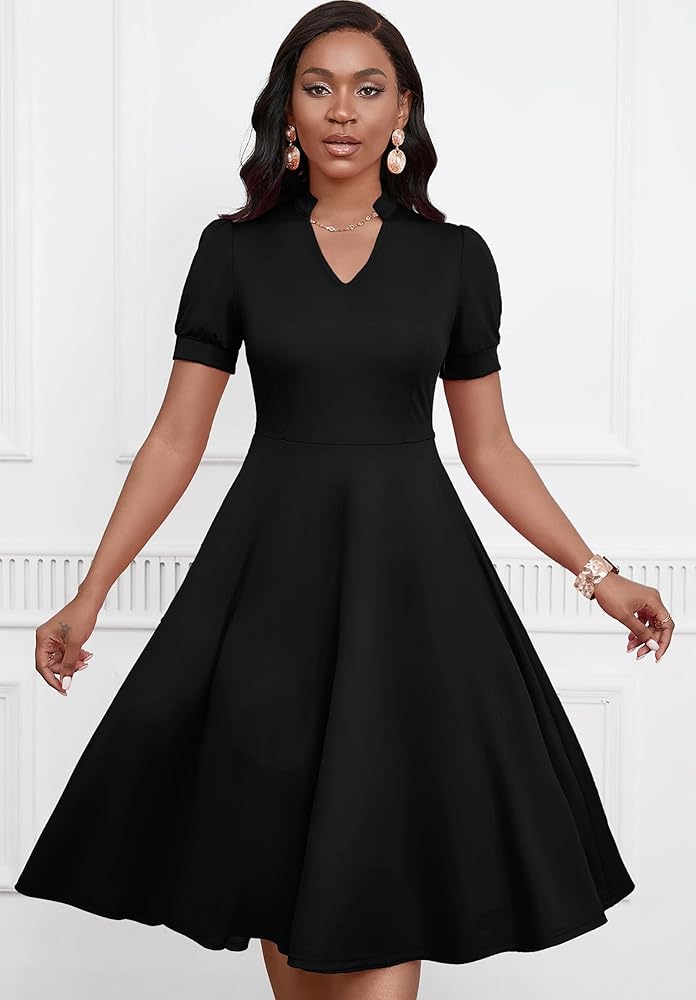
Looking impeccable shouldn’t require a limitless budget. Building a versatile rotation of semi-formal dresses is an exercise in strategic investment. Start with a “capsule” approach. Identify one or two neutral-colored dresses in flawless silhouettes—perhaps a little black dress in crepe and a navy wrap dress. These can be accessorized in countless ways for different events. Next, look for sales at reputable retailers known for quality workmanship. End-of-season sales are perfect for acquiring timeless pieces in classic fabrics. Additionally, consider rental services for one-off events where you want to wear a designer piece without the commitment. As the Harvard Business Review has discussed in articles on consumer psychology, “The value of a garment is tied to its cost-per-wear.” A $300 dress worn ten times is a smarter investment than a $100 dress worn once. Focus on quality over quantity. Check seams, lining, and fabric weight. A well-made dress will not only look better but will last for seasons, ultimately saving you money. Don’t overlook the power of tailoring; a $50 alteration can make a $100 dress look like a million bucks, ensuring a perfect, confident fit.

The art of the semi-formal dress is, ultimately, the art of contextual elegance. It is about reading an invitation, understanding the social and environmental landscape of an event, and selecting an ensemble that speaks to both respect and self-expression. It moves beyond mere fashion into the realm of social intelligence. By internalizing the principles of appropriate silhouette, fabric, and occasion-specific adaptation, and by completing the look with thoughtful accessories and smart shopping habits, you transform the dress code from a constraint into a platform for confidence. You arrive not just dressed, but dressed appropriately, ready to engage with the event and its attendees from a place of assured poise. That is the true mastery—when the dress feels like a natural extension of your presence, perfectly suited for the moment.