

Styling Your Revolve Dress for Every Occasion
In the landscape of contemporary fashion, few garments offer the transformative versatility of a well-chosen revolve dress. It is not merely an item of clothing but a sartorial chameleon, capable of adapting its character to the demands of diverse settings—from the sun-drenched ease of a weekend brunch to the sophisticated murmur of a gallery opening. The true artistry lies not in the acquisition of the dress itself, but in the creative intelligence applied to its styling. This exploration moves beyond the simplistic notion of a “little black dress” and delves into the strategic deployment of accessories, layers, and attitude to unlock the multifaceted potential within a single, pivotal piece. We will navigate through objective principles of color theory, silhouette, and cultural dress codes, supported by a tapestry of references from authoritative voices in design, psychology, and popular culture, to equip you with the knowledge to command every room you enter.
The Architectural Foundation: Understanding Your Revolve Dress Silhouette
Before a single accessory is considered, one must engage in a dispassionate analysis of the dress’s inherent architecture. The term “silhouette” in fashion refers to the overall shape or outline of a garment as it hangs on the body. As noted by the Fashion Institute of Technology’s curriculum, silhouette is the primary visual cue that defines a garment’s style period and its intended aesthetic impact. A revolve dress might come in a body-con fit-and-flare, a flowing bohemian maxi, a structured shift, or a playful wrap style. Each carries its own narrative. The fit-and-flare, for instance, inherently balances precision with movement, a duality famously celebrated by designers like Christian Dior in his post-war “New Look,” which emphasized a cinched waist and a full skirt as a symbol of renewed femininity and optimism. Conversely, a minimalist shift dress channels the philosophy of modernist architect Ludwig Mies van der Rohe’s “less is more,” where the power is in clean lines and the absence of superfluous detail. Your first task is to diagnose this silhouette. Is it creating drama through volume, or through restraint? This foundational understanding dictates every subsequent styling decision, ensuring additions complement rather than compete with the dress’s core statement.
Occasion Alchemy: Transforming Day into Night
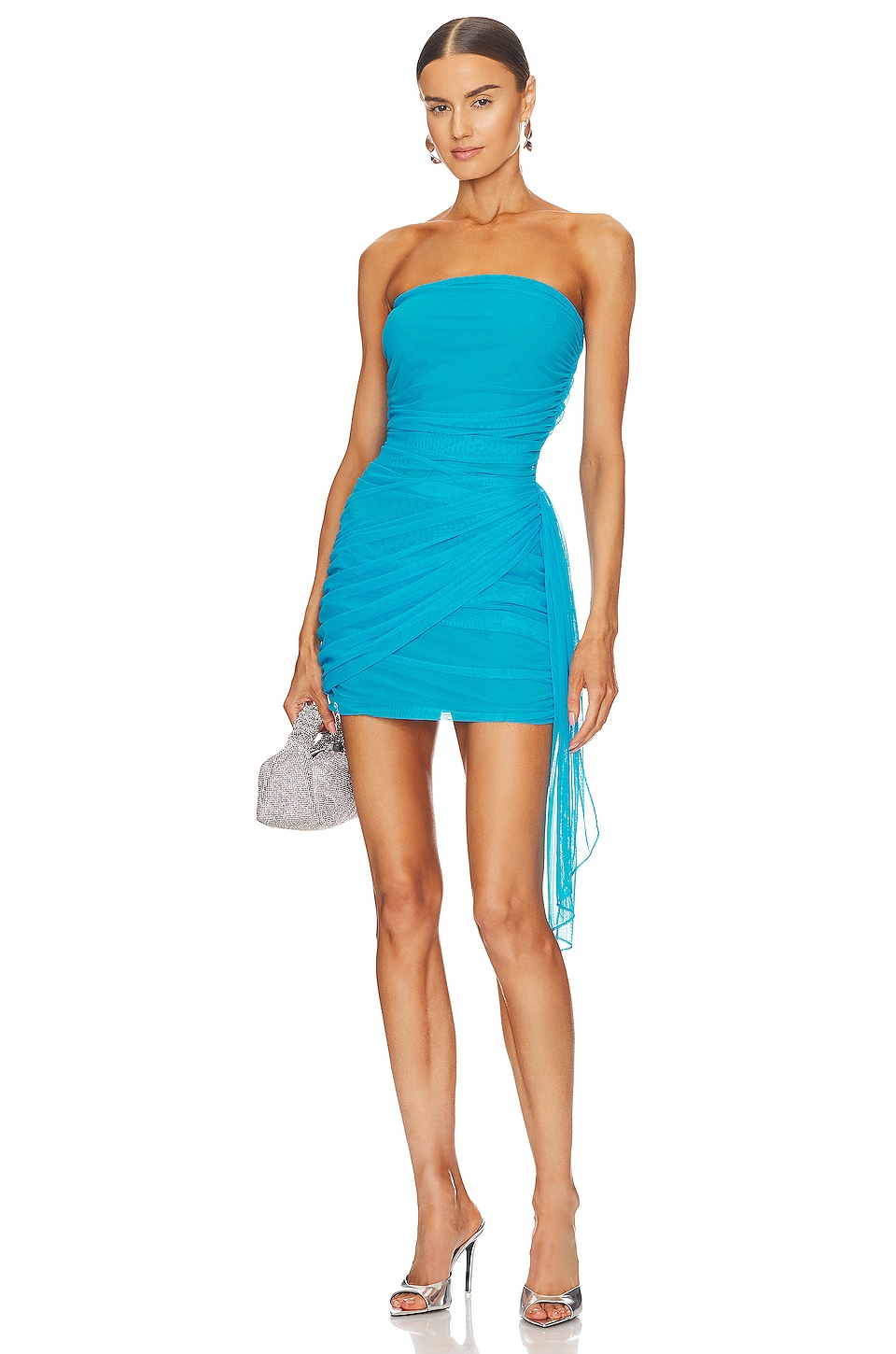
The most common sartorial challenge is the seamless transition from daytime professionalism or casualness to evening allure. This is where the revolve dress proves its mettle. The transformation hinges on a calculated shift in three key areas: texture, shine, and complexity. A sleek, knee-length sheath dress in a neutral wool crepe is a daytime powerhouse. For evening, the psychological principle of “enclothed cognition”—studied by researchers like Hajo Adam and Adam D. Galinsky, which suggests clothing can influence the wearer’s psychological processes—can be harnessed. Introduce texture through a faux fur stole or a metallic mesh blazer. Swap practical ballet flats for heels with a lustrous patent leather or satin finish; the reflective quality immediately signals “evening.” Jewelry undergoes a metamorphosis: delicate daytime studs are replaced with statement earrings or a layered necklace set. As fashion commentator and author Vanessa Friedman of The New York Times often observes, evening dressing is about a point of view, a deliberate editing. The goal is not to add everything, but to add the right one or two elements that radically recalibrate the dress’s energy from efficient to enchanting.
The Power of the Third Piece and Color Psychology
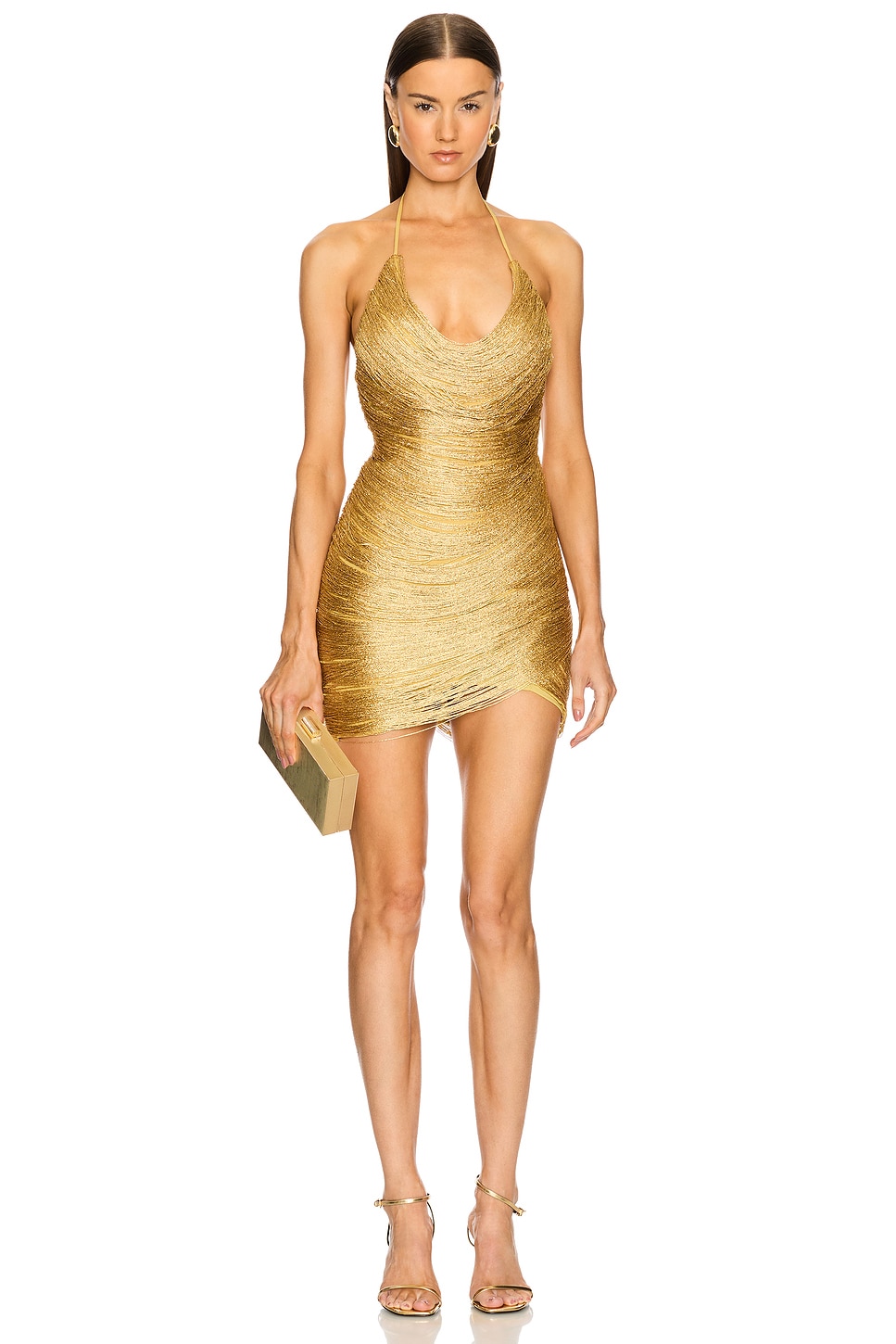
Styling wisdom often cites the “third piece” rule—the idea that an outfit becomes complete and interesting with the addition of a key item beyond the basic dress and shoes. This could be a jacket, a bold scarf, a hat, or an exceptional bag. The science behind this lies in visual complexity and personal expression. Furthermore, the strategic use of color through these pieces is profound. Color psychology, as explored in resources from institutions like the Pantone Color Institute and in writings such as Eva Heller’s “Color Psychology,” provides a non-verbal vocabulary. Styling a vibrant floral revolve dress for a garden party? Anchor it with a neutral-toned wide-brimmed hat and woven bag to prevent the look from becoming overwhelming. Conversely, a simple black slip dress can be utterly transformed by a blazer in a powerful, saturated hue like emerald green or cobalt blue—colors often associated with confidence, stability, and intelligence. This approach aligns with the cinematic costuming genius of Patricia Field in “Sex and the City,” where character identities were built through fearless accessory and color choices layered over simple bases. The third piece is your editorial comment, your accent mark.
Footwear as Fate: Determining the Vibe from the Ground Up
Perhaps no single accessory has more gravitational pull on an outfit’s destination than footwear. The choice between a sleek stiletto, a chunky platform sandal, a classic pump, or a stylish sneaker doesn’t just affect comfort; it fundamentally rewrites the genre of your ensemble. Consider the cultural semiotics at play: high heels have long been analyzed in feminist and sociological texts, such as in “The Sexual Politics of Meat” by Carol J. Adams, as symbols of both empowerment and constraint, but in practical styling, they unequivocally convey polish and formality. Pairing an elegant midi revolve dress with pristine white sneakers, however, borrows from the “high-low” mixing pioneered by street style icons and legitimized by runway shows from houses like Chanel. This juxtaposition creates an aura of effortless, off-duty cool. As style influencer and businesswoman Sophia Amoruso once tweeted, “Your shoes are the foundation you stand on, literally and metaphorically.” They ground the look, both physically and conceptually, telling observers whether you’re headed to a board meeting, a art walk, or a chic dinner where you plan to be both comfortable and captivating.
Cultural Code-Switching: The Resort, The Wedding, The City Break
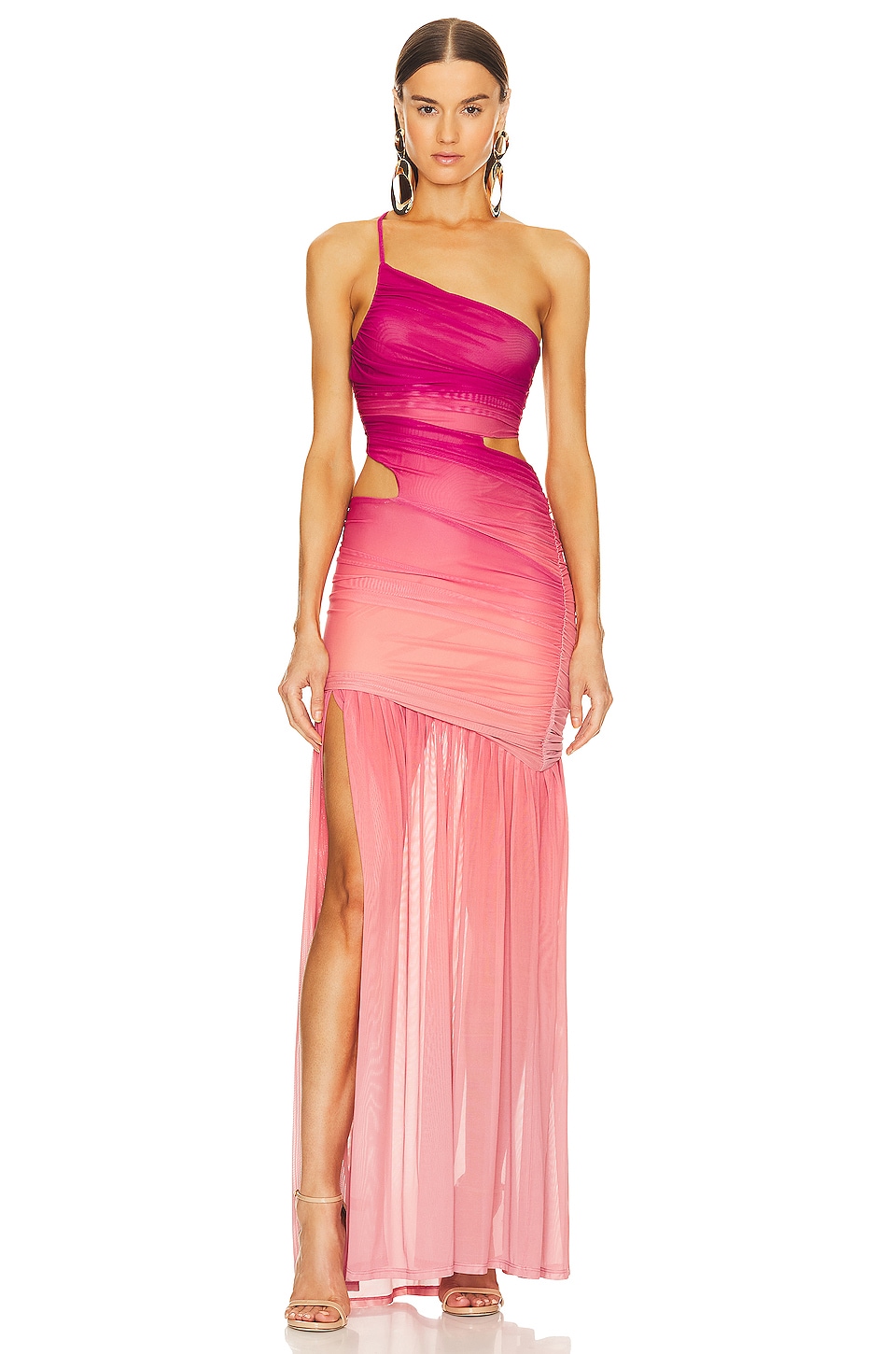
Different occasions and locales come with unspoken sartorial lexicons. A resort wedding demands a different interpretation of a dress than a downtown loft party. For a beachside event, fabrics are key. A lightweight, breathable linen or silk revolve dress aligns with the environment. Accessories should be sun-friendly: a raffia clutch, sunglasses, and jewelry made from natural materials like shell or wood. This ethos is captured perfectly in the escapist imagery of films like “The Talented Mr. Ripley,” where the Riviera style is about relaxed elegance. For an urban exploration or city break, the dress becomes a canvas for practical chic. A tailored trench coat thrown over a versatile jersey dress, paired with comfortable yet stylish block-heeled ankle boots, speaks to a knowledge of both fashion and function—a look often documented on platforms like TikTok by urban fashion explorers who prioritize mobility without sacrificing style. The key is to research and respect the cultural and environmental context, using your dress as the adaptable constant around which context-appropriate layers and details revolve.
Investment Dressing: The Cost-Per-Wear Revolution
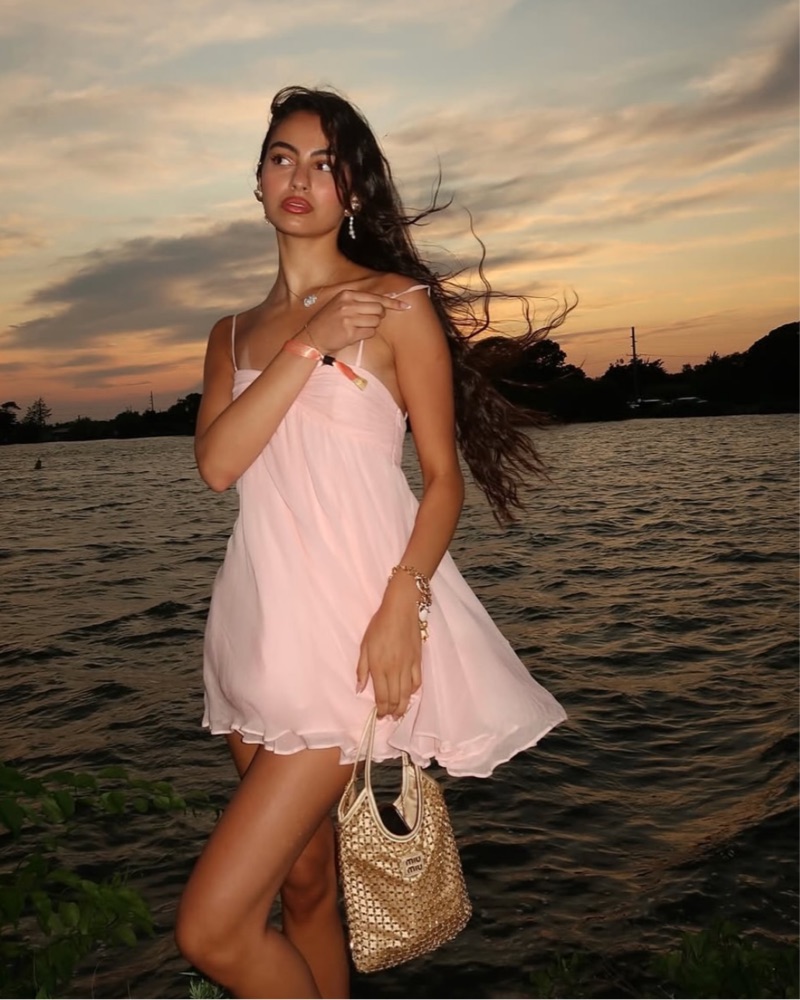
In an era increasingly conscious of consumption, the logic behind investing in a versatile, high-quality revolve dress is not merely aesthetic but profoundly economic and ethical. This aligns with the “cost-per-wear” model advocated by sustainable fashion experts and influencers like Venetia La Manna. The formula is simple: divide the price of the garment by the number of times you will wear it. A $300 dress worn once costs $300 per wear. The same dress, through the styling versatility outlined here, worn across ten distinct occasions, drops to $30 per wear, and its value compounds with each use. This mindset elevates the dress from a fleeting purchase to a strategic wardrobe asset. It encourages thoughtful curation over impulsive accumulation, a principle echoed in Marie Kondo’s best-selling “The Life-Changing Magic of Tidying Up,” which advocates for keeping only items that “spark joy” and have a clear, functional purpose in one’s life. By mastering the art of styling a single dress for multiple scenarios, you are not just saving money; you are cultivating a more intentional, creative, and sustainable relationship with fashion itself.
The journey through your wardrobe need not be a quest for the next new thing, but a deep dive into the latent possibilities of what you already own. A revolve dress is the perfect starting point for this expedition. It is a garment that asks for collaboration, inviting you to project your mood, your plans, and your identity onto its form. By applying the principles of silhouette analysis, occasion-specific layering, strategic accessorizing, and cultural awareness, you unlock a spectrum of selves contained within a single piece of fabric. This is the essence of modern dressing: not abundance, but intelligence; not consumption, but expression. Your dress is ready. The only question that remains is, who will you become in it today?