

5 Chic Semi-Formal Dresses for Effortless Style
Navigating the dress code “semi-formal” can feel like walking a sartorial tightrope. It’s that elegant space between the relaxed nature of casual wear and the strict dictates of black-tie attire. The goal is to appear polished, intentional, and stylish without seeming like you’re trying too hard. This is where the power of a perfect semi-formal dress comes into play. It is the cornerstone of a versatile wardrobe, a single garment capable of conveying confidence and sophistication for a multitude of occasions. The following guide delves into five distinct categories of chic semi-formal dresses, designed to deliver effortless style. We’ll explore their defining characteristics, the objective principles behind their appeal, and how they bring both professional knowledge of fashion construction and accessible style to your closet.
The Midi Dress: Mastery of Proportion and Timelessness
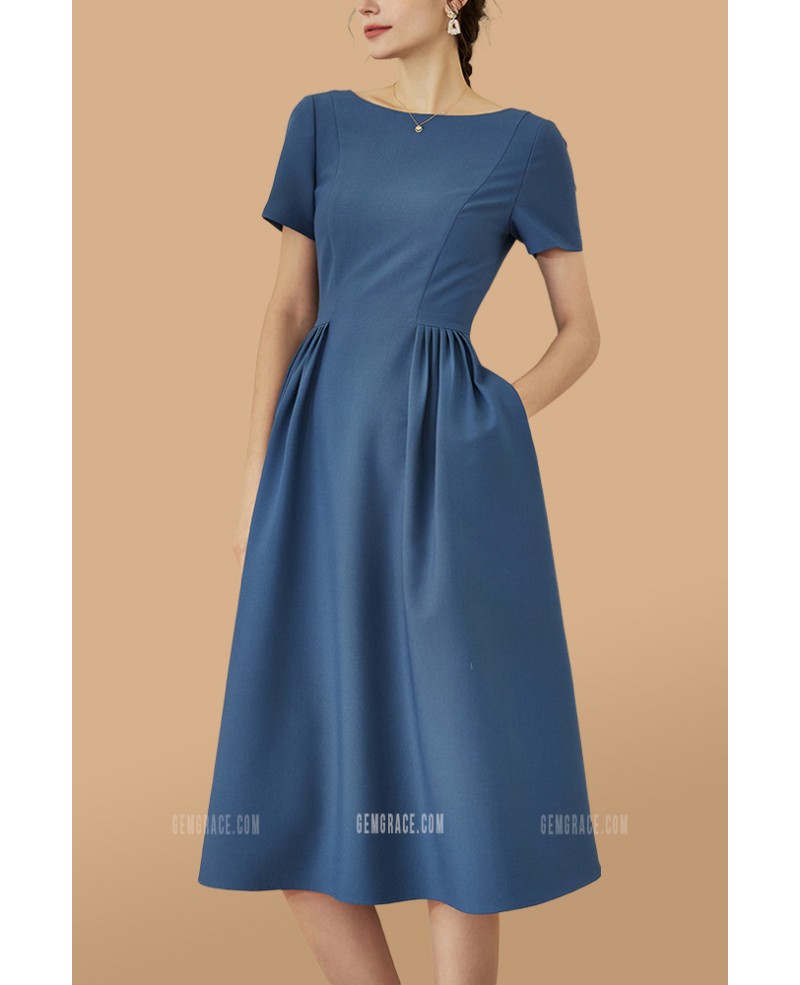
The midi dress, with its hemline falling gracefully between the knee and ankle, is a triumph of balanced proportion. Its enduring popularity isn’t accidental; it’s rooted in a scientific understanding of silhouette and cultural evolution. From a design perspective, the midi length creates a vertical line that elongates the frame, a principle often cited in style literature from institutions like the Fashion Institute of Technology. It manages to be both modest and alluring, covering more skin than a mini while often highlighting the narrowest part of the leg—the calf. This balance makes it a quintessential semi-formal dress option. Historically, its resurgence in modern fashion can be linked to a broader cultural shift towards elegance and practicality, a sentiment echoed by designers like Phoebe Philo, who championed “intelligent” and “wearable” luxury. The midi dress avoids the formality of a full-length gown and the casualness of a short skirt, perfectly occupying the semi-formal sweet spot. Whether it’s a sleek sheath, a fit-and-flare style, or a wrap design, the midi provides a canvas for personal expression through fabric and detail. A crepe or satin midi sheath is a powerhouse for cocktail parties and gallery openings, while a printed, flowing midi might be ideal for a garden wedding or an upscale brunch. Its versatility is its greatest asset, allowing you to invest in one excellent piece that serves multiple functions in your social calendar.
The Statement Sleeve Dress: Architectural Detail and Personal Expression
In the realm of semi-formal dresses, detail is paramount, and nothing makes a detail more pronounced than architectural sleeves. This style moves beyond the basic silhouette to incorporate elements of volume, drape, and structure at the shoulders and arms. The appeal of statement sleeves can be traced to their ability to frame the face and alter the garment’s silhouette dramatically, creating a memorable visual impact with minimal other accessories. From a historical viewpoint, exaggerated sleeves have cycled through fashion for centuries, from the leg-of-mutton sleeves of the 1890s to the dramatic puff sleeves of the 1980s, as documented in costume history archives. Today’s iterations are more refined, often seen in brands like Self-Portrait or Reformation, which blend romanticism with contemporary cuts. The science here is about balance; a large, voluminous sleeve often pairs with a simpler, more fitted bodice and skirt to avoid overwhelming the figure. This creates a harmonious yet striking look ideal for events where you want to stand out thoughtfully—think a company holiday party, a sophisticated dinner date, or a daytime wedding. The psychological effect is one of confidence and artistry; as style commentator and author Alison Freer notes, “Clothing that has a point of view allows the wearer to have one, too.” A dress with bold sleeves speaks for itself, reducing the need for excessive jewelry and allowing you to achieve an “effortless” look because the effort is ingeniously baked into the design of the dress itself.
The Jumpsuit Alternative: Redefining Formal Separates
While not a dress in the traditional sense, the elegant jumpsuit has irrevocably earned its place in the semi-formal canon. It represents a modern, fashion-forward approach to dressing up, challenging the hegemony of the dress with its sleek, unified silhouette. The jumpsuit’s efficacy as a semi-formal option lies in its construction: it offers the streamlined look of a dress with the practical ease and contemporary edge of separates. From an engineering standpoint, a well-tailored jumpsuit creates an uninterrupted vertical line, which is universally flattering and conveys a sense of authority and modernity. This perspective is supported by fashion psychologists who suggest that androgynous or tailored pieces can project competence and innovation. Famous figures like Cate Blanchett and Zendaya have frequently championed the red-carpet jumpsuit, demonstrating its high-fashion credibility. For semi-formal events—be it a rooftop cocktail reception, an awards ceremony, or a chic birthday celebration—a jumpsuit in luxe fabrics like wide-leg palazzo pants in velvet or a draped satin top paired with tailored trousers offers unparalleled sophistication. It brings professional knowledge of suiting and drapery to women’s wear, providing an alternative that feels both powerful and graceful. The key is in the fit and fabric; a poorly fitted jumpsuit can be disastrous, but one that skims the body perfectly is a testament to intentional style. It’s a single-item outfit that eliminates the stress of coordinating separates, delivering a high-impact look with deceptive simplicity.
The Cocktail Dress: The Quintessential Benchmark
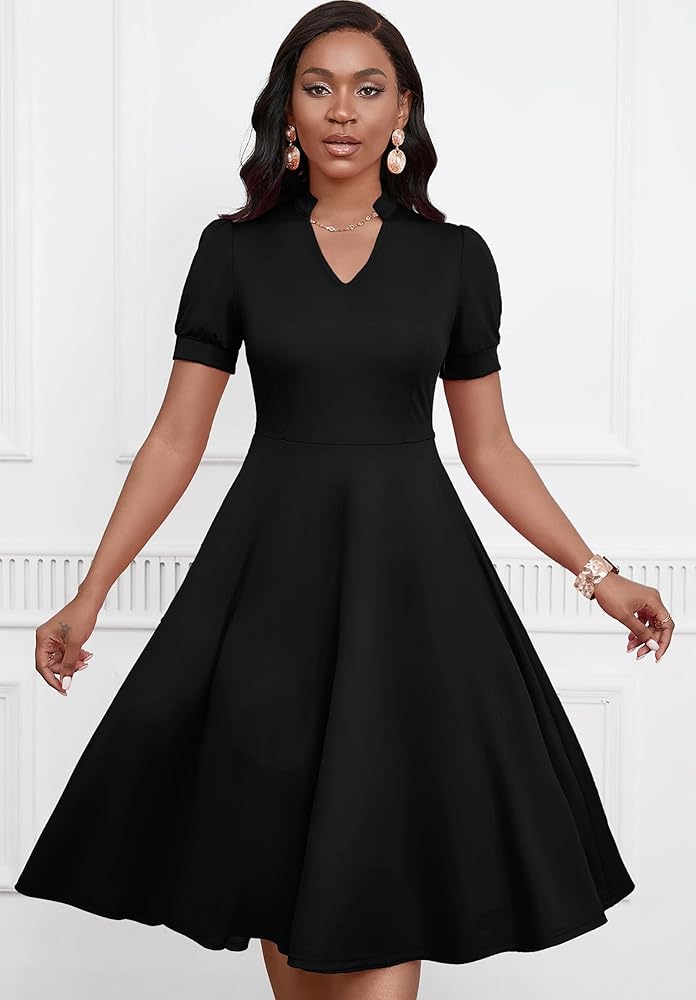
No discussion of semi-formal attire is complete without the cocktail dress. This category is the very definition of the code, originating in the post-Prohibition 1920s when shorter, less formal dresses were worn for events where cocktails were served. As defined by authoritative sources like The Business of Fashion, the classic cocktail dress typically falls at or just above the knee and is crafted from richer fabrics than day dresses but less ornate than ball gowns. It is the workhorse of the semi-formal wardrobe. The objective science behind its success is its focus on the focal point: it is designed to highlight the body’s positive attributes in a concentrated area, often through strategic seaming, embellishment, or color blocking. A little black dress (LBD) is the most famous iteration, a concept solidified by Coco Chanel and later, Hubert de Givenchy for Audrey Hepburn in Breakfast at Tiffany’s. The LBD’s power, as explained on platforms like Quora and in style guides from Vogue, lies in its blank-canvas versatility and psychological association with chic simplicity. Today, the cocktail dress spectrum includes bold colors, intricate lace, beading, and modern cuts. It is the fail-safe choice for events explicitly labeled “semi-formal” or “cocktail attire,” such as weddings, fundraising galas, or holiday parties. Investing in a well-made cocktail dress is investing in social confidence; it’s a garment that tells you, and everyone else, that you understand the assignment and have arrived prepared to engage in style.

The Modern Slip Dress: Layered Minimalism and Versatility
Born from the intimate lingerie of the early 20th century, the slip dress was reborn in the grunge era of the 1990s and has since been refined into a minimalist semi-formal staple. Its current iteration is a masterclass in understated luxury. The modern slip dress for semi-formal occasions is typically cut from satin, silk, or a high-quality viscose that mimics the fluid drape of silk, featuring slender straps and a simple, body-skimming silhouette. Its scientific appeal is rooted in tactile sensation and movement; the way light plays on a satin surface and the way the fabric moves with the body creates a dynamic, sensual effect that is inherently elegant. As fashion historian Valerie Steele has discussed in her work, the appropriation of underwear as outerwear represents a blurring of boundaries and a celebration of the female form in a subtle way. The genius of the modern slip dress as a semi-formal dress lies in its layered potential. Worn alone with fine jewelry and heels, it is perfect for a sleek, modern evening event. However, its true effortless style is unlocked through layering: a crisp tuxedo blazer or a fine-gauge knit cardigan instantly adapts it for cooler weather or more conservative settings, while a turtleneck or tee underneath transforms it for a creative, fashion-forward daytime look. This adaptability brings immense value, offering multiple outfits from one single, simple garment. It embodies the principle of “less is more,” proving that sophistication often resides in purity of line and quality of fabric rather than in excessive adornment.

Curating a selection of these five dress styles—the proportional midi, the architectural statement sleeve, the redefining jumpsuit, the quintessential cocktail, and the versatile slip—builds a formidable arsenal for the semi-formal demands of modern life. Each style is grounded in principles of design, historical context, and psychological impact, offering more than just a garment but a tool for confident self-presentation. They bring the professional knowledge of fashion history and construction directly to you, often at accessible price points through savvy shopping at retailers that blend quality with value. The true essence of effortless style is not about a lack of effort, but about making intelligent choices that yield maximum impact. By understanding and embracing these distinct categories of semi-formal dresses, you equip yourself to navigate any invitation with grace, personality, and undeniable chic.