

Styling Your Revolve Dress for Every Occasion
In the ever-evolving landscape of fashion, few garments offer the transformative power and sheer versatility of a well-chosen revolve dress. This isn’t merely about a single item of clothing; it’s about unlocking a central piece in your wardrobe that can pivot, adapt, and express different facets of your personality from day to night, from casual brunches to formal galas. The concept of a revolve dress transcends a specific brand; it speaks to a design philosophy centered on adaptability, quality fabric, and timeless silhouettes that serve as a blank canvas for your personal style. This article is dedicated to exploring how one dress—or a curated collection of them—can become the cornerstone of a dynamic and efficient wardrobe, moving seamlessly through the myriad occasions that define modern life. We will dissect the elements that make a dress truly versatile, provide objective styling frameworks, and integrate insights from design theory and cultural commentary to empower you to maximize every thread.
The Anatomy of a Versatile Dress: Beyond the Seams
To understand how a single dress can serve multiple purposes, we must first deconstruct what constitutes versatility in garment design. According to research from the Fashion Institute of Technology, the key factors include silhouette, fabric weight and composition, color, and detailing. A truly versatile dress, often the kind you’d find in a revolve dress collection, typically features a silhouette that is neither overly trendy nor severely dated—think sheath, wrap, or shirt-dress styles. The fabric must possess a certain drape and resilience; a mid-weight crepe, for instance, resists wrinkling and transitions well across seasons. Color is paramount. As noted by color theorist and author Josef Albers in his seminal work Interaction of Color, neutral hues and deep tones act as “interaction agents,” allowing for greater accessory interplay. A black, navy, or charcoal dress provides a neutral backdrop, while a rich jewel tone like emerald or burgundy offers depth without limiting pairing options. This scientific approach to design ensures the garment’s foundational utility, making it a reliable starting point for countless ensembles.
From Desk to Dinner: The Professional Pivot
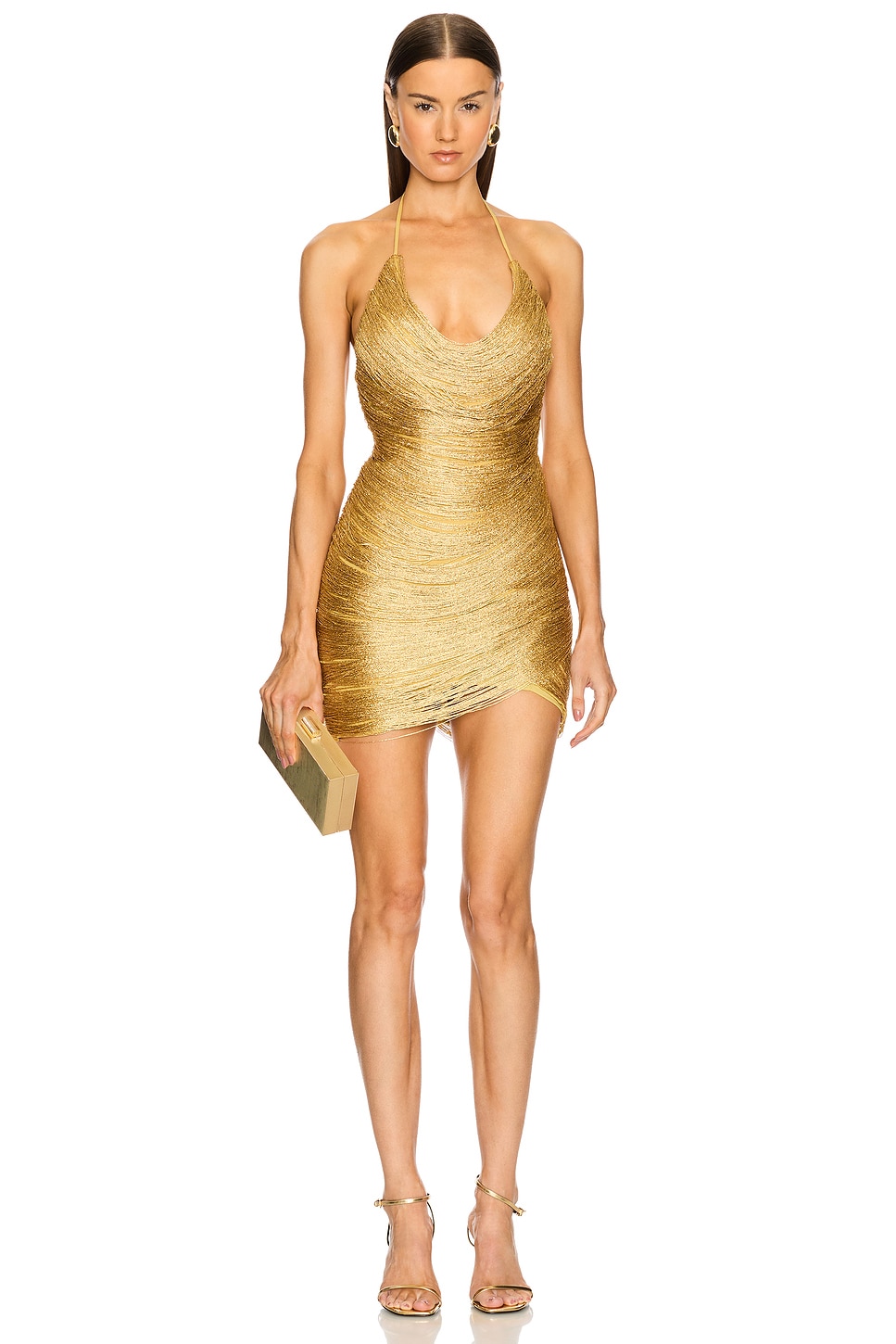
The quintessential test of a wardrobe workhorse is its ability to navigate professional environments before transitioning into evening social settings. Let’s take a classic example: a sleeveless, knee-length revolve dress in a solid color. For the office, the strategy revolves around structured layers and polished accents. A tailored blazer in wool or a modern knit cardigan instantly confers authority and meets climate-control needs. Footwear shifts from sleek pumps to sophisticated loafers or block heels for all-day comfort. Jewelry should be minimal but meaningful—a simple pendant necklace, stud earrings, or a refined watch. As fashion journalist and former editor-in-chief of French Vogue, Carine Roitfeld, once stated in an interview, “Elegance is not about being noticed, it’s about being remembered.” The office look is about remembered polish. For the evening pivot, the transformation is swift and dramatic. Remove the blazer. Swap the daytime bag for a metallic clutch. Elevate the jewelry with statement earrings or layered necklaces. Change into strappy heels or embellished sandals. A bold red lip or a shift to smoky eyes can redefine the entire mood. This approach leverages the dress’s simple canvas, allowing accessories and beauty choices to perform the heavy lifting, proving that versatility is a product of strategic layering and detail-swapping.
Weekend Alchemy: Casual Conversions
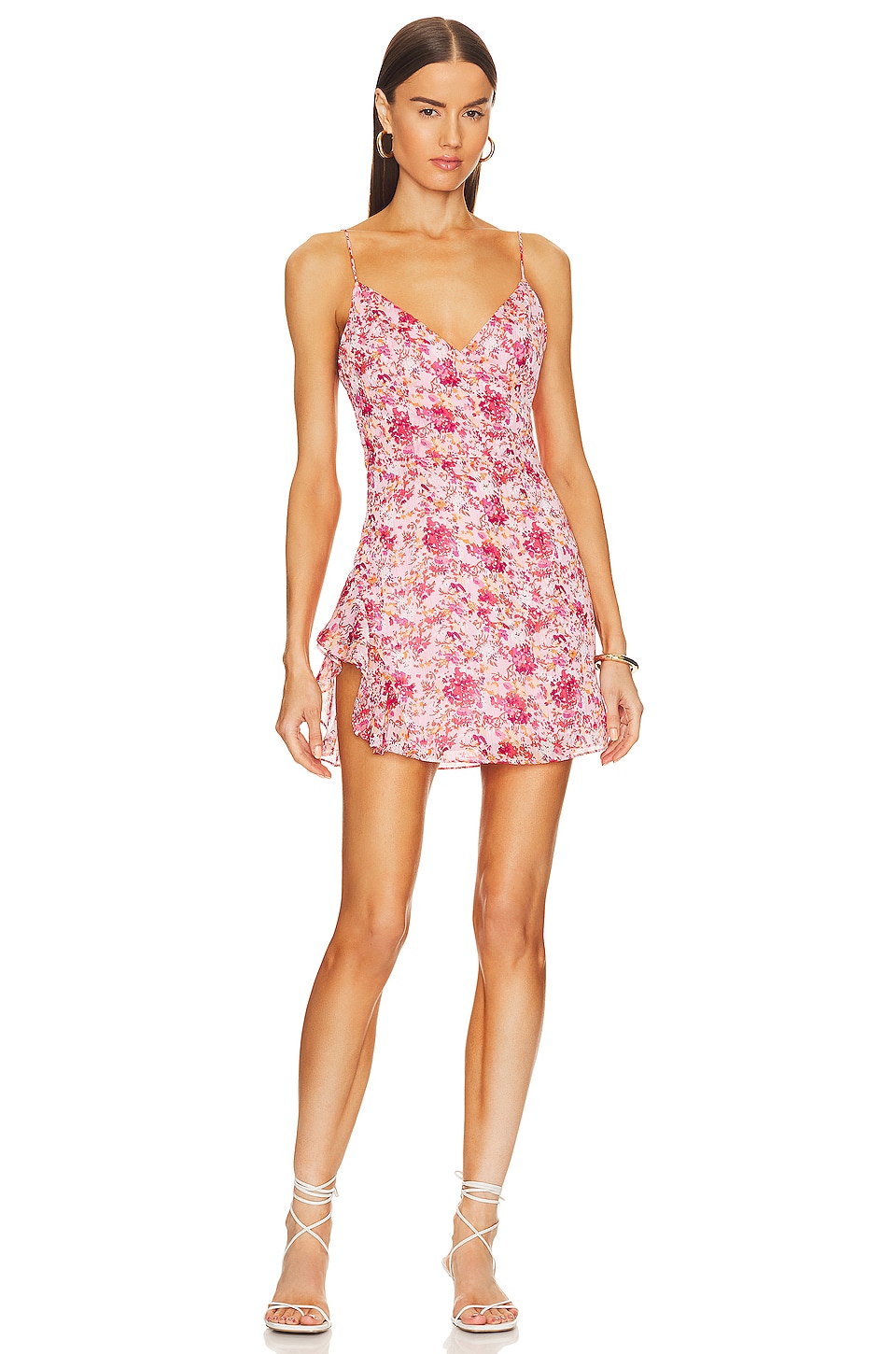
The weekend demands a different kind of sartorial intelligence—one that balances comfort with intention, ease with style. This is where the revolve dress demonstrates its chameleonic nature. A breezy midi or maxi dress, perhaps in a floral print or soft jersey, forms the perfect foundation. The casual conversion philosophy is rooted in the principle of “high-low” dressing, a concept popularized by fashion websites like Who What Wear and Man Repeller, which champion mixing elevated pieces with everyday basics. For a Saturday farmers’ market or a casual lunch, throw a denim jacket over the dress. This instantly grounds the look, adding a layer of relaxed cool. Footwear shifts to white sneakers, leather sandals, or ankle boots, depending on the season. A crossbody bag replaces a structured tote. The influence of street style and platforms like TikTok cannot be ignored; fashion creators consistently showcase how a single dress can be “styled down” with utilitarian pieces. As one popular style creator noted in a video, “The magic isn’t in buying more, it’s in wearing what you have… more ways.” This ethos of creative reuse is central to building a sustainable and personal wardrobe, moving beyond fast fashion cycles.
Special Occasions: Cultivating an Atmosphere
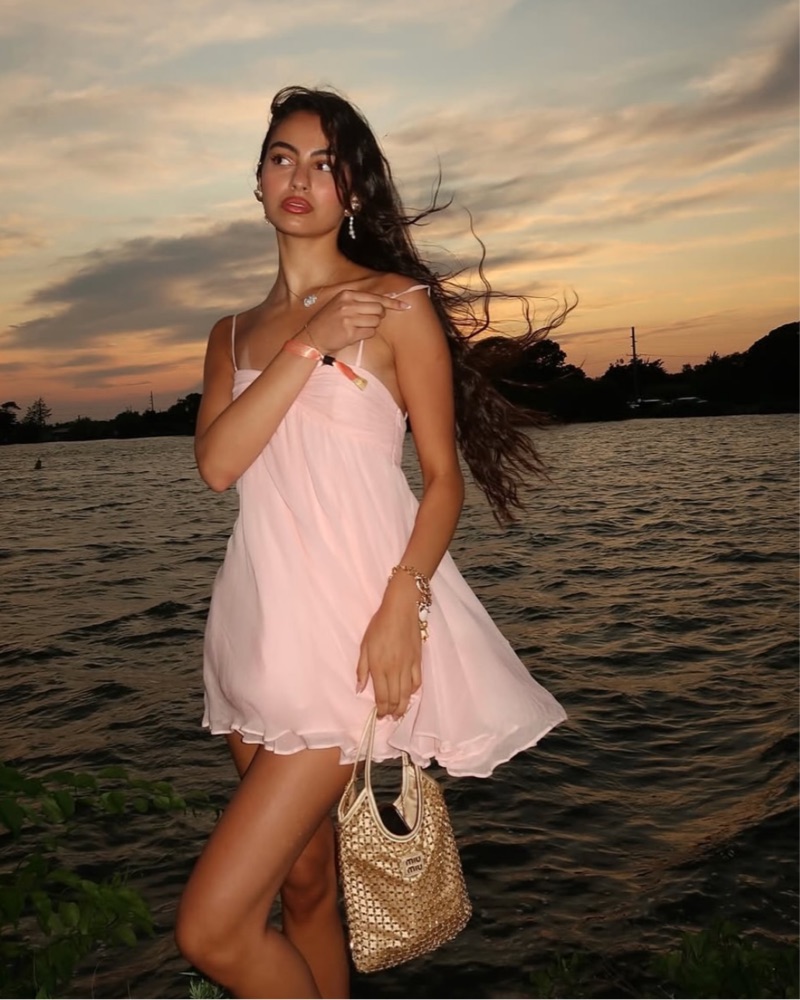
Weddings, gallery openings, cocktail parties—these events require a dress to project a specific atmosphere. Here, the versatility of your dress is tested not in casual conversion but in its capacity for glamour and thematic alignment. A slip-style revolve dress in satin or silk becomes a prime candidate. The styling moves from adaptation to augmentation. Consider the setting: a garden wedding calls for a floral fascinator, delicate wrap, and heeled sandals that won’t sink into grass. A modern art opening might pair the same slip dress with architectural jewelry, a sharp-shouldered blazer worn off-the-shoulder, and avant-garde mules. The psychological impact of clothing is well-documented. Researchers at Northwestern University’s “enclothed cognition” studies have shown that the symbolic meaning of clothing and the physical experience of wearing it can systematically influence the wearer’s psychological processes. Thus, styling for a special occasion is about consciously choosing details that make you feel confident, celebratory, and engaged with the event’s ethos. It’s about letting the dress serve as a elegant base upon which you build a full sensory experience.
Investment Dressing: The Calculus of Cost-Per-Wear
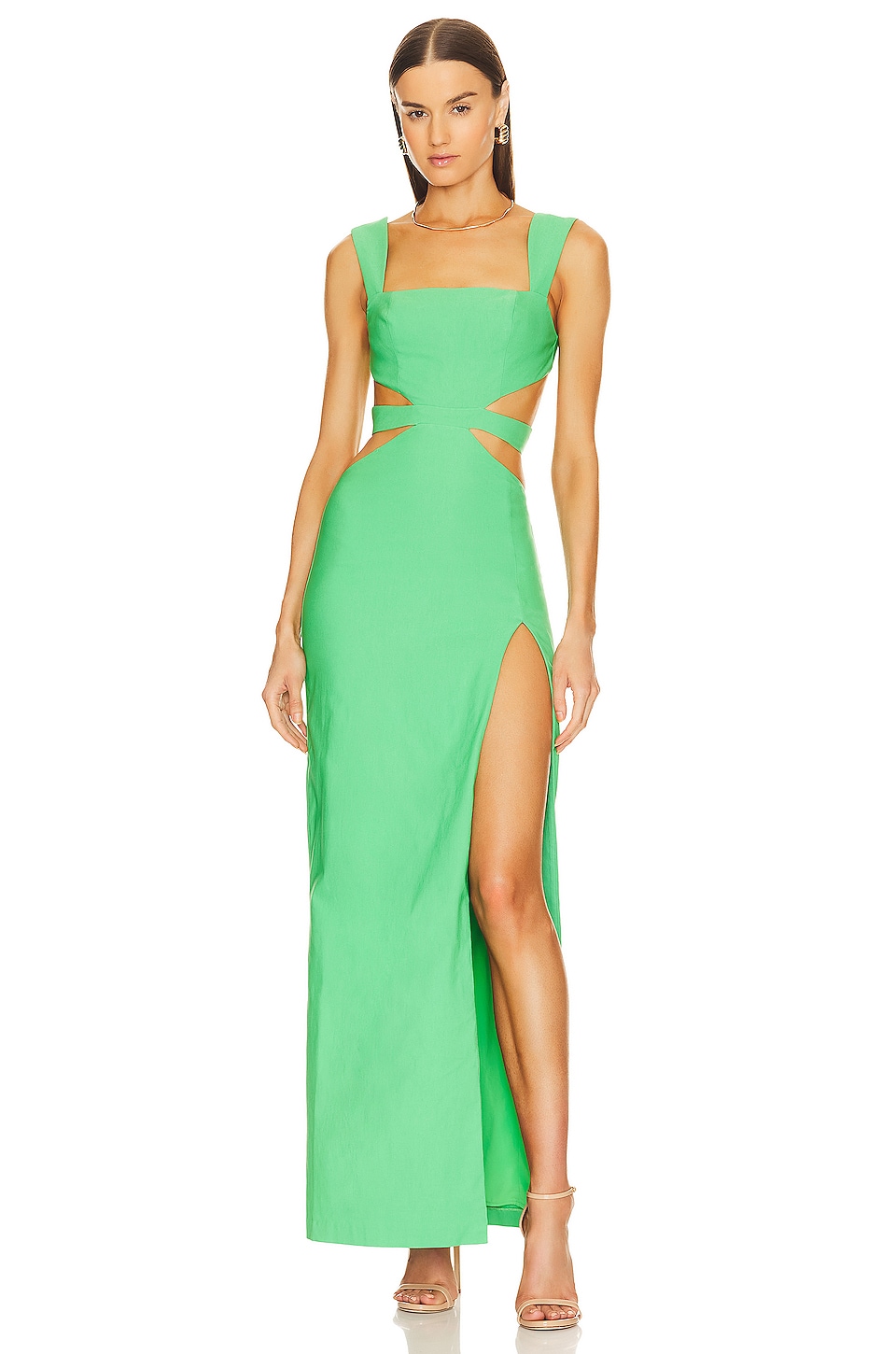
A critical, objective perspective on building a versatile wardrobe involves the principle of cost-per-wear (CPW), a concept advocated by financial and style experts alike. The formula is simple: the total cost of an item divided by the number of times you wear it. A $300 dress worn 30 times has a CPW of $10, while a $50 dress worn twice has a CPW of $25. The former represents a far wiser investment. This is where the value proposition of a high-quality, versatile revolve dress becomes clear. By selecting dresses with versatile anatomy as previously defined, you inherently increase their potential wear count, dramatically lowering their CPW. This approach aligns with sustainable fashion principles by promoting a “buy less, choose well, make it last” mentality, famously echoed by iconic designer Vivienne Westwood. Furthermore, savvy shoppers know to leverage seasonal sales, loyalty programs, and special promotional periods from retailers to acquire these cornerstone pieces at discounted prices, enhancing the investment’s value. Building a capsule around such pieces isn’t an expense; it’s a strategic allocation of your style budget for maximum return in confidence and creativity.
The journey through your day, your week, your life need not require a closet overflowing with single-use outfits. The power lies in perception and combination. A dress is not just a dress; it is a platform for self-expression, a lesson in design principles, and a smart financial decision when chosen with intention. By applying these frameworks—from analyzing silhouette and fabric to mastering the professional pivot, the casual conversion, and the special occasion augmentation—you transform your wardrobe from a collection of items into a dynamic toolkit. The true style revolution begins not with a new purchase, but with a new way of seeing the potential in what you already own. Let your dress revolve, and with it, let your style find new orbits.