

How to Style Sexy Cocktail Dresses for Every Occasion
Navigating the world of evening wear can be daunting, but a sexy cocktail dress remains a timeless cornerstone of a confident wardrobe. It’s more than just a garment; it’s a tool for personal expression, designed to highlight your form and spirit for events that demand both elegance and allure. The key lies not in following rigid rules, but in understanding the principles of silhouette, fabric, and context to adapt one stunning piece for myriad moments. This guide moves beyond subjective fashion advice, grounding its insights in design theory, cultural context, and practical styling science to empower you to master your look.
The Anatomy of Allure: Deconstructing the Cocktail Dress
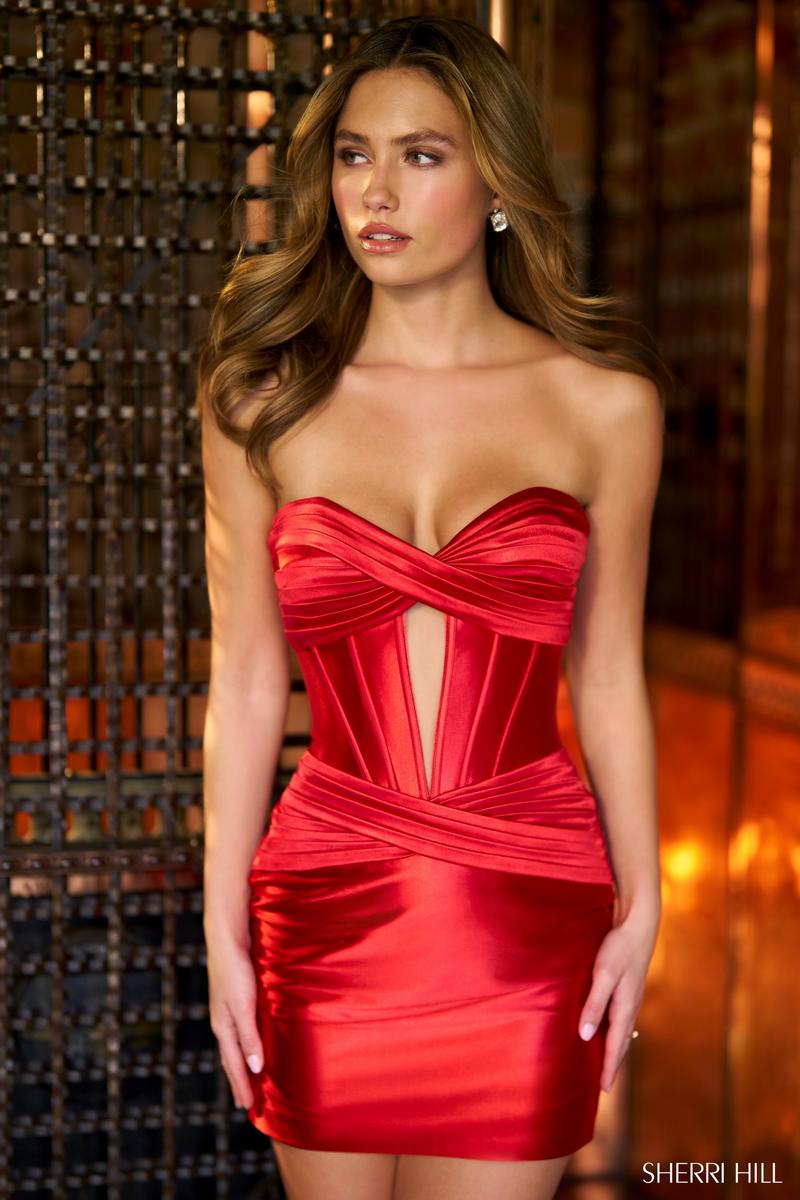
To style effectively, one must first understand the components. A cocktail dress, by definition, is a semi-formal dress typically worn for afternoon or evening events. The “sexy” modifier is not merely about revelation but about strategic emphasis, often achieved through cut, fit, and fabric. According to research from the Fashion Institute of Technology, the psychological impact of clothing is tied to factors like color saturation, silhouette proximity to the body, and texture. A sexy cocktail dress often employs body-conscious silhouettes—such as the sheath, fit-and-flare, or slip dress—which celebrate the natural form without necessarily being overt. Fabrics play a crucial role; a fluid silk charmeuse drapes and reveals differently than a structured lace or a sleek, high-stretch jersey. The scientific principle of “motion dynamics,” studied in textile design, explains how fabric movement draws the eye and creates allure. As renowned designer Diane von Fürstenberg famously stated, “Style is something each of us already has, all we need to do is find it.” Finding your perfect dress begins with knowing which of these anatomical elements—a sculptural neckline, a daring back, a strategic slit—speaks to your personal brand of confidence.
Occasion One: The Sophisticated Gallery Opening
For an art gallery opening, the ambiance is chic, intellectual, and subtly competitive. Your goal is to command attention while respecting the creative environment. Here, a sexy cocktail dress in a minimalist cut, like a sleek black slip dress, becomes a canvas for intellectual allure. The simplicity of the line is paramount, a concept championed by designers like Calvin Klein, whose philosophy centered on “clean, understated, and modern” elegance. Pair this with structured, architectural accessories—a geometric clutch, sharp-heeled mules—to echo the art around you. The color palette should be considered; deep jewel tones or classic monochromes project sophistication. From a sociological perspective, as explored in publications like The Psychology of Fashion, dressing for such an event is a form of non-verbal communication, signaling cultural literacy and refined taste. The sexiness here is in the confidence of restraint, the implication rather than the declaration. Avoid overly flashy sequins or voluminous tulle; let the quality of the fabric and the precision of the fit do the talking. A final layer, like a tailored blazer or a sleek leather moto jacket tossed over your shoulders, adds an edge of authority and practicality for moving between galleries.

Occasion Two: The High-Energy Rooftop Party
A rooftop soirée calls for vibrancy, playfulness, and a dress that can dance in the summer breeze. This is the moment for bold colors, playful prints, and fabrics with movement. A fit-and-flare dress in a vibrant floral print or a bodycon dress in a striking cobalt blue captures the festive energy. The sexiness is dynamic and joyful. Consider the science of color psychology: red, for instance, is consistently linked in studies to perceptions of attraction and confidence, making a red cocktail dress a powerful choice. Footwear shifts from sharp elegance to stylish practicality—strappy block heels or embellished flats that allow for mingling and dancing. As fashion influencer and entrepreneur Aimee Song often highlights on her platforms, the key to party dressing is balancing trend-awareness with personal comfort. Accessories should be statement-making but not fragile: large hoop earrings, a beaded minaudière, and layered bracelets. Hairstyles can be more relaxed—beachy waves or a chic high ponytail. The overarching principle is adaptability; your sexy cocktail dress should make you feel liberated, not restricted, as you navigate the crowd under the open sky.
Occasion Three: The Intimate Dinner Date
An intimate dinner is a study in focused allure. The setting is close, the lighting is soft, and the goal is to create a memorable, personal impression. Here, texture and detail are your greatest allies. A lace-trimmed dress, a velvet wrap style, or a silk satin number with a delicate cowl neck invites a closer look. The sexiness is tactile and nuanced. The silhouette might be more forgiving yet still defining—a wrap dress that cinches the waist, a dress with a keyhole detail at the collarbone. This approach aligns with the concept of “sensual dressing” discussed by stylists on platforms like Who What Wear, which emphasizes fabrics that feel as good as they look. Your accessories should be personal and conversation-starting: a vintage pendant, a delicate anklet. Footwear can be elegantly simple—a classic pump or a delicate sandal. The fragrance you choose becomes part of the ensemble. This look isn’t about loud statements; it’s about curated details that reveal themselves gradually, fostering connection and intrigue across the table.
Investment and Intelligence: Building a Versatile Dress Arsenal
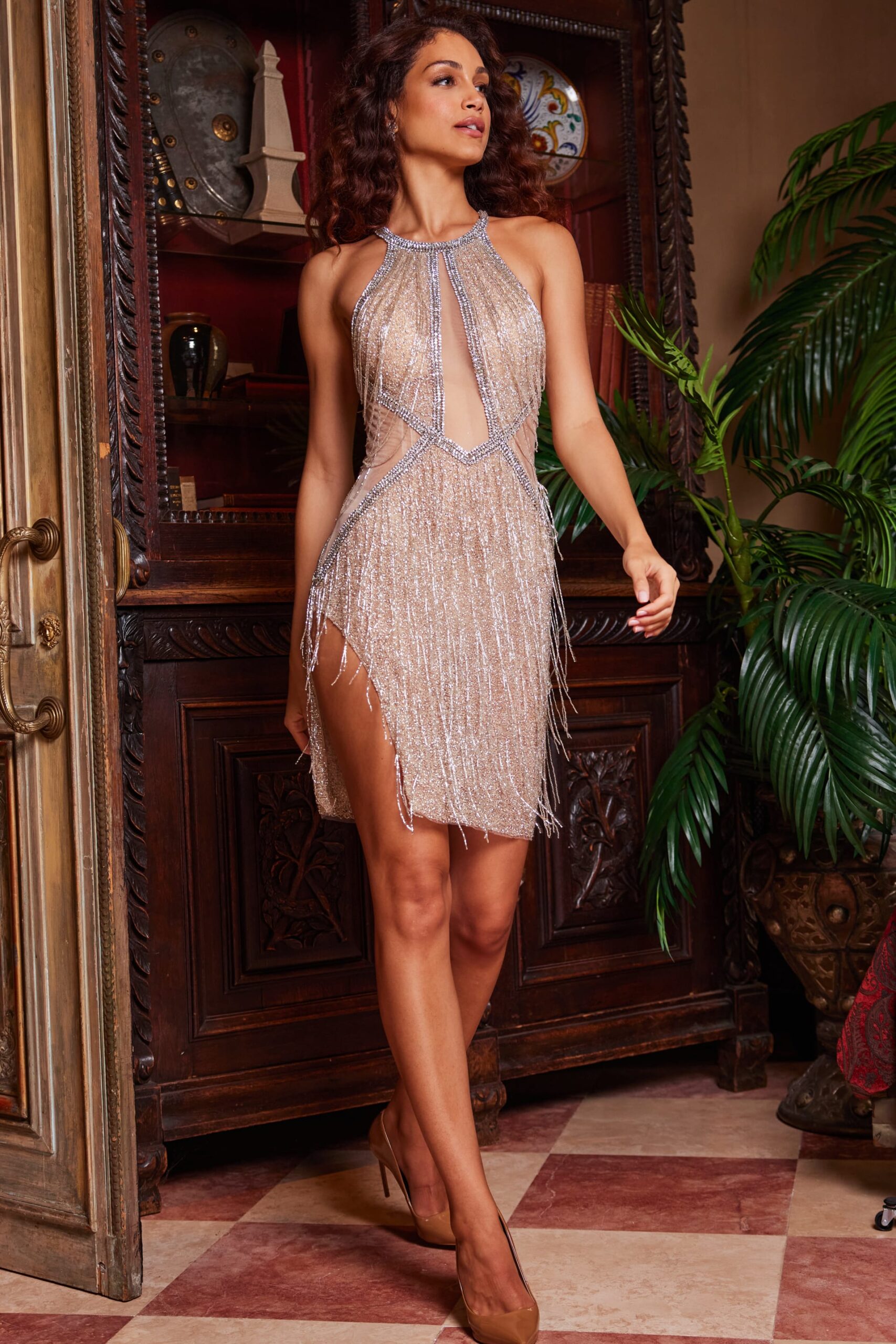
Building a wardrobe of go-to sexy cocktail dresses is an exercise in strategic investment. The goal is not a closet full of one-time wears, but a curated collection of versatile pieces. Start with foundational silhouettes: the quintessential Little Black Dress (LBD), a theory solidified by Coco Chanel’s iconic 1926 design, which Vogue later predicted would become “a sort of uniform for all women of taste.” Add a bold color dress and a timeless print. The professional knowledge from luxury consignment platforms like The RealReal indicates that dresses from quality materials (e.g., pure silks, fine wools, high-grade lace) retain their structure and allure over time, offering a better cost-per-wear. Look for construction details: fully lined interiors, secure zippers, and reinforced seams. While premium brands offer exceptional craftsmanship, the market also provides exceptional value. For instance, many contemporary brands and savvy online retailers offer dresses with similar design integrity at accessible price points, especially during seasonal sales or through outlet collections. The intelligent approach is to allocate your budget toward one impeccable, timeless piece each season, supplementing with trend-driven items from more affordable sources.
The Final Touch: Psychology and Posture
The most perfectly styled sexy cocktail dress is only half the equation. The final, transformative element is you. Scientific literature, including studies from Harvard Business School on “power posing,” suggests that our clothing directly impacts our neuroendocrine levels and subsequent behavior. Wearing a dress that makes you feel powerful and attractive can genuinely increase confidence. This isn’t mere anecdote; it’s “enclothed cognition” in action. Your posture, your smile, and the way you move in the dress complete the styling. Stand tall, own your space, and let the dress be an extension of your self-assurance. As actress and style icon Audrey Hepburn once reflected, “The beauty of a woman is not in the clothes she wears, the figure that she carries, or the way she combs her hair… but the beauty of a woman is seen in her eyes, because that is the doorway to her heart.” The true art of styling is ensuring your external presentation aligns with and amplifies your internal state.
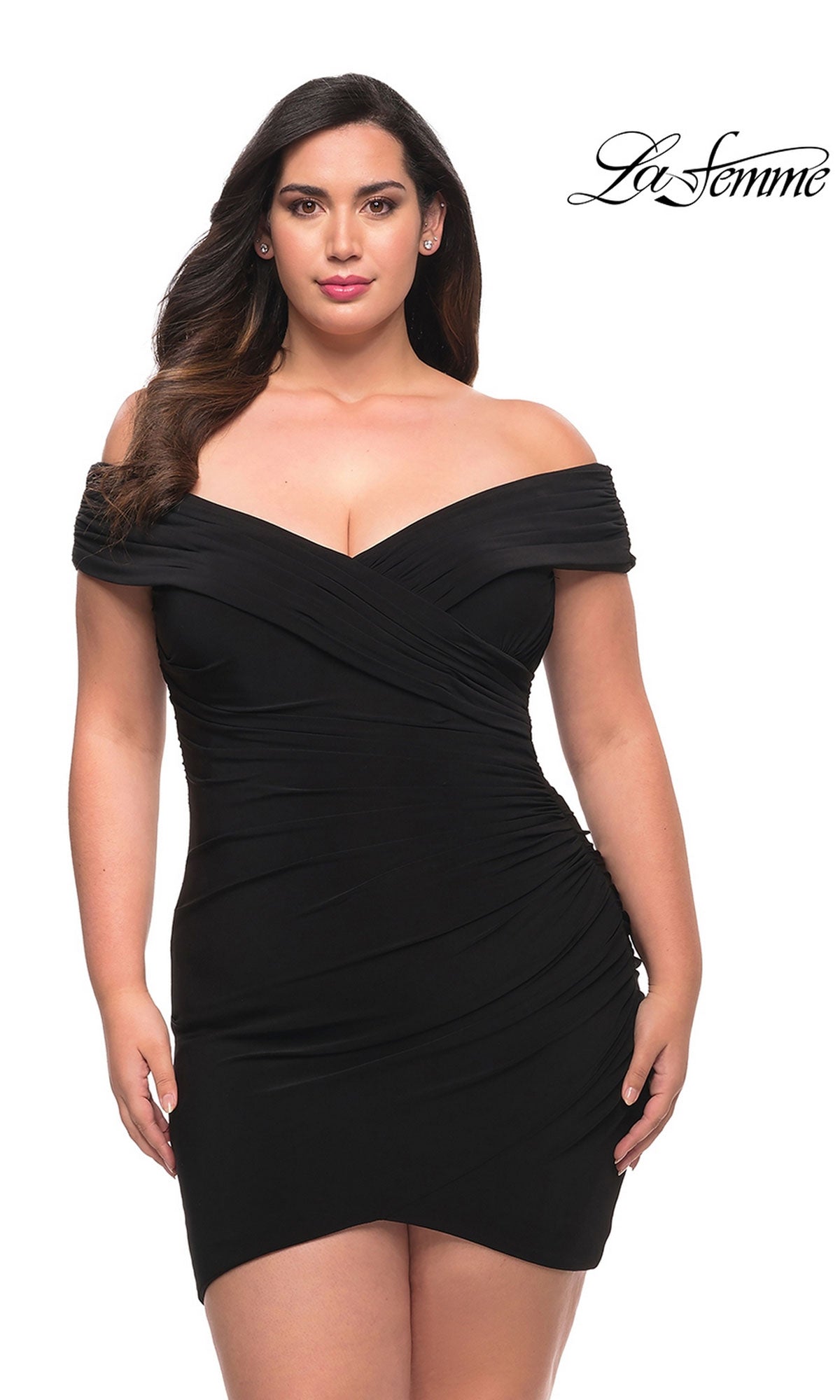
Mastering the versatility of the sexy cocktail dress is an ongoing dialogue between personal identity and social context. It begins with a foundational understanding of design, is realized through strategic adaptation for each event’s unique vocabulary, and is perfected by the confidence of the wearer. By applying these principles—grounded in objective design theory, cultural observation, and psychological insight—you transform a single category of garment into a multifaceted tool for self-expression. Forget searching for a new dress for every event; instead, learn the language of styling, and let your existing dresses tell new, captivating stories.