

How to Style a Revolve Dress for Every Occasion
In the ever-evolving landscape of fashion, few garments offer the transformative power of a well-chosen dress. It’s a single piece that can define a moment, project an identity, and adapt to the myriad roles we play daily. Among the plethora of options available to the contemporary wardrobe, the revolve dress stands out not merely as a product from a specific retailer, but as a concept—a versatile, high-quality pivot point around which countless styles can, quite literally, revolve. This article is dedicated to unraveling the potential of this cornerstone garment, providing you with the knowledge to master its styling across any event life presents. We’ll move beyond superficial tips, grounding our advice in design principles, cultural context, and actionable expertise, all while ensuring you know how to acquire these pieces intelligently.
The Anatomy of Versatility: What Defines a Core Dress
Before we delve into specific occasions, it’s crucial to establish what we mean by a foundational dress. This isn’t about fleeting trends; it’s about identifying garments engineered for longevity and adaptability. Key characteristics often include a silhouette that flatters a wide range of body types—think A-line, sheath, or wrap designs. The fabric must possess a certain dignity; a substantial crepe, a fluid silk-blend, or a finely knitted jersey that drapes rather than clings. The color palette tends towards the strategic: a classic black, a neutral navy or camel, or a universally flattering jewel tone. As fashion historian Dr. Valerie Steele of The Museum at the Fashion Institute of Technology has often noted, the most enduring items in a wardrobe are those that balance aesthetic appeal with practical construction. A true revolve dress embodies this balance, serving as a blank canvas. Its simplicity is its strength, allowing it to be dramatically altered through the alchemy of accessories, layers, and styling choices. This transformative quality is what separates a mere dress from a wardrobe workhorse.
1. The Professional Arena: Commanding Respect with Elegance
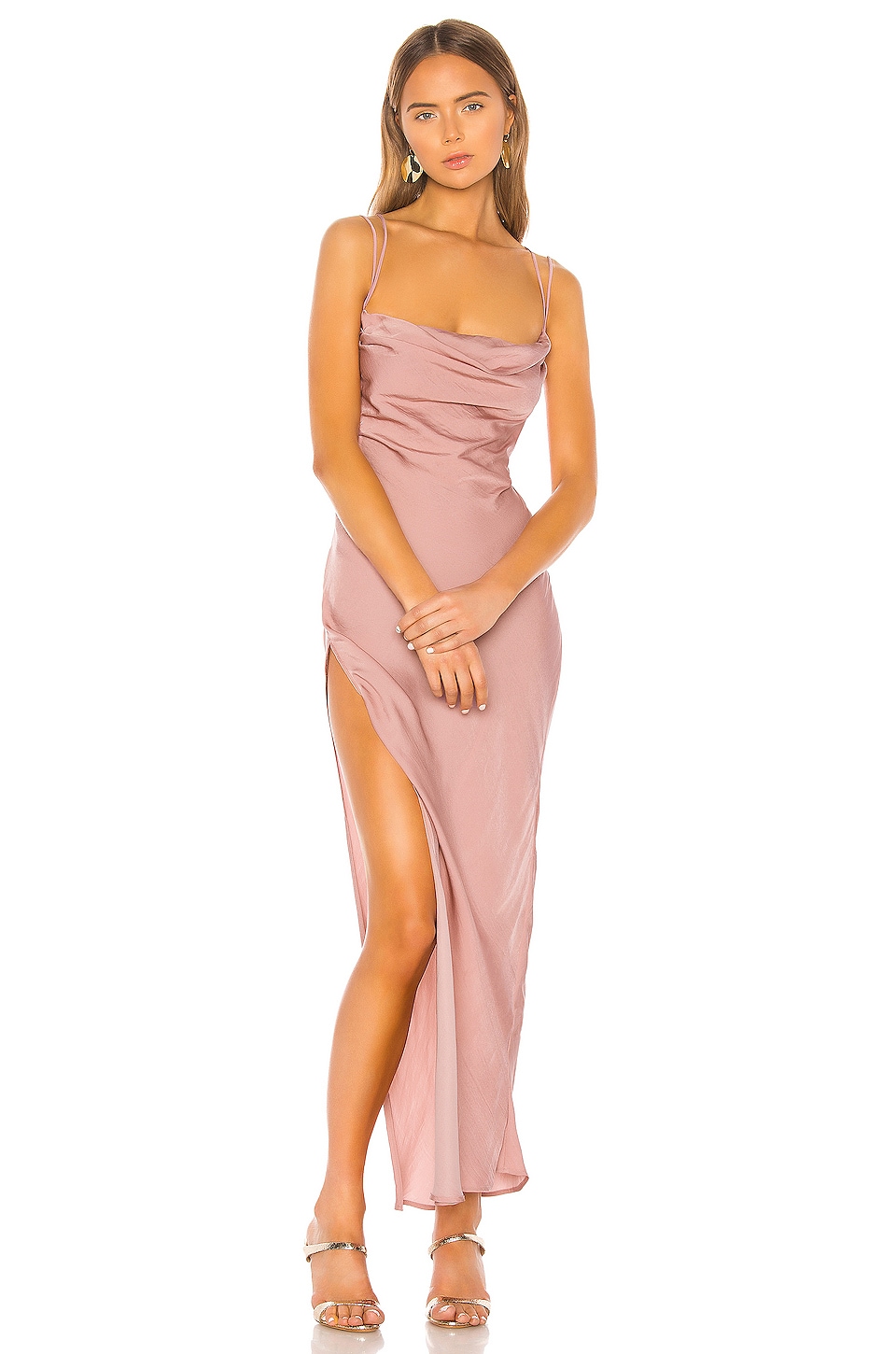
Navigating professional dress codes requires a blend of polish, personality, and propriety. A midi-length revolve dress in a solid, sophisticated color is an unparalleled starting point. The goal here is to project competence and confidence. Consider a tailored sheath dress with three-quarter sleeves or a graceful wrap dress that defines the waist. The fabric should be matte or have a very subtle luster—nothing overly shiny or distracting. To build a compelling argument for this approach, we can look to the principles of color psychology frequently cited in business literature. For instance, black and navy are consistently associated with authority, trust, and intelligence, as documented in studies on non-verbal communication in professional settings. To style this for the office, pair the dress with structured blazers, pointed-toe flats or low-block heels, and minimalist jewelry. A statement watch or a pair of simple pearl studs can convey attention to detail. The power of this look lies in its intentional restraint, a concept championed by style icons like Christine Lagarde, whose tailored elegance is a form of non-verbal rhetoric in itself. Remember, in many corporate environments, your attire is part of your professional toolkit, and a well-chosen dress is a versatile and powerful component.
2. The Casual Weekend: Effortless Chic from Day to Day
Transitioning from the formality of the workweek to the relaxed pace of the weekend is an art form. It’s about looking put-together without appearing as if you tried too hard. This is where a revolve dress in a softer fabrication, like a cotton poplin or a lightweight knit, truly shines. A shirt-dress or a breezy smock style is perfect for this realm. The styling pivot here is towards comfort and personality. Layer is your best friend. Throw on a denim jacket or a slouchy cardigan for a touch of nonchalance. Footwear shifts dramatically—swap heels for clean white sneakers, leather sandals, or ankle boots depending on the season. This philosophy of “elevated casual” is heavily documented in street style photography and analyses from websites like Who What Wear, which often highlight how fashion insiders use one great dress as the foundation for a weekend uniform. Accessorize with a woven tote bag, layered necklaces, or a wide-brimmed hat. The key is in the mix of textures and the slight dissonance between a polished dress and a rugged accessory, creating that coveted sense of effortlessness. As author and style consultant Amanda Brooks writes in her book “I Love Your Style,” true personal style often emerges in these casual contexts, where rules are more fluid and self-expression takes precedence.
3. The Evening Affair: From Cocktails to Galas
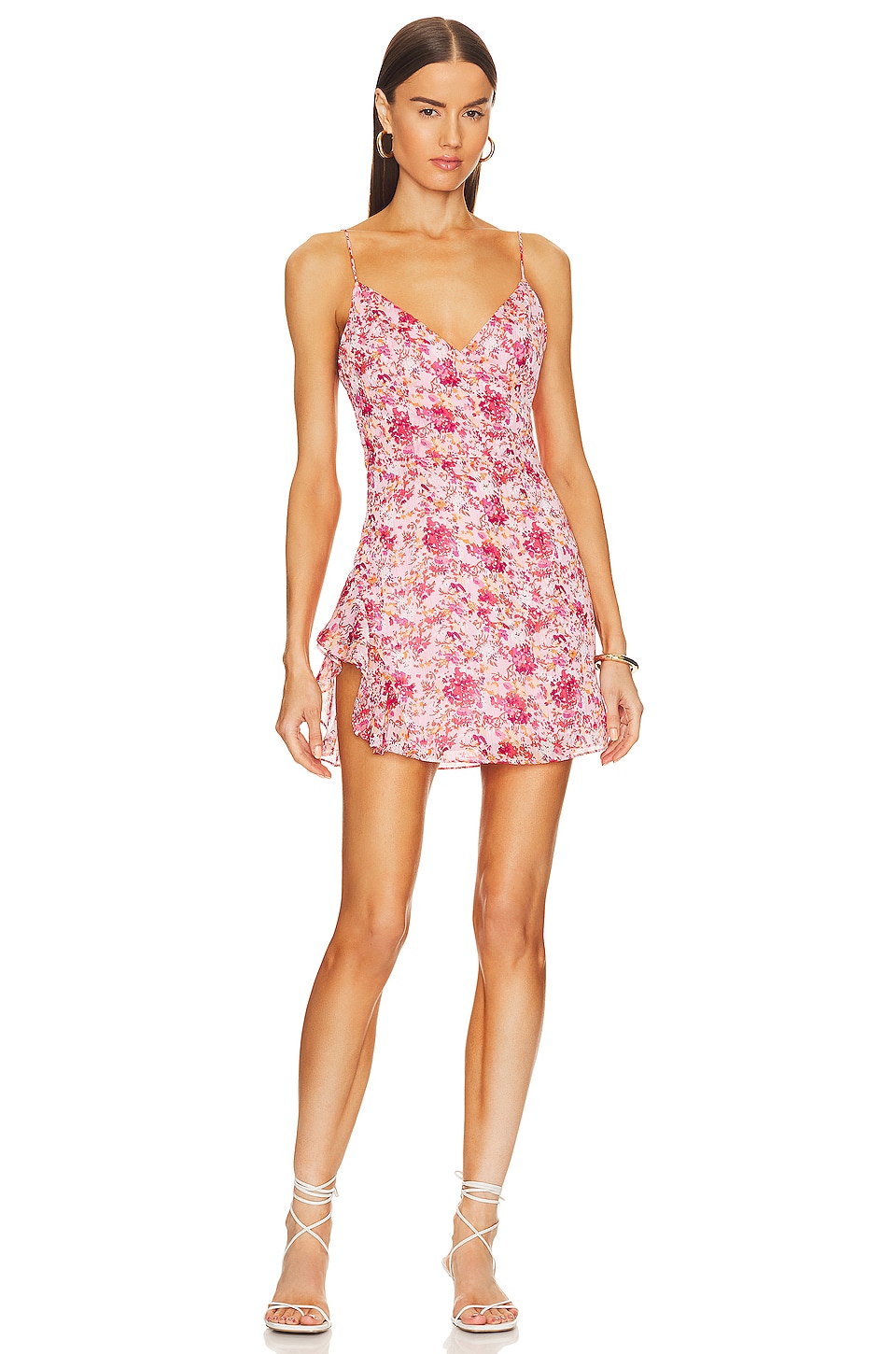
When the sun sets and the occasion calls for glamour, your foundational dress can rise to the challenge with strategic enhancements. A little black dress (LBD) is the classic example, but a revolve dress in satin, velvet, or with delicate lace detailing can serve the same pivotal role. The transformation for evening is all about amplification. This is where you engage in what costume designers for film call “character building through detail.” Consider the iconic Givenchy LBD worn by Audrey Hepburn in “Breakfast at Tiffany’s”; its simplicity was the stage for dramatic pearls, an elaborate updo, and oversized sunglasses. To execute this, start with your dress and then escalate every element. Swap daytime bags for a metallic clutch. Replace stud earrings with chandelier or drop styles. Introduce sheer hosiery or statement heels with intricate details. A faux fur stole or a sleek leather moto jacket can add an edge to a sleek slip dress. The makeup palette deepens—a bold lip or a smoky eye. As stylist and TV host Rachel Zoe famously advocates, the evening is the time to “dress up and have fun.” Your dress is the constant; the accessories are the variables that dial the formality and drama up to the required level.
Intelligent Acquisition: Building Your Wardrobe Foundation
Understanding how to style a dress is only half the battle; acquiring the right pieces is the other. This is where a blend of professional knowledge and consumer savvy becomes critical. When investing in a core revolve dress, scrutinize the construction: check the seams, the lining, the quality of the zipper or buttons. These are the hallmarks of a garment that will endure seasons, not just weeks. Regarding cost, always consider cost-per-wear. A $200 dress worn 50 times is a far wiser investment than a $50 dress worn twice. To make these investments more accessible, it is essential to be strategic about shopping. Sign up for newsletters from retailers like Revolve to receive alerts on seasonal sales, which often offer discounts of 20-30% on previous collections. Utilize holiday sales events like Black Friday or end-of-season clearances. Furthermore, many platforms offer “first-purchase” discounts or have loyalty programs that provide members with exclusive access to promotions. The objective is to procure quality at a value, ensuring your foundational pieces are both beautiful and economically sound long-term investments for your personal style portfolio.
4. The Special Event: Weddings, Garden Parties, and Beyond
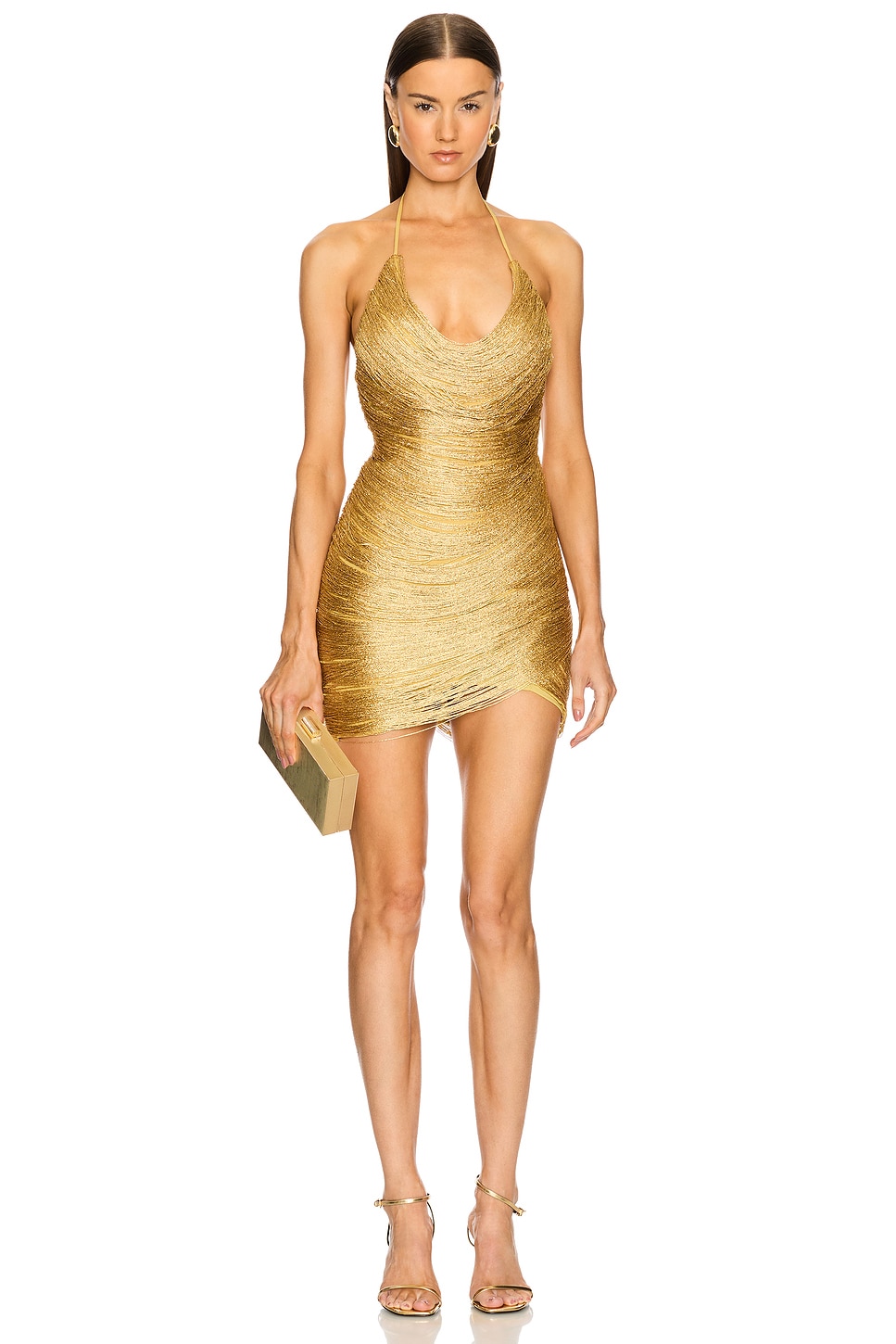
Special events often come with specific, sometimes unspoken, dress codes. Navigating these requires a nuanced understanding of context. A revolve dress in a floral print, a pastel hue, or with elegant ruffles can be the perfect solution for occasions like daytime weddings or garden parties. The styling here leans into femininity and appropriateness. For a summer wedding, pair a floaty midi dress with block-heel sandals and a straw clutch. For a more formal cocktail event, a dress with beading or sequin details can stand on its own with minimal accessories. It’s vital to consider the venue and time of day, a principle consistently outlined in etiquette guides from sources like Debrett’s or Emily Post. A dress that is perfect for a beach ceremony may be unsuitable for a evening cathedral wedding. The goal is to be a polished and respectful guest, using your dress as a tool to celebrate the occasion without overshadowing it. This is where the versatility of a well-chosen dress proves invaluable; with the right styling touches, it can be adapted to fit a wide spectrum of celebratory environments.
5. The Creative Experiment: Personal Expression as the Ultimate Occasion
Finally, the most important occasion of all: expressing your unique self. Fashion, at its best, is a form of personal storytelling. Once you have mastered the styling of your core dress for external events, turn inwards and use it as a medium for creativity. This might involve layering it in unexpected ways—wearing a turtleneck underneath a slip dress, belting it over wide-leg trousers, or pairing a tulle skirt over it for a peek-a-boo effect. This experimental approach is celebrated in digital fashion communities, from TikTok style challenges to Instagram aesthetics, where users constantly redefine how a single garment can be worn. As designer Virgil Abloh once stated, “I believe that the idea of what a dress can be is open-source.” Take this to heart. Use your foundational dress to play with textures, patterns (through layering), and silhouettes. This is not about a specific event but about the ongoing occasion of cultivating your personal identity through clothing. It’s the ultimate proof of a garment’s value.
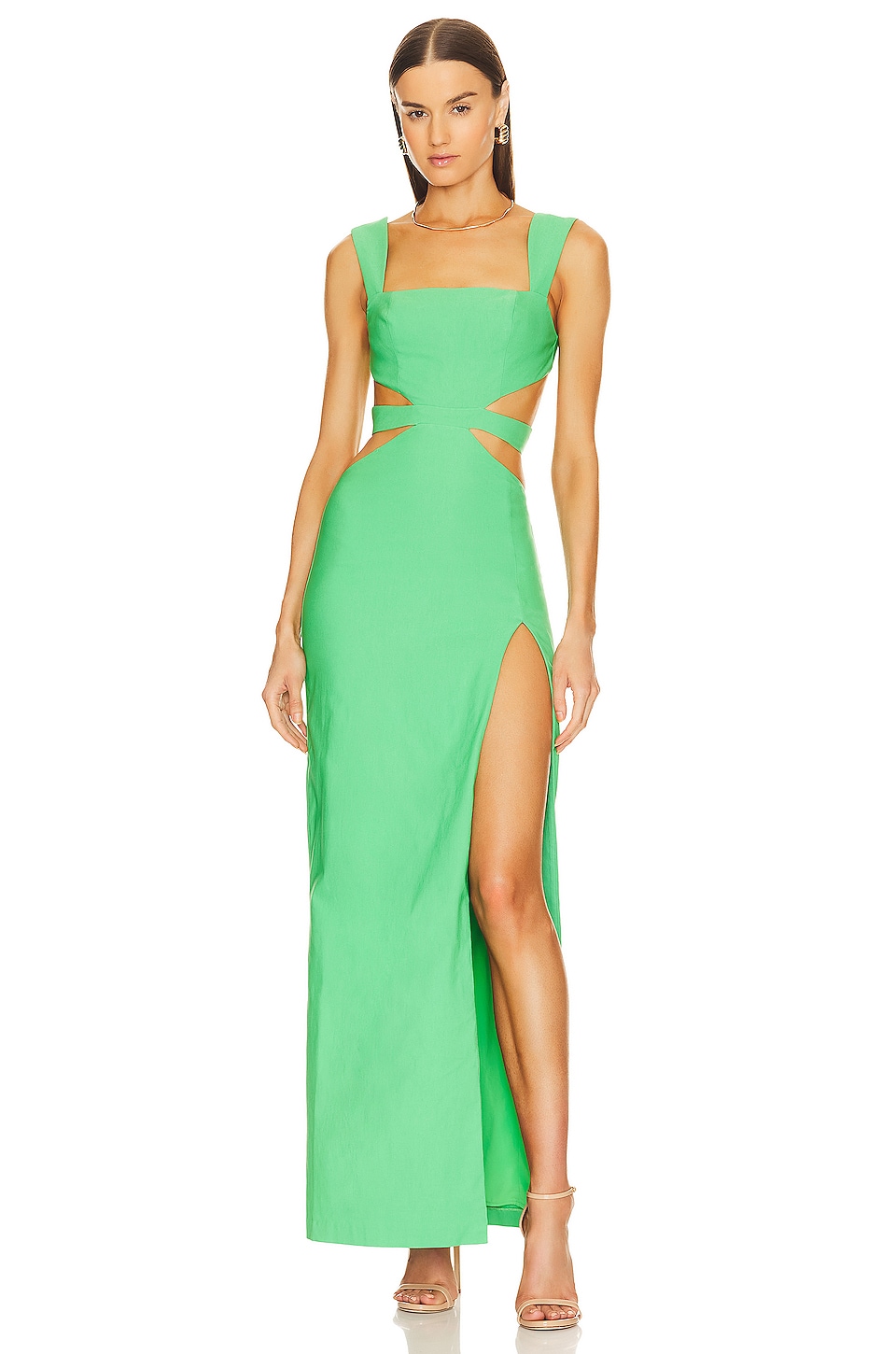
The journey through these occasions demonstrates that a single, well-considered dress is not a limitation but a liberation. It frees you from the daily question of “what to wear” and provides a reliable foundation upon which to build a multitude of identities—the professional, the relaxed, the glamorous, the celebratory, and the authentically you. By understanding the principles of silhouette, fabric, and color, and by mastering the art of strategic accessorizing and intelligent acquisition, you empower yourself to meet any social demand with confidence and style. Let your revolve dress be the central, rotating piece in your wardrobe constellation, around which all other elements find their orbit and purpose.