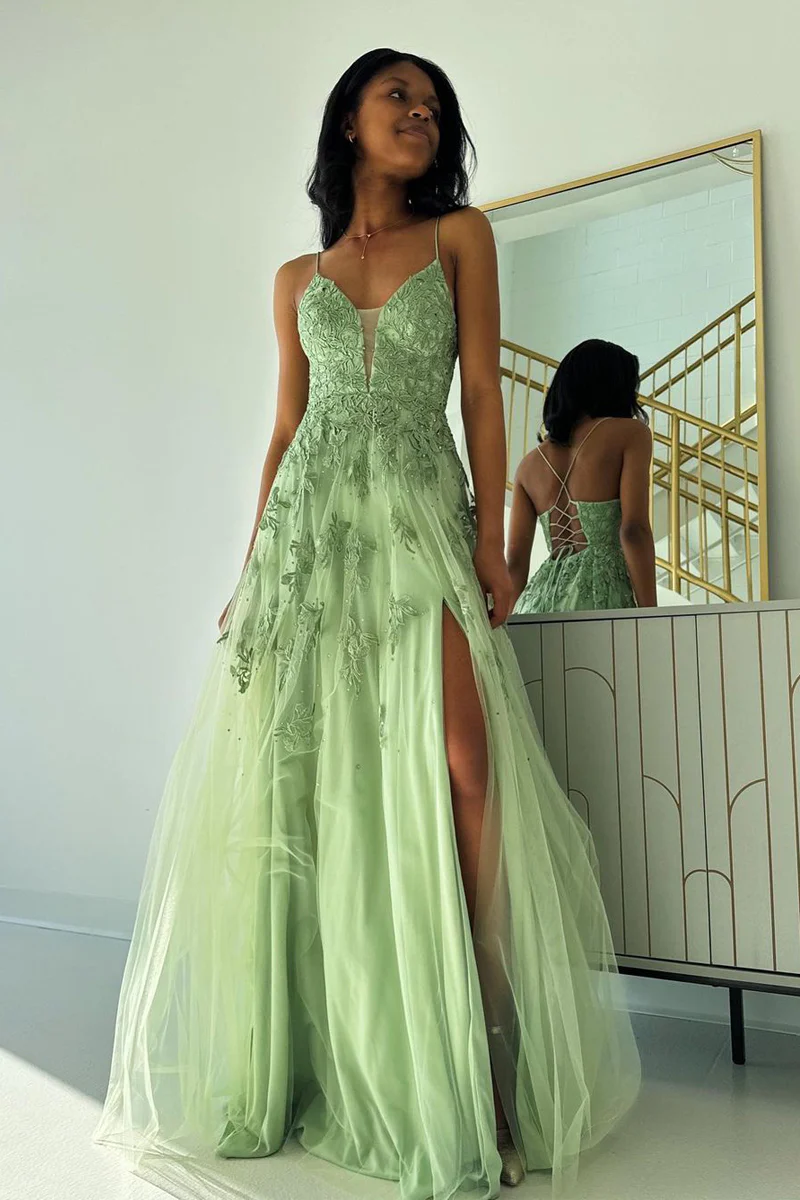
A Timeless Choice for Your Magical Night
As the anticipation for prom night builds, the quest for the perfect dress begins—a search for a garment that transcends fleeting trends and embodies personal magic. Amidst a sea of colors and silhouettes, one choice consistently emerges as a beacon of elegance and versatility: the sage green prom dress. This isn’t merely about selecting an outfit; it’s about embracing a hue that carries the serenity of nature, the sophistication of timeless artistry, and the unique power to make you feel both grounded and utterly enchanting. Let’s explore why this particular shade is more than a color—it’s a statement, a psychological anchor, and a scientifically sound choice for an unforgettable evening.
The Psychology and Science of Sage Green
To understand the profound impact of a sage green prom dress, we must first delve into the color itself. Sage green is a grayish, muted green with strong earthy undertones, reminiscent of dried sage leaves. Its power lies in its psychological resonance. Color psychology, a field explored by institutions like the University of California, Berkeley, suggests that green is universally associated with harmony, renewal, and balance. It occupies the center of the color spectrum, making it restful for the human eye. The muted quality of sage specifically tempers the vibrancy of pure green, introducing a complexity that evokes wisdom, tranquility, and understated luxury. This isn’t a color that shouts; it whispers with confidence. As the famous designer Oscar de la Renta once noted, “Fashion is about dressing according to what’s fashionable. Style is more about being yourself.” A sage green dress leans into style—it is a personal choice that reflects a thoughtful, composed, and nature-connected sensibility. From a practical standpoint, its muted tone is exceptionally flattering across a wide range of skin tones, as it avoids the harsh contrasts of very bright or very dark shades, creating a soft, luminous effect under various lighting conditions, from the golden glow of ballroom chandeliers to the flash of cameras.
A Hue Through History and Culture
The reverence for sage and olive greens is not a modern invention. Its roots run deep in art history and global culture. During the Renaissance, painters like Leonardo da Vinci used earthy greens like terre verte to create shadows and flesh tones, grounding their subjects in a naturalistic reality. In traditional Chinese culture, jade, which often exhibits sage-green hues, is more than a gemstone; it is a symbol of purity, moral integrity, and grace. Wikipedia entries on color symbolism consistently highlight green’s associations with life and vitality. Furthermore, in contemporary cinema, sage green is often used in costume design to denote characters who are wise, stable, or mystically connected to their environment—think of the elegant, grounded attire of characters in films like “Atonement” or “The Great Gatsby” (2013), where muted greens signify a refined, almost nostalgic elegance. Choosing a sage green prom dress connects you to this rich tapestry of meaning. You are not just wearing a dress; you are invoking a legacy of artistry, balance, and timeless grace. It is a color that has been admired for centuries, proving its staying power far beyond any single season’s trend report.
Versatility in Silhouette and Style
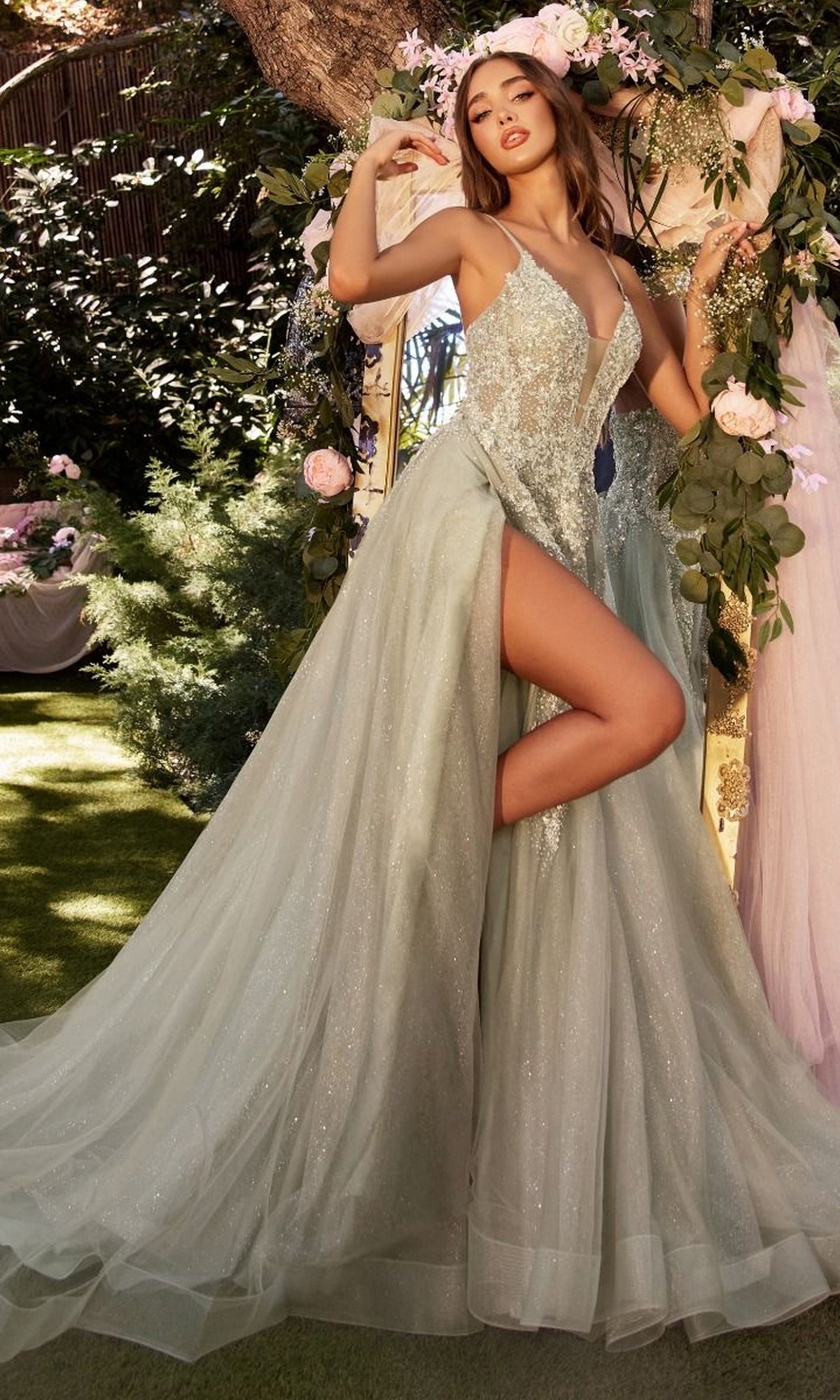
One of the most compelling, objective arguments for the sage green prom dress is its incredible versatility. Unlike some colors that dominate a design, sage green serves as a perfect, neutral-like canvas that complements an endless array of styles. Whether your vision is a classic A-line, a dramatic mermaid cut, a sleek slip dress, or a voluminous tulle ball gown, the color adapts seamlessly. It provides a sophisticated backdrop for intricate details. Beading and sequins in silver, ivory, or even copper gain a subtle, ethereal quality against sage green. Lace overlays appear more delicate and vintage-inspired. The color also pairs beautifully with various textures—satin lends a liquid, luxurious sheen, chiffon offers a soft, romantic flow, and velvet in sage green feels deeply regal and tactile. This adaptability is backed by fashion theory from authoritative sources like the Fashion Institute of Technology, which teaches that muted, complex colors like sage green act as “anchor shades” in a wardrobe, providing maximum styling flexibility. You can accessorize with bold gold for a warm, opulent look, cool silver for a modern edge, pearls for timeless purity, or even earthy wood and stone jewelry for a bohemian twist. The dress becomes a true extension of your personal aesthetic.

The Practical Elegance: Beyond the Dance Floor
Prom is a marathon of moments, not just a sprint on the dance floor. The practical advantages of a sage green gown are numerous and often overlooked. Firstly, its earthy tone is remarkably forgiving. It is less likely to show small spills or wrinkles compared to stark white or deep black. Secondly, in the realm of photography—a critical component of the night—sage green performs exceptionally well. Professional photographers on platforms like Quora and YouTube frequently advise that muted, mid-tone colors photograph beautifully, avoiding the overexposure common with bright colors and the loss of detail common with very dark ones. Your photos will look balanced, elegant, and timeless for years to come. Furthermore, from a sustainability perspective, investing in a color and style that feels timeless is a move towards a more conscious wardrobe. As fashion activists and publications like Vogue have highlighted, choosing versatile, enduring pieces over ultra-trendy items reduces fashion waste. A sage green prom dress has a high potential for re-wearability; it can be easily repurposed for formal events, weddings, or even holiday parties with different accessories, offering a superior cost-per-wear value.
Making the Choice Yours: Professional Guidance and Access
Understanding the “why” behind sage green is the first step; the next is finding the “how.” This is where professional knowledge becomes invaluable. When selecting your dress, consider your skin’s undertones. Those with cool undertones may lean towards a sage with more blue-gray notes, while warm undertones might shine in a sage with hints of yellow or olive. Don’t hesitate to consult with stylists at formalwear boutiques—their expertise can help you navigate silhouettes that best celebrate your figure. Now, let’s address a crucial element: accessibility. High style should not come with an inaccessible price tag. The good news is that the popularity of this versatile color means it is widely available across various price points. Many retailers offer stunning sage green prom dresses with significant discounts during seasonal sales, early-bird promotions, or through special online codes. By planning ahead and researching trusted vendors, you can secure a designer-quality gown at a fraction of the retail price. Remember, the value lies in the dress’s timeless appeal and multi-occasion potential, making a discounted purchase not just a bargain, but a smart investment in your personal style archive.

A Final Note on Individual Magic
In the end, the most powerful source a dress can draw from is you. The right gown amplifies your confidence and allows your personality to take center stage. A sage green dress offers a unique paradox: it is both calming and captivating, both humble and majestic. It provides a serene backdrop against which your joy, your laughter, and your light will shine brightest on your magical night. It is a choice that speaks of maturity, awareness, and an appreciation for beauty that is both deep and enduring. As you step onto the dance floor, enveloped in the subtle grace of sage, you embody a choice that is as intelligent as it is beautiful—a true timeless choice for your magical night.